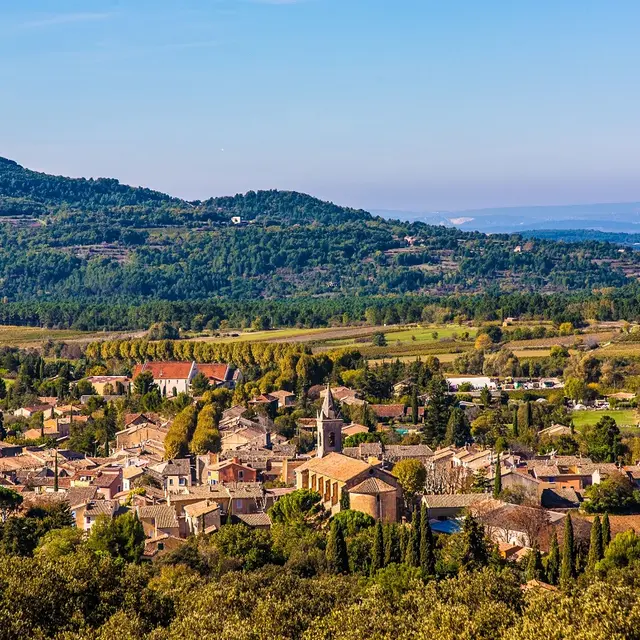
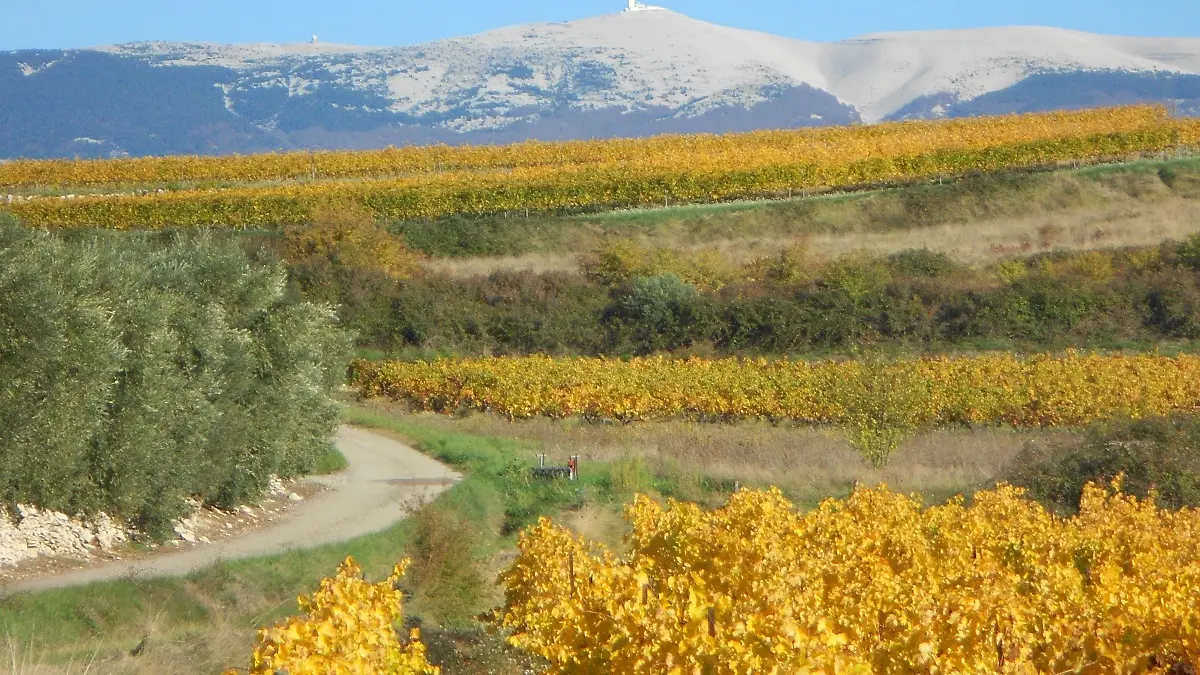
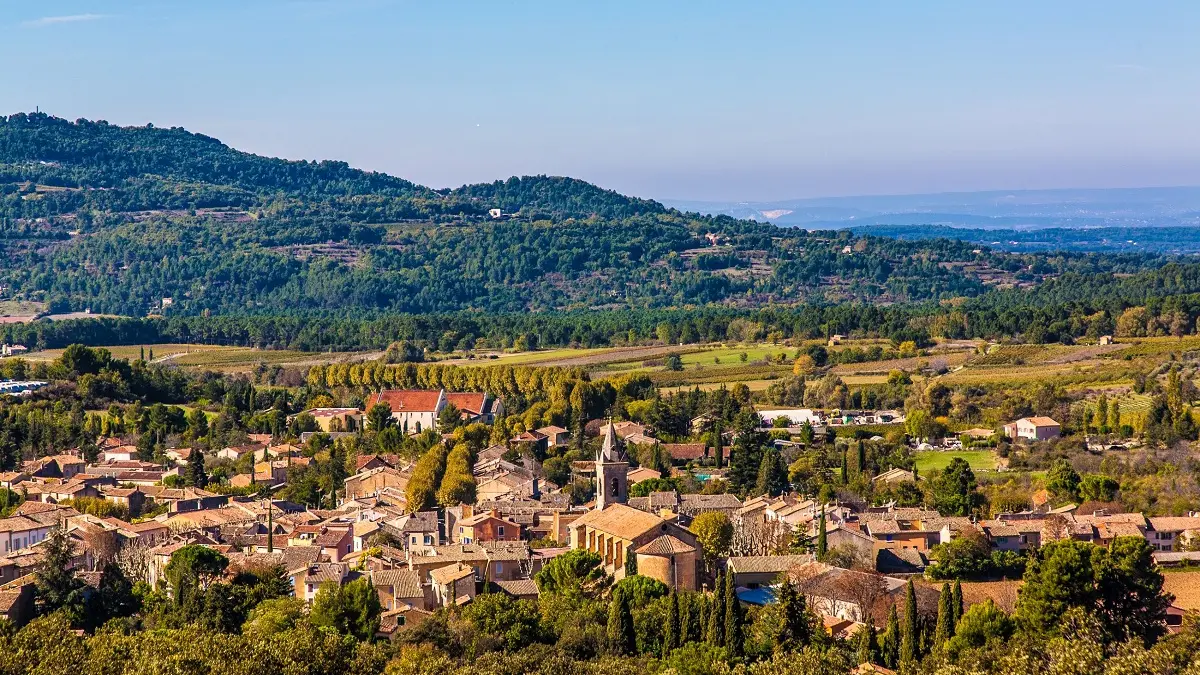
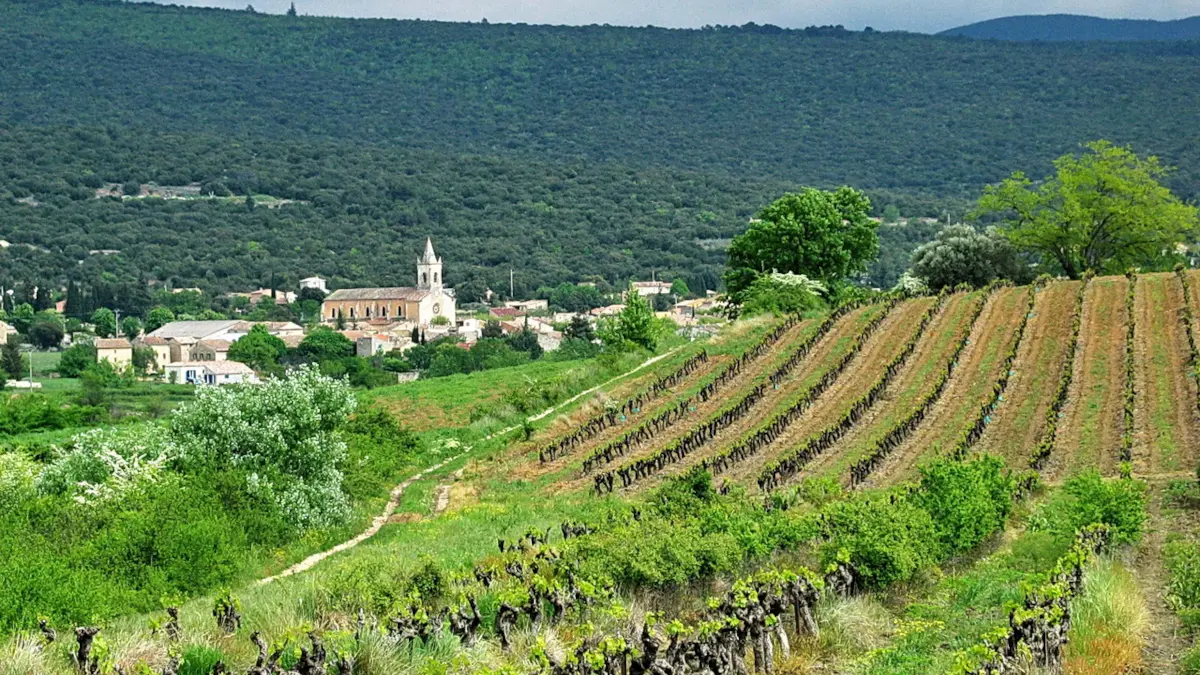
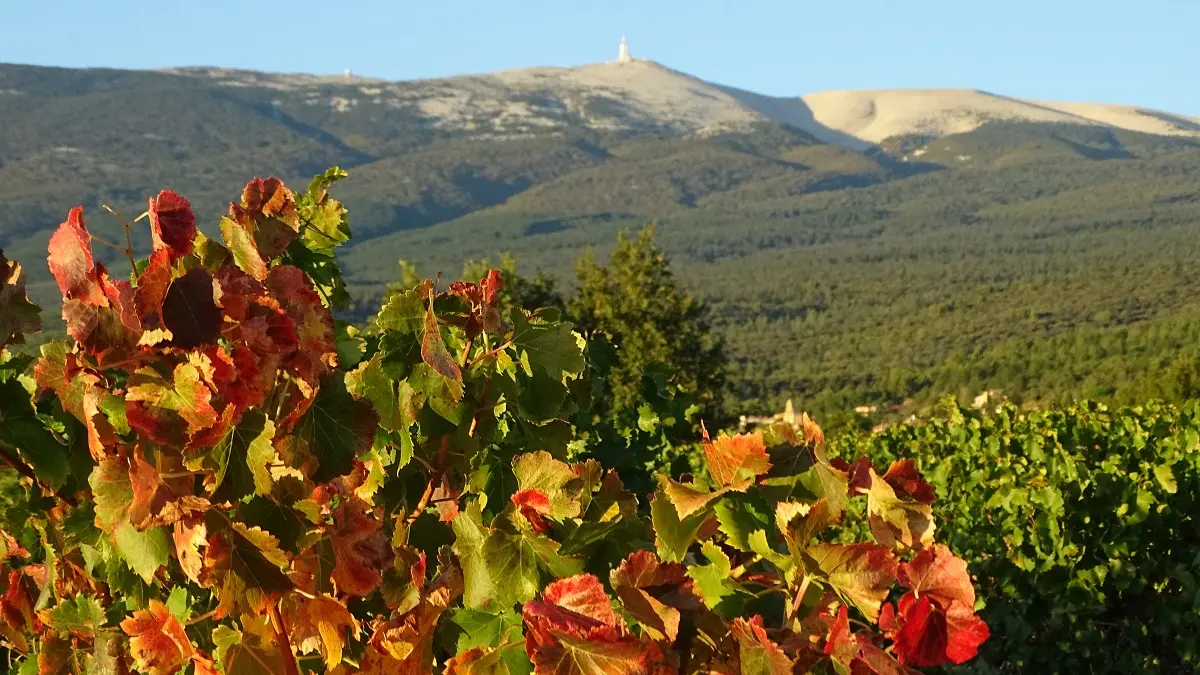
Sheltered from the mistral by the Mont Ventoux, this town with its colourful facades occupies a strategic geographical position at the entrance to the Gorges de la Nesque. Until 1791, it was the stronghold of the Bishop of Carpentras, then part of the Comtat Venaissin.
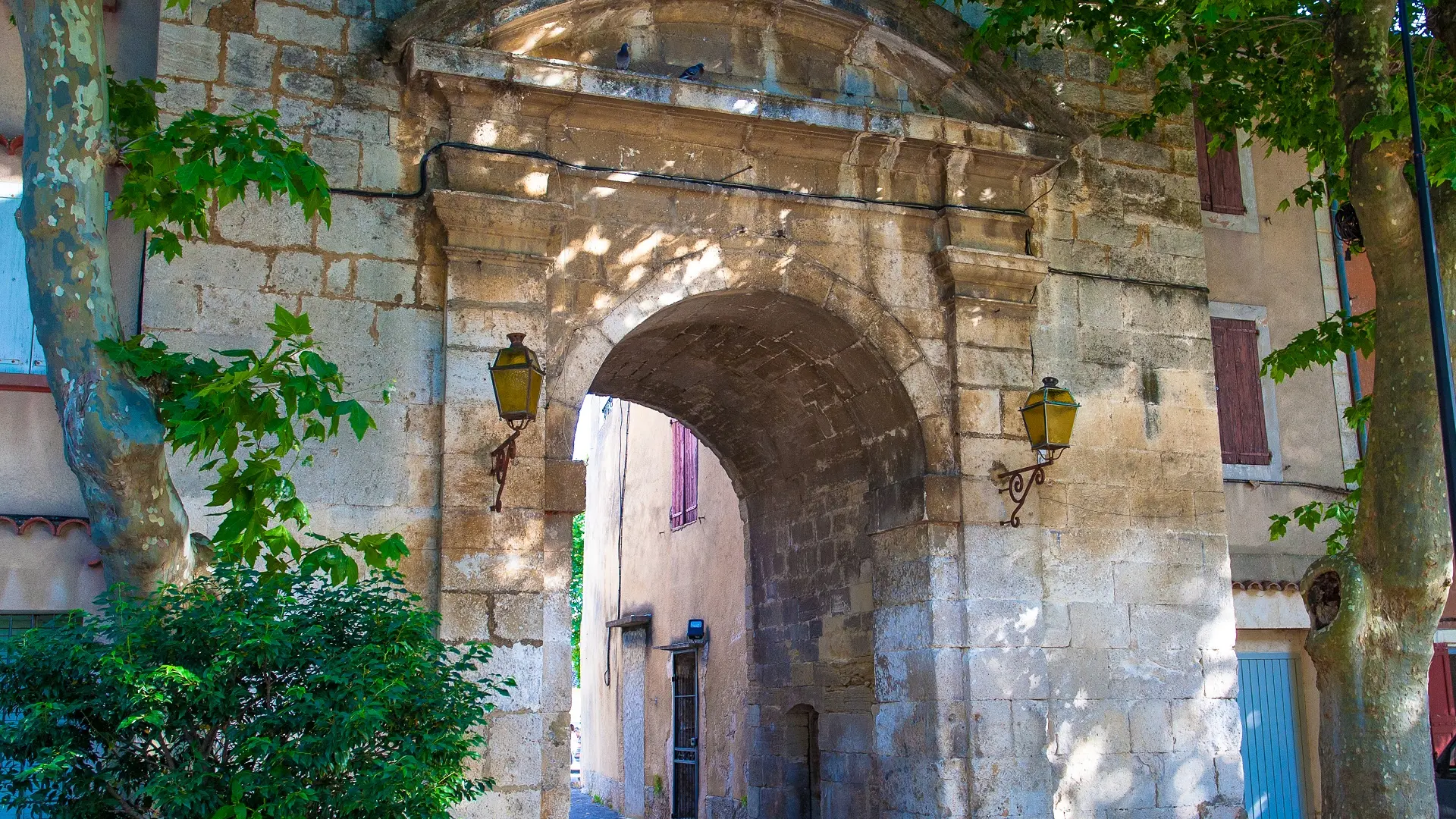
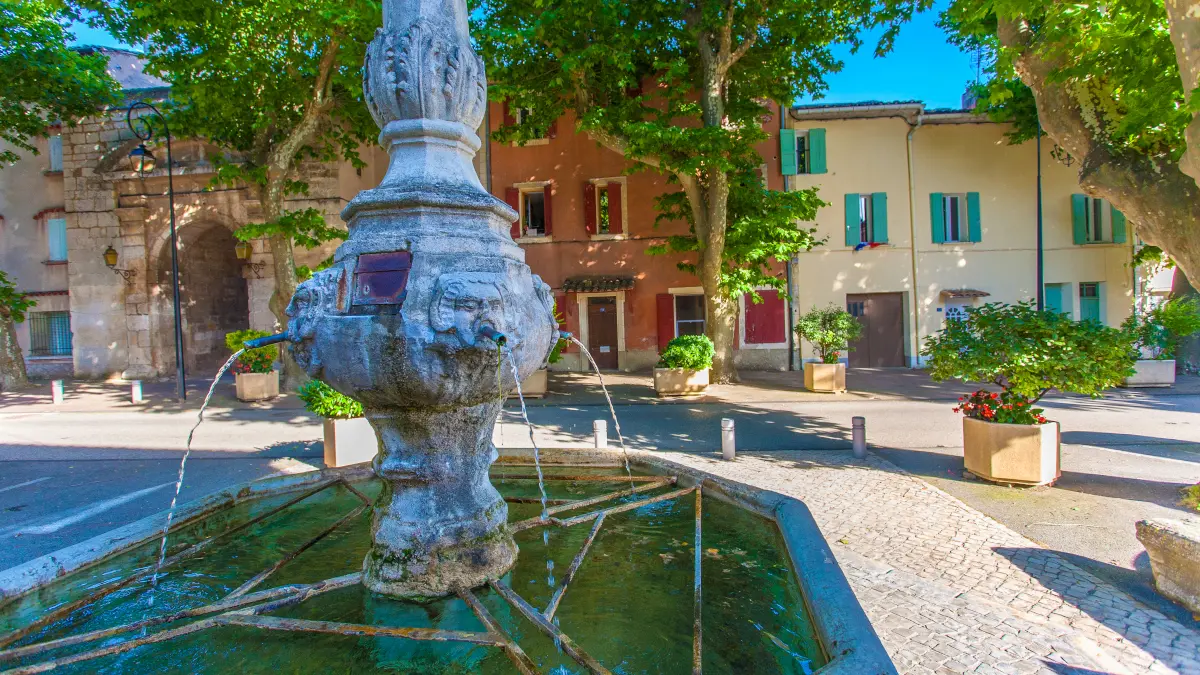
This circular village was once surrounded by ramparts whose walls were built of Saracen stone. The Grand Portail, an 18th-century gateway that served as the main entrance to the village in medieval times, conceals the access to the old prison beneath its arch. Opposite stands the contemporary Mascaron fountain, first put into service in 1783.
The unique "Lis Pous de Foro" district, made up of small gardens separated by dry-stone walls, was once the area where villagers cultivated their plots of land.
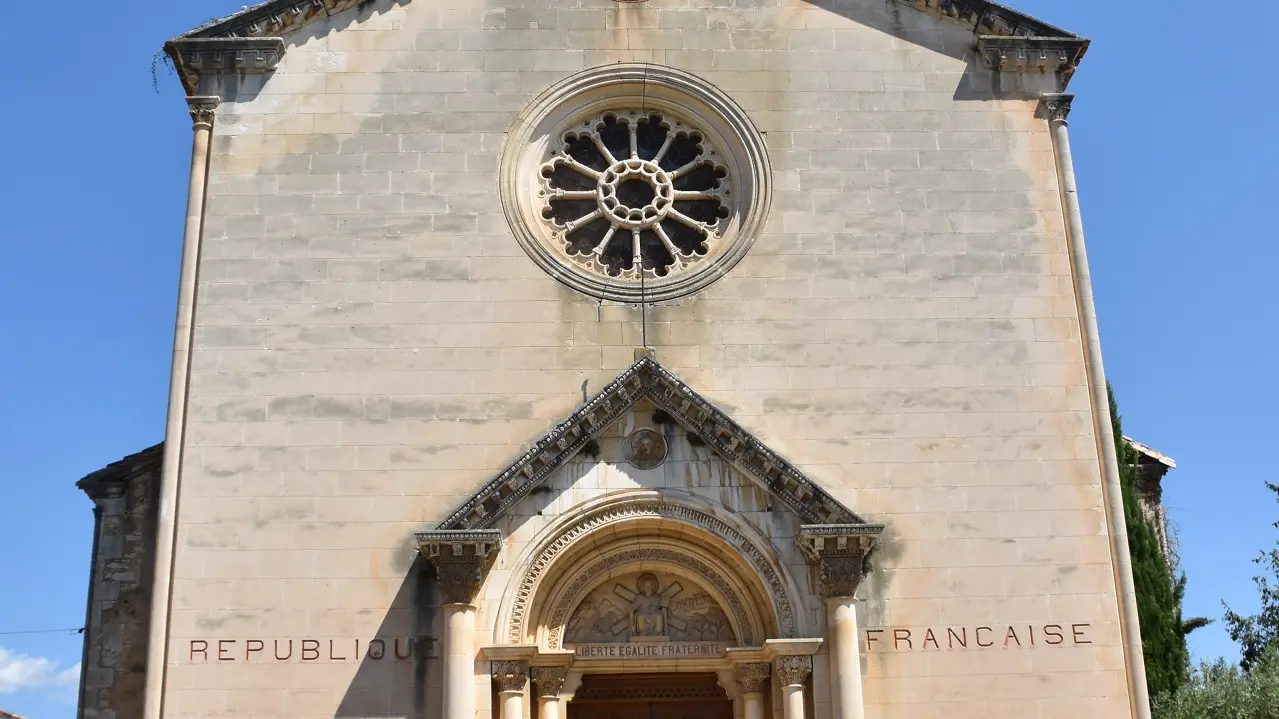
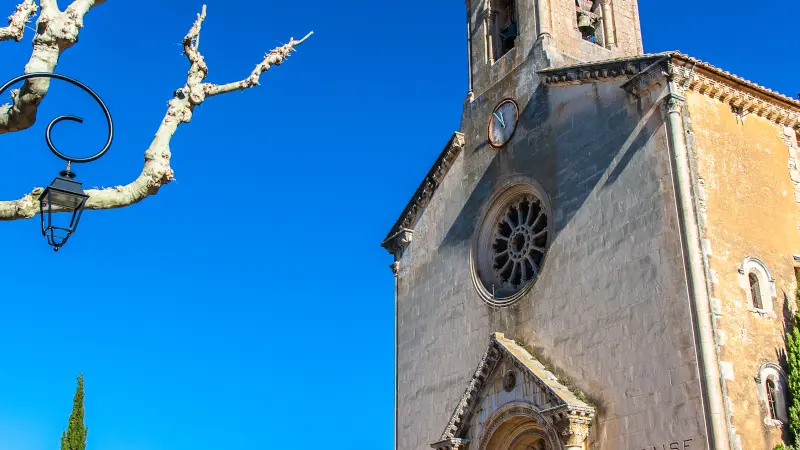
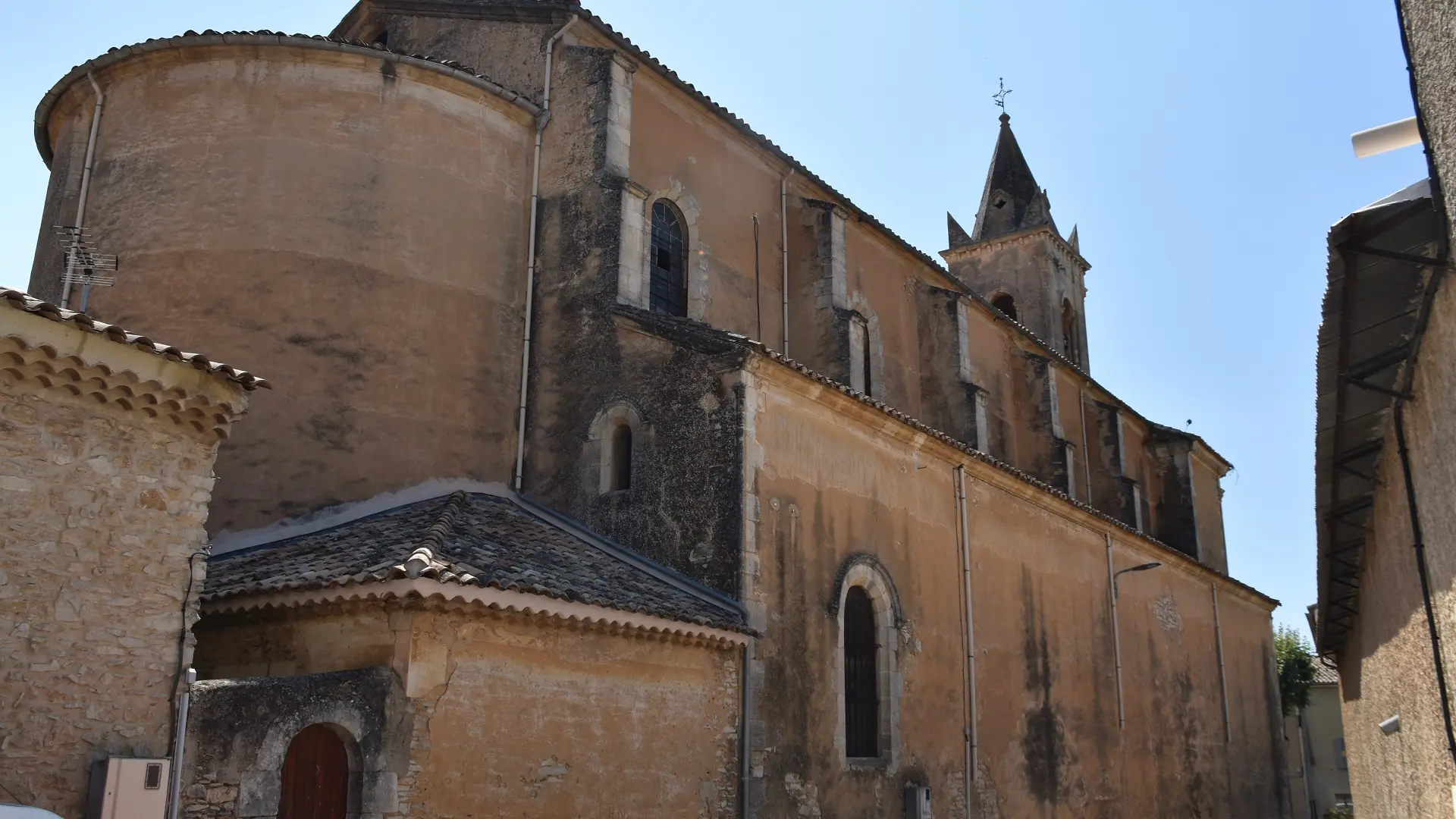
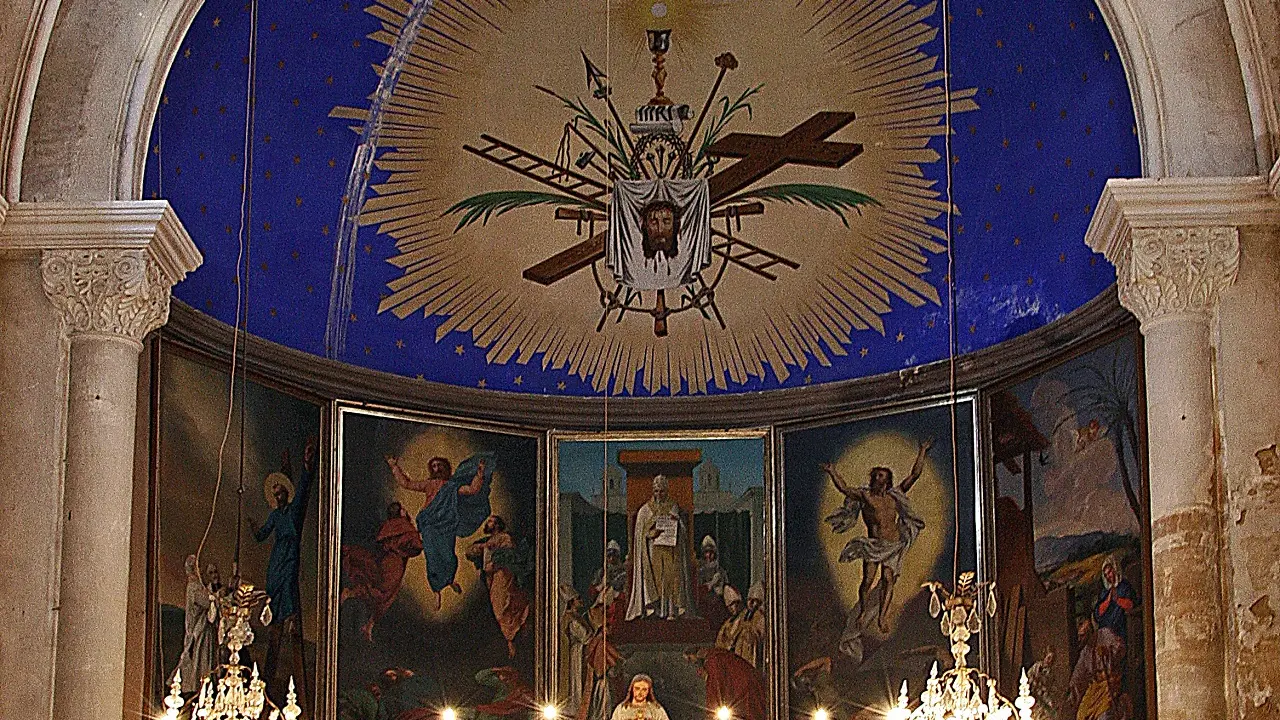
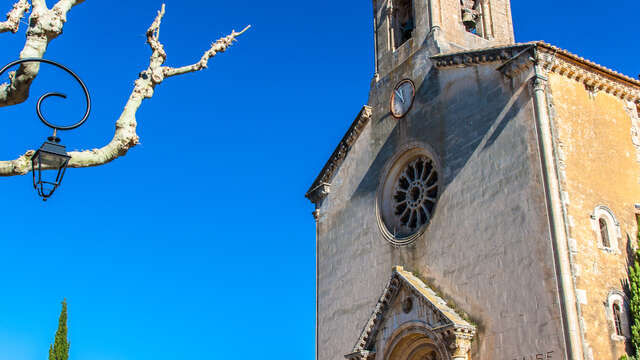
Another unusual detail is the neo-Romanesque church of St André, which had the Republican motto added to its façade by municipal decree in 1891.
In the 19th century, the village prospered thanks to the exploitation of its forests for the production of charcoal, ochre and silkworms, as evidenced by the old factory at the entrance to the village.
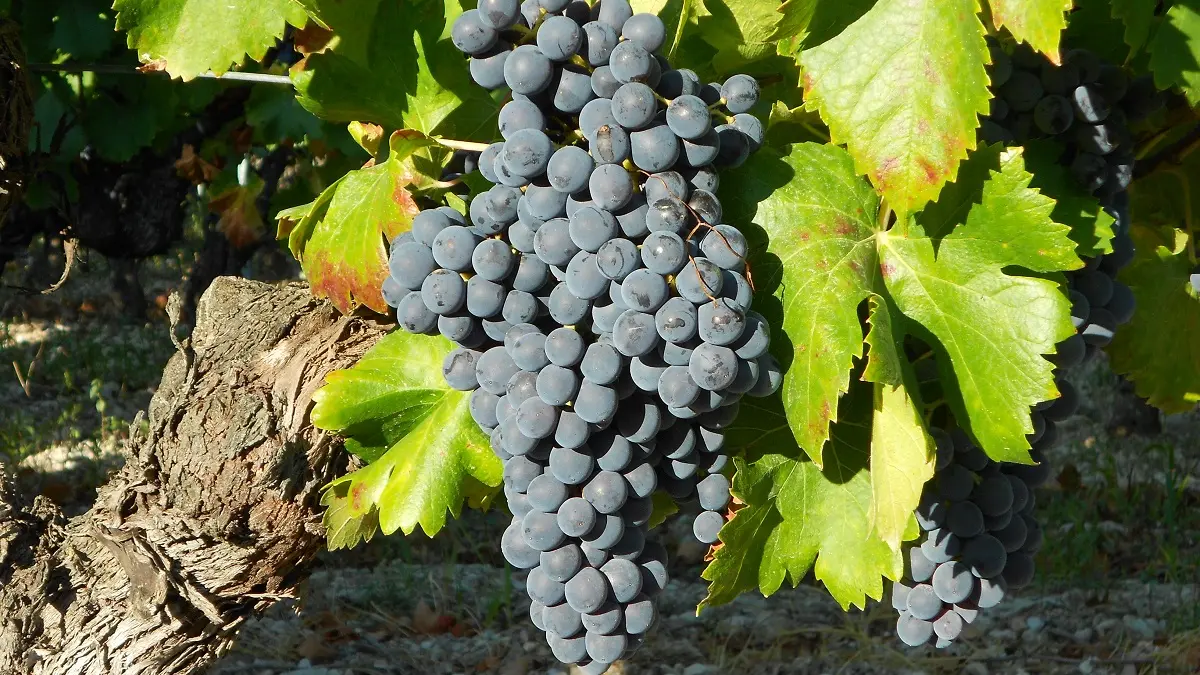
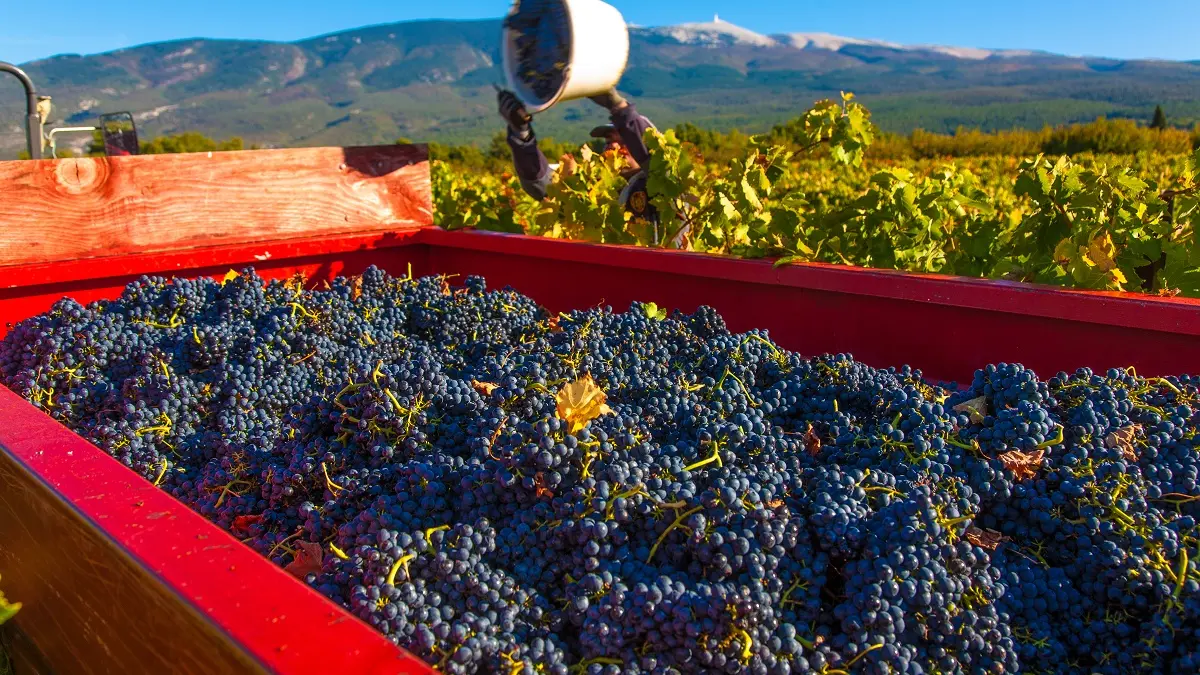
The village was named regional capital of biodiversity in 2019. The landscape is dominated by vineyards producing both Muscat du Ventoux table grapes and AOC Ventoux wine grapes, and cherry orchards protected by the IGP Coteaux du Ventoux label. These have replaced the former crops of wheat and madder (for dye).
René Seyssaud, a pioneering painter of the Fauvist movement, was originally from Villes-sur-Auzon.
In 2024, the first "Gourmet Olive Oil Festival" was held in the commune on September 15th.