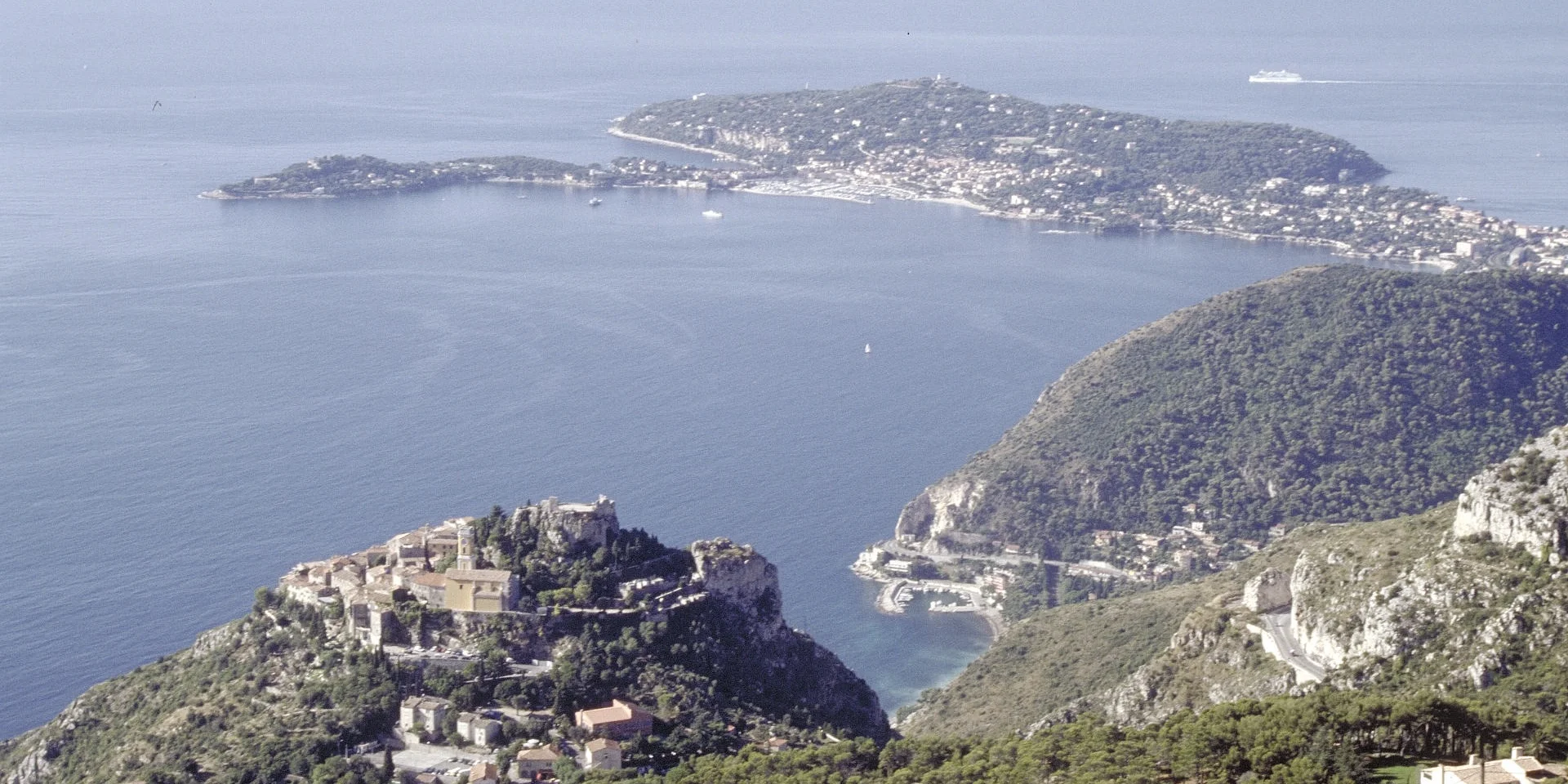
Panoramic view of the village of Eze, the coastline and the Saint-Jean-Cap-Ferrat peninsula in the distanceView of Eze and Saint-Jean-Cap-Ferrat in the Alpes Maritimes
©View of Eze and Saint-Jean-Cap-Ferrat in the Alpes Maritimes |G.Roucaute

Les Balcons de la Méditerranée

a hike between the mountains and the sea

The GR®51 is a mythical trail which offers an unforgettable adventure and a timeless hike along the Mediterranean coast, in a blend of Côte d’Azur horizons and historic heritage.

A route suspended between the sky and the sea

Nicknamed Les Balcons de la Méditerranée, the GR®51 stretches over 500 km, from Marseille to Menton and unfolds in a succession of exceptional panoramas of the sea. It winds through the emblematic ranges of the Mediterranean coast and sites such as the Calanques, the Estérel or the Préalpes d’Azur. From the seafront to the hinterland, the GR®51 trail goes through a diversity of landscapes and is home to an immensely rich natural and cultural heritage. With stages to suit different levels, the itinerary of Les Balcons de la Méditerranée is suitable both for a long hike or day outings. The best times to make the most of it are spring and autumn, when the temperatures and mild and the light sublime.
From remarkable panoramas to natural sites

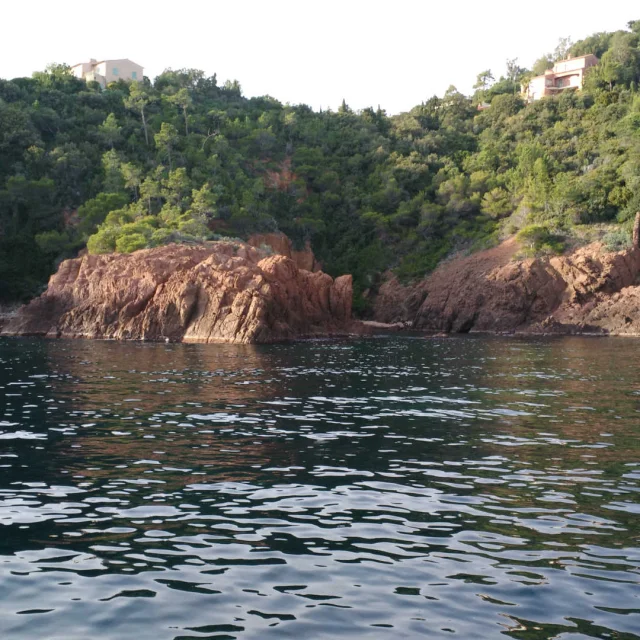
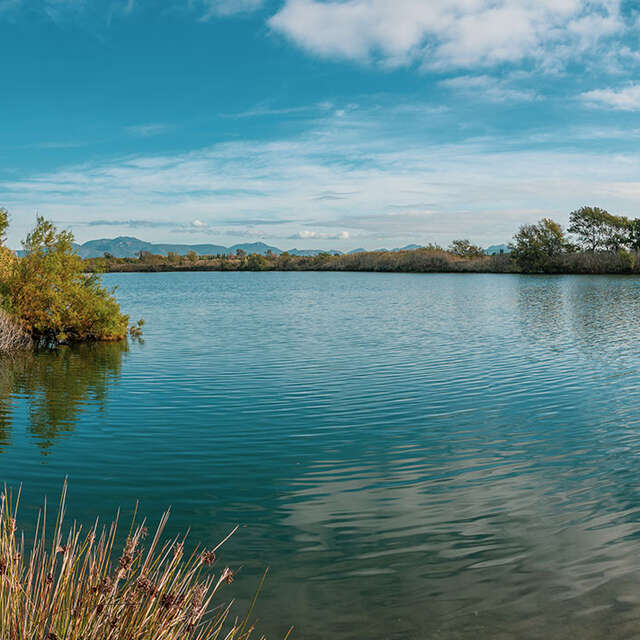
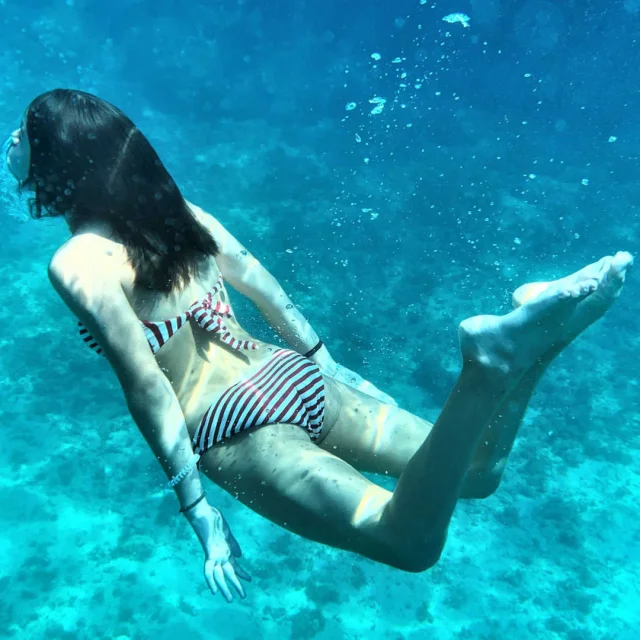
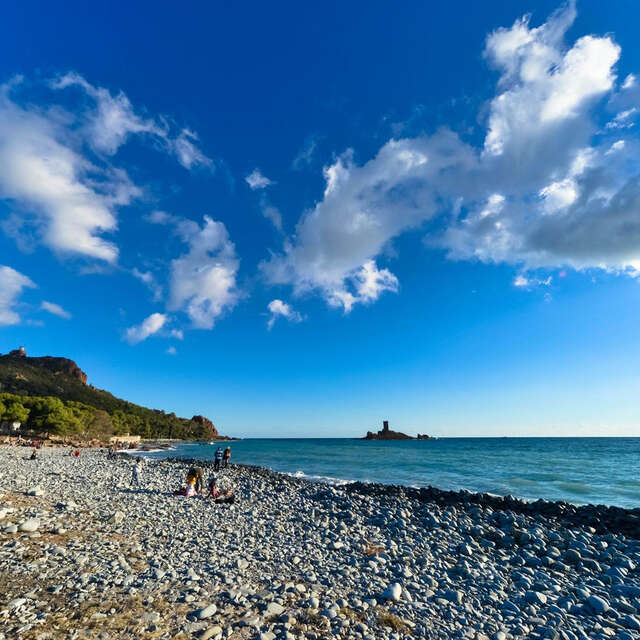
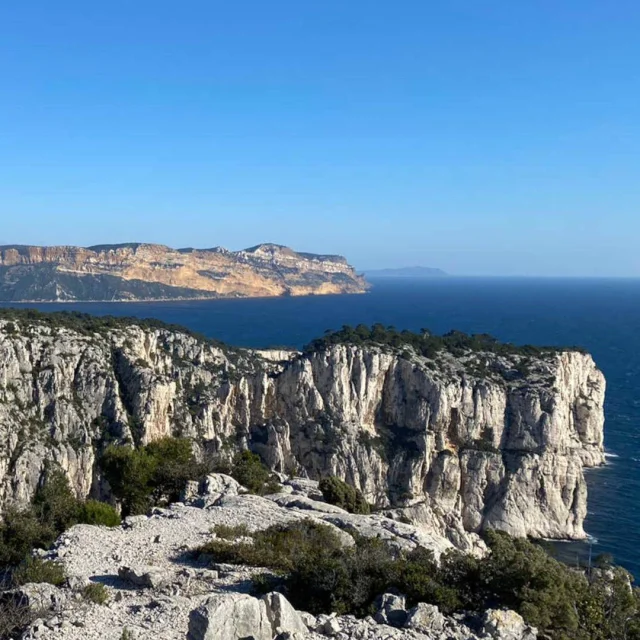
The GR®51 starts energetically with the first stage in a postcard setting: the Calanques National Park. Sometimes perched on cliffs, sometimes with its toes in the water, the trail guides through the scented garrigue and picturesque creeks. Further east, the mineral atmosphere changes colour with the red rocks which are typical of the Estérel. This former volcanic range is crisscrossed by trails which go from steep peaks to maritime pine forests offering unspoiled views of the Gulf of Fréjus. If you have time, you can make a detour to the Etangs de Villepey, where observatories and orientation trails are great for admiring rich and varied wildlife. As you go past the Pointe de l’Aiguille, we highly recommend you replace your walking boots with a pair of flippers to explore the underwater trail which can be accessed from the Plage de l’Aiguille to discover the superb Estérel-Théoule Departmental Maritime Park. Then, as you go further into the hinterland of Nice, the GR®51 gains altitude and crosses the Préalpes d’Azur, a wild territory with limestone cliffs and Mediterranean forests.

A fascinating historical and architectural heritage

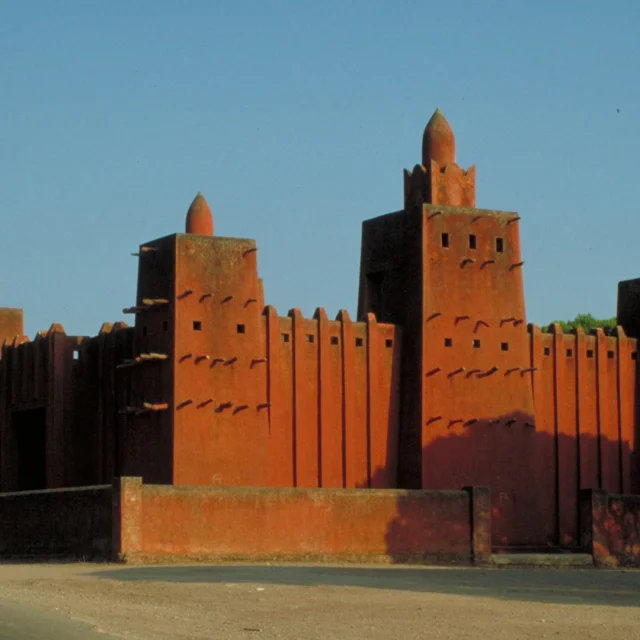
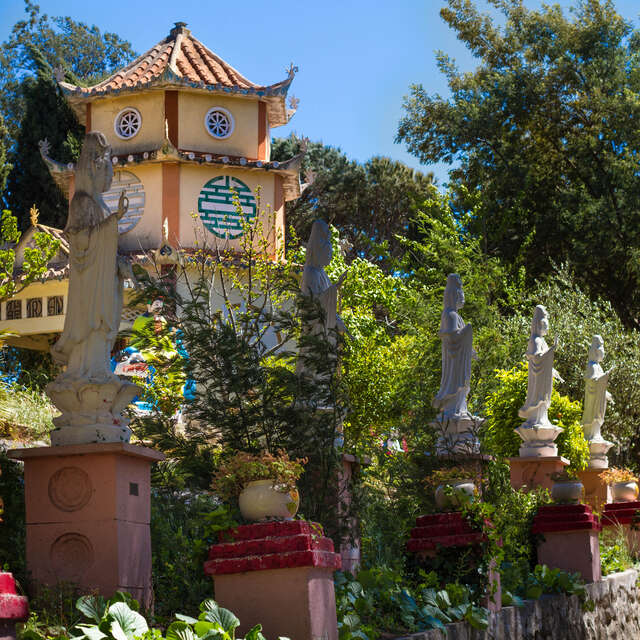
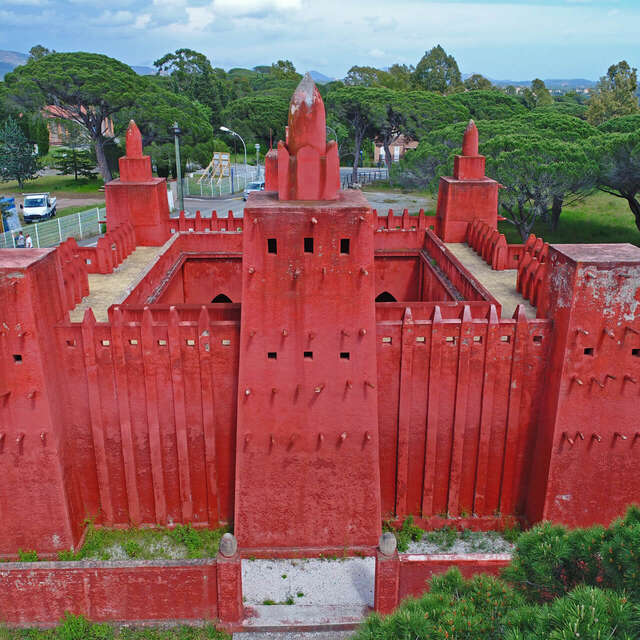
Le Sentier des Balcons de la Méditerranée is also a dive into the history of the South of France. It links hilltop villages like Éze, Peillon or Sainte-Agnès, architectural gems which tell centuries of history. In Sanary-sur-Mer, the Gros Cerveau structure’s imposing artillery battery, whose former barracks and artillery platforms have been restored to create an educational site to raise awareness of the environment. In Fréjus, the traces of the colonial past have come to life with the Mémorial des Guerres d’Indochine, in the Pagode Hông-Hiên and the Missiri Mosque, which is a replica of the Djenné Mosque in Mali. Built in 1930 for the Senegalese colonial troops stationed in the military camps in Fréjus, it was renovated in 2025 and can be visited on the outside. To the South, in Saint-Raphaël, the Dramont beach and its commemorative monument pay homage to the landing in Provence.

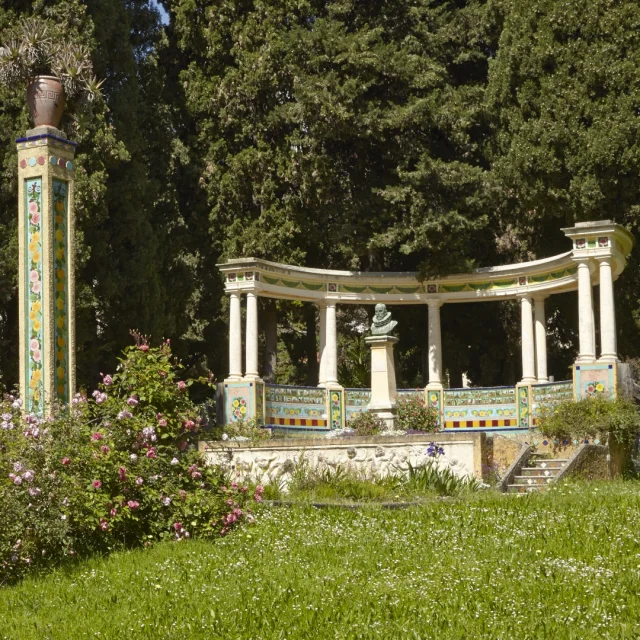
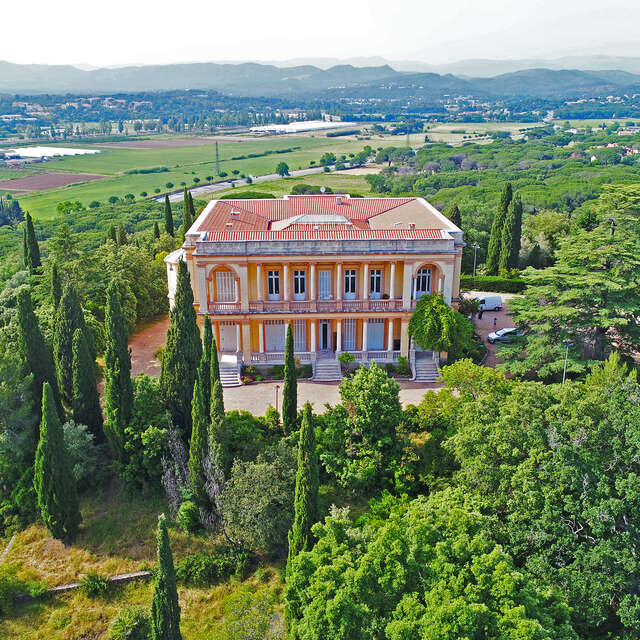
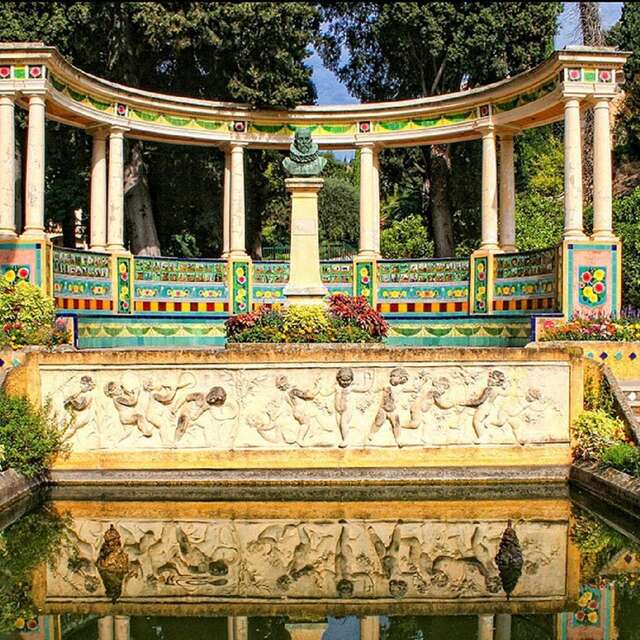
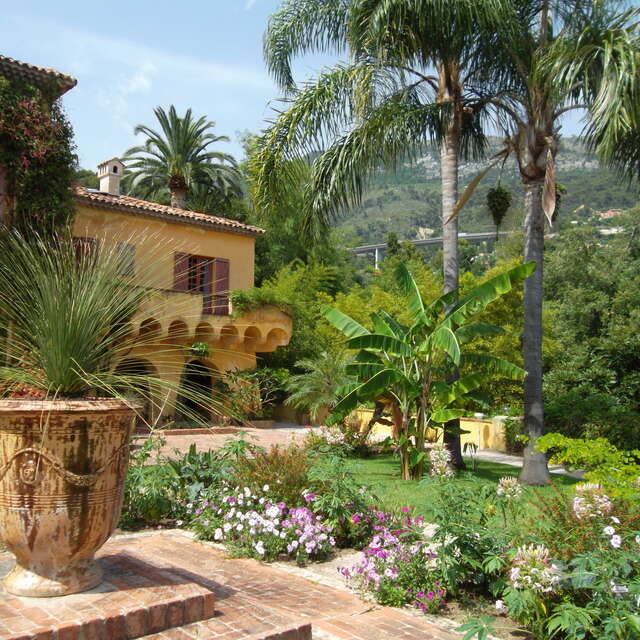
Luckily, wars aren’t the only things that have left their mark. The Côte d’Azur is home to a superb architectural heritage which dates back to the Belle Époque and bears witness to the opulence of the Côte d’Azur in the late 19th century. In Fréjus, Villa Aurélienne (1880s) stands out with its NeoPaladian style, its double colonnade and its Italian-style hall. A 23-hectare park, free of access, is home to the remains of the former aqueduct which provided the ancient town with water. To visit the villa, go to the Fréjus Office de Tourisme. Not far from there, the Villa Marie (1906), with its belvedere tower and loggia, now houses a municipal library. In Saint-Raphaël, the Notre Dame quarter offers an itinerary dedicated to these prestigious dwellings, while in Menton, the Fontana Rosa and Val Rahmeh gardens are a lovely end to this journey with a refined botanical touch.

Where can I stay on the GR®51?

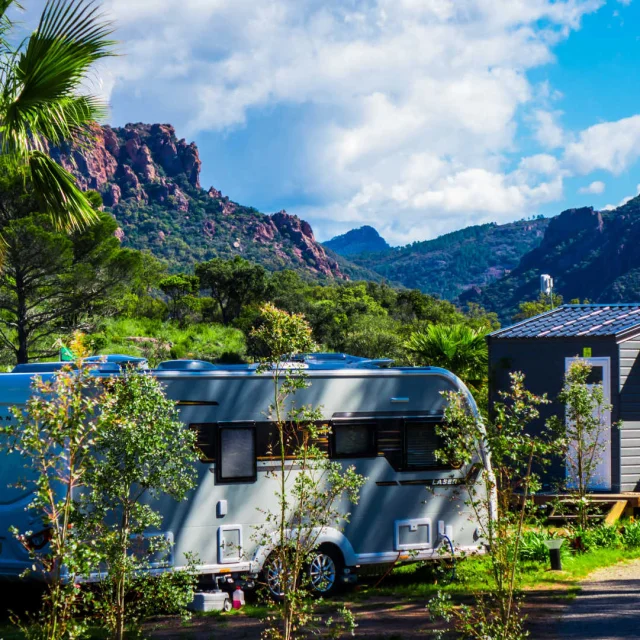
For total immersion, stopover gites offer simple and friendly accommodation, ideal for hikers looking for authenticity. Guest houses and small hotels are often to be found in Provencal bastides or hilltop villages and you’ll find their intimate charm and warm welcome very alluring. And lastly, just a stone’s throw from the trails and beaches, you can prolong the nature experience at campsites. Good hiking!