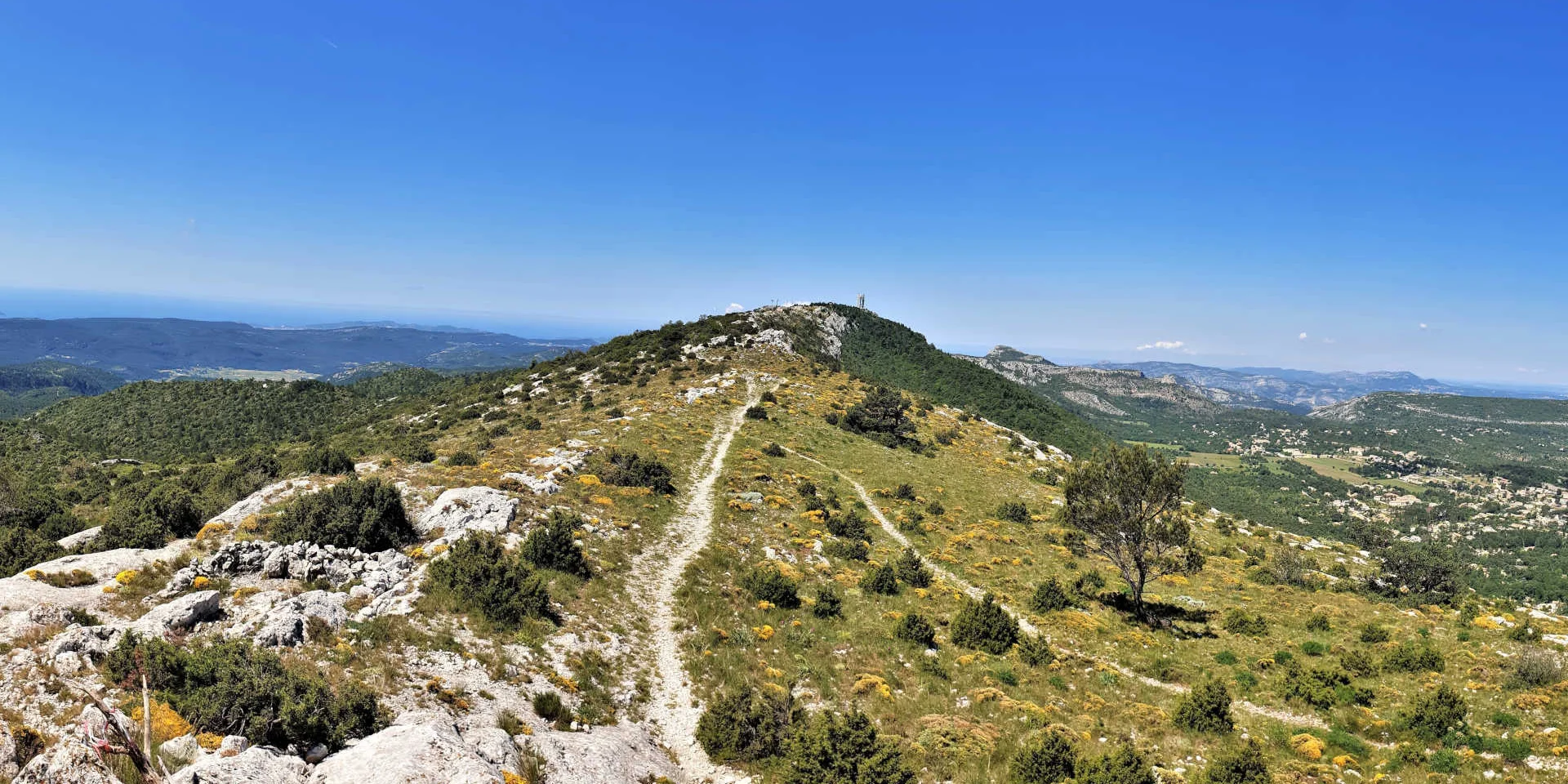
Panoramic view from the Saint-Baume ridgeThe Sainte-Baume massif in the Var
©The Sainte-Baume massif in the Var |Auray J.

The GR®9 from the Jura to the Mediterranean

A great crossing from the mountains to the sea

From the mountains of the Jura to the Mediterranean coast in highly varied landscapes such as the Vercors or the Luberon, the GR®9 unfolds on an itinerary which is unique in France, with unspoilt, contrasted natural areas.

A nature-sized itinerary

The GR®9 links the little town of Saint-Amour, in the Jura, to Port-Grimaud on the banks of the Mediterranean, on around 1,000 kilometres of signposted trails. The itinerary goes through ten departments, from the Jura to the Var, through the Chartreuse, the Vercors and the warm landscapes of Provence. A long-distance itinerary which is also accessible in several sections, a long-distance hiking trail which offers a beautiful diversity of atmospheres: forested mountains, perched villages, wide-open plateaus, the smells of the garrigue and valleys bathed in light. A gentle, immersive progression which evolves with the variations in relief and climate. Spring and autumn are ideal seasons to set off on this adventure with mild temperatures, the light and calm paths.
From the Jura to the Baronnies: from forests to Alpine plateaus

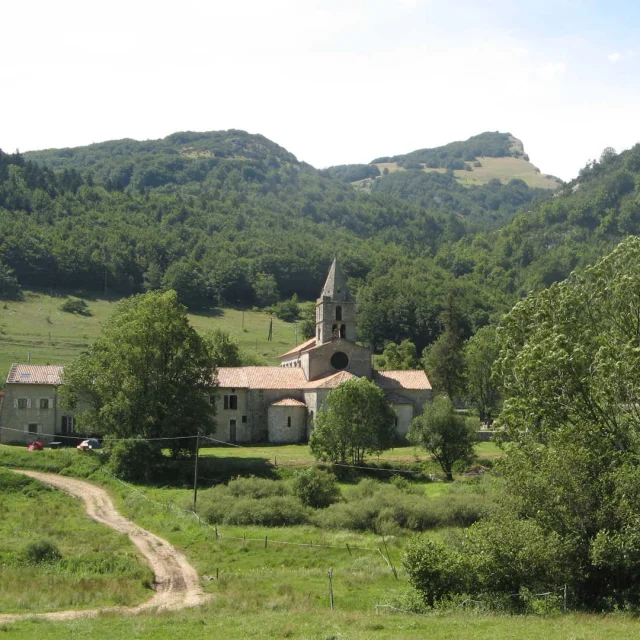
The first part of the GR®9 is a true immersion in nature. Dotted with passes, remote plateaus and valleys, the route goes through still-wild nature and unspoilt ranges. In the Haut-Jura, the trail starts in the heart of the Haut-Jura Natural Regional Park, with the dark waters of glacial lakes, vast forests of conifers, panoramic ridges and typical villages. The adventure continues through the heights of the Chartreuse before reaching the plateaus of the Vercors, a high-altitude territory marked by vertical cliffs, grassy areas, and the silence of wide-open spaces. Further south, the Drôme and the landscapes of the Diois, the bewitching gorges of La Roanne and an important rural heritage made up of perched hamlets, isolated sheepfolds or restored mills. And then you come to the Baronnies Provençales, where the decor gradually changes and begins a more serious transition towards the South: the vegetation becomes more Mediterranean, the smells stronger, with thyme, lavender and holm oaks, and the villages of blond stone such as Buis-les-Baronnies and Nyons herald your entrance into Provence.

From the Vaucluse to the Var: through emblematic Provençal landscapes

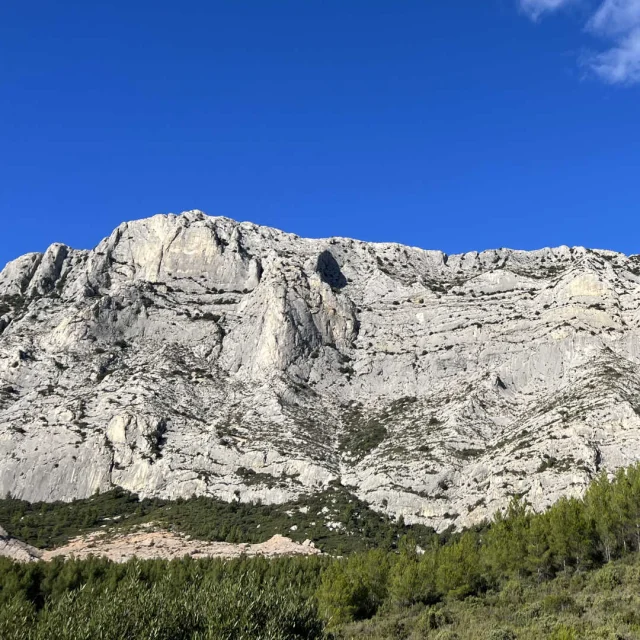
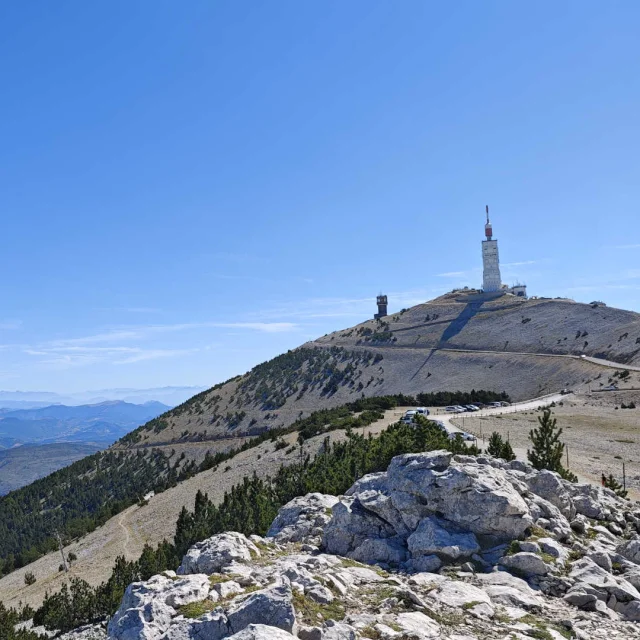
As it takes its first steps in the Sud region, the GR®9 comes face to face with the giant of Provence: the Mont Ventoux dominates this part of the route, with a spectacular 360° view of the Alps to the north and the sea to the south from its lunar-landscape peak. The path then winds through the Pays de Sault and the Luberon Natural Regional Park, through fields of lavender, dry-stone walls and hilltop villages bathed in light. In the distance, the silhouette of the Montagne Sainte-Victoire, so dear to Cézanne and emblematic of the Bouches-du-Rhône, stands out in the landscape. The Sainte-Baume massif is yet another experience with its white cliffs and its almost sacred forest, a haven of cool and serenity. As you enter the Var, the smells are more intense and colours brighter. The forests of cork oak in the Massif des Maures punctuate the last reliefs before you reach the sea, while the paths open little by little onto plunging views of the Mediterranean. Cicadas, umbrella pines, a sparkling light… as the itinerary advances towards the Sud, the atmosphere becomes typically Mediterranean. You’re nearing the finish!

A gentle arrival on the seaside

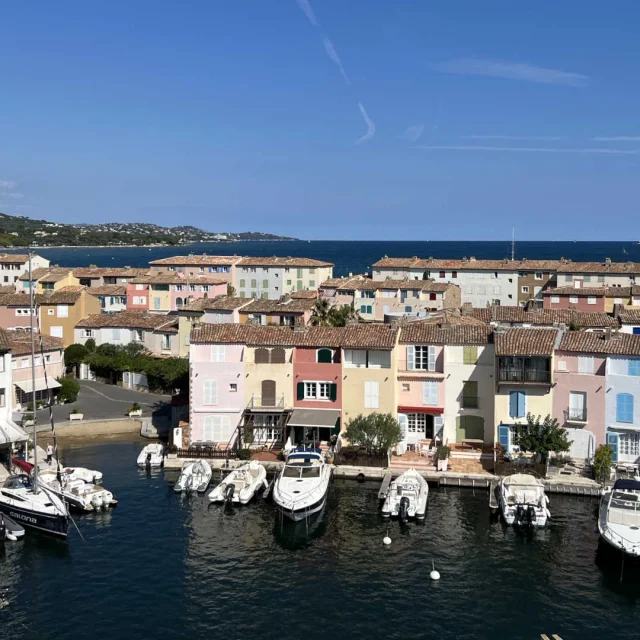
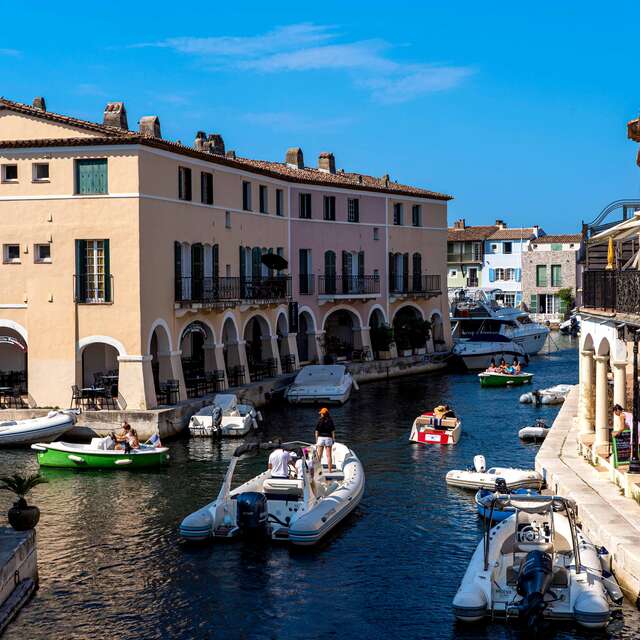
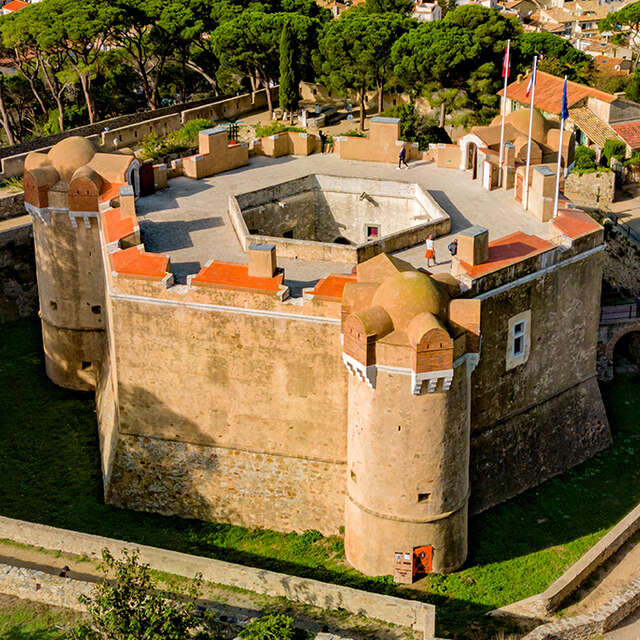
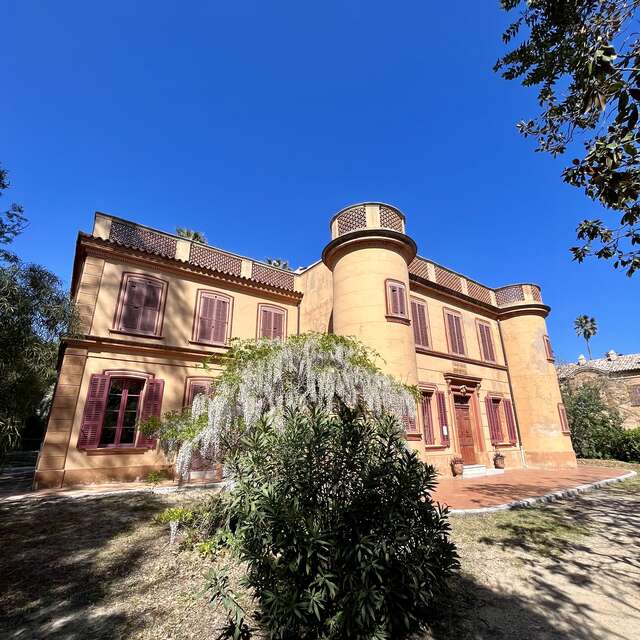
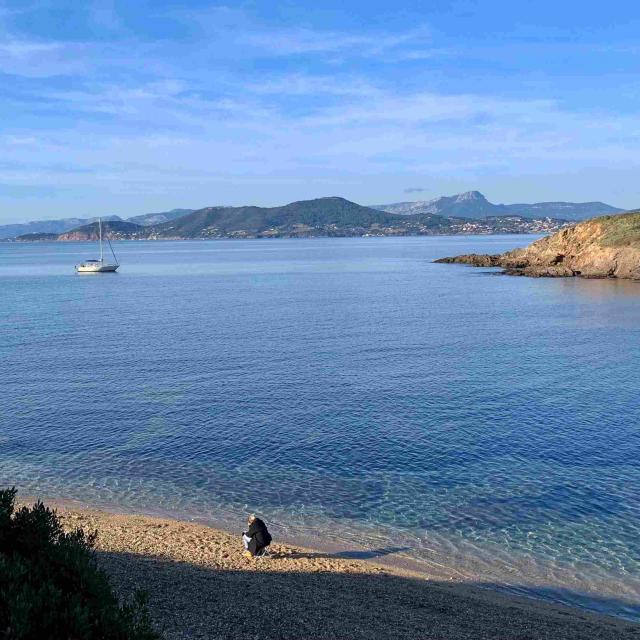
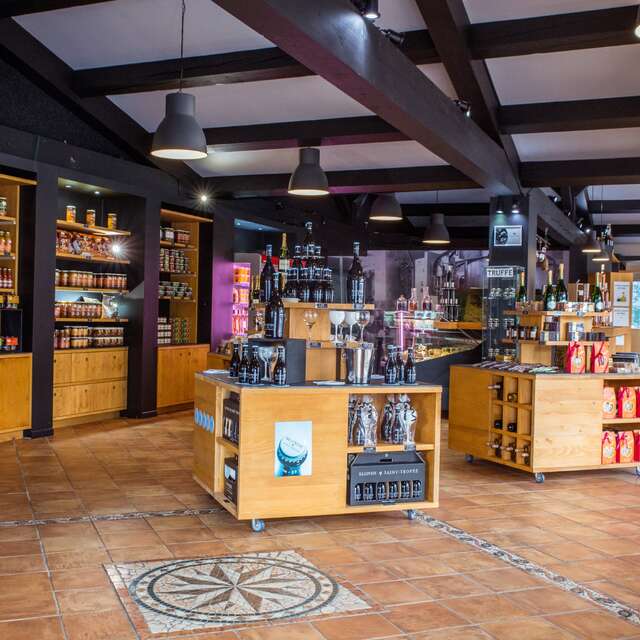
Going from green to blue, the GR®9 ends in a landscape bathed in light, in the Provençal warmth and the turquoise sea. The arrival in Port-Grimaud marks the end of your journey, in a gentle maritime atmosphere. With its little squares and colourful facades, this lakeside village was designed by the architect François Spoerry and is nicknamed the “Venice of Provence”. Nearby, other treasures await curious hikers. L’Atelier Provençal in Cogolin offers a dive into local flavours, with its artisanal cannery where you can discover the secrets of local tapenades, terrines and jams. Further on, the citadel of Saint-Tropez looks down over the sea and is home to a fascinating maritime museum. Take the coastal trail for a last walk almost in the water through pine forests, creeks and beaches. And, last but not least, the Château de la Moutte, a private place steeped in the spirit of the Second Empire, with summer concerts and walks around the gardens. A lovely way to end this great trip through Provençal nature, culture and lifestyle.