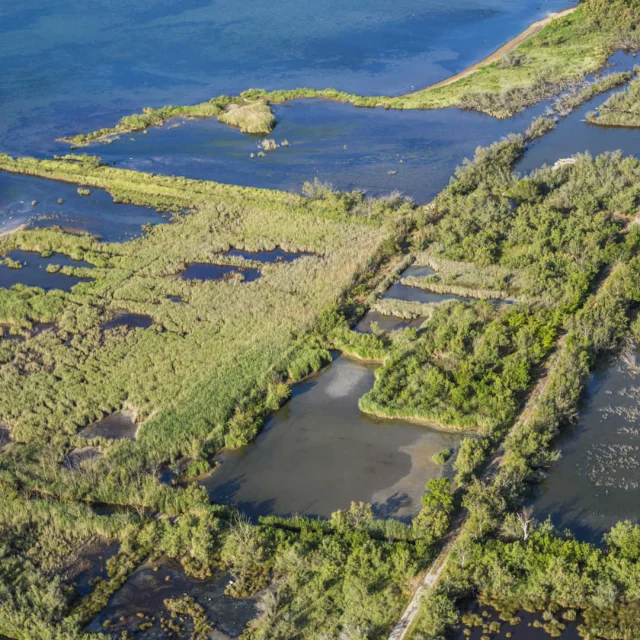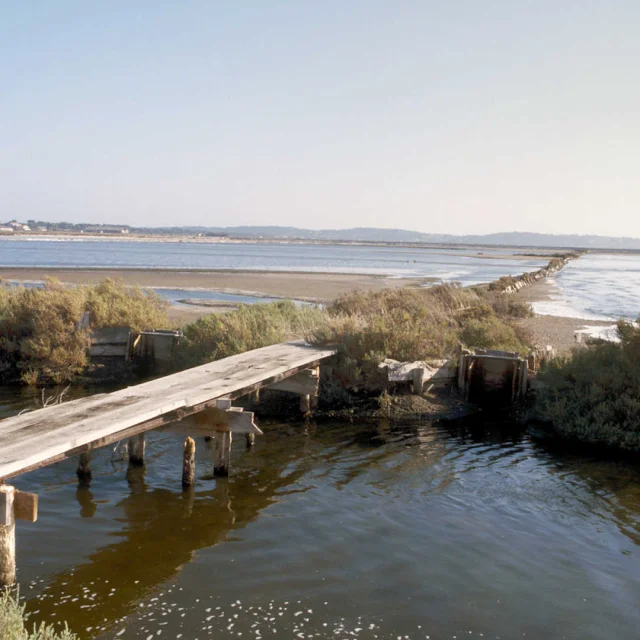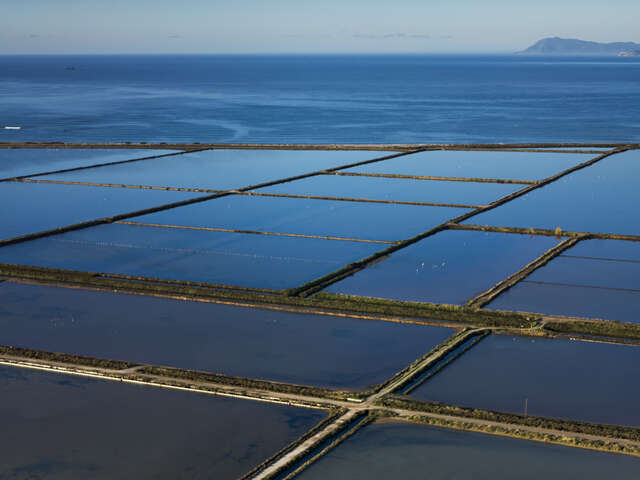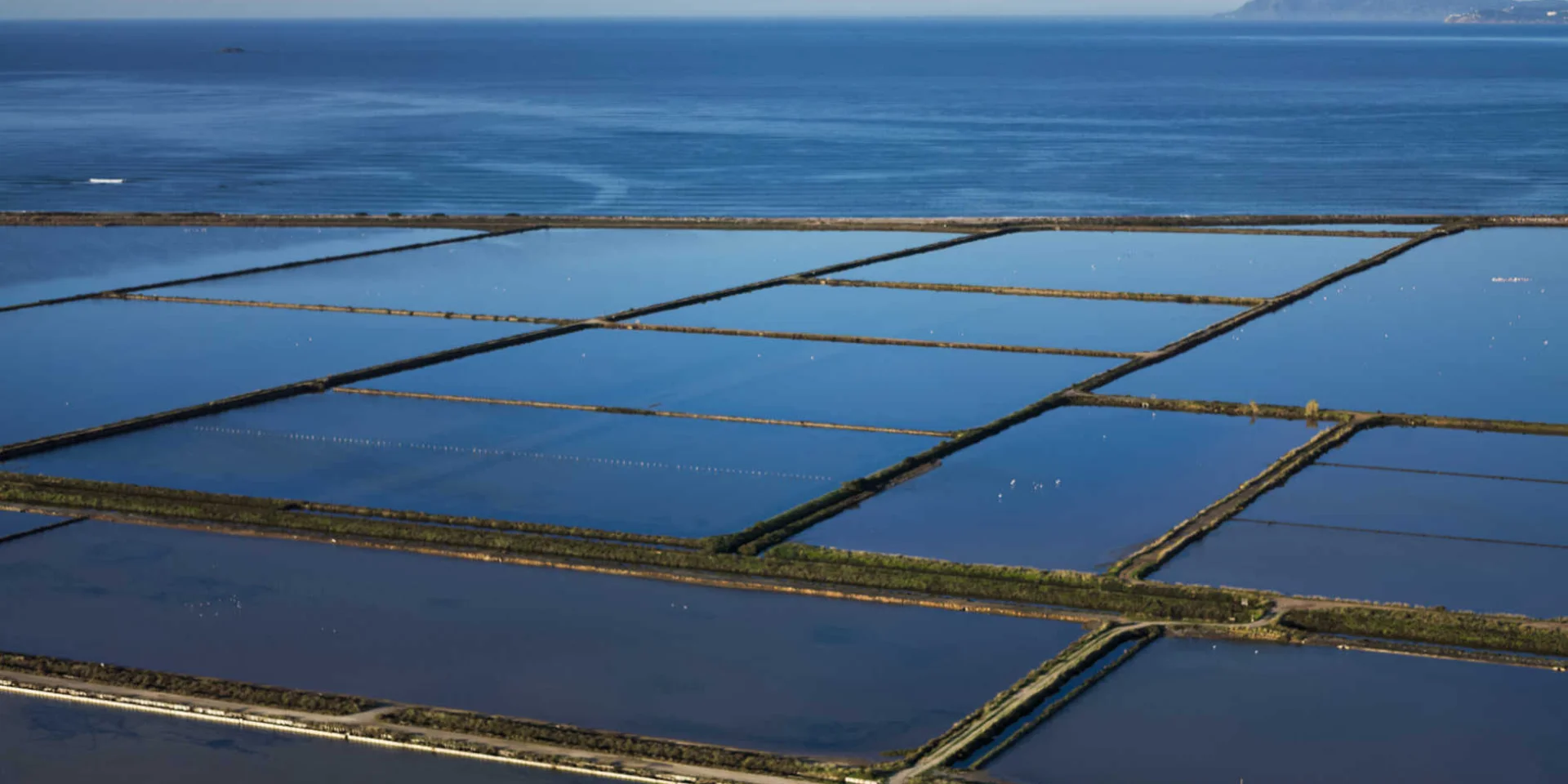
Aerial view of the Salin des PesquiersThe Salin des Pesquiers in Hyères, Var
©The Salin des Pesquiers in Hyères, Var|DR

The most beautiful coastal landscapes

Dreamy landscapes between Provence and the Côte d'Azur

From the wetlands of the Rhône delta, which are true biodiversity breeding grounds, to the Parc du Vinaigrier in Nice, and the wild limestone of the Côte Bleue, the coast of Provence and the Côte d’Azur are illustrated by unique natural sites, absolute sources of wonder. Here are the top grades of the most beautiful coastal sites in the Sud.

In Provence

La Gacholle in Les Saintes-Maries-de-la-Mer

Wide stretches of sansouïres and lagunas

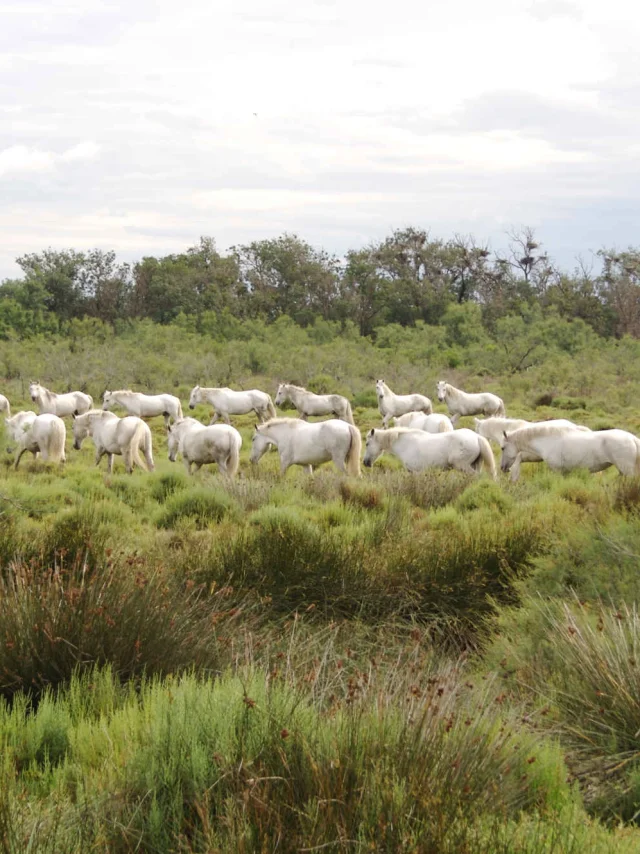
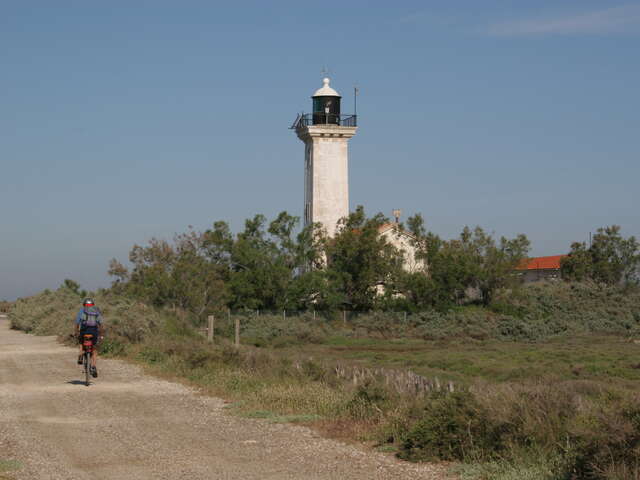
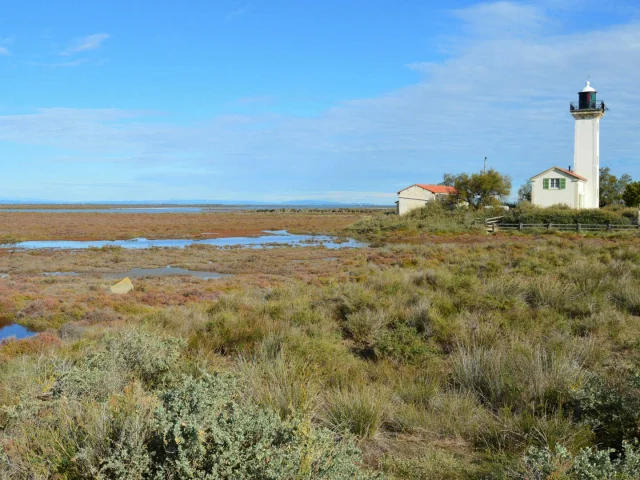
On the sea dyke, erected at the end of the 19th century to protect the delta from the sea’s influence, the La Gacholle lighthouse stands on the edge of the La Dame, Le Tampan and Galabert étangs, in the Camargue National Reserve. All around, you can see the superb stretches of sansouïres and lagoons as far as the eye can see. In this sterile loamy environment, the soil goes continuously from a hyper-salty arid state to a submerged state, creating very difficult specific living conditions that suit very few plants. Among them are samphire, saltwort and sea lavender. All year round, you can observe sea birds and brackish water birds: terns, flamingoes, gulls, herring gulls, ducks or herons.
The Domaine de La Palissade at Salin-de-Giraud

Wild landscapes between the Rhône and the Mediterranean

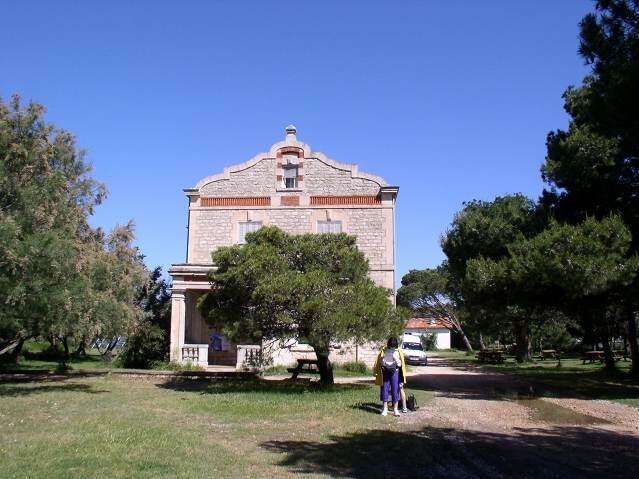
The history of the Camargue is one where the flood waters of the Rhône meet the sea. In the mid-19th century, here, in the place which was later to become Le Domaine de La Palissade, there was only sea. Shaped by man, who erected a series of dams, dykes and palisades, the place gradually took on its current appearance. The site has the particularity of being remote from the structuring developments designed to protect the lands of the Camargue delta from the whims of the river (with the Rhône dyke ) and from the sea (with the sea dyke). It is therefore still subject to the influence of the Rhône flooding or the sea entrances, which makes this an exceptional site, particularly for monitoring the impact of global warming. Located in one of the wildest sectors of the delta, this mosaic of landscapes is home to remarkable wildlife: over 300 plant species, nearly 250 species of birds and around 60 species of fish. The discovery of Le Domaine de La Palissade can be discovered on a walk, a horse ride or even by kayak. The small exhibition in the reception house of the site will give you the keys to understanding the specifics of this extraordinary territory.

Info: February and November: Wednesday to Sunday, 9am to 5pm (closed on 11/11). March to the end of June and October: daily 9am to 5pm (closed 1/05). From July to the end of September: daily 9am-6pm. Closed in December and January.

La Poudrerie Royale in Saint-Chamas

A lush walk through historical heritage and biodiversity

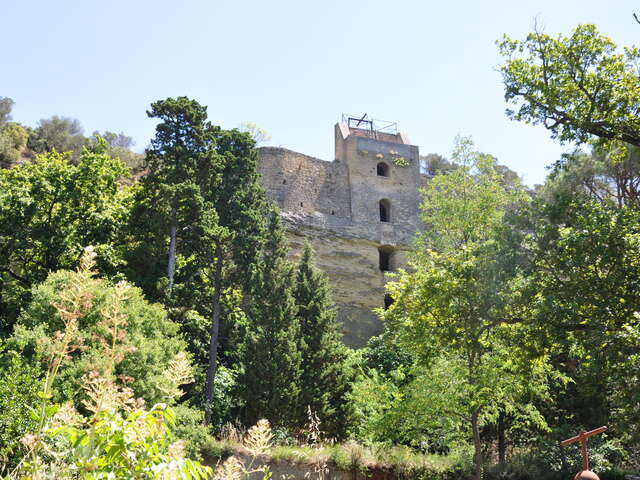
La Poudrerie Royale in Saint-Chamas, (gunpowder factory) is first and foremost a surprising adventure: up until the end of the 18th century, this land to the north of the Etang de Berre was home to a number of wheat and flower mills, fed by the waters of the Touloubre. In 1690, Louis XIV decided to set up an industrial gunpowder factory there. Later, other explosives were also produced there. Its military vocation was abandoned in the 1970s, following a decision by the Ministry of Defence. Unoccupied for around thirty years before being bought up by the Conservatoire du littoral, the site was then spontaneously re-colonised by various natural environments. Sansouïres, reedbeds, wet forest and dry environment now concentrate remarkable biodiversity: 130 species of birds, and also bats, tritons, European pond turtles and frogs. The walk also allows you to discover many legacies from different periods: remains of industrial and military activity with many buildings and facilities re-colonised by vegetation, a Romanesque chapel and even more surprisingly, a tower cut from the cliff.

The Côte Bleue TER train line

An escapade by train past creeks, beaches and little fishing harbours

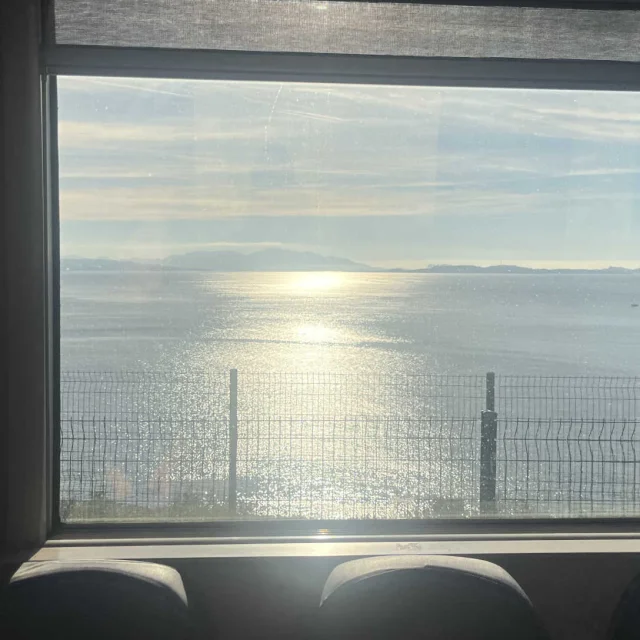
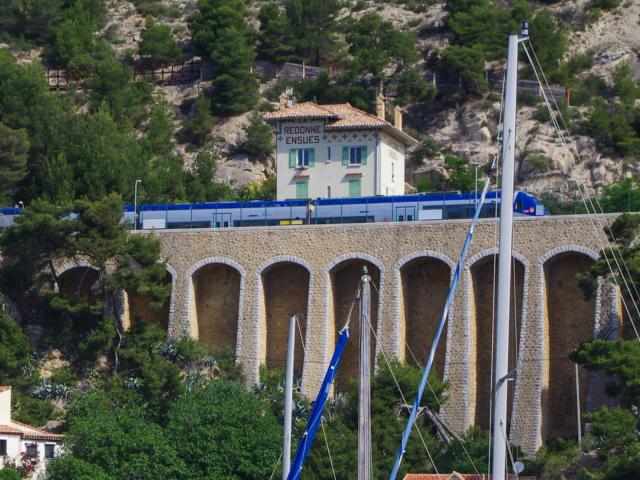
Climb aboard the Train de la Côte Bleue (ligne 7B) for Miramas at Gare de Marseille Saint-Charles station. The landscapes unfolding before your eyes are proof that you don’t need to go to the other end of the world for a complete change of scenery. From the L’Estaque Marseille harbour to Carry-le-Rouet, where the La Nerthe massif plunges into the Mediterranean, the setting unveils a series of wild, limestone creeks. Nestled in the calanques, the little harbours of Niolon and Ensuès-la-Redonne, which are easy to reach on foot, seem not to have been marked by the passage of time and have kept their authentic character. From Sausset-les-Pins to Martigues, the landscapes are less steep and give way to vast fine sandy beaches. On land and at sea, this exceptional coast is doubly protected: on the land side, from the Conservatoire du Littoral, which owns over 4,300 hectares purchased in the early 1980s. On the sea side, in the Parc Marin de la Côte Bleue, which was created in 1983. The trip takes one hour. It leaves a lasting memory: the Côte Bleue TER train line is absolutely one of the most beautiful train lines.

The Sentier du littoral de La Lèque et Fabrégas in La Seyne sur-Mer

From undergrowth to garrigue and the Mediterranean

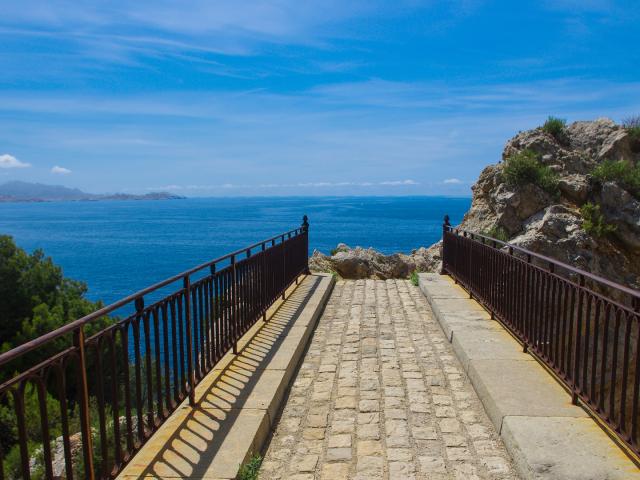
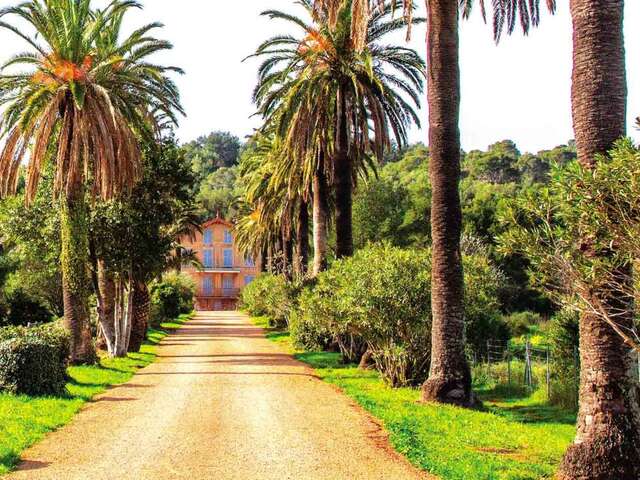
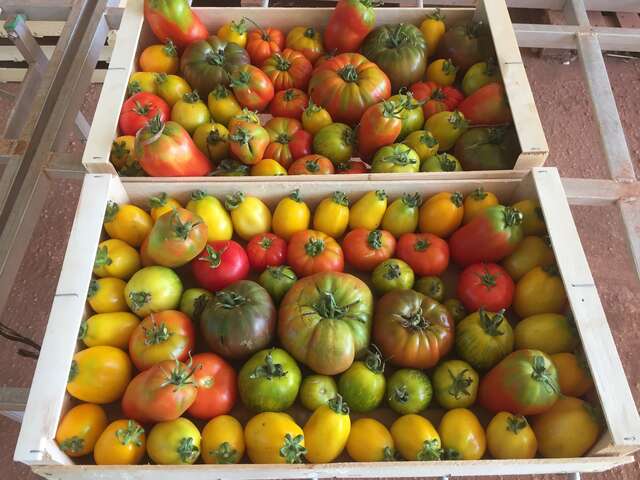
With its plunging view of the sea, this magnificent 10-km walk is ideal for total disconnection. The itinerary winds through a forest full of character and rich vegetation: Umbrella pines, Aleppo pines, cork oaks and holm oaks. Then you have the garrigue specific to Cap Sicié, with its strawberry trees (arbutus) and aromatic plants. When you reach L’Anse de Fabrégas, you can see the colourful « pointus » boats on launching rails fastened to the rock just below the path. You will arrive at the Domaine de Fabrégas in La Seyne-sur-Mer, a vast agricultural estate steeped in history, where woods and gardens unfold around a former bourgeois residence. The organic vegetables grown on the spot are offered for direct sale.

Le Salin des Pesquiers and Les Vieux Salins in Hyères

Where the history of fishing and salt come together

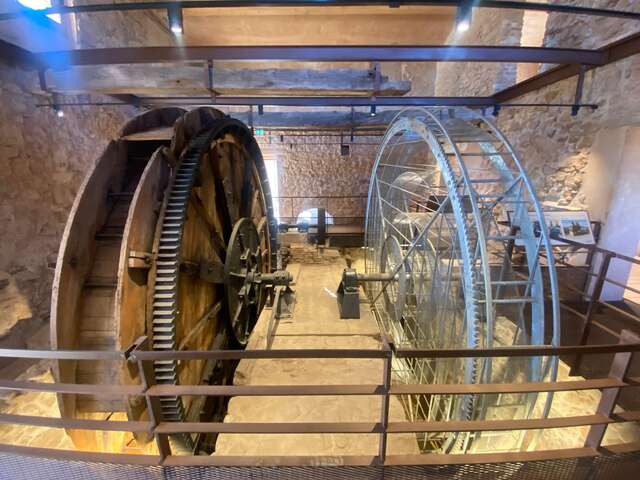
In the middle of the sandy double arrow of the Giens peninsula, the Salin des Pesquiers has witnessed two flagship activities in Provence: fishing and salt production. The first took place for centuries up until 1848. The fishermen then transformed the former lagoon to set up an industrial-size salt bed. Among the developments linked to salt farming which have been kept alive, there is an exceptional spandrel (a big hydraulic wheel for raising the water in the production sands), which was recently restored. The Salin des Pesquiers forms a juxtaposition of bodies of water which make up a wide variety of habitats, all home to a remarkable biodiversity.

At Les Vieux Salins, which line the beaches of Hyères for 3 km, salt was also produced, but in smaller quantities. This other wet area, creating an intermingling of ponds, hosts an exceptional biotope that the Espace nature helps you to discover with its guided tours and exhibitions.

On the Côte d'Azur

The La Pointe de l’Aiguille underwater trail in Théoule-sur-Mer

An aquatic walk to discover the shallow rocky sea bed

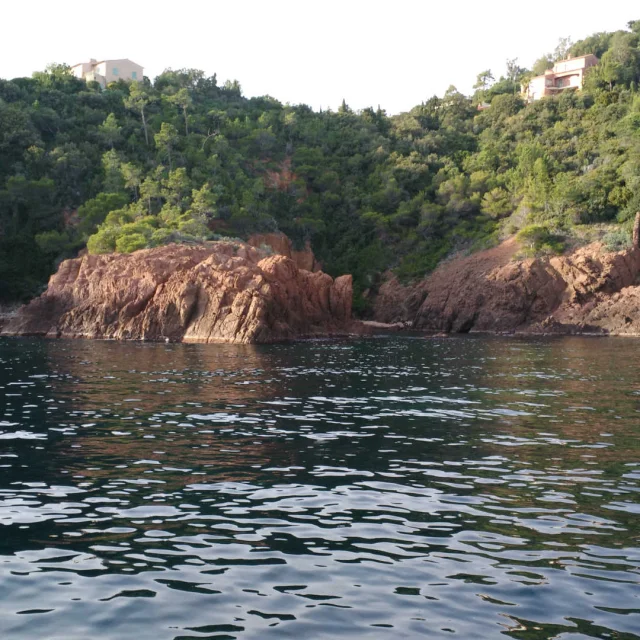
To the east of the Massif de l’Estérel, which stands out with its red rock and steep cliffs, the coastal area is protected by the Parc Maritime Départemental Estérel Théoule. Accessible to all with flippers, goggles and a snorkel, the underwater trail of La Pointe de l’Aiguille, designed in three stages, helps you to easily discover a very rich biodiversity. You will see different species of fish, including seabream, saddled seabream and red mullet. And also meadows of Posidonia, flowering sea plants which are a source of food and shelter, a spawning ground and a nursery for many plant and animal species. And bright coloured coralligenous communities. Just next door, you’ll see the beach of la Pointe de l’Aiguille, lined with creeks, another coastal wonder of the Departmental Maritime Park to discover.

Le Parc du Paradou in Vallauris

A precious forest beside the sea

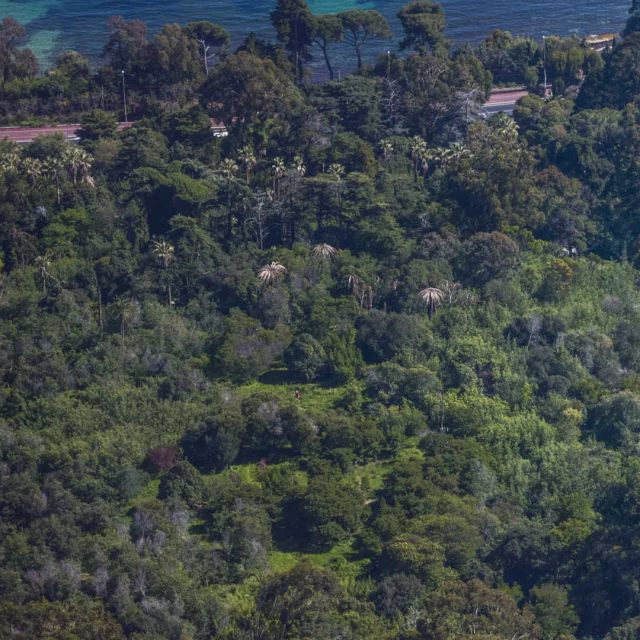
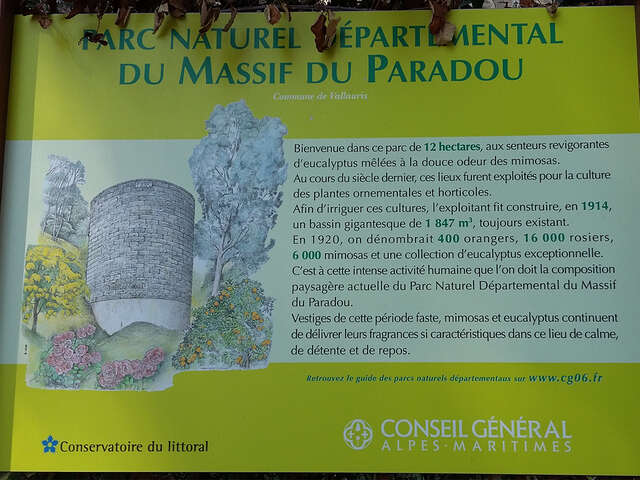
A lush green setting with a wide-open view of the Mediterranean, the Paradou Natural Departmental Park, on the heights of Vallauris, is a rare protected area: one of the last forest areas between Mandelieu-la-Napoule and Antibes. A varied plant life thrives here: Mediterranean maquis and forest of holm and cork oaks, even if it is dominated by eucalyptus, mimosa and other plant species from a former horticultural activity. Imposing exotic trees punctuate the old garden and surroundings of the ruined château. From the animal point of view, foxes, badgers, bats and squirrels have taken up residence in the undergrowth. The common wall gecko and lizards have taken over the rocky areas. The Paradou Natural Departmental Park also numbers many species of birds: chaffinches, nightingales, green woodpeckers and herons. And to cap it all, it offers beautiful viewpoints of the Cap d’Antibes and the Lérins Islands.

Le Parc du Vinaigrier in Nice

An oasis on the edge of the town

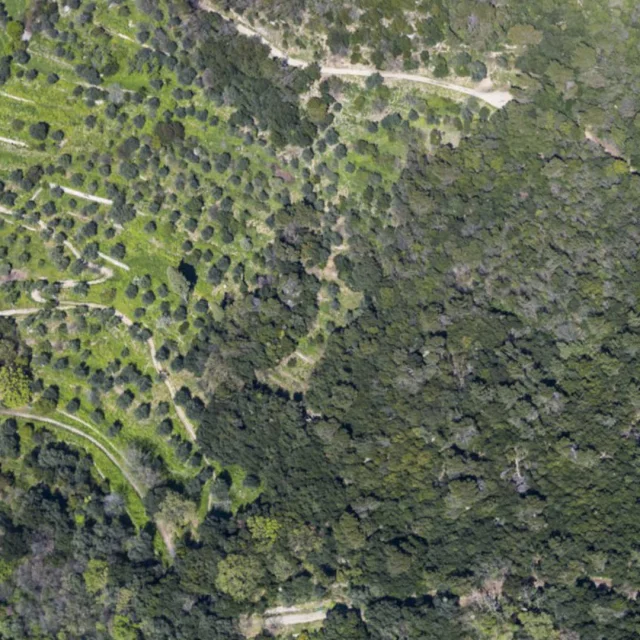
In the words of the Nicois writer Louis Nucéra, these places embody  « La Beauté qui se voulait éternelle ». To the east of Nice, Mont Vinaigrier, a limestone plateau at an altitude of 370 metres, watches over the town and its Departmental Park. Its unvoidable charm is partly due to its historic character: you can discover the remains of a cyclopean wall, which shows that a small Ligurian community practising pastoral and farm activities once lived there. Restanques – which are for growing olive trees – rub shoulders with an Italo-Provençal style farm. There is a wide variety of animal life: hedgehogs, squirrels, foxes and around 60 species of birds. The same goes for the plant life, made up of Aleppo pines, holm oak and forests of flowering ash trees. The showstopper is the panoramic view of the Baie des Anges and the Bay of Villefranche-sur-Mer, which you will never tire of.

The selection