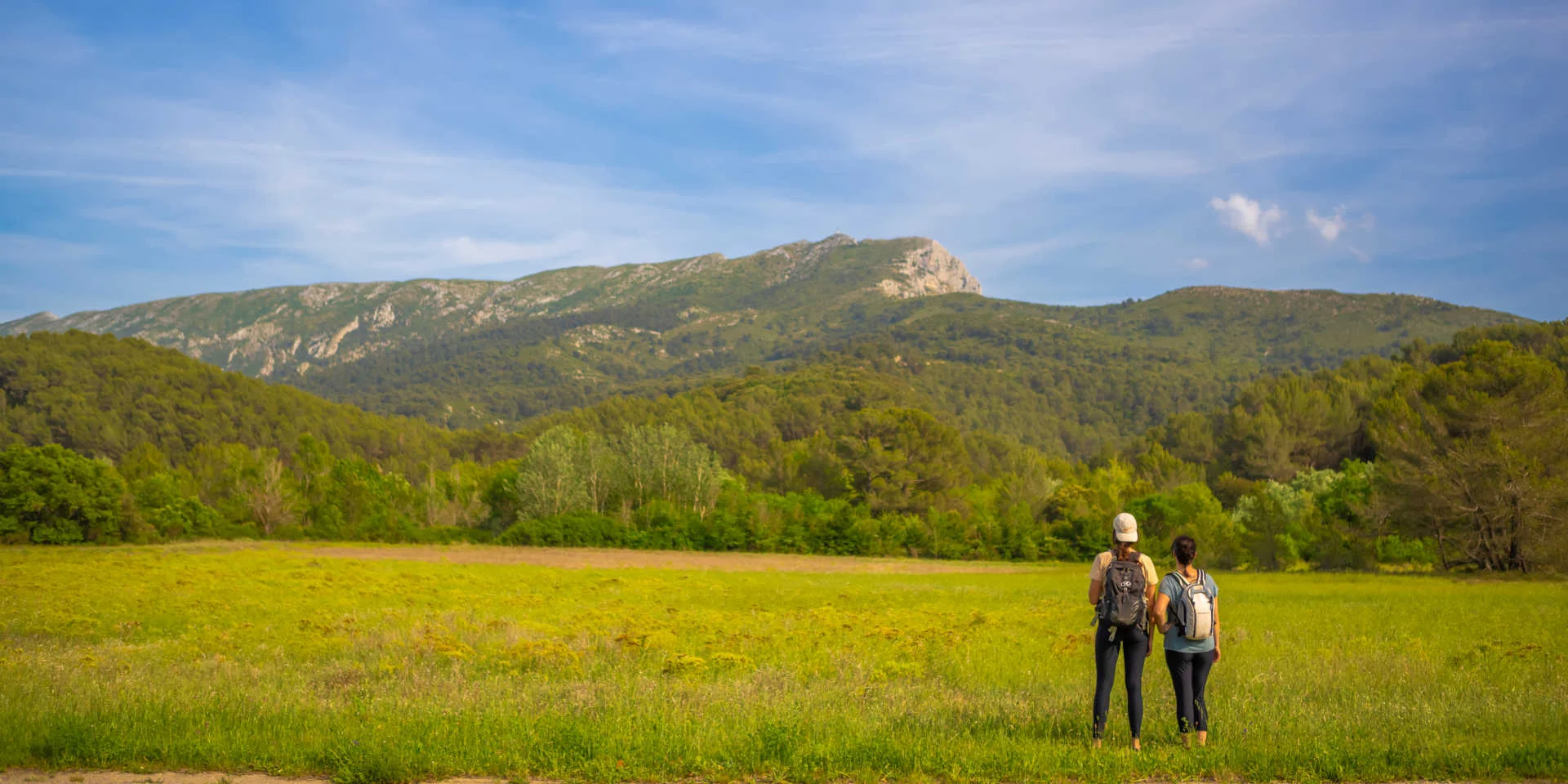
Two hikers admire the Sainte-Victoire massif from the backHiking in the Sainte-Victoire massif in Bouches-du-Rhône
©Hiking in the Sainte-Victoire massif in Bouches-du-Rhône |Luparini.C

The Voie Aurélienne

From Menton to Arles, sea, history and spirituality

Between the Mediterranean and the Provençal back-country, the Voie Aurélienne is an invitation to a trip through the centuries. Discover an age-old itinerary for a slow-paced hike in an ever-changing setting.

An ancient way reinvented for hiking

The Voie Aurelienne spans a 350-km route from Menton to Arles, and goes through the Alpes-Maritimes, the Var and the Bouches-du-Rhône. Also known as the GR®653A, it follows the ancient Via Aurélia, a Roman way built from the 3rd century BC to link Rome and Arles, and is part of the Saint-Jacques-de-Compostelle Way. The Voie Aurélienne is an itinerary to do at your own rhythm, where you can choose sections of just a few days. Between a long-distance hiking trail and a spiritual path, the GR blends landscapes, heritage and introspection and offers an ideal route to reconnect with nature and yourself. What’s the best time to do it? Spring or autumn for wonderful light and mild temperatures.
Going through contrasting and emblematic landscapes

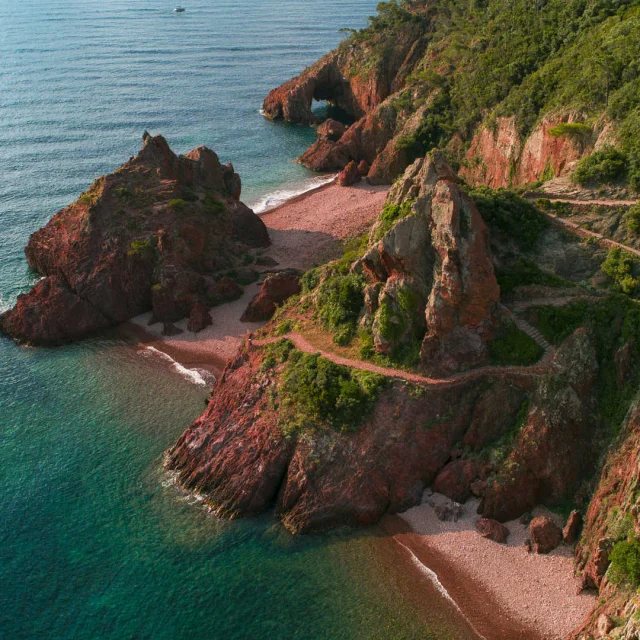
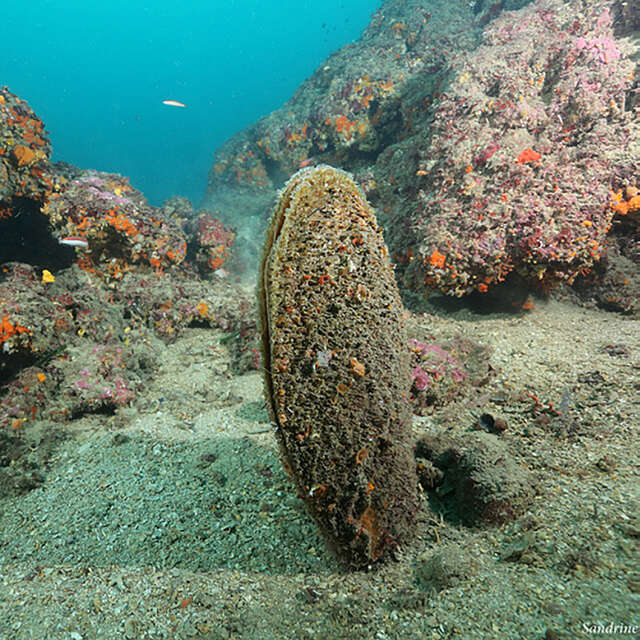
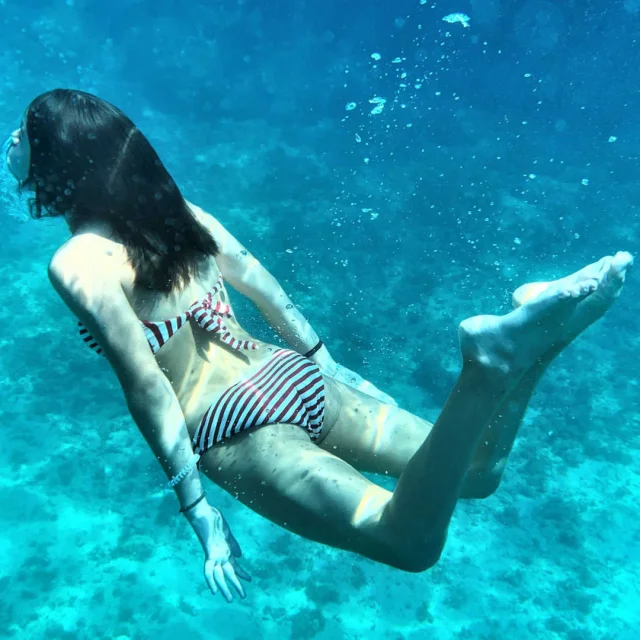
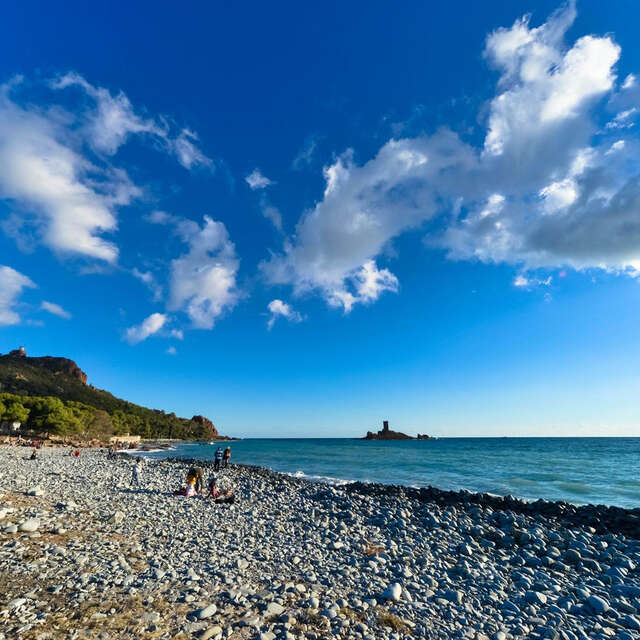
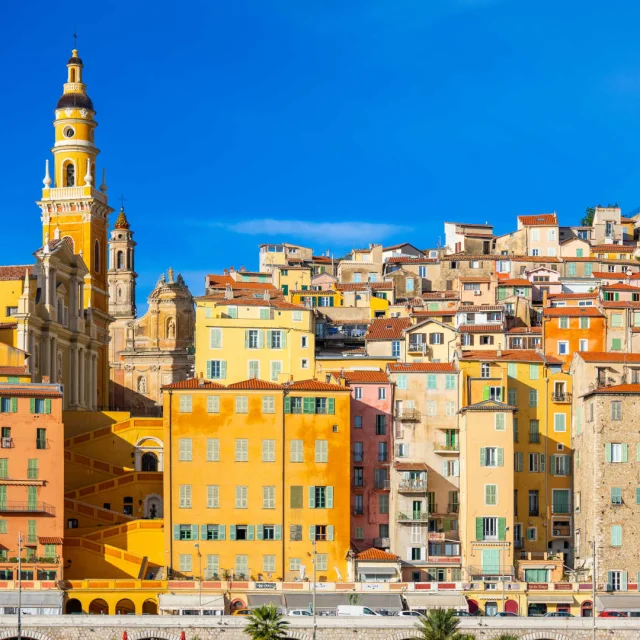
The route starts gently from the sunny streets of Menton between sea horizons and terraced gardens, before rising higher towards the hills of the Var filled with olive trees and pine forests. Before you leave the Alpes-Maritimes, the GR®653A goes alongside the Estérel-Théoule Departmental Maritime Park past the Pointe de l’Aiguille and an exceptional underwater trail. tI then rises to the heights of the Var hinterland and the Estérel, going deep into Provence Verte and its vineyards, and offers superb viewpoints and panoramas open onto the valleys. After passing to the north of the Sainte-Baume Natural Regional Park, the Voie Aurélienne enters the Bouches-du-Rhône via the vineyards of Puyloubier, and there you have one of Cézanne’s favourite settings: the Montagne Sainte-Victoire and its limestone rocks emerging from the Provençal vegetation. Next, the itinerary goes through Aix-en-Provence, Eguilles and even Salon-de-Provence and along the south face of the Alpilles range. As it approaches Arles, the decor changes and offers a soothing end to your hike in the middle of wide open spaces.

An itinerary to meet up with History

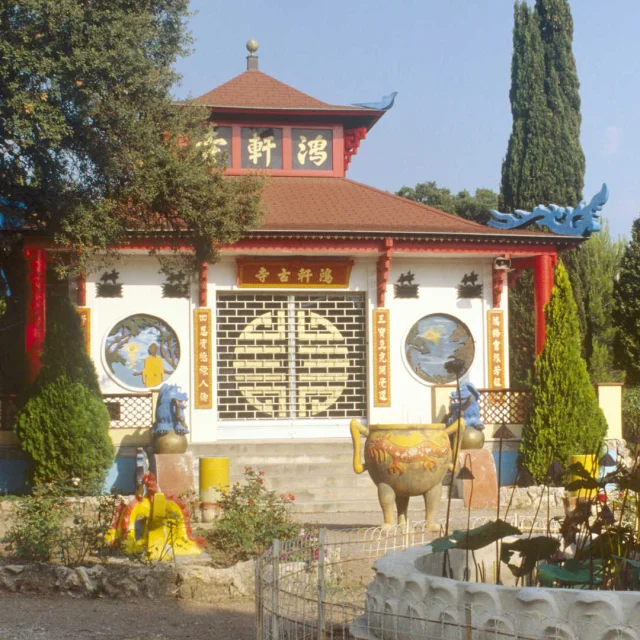
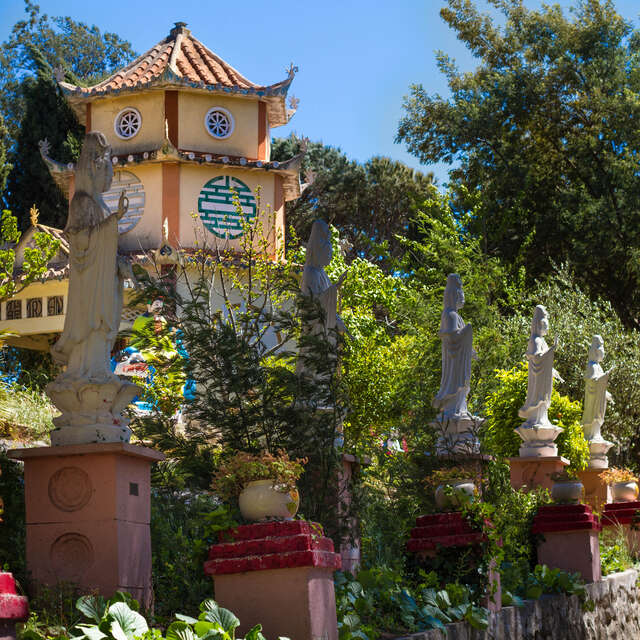
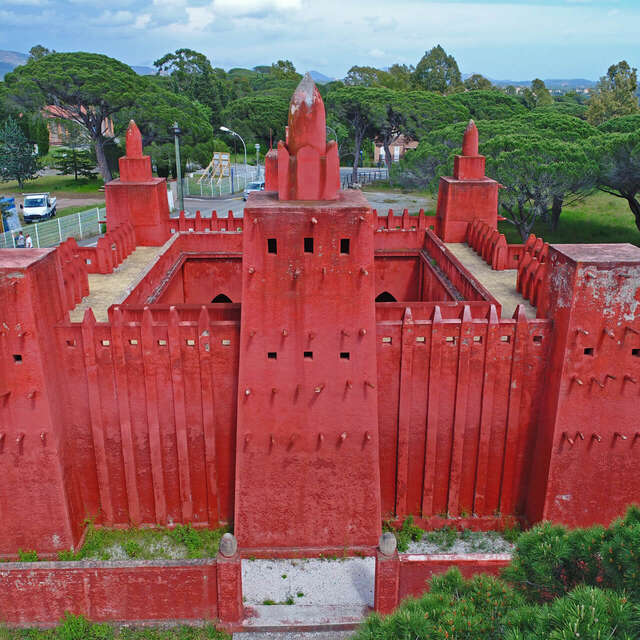
The Voie Aurélienne is dotted with traces of the past. In the towns it goes through, the ancient remains rub shoulders with souvenirs from the Middle Ages: paved roads, Roman bridges and milestones are dotted along the path, particularly in Fréjus, Aix-en-Provence and Arles. Talking of the past, there are also places of remembrance. In Saint-Raphaël, the necropolis of Boulouris, the commemorative monument and the Dramont beach remind us of the Landing in Provence in 1944. In Fréjus, you’ll discover a little-known heritage, inherited from the colonies and conflicts of the 20th century: the Memorial to the Wars of Indochina, the Hông-Hiên Buddhist pagoda and the Missiri mosque. Built by Indochinese riflemen in 1917 on the lines of traditional Vietnamese architecture, the Hông-Hiên pagoda allowed the colonial soldiers in Fréjus to have access to a place of worship they could recognise. It can be visited on your own or on a guided tour, and it even offers meditation sessions. In the same spirit, the Missiri Mosque, a red-ochre replica of the Djenné Mosque in Mali, was built in 1930 to recreate a familiar cultural setting for West African soldiers, even though it was never designed to be a place of worship. Renovated in 2025, it is a listed as a Historical Monument and can only be visited outside.

Unique architectural sites

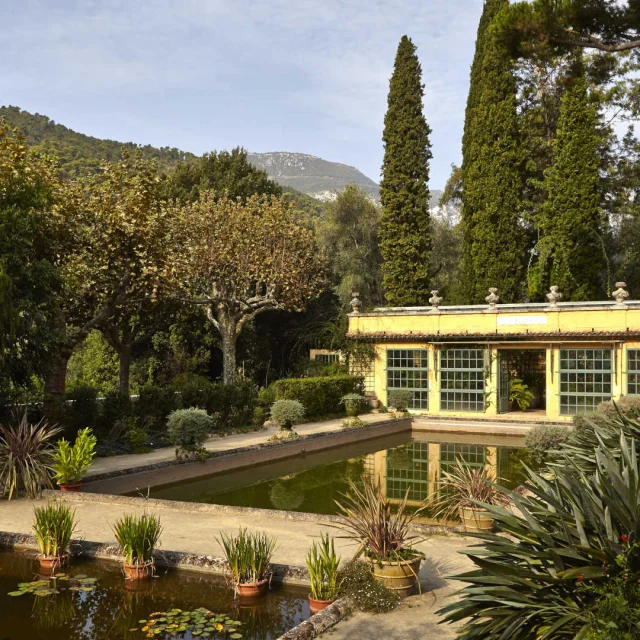
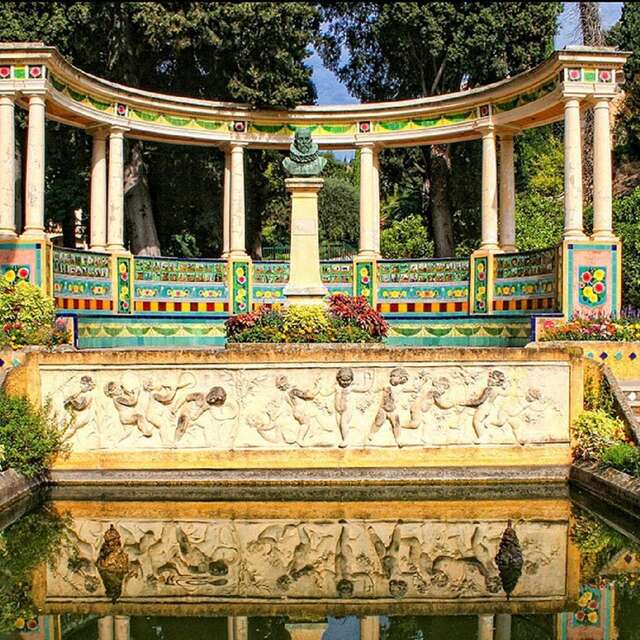
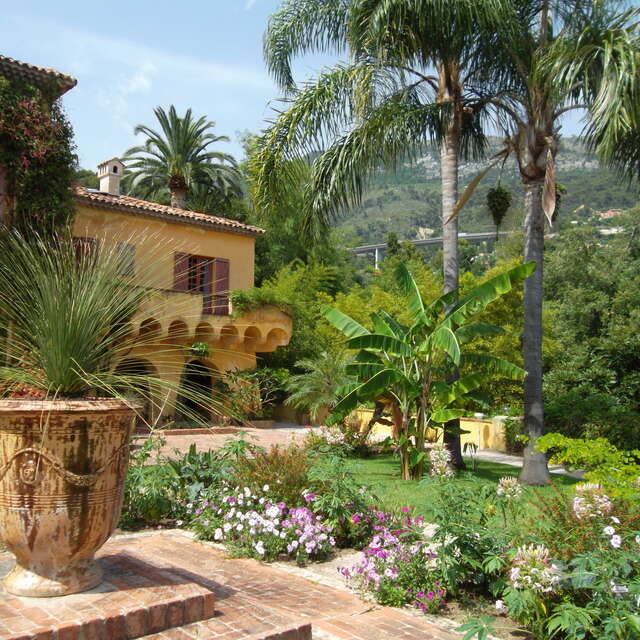
The Voie Aurélienne is also a route which takes you through fascinating architectural works. In Menton, gardens are showcased, and first and foremost the gardens of the Palais Carnolès which are home to one of the largest collections of citrus fruit in Europe. The palace, commissioned in the 18th century by the Prince of Monaco, was originally a summer residence which combined lifestyle and a farm, before becoming a Musée des Beaux-Arts in 1977. A stone’s throw away, you can see the Val Rahmeh botanical garden, which was created in 1875 and houses 1700 species of exotic plants. The Jardin Fontana Rosa is also a must in Menton and bears witness to the literary passion of Vicente Blasco Ibanez: mosaics, pergolas, ponds and busts dedicated to his favourite authors such as Cervantès, Balzac and Hugo. Not far from there, the Jardin Serre de la Madone, created by the botanist Lawrence Johnston, is a true showcase for rare and exotic plants and is listed as a Historical Monument.

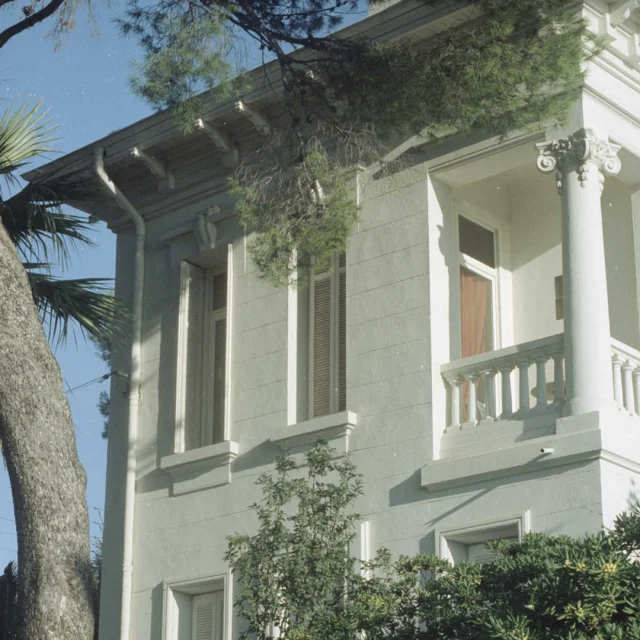
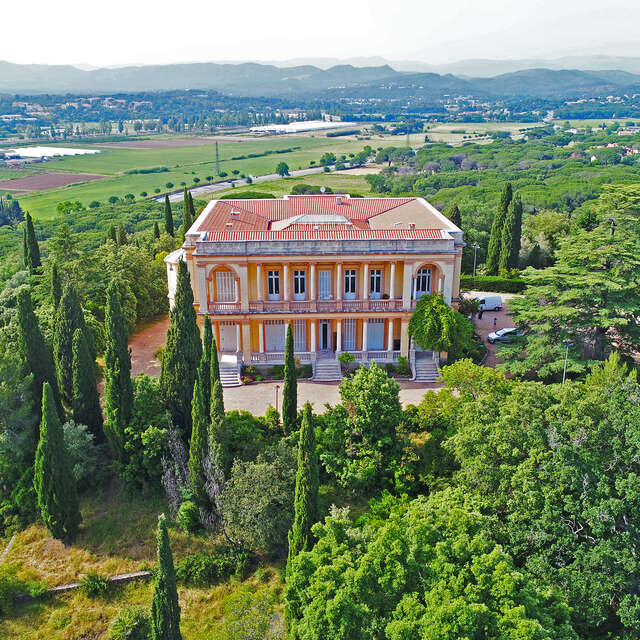
In Fréjus, the Belle Époque villas remind us of the seaside pomp of the early 20th century: the Villa Aurélienne, perched in the heart of a vast garden filled with Mediterranean-type plants, and also the Villa Marie, a former resort villa which is now home to a Municipal library. In Saint-Raphaël, the Villas Belle Époque du quartier Notre-Dame itinerary is an invitation to discover these superb houses. In a completely different style, the Maison Bernard in Théoule-sur-Mer stands out with its air of a strange concrete ship with organic shapes. Nicknamed “maison bulle” and built by the Hungarian architect Antti Lovag in the 1970s, it illustrates anothe free and inventive facet of Mediterranean architecture.

A rich spiritual heritage

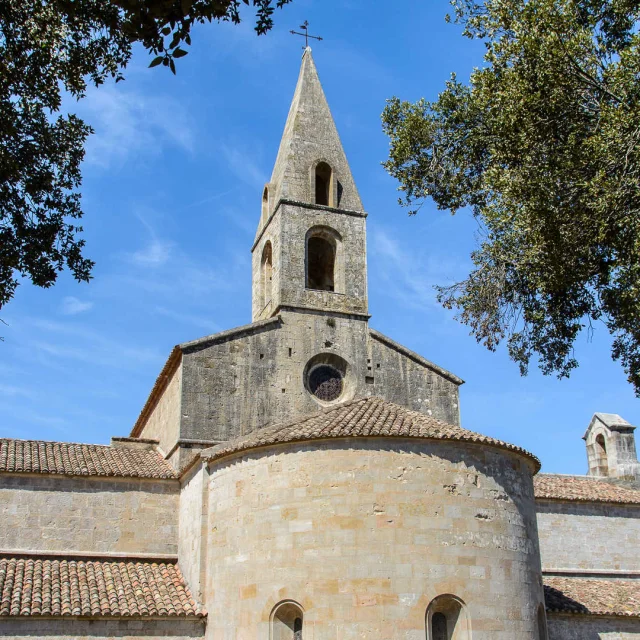
Follow the GR®653A, and you’ll be walking in the footsteps of the pilgrims of the Way of Saint James of Compostella. There are many accommodations, gites and guestrooms along the route, offering a warm welcome adapted to walkers. The Jacquaire’s symbols, the sculpted or painted shells, will discreetly guide you. The beauty or special atmosphere of some of the religious buildings is stunning. L’Abbaye du Thoronet, a Cistercian gem nestled in the Var hills, the Basilique Sainte-Marie-Madeleine in Saint-Maximin, l’Abbaye de Montmajour, near Arles, and the little rural chapels you come across on your way dot the route with stops for contemplation and play a large part in the spiritual dimensions of this itinerary.