Marseille and Aix-en-Provence
Le Cannet
Vallauris, Antibes and Biot
Cagnes-sur-Mer, Vence and Saint-Paul-de-Vence
Nice
Villefranche-sur-Mer and Menton
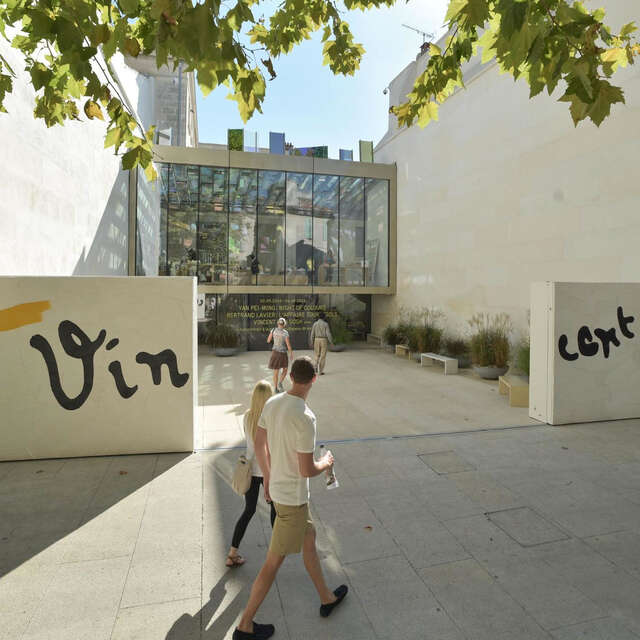
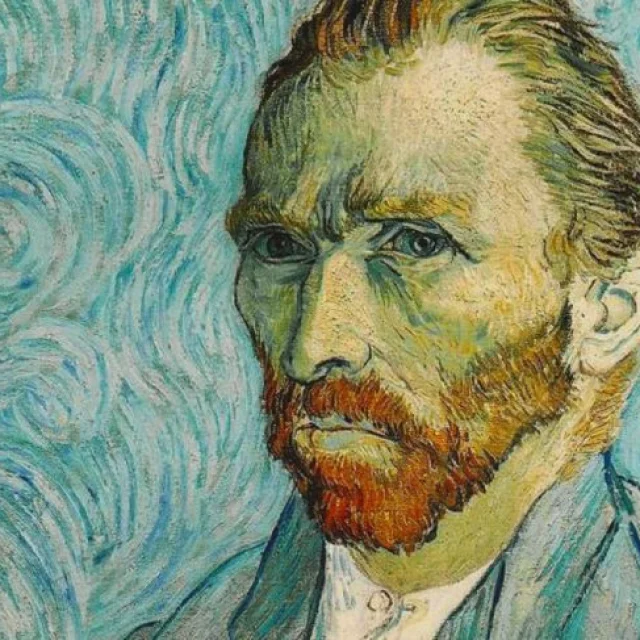
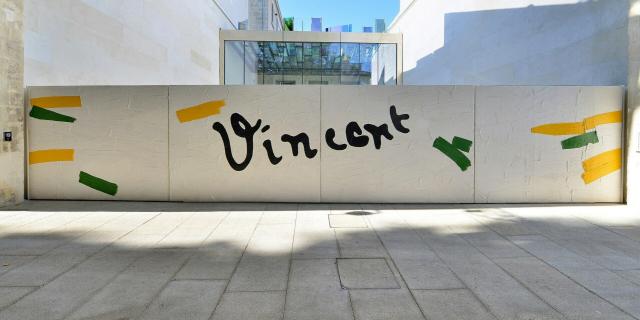
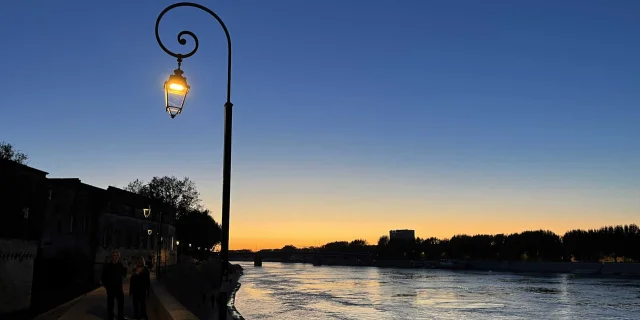
Chapelle des pénitents blancs à VencePut your easel down in Arles ! It was in this ancient city on the banks of the Rhône that Van Gogh (1853-1890) spent 16 months, from 1888 to 1889. Influenced by the impressionist and pointillism movements, the master executed around 300 drawings and paintings there, including major works such as Nuit étoilée. Visit the Fondation Vincent Van Gogh in Arles, which explores the impact of his work in current creations. Take the Van Gogh circuit, a signposted itinerary of the places where he painted: la Place du Forum, the Trinquetaille bridge or Rue Mireille. Another possibility: the pedestrian Van Gogh circuit, which links the different places in Arles where the painter found inspiration and nourished his vibrant and colourful universe.
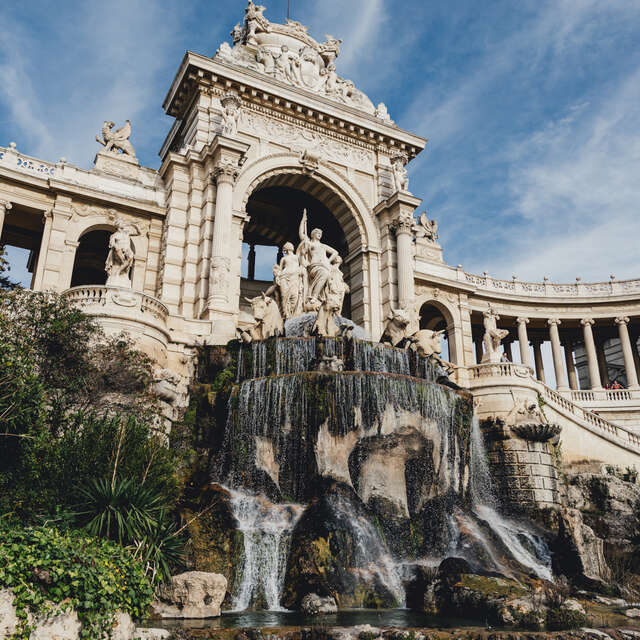
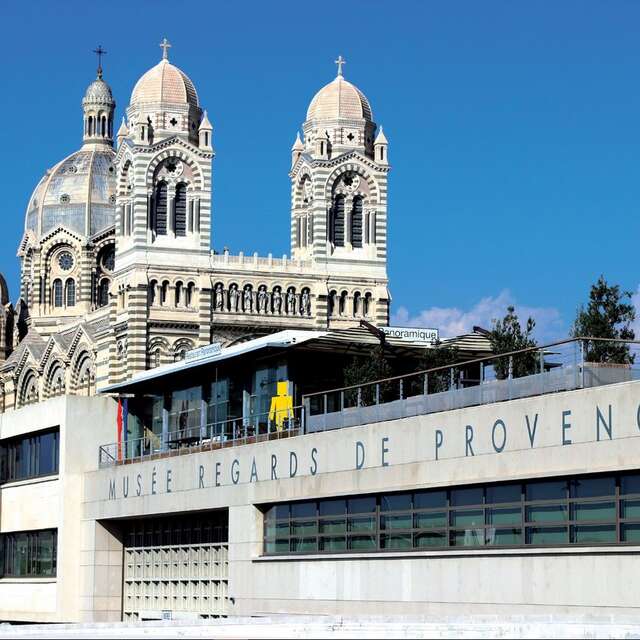
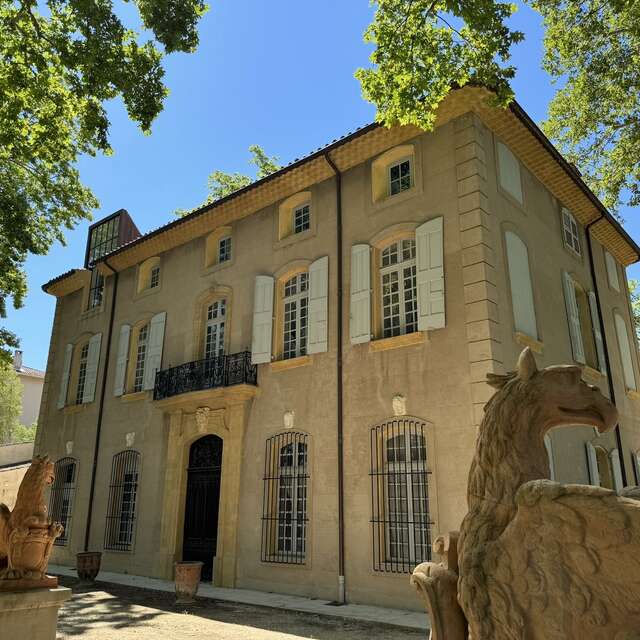
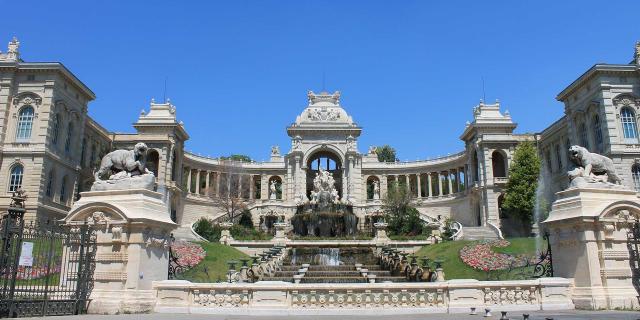
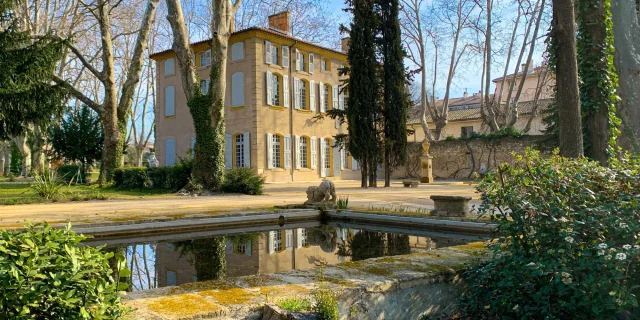
Nicknamed « Le Michel-Ange de la France », Pierre Puget (1620-1694), painter, sculptor, draughtsman and architect, was one of the main representatives of the classical spirit os the Grand Siècle. To see his works, head for the Musée des Beaux-Arts in Marseille. Located in the left wing of the Palais Longchamp, it also hosts works by Courbet, Rubens and David. A visit to the Musée Regards de Provence will allow you to discover a rich collection of paintings linked to Provence and the Mediterranean, from the 18th century to the present day. They include works by Adolphe Monticelli, André Lhote and Émile Othon Friesz of the Marseille school. Impossible to follow the Route des Peintres without stopping off in the town of Cézanne (1839-1906): Aix-en-Provence. Go straight to the recently restored Bastide du Jas de Bouffan, the artist’s family home, where hand-painted decor by the master was discovered in June 2025.
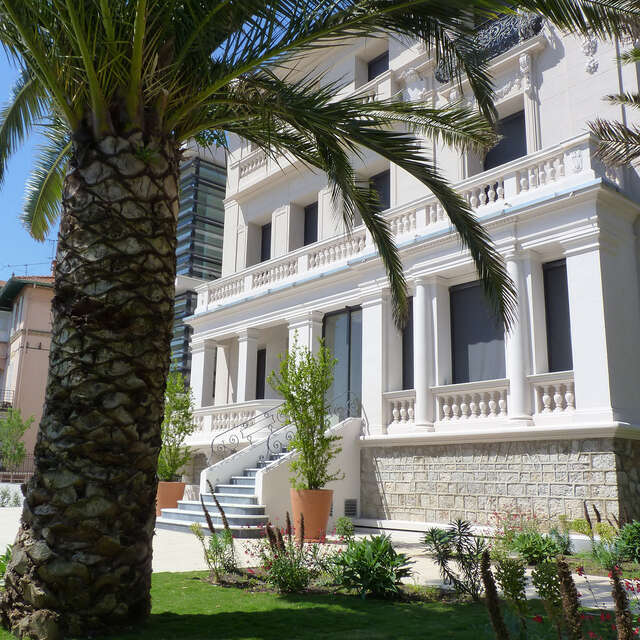
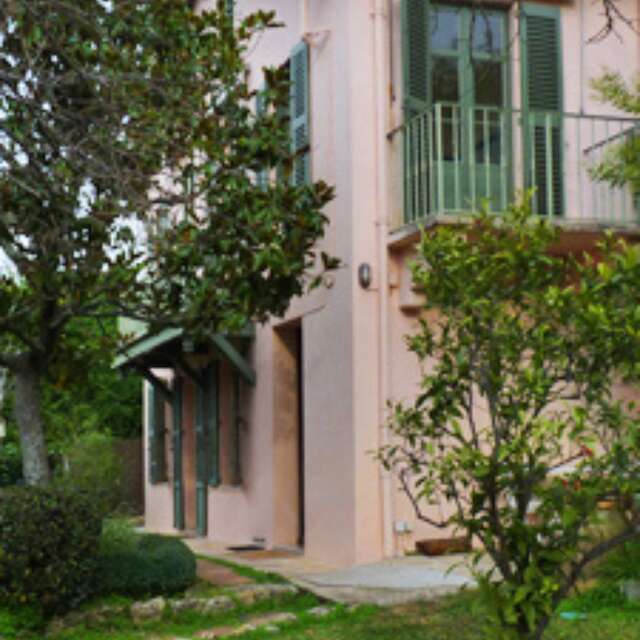
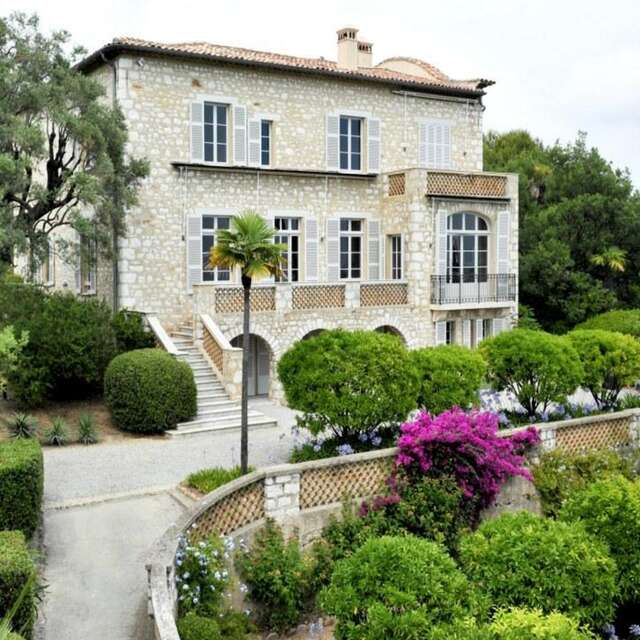
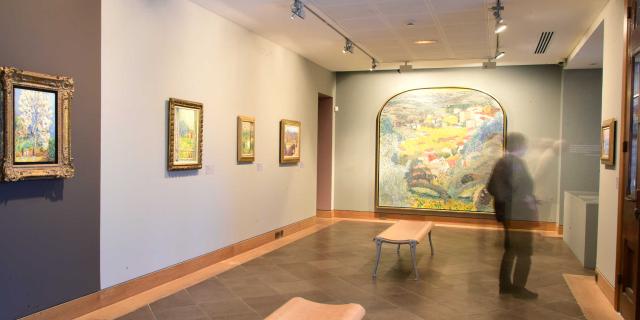
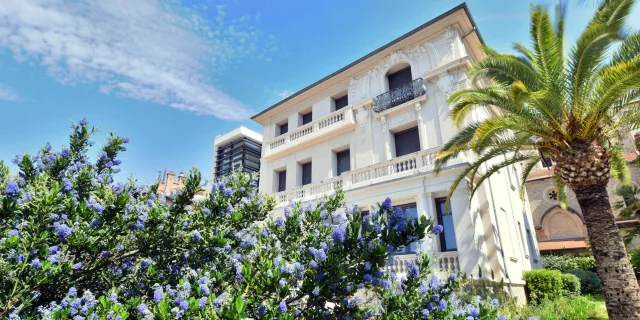
In 1926, Pierre Bonnard (1867-1947), a master of modern painting who was fascinated by intense colours and simple shapes, purchased Le Bosquet, a house on the heights of Le Cannet. The house and the local landscapes inspired over 300 of his creations, where nature, light and the influence of Japanese art occupy a central place. L’Hôtel Saint-Vianney, one of the last Belle Époque buildings in Le Cannet, now houses the Musée Bonnard, dedicated to his work which is filled with the soul of the South. After the visit, take the Sur les pas de Bonnard walk from the museum and wind through the landscapes and places which nourished his art.
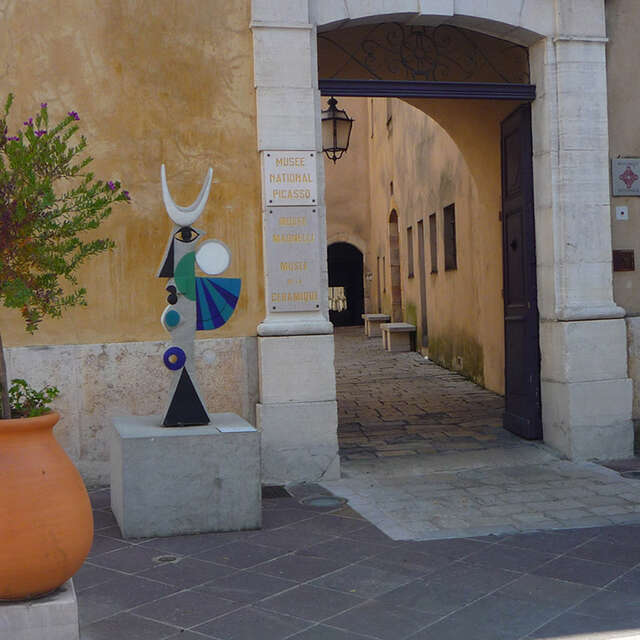
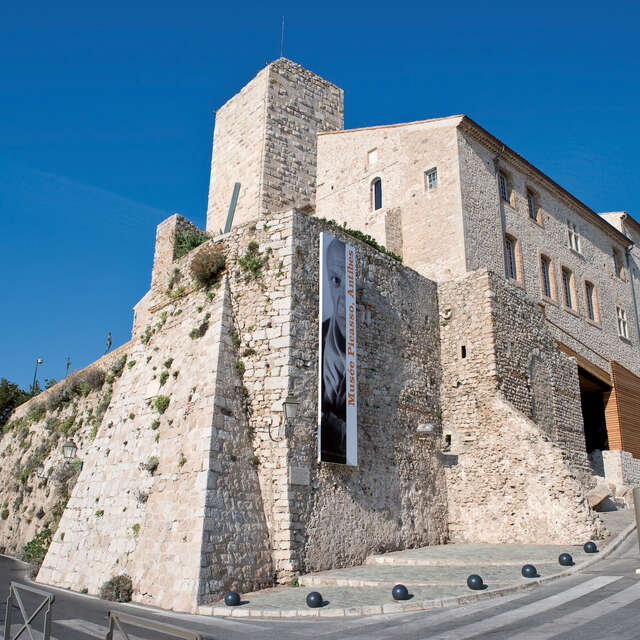
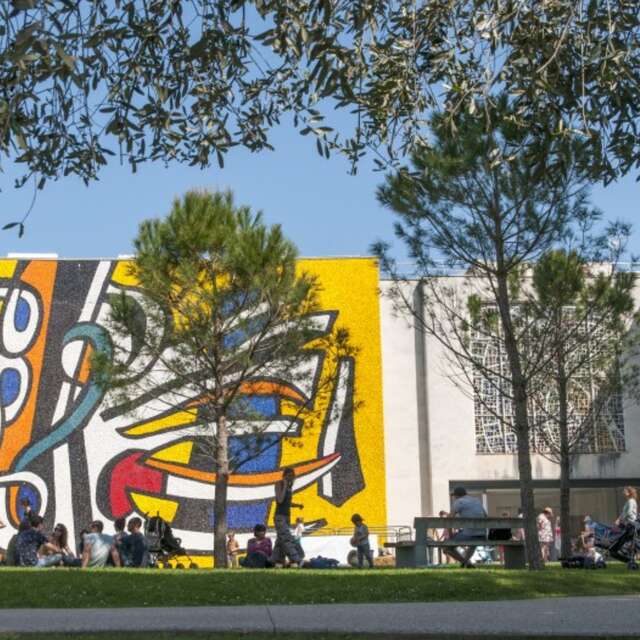
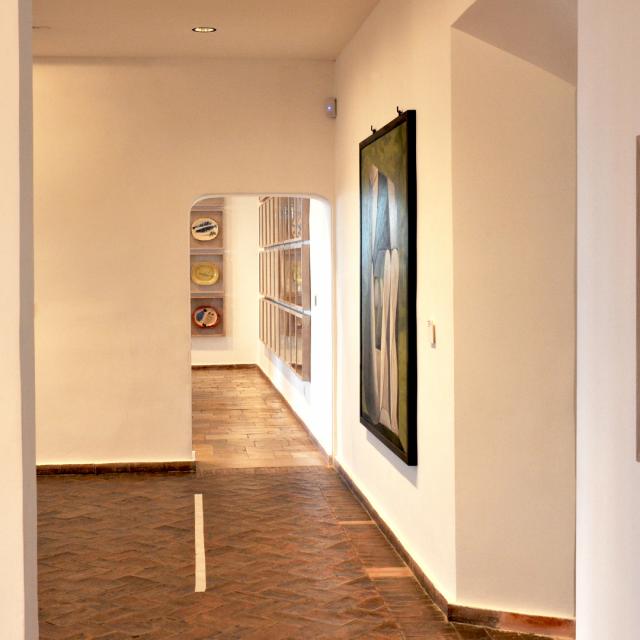
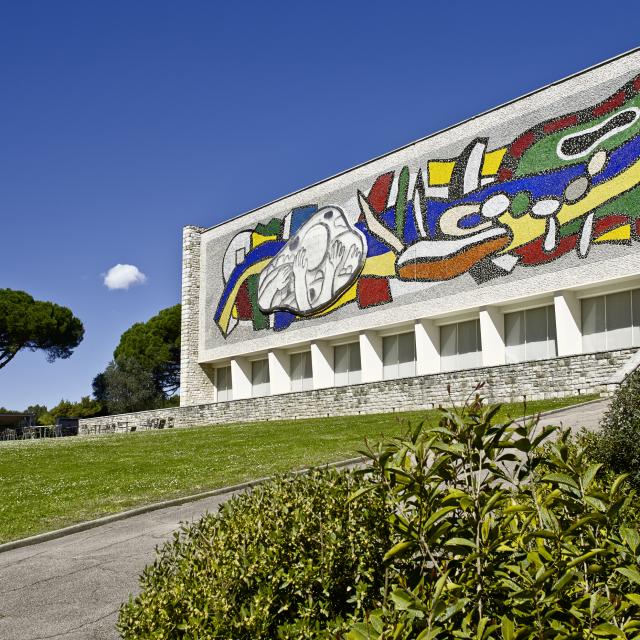
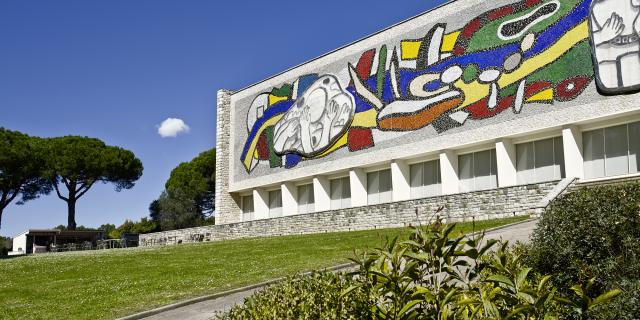
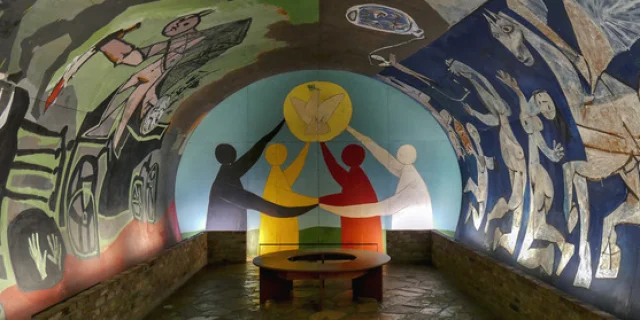
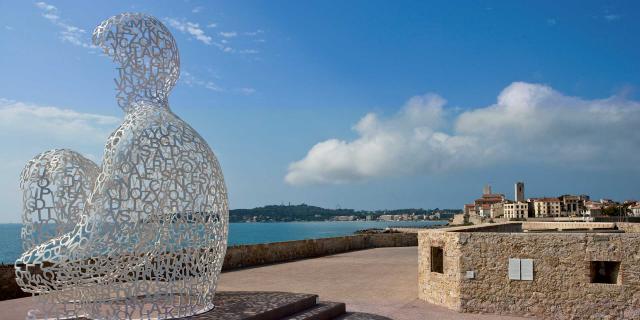
The Musée National Pablo Picasso – La Guerre et la Paix in Vallauris – is no ordinary art venue. Here, in the privacy of the nave of the chapel of the château, you can see a monumental fresco by the master (1881-1973). Carried out in 1950, during the Korean War, it symbolises his militant commitment to peace. Then, head to the Picasso Museum in Antibes, a magnificent building overlooking the sea, where a unique collection of Picasso’s drawings and paintings are on display, including the famous ‘La Joie de vivre’, ‘Satyr, Faun and Centaur with Trident’ and ‘The Sea Urchin Eater’. Now it’s time to head for Biot, a medieval hilltop village known all over the world for its glassmaking tradition, and the Musée national Fernand Léger. As a painter, and also a creator of stained glass windows, decorator, ceramist and sculptor, the avant-garde artist (1881-1955), strongly influenced by cubism, created an incomparable pictorial universe, with intense colours, strong contours and themes linked to the industrial civilisation. Suitable for children, the museum also offers a materials library for the visually impaired, who can touch a multitude of textures with their fingertips.
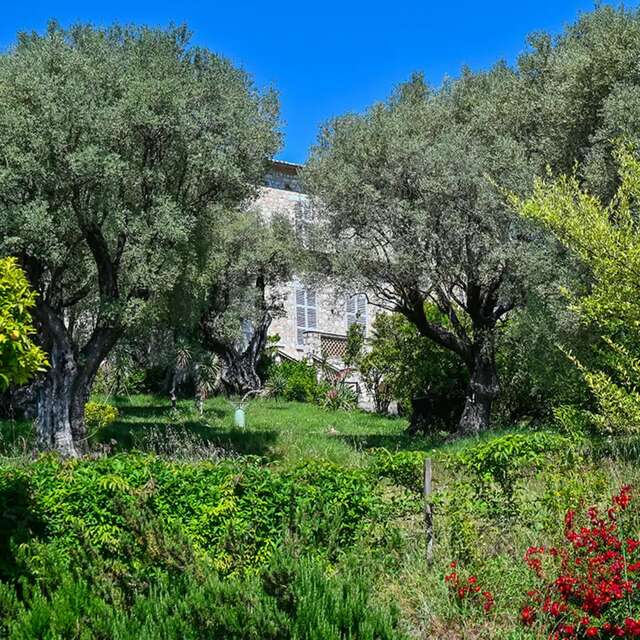
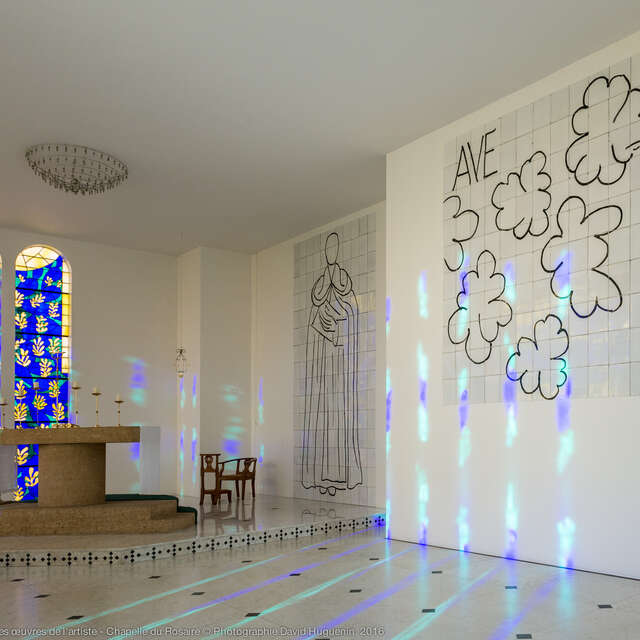
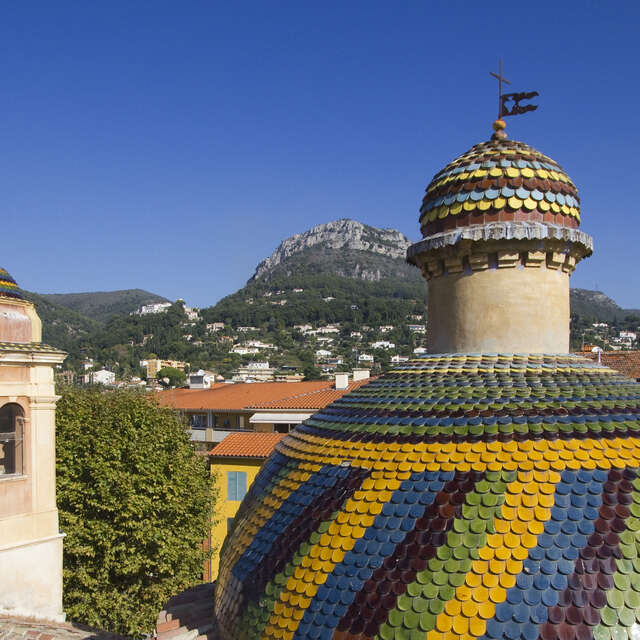
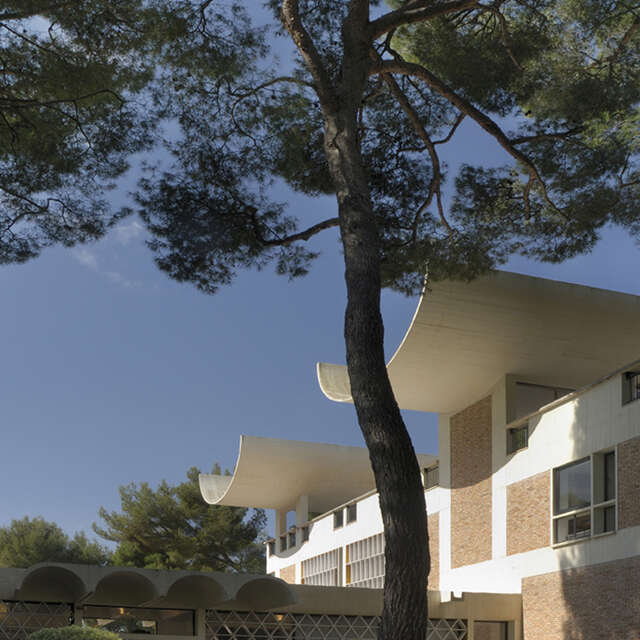
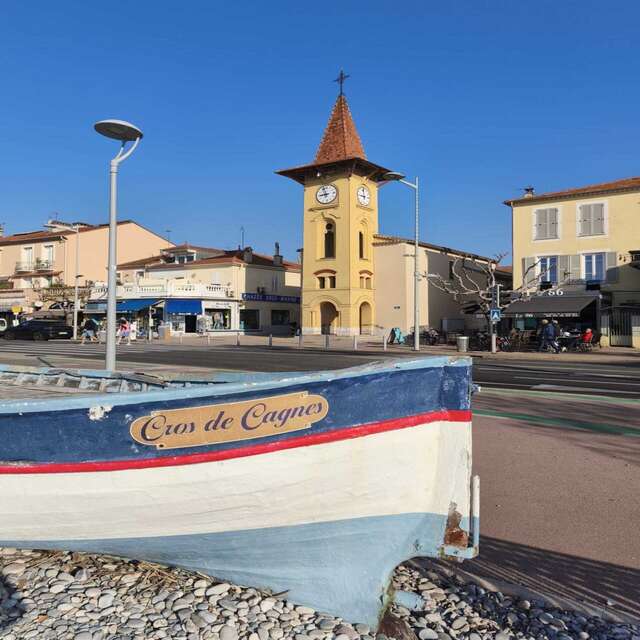
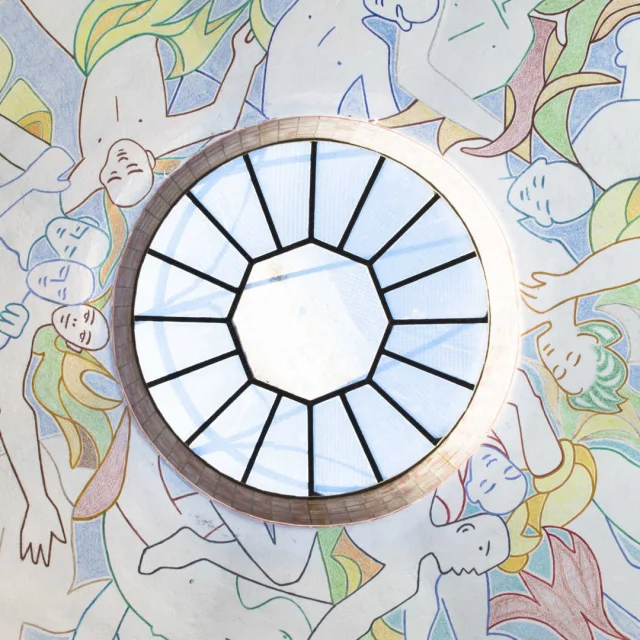
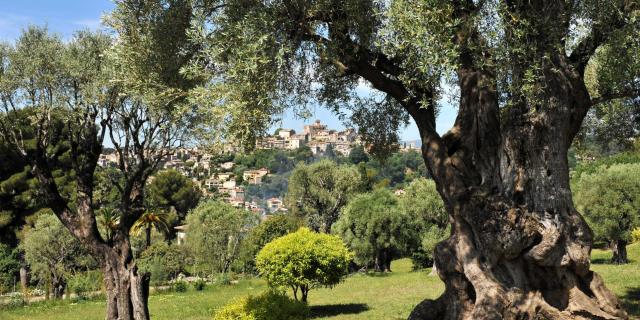
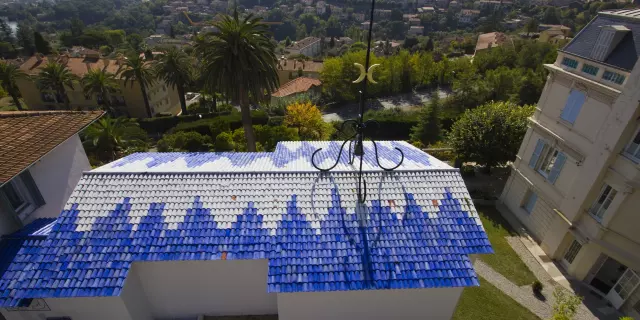
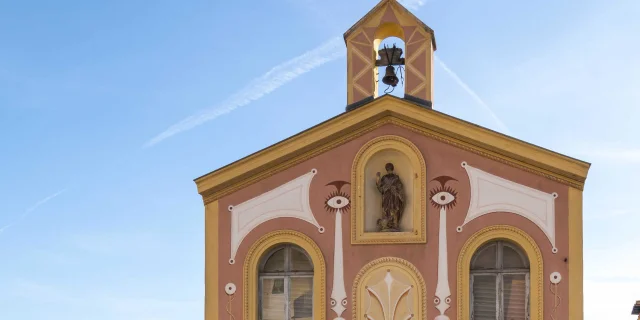
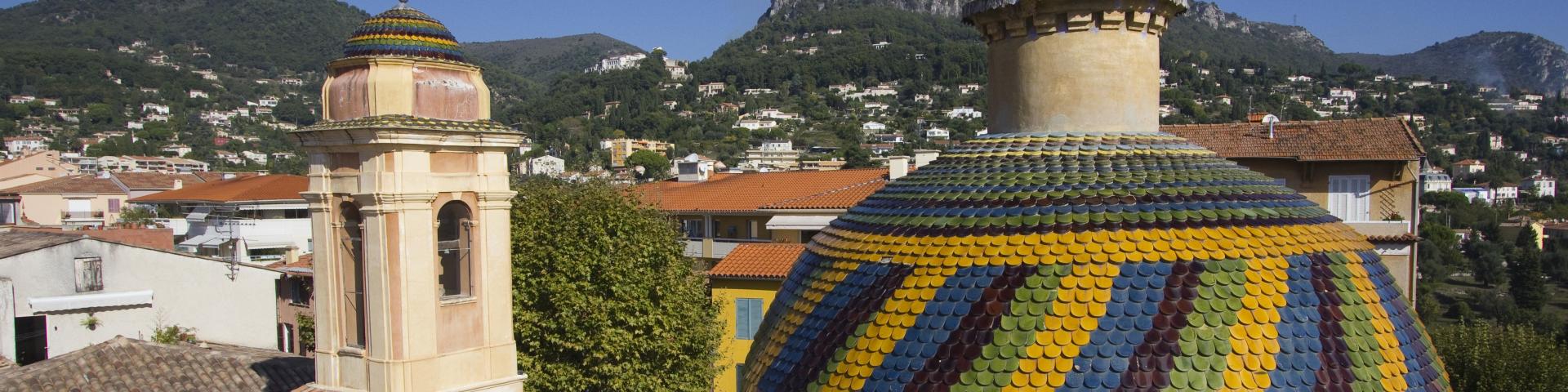
In Cagnes-sur-Mer, Renoir (1841-1919) found a haven which was like a little paradise. The Villa and the Domaine des Collettes, a tree-filled park with a peaceful atmosphere and a view over the sea and the medieval village of Haut-de-Cagnes. Once the painter’s family house, the Musée Renoir now exhibits 14 of his paintings and 40 sculptures. A few kilometres from there, in Vence, the magnificent Chapelle du Rosaire, entirely designed and decorated by Henri Matisse. The beauty of the colourful stained glass windows and wall frescoes in the chapel, which the artist always considered his masterpiece, will leave you dreaming. And now another village, part and parcel of the rich Côte d’Azur pictorial history: Saint-Paul-de-Vence. Here you’ll find another chapel, the Chapelle des Pénitents blancs, with its dome covered in multicoloured tiles decorated by Folon. And the Fondation Maeght, where the greatest artists of the 20th century, including Braque and Giacometti, are exhibited.
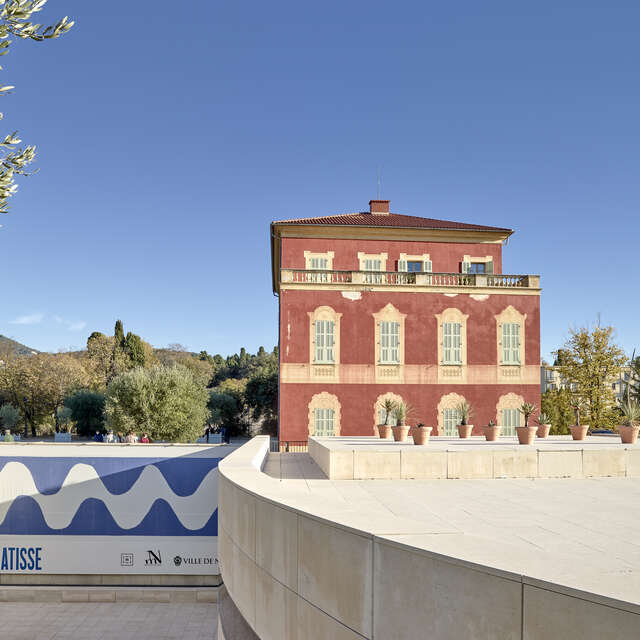
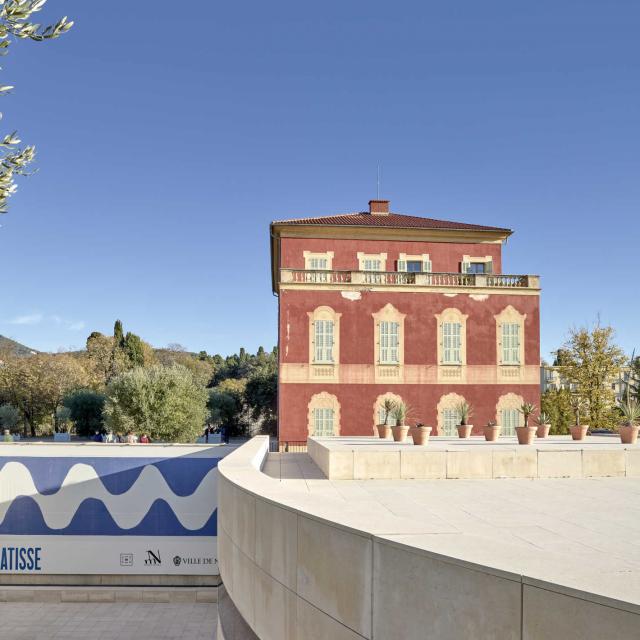
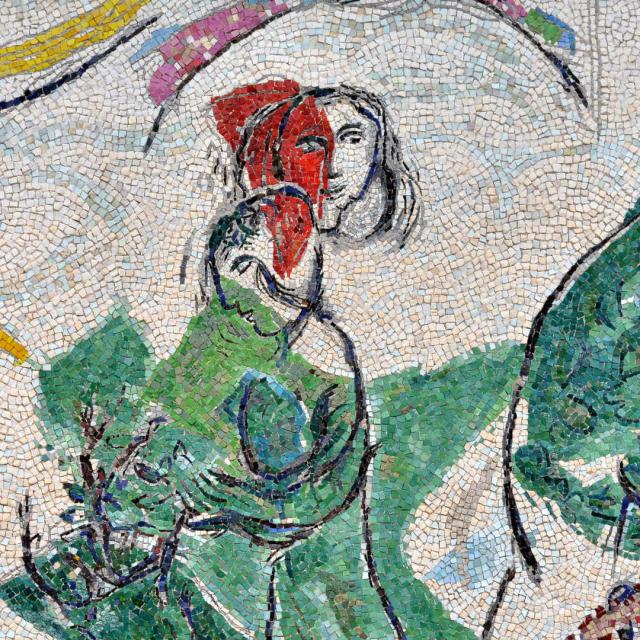
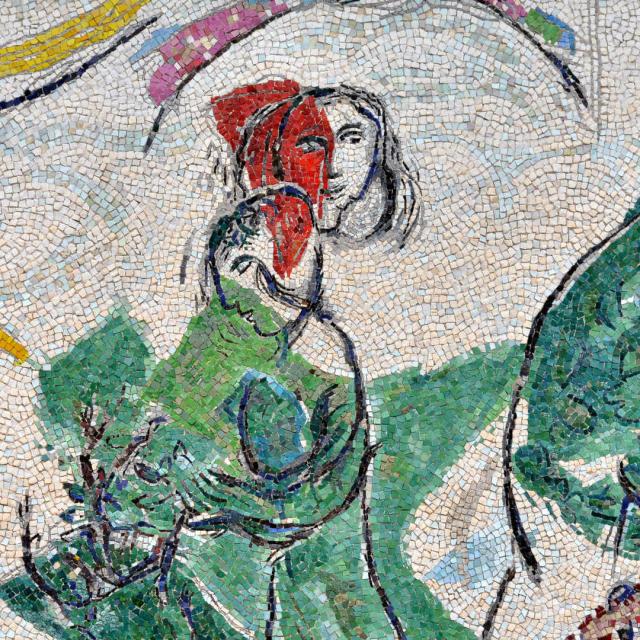
Henri Matisse (1869-1954) was born in Cateau-Cambrésis, in the Nord department, He literally fell in love with the capital of the Côte d’Azur, where he lived for 37 years. In 1938, he settled in a big apartment in the former Hôtel Regina, in the Cimiez quarter. And this is where, in the middle of the olive grove and the gardens, you can find the Musée Matisse, dedicated entirely to the artist with around 600 works which represent all his creative periods. You can also see some of his personal objects there. At the end of his life, another major French painter, Marc Chagall (1887-1985) chose to settle in the village of Saint-Paul-de-Vence. But it was in Nice, in 1973, in his presence, that the Musée national Marc Chagall was inaugurated. An intense plunge into his universe in a passionate blend of flowers, lovers, shimmering colours and biblical scenes.
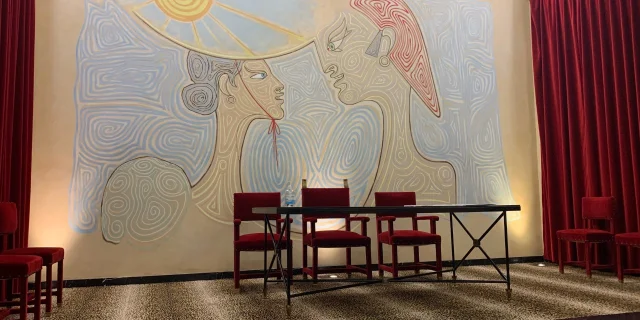
In the 1920s, Jean Cocteau (1889-1963) went regularly to the Côte d’Azur. A painter, poet, writer and filmmaker fell under the charm of Villefranche-sur-Mer, where he stayed at the Hôtel Welcome. Open the door of the Chapelle Saint-Pierre « Cocteau », at the foot of the old town, where he did the decor, stunning frescoes in pastel tones, in 1957. As the last town before the Italian border, Menton had for a long time been another terre de cœur for Jean Cocteau. His work is everywhere: in the Musée Jean Cocteau collection Séverin Wunderman (N.B./ the Museum is currently closed for work), and also in the Musée Jean Cocteau le Bastion, just a stone’s throw away. And of course, the town’s wedding room, which he painted in 1957, was inspired by the theme of Greek mythology and Menton, blending once again the art and the decor of the Sud.
The different stages on the Route des Peintres de Provence-Alpes-Côte d’Azur are easily reached by train. During Stage 5, you can get to Vence and Saint-Paul-de-Vence respectively by Bus N°9 or N°400 and N°655 from Cagnes-sur-Mer station. When you choose to travel by train, you are doing something for the planet, you avoid traffic jams and you enjoy the landscapes in peace! Two good deals to discover: