Weihnachtlich gedeckter Tisch in SüdfrankreichWeihnachtlich gedeckter Tisch in Südfrankreich
©Weihnachtlich gedeckter Tisch in Südfrankreich|Mpointner/Unsplash

3 consensual conversation subjects

for successful family festivities

Politics? Divisive. The weather? Awkward (at this point, you might as well admit that you have nothing to say to each other). For tension-free family dinners, here are three conversation topics that everyone can agree on. Bookmark this page so you can discreetly refer to it during the meal. And since everyone deserves a relaxing holiday, share it with your friends.

Rédigé par
Published on 14 November 2025

1 – Provencal specialities

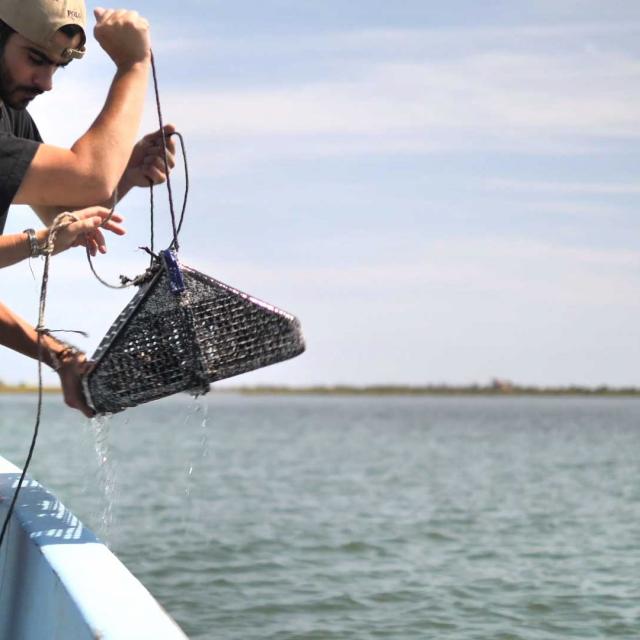
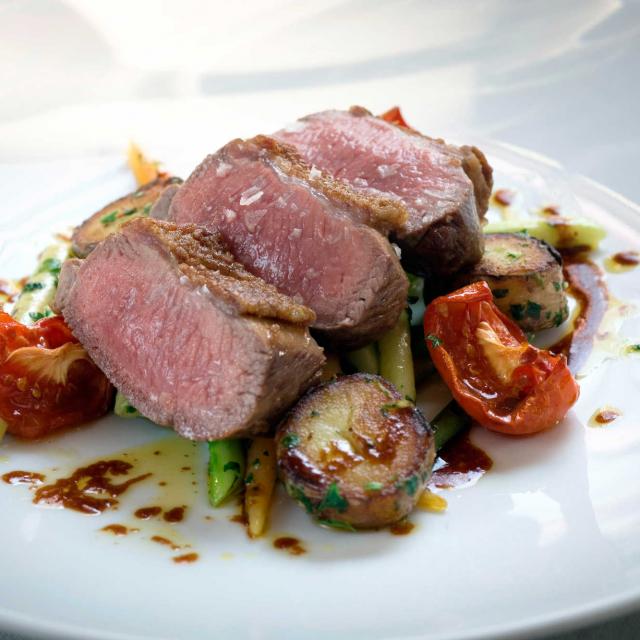
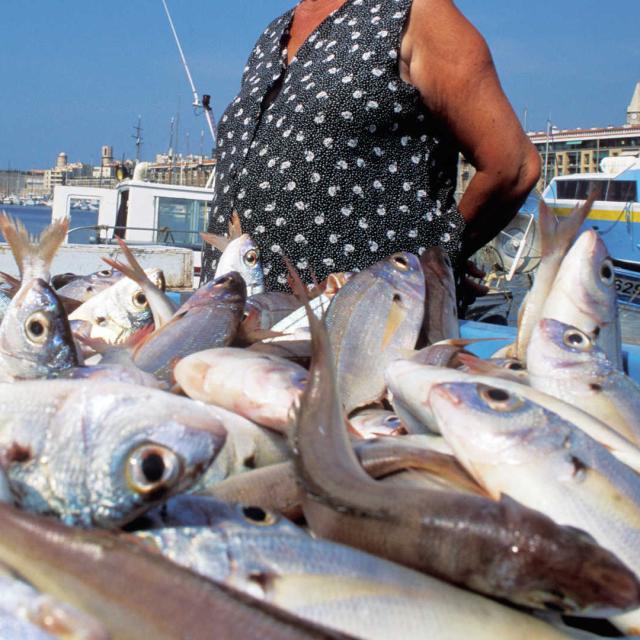
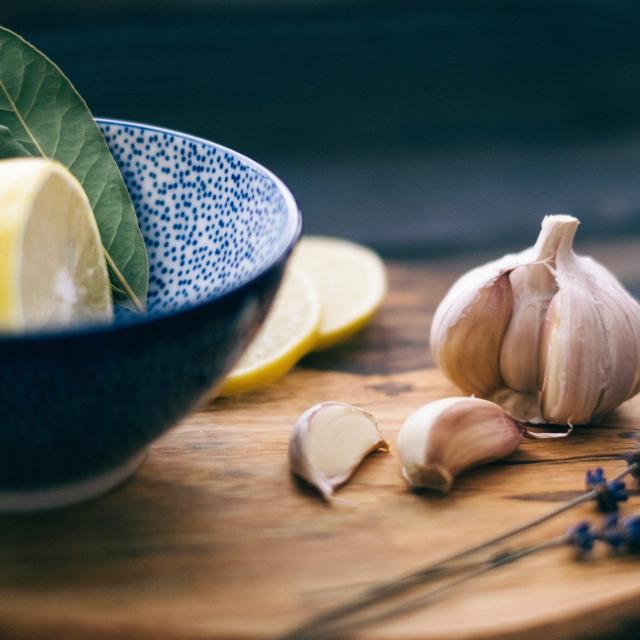
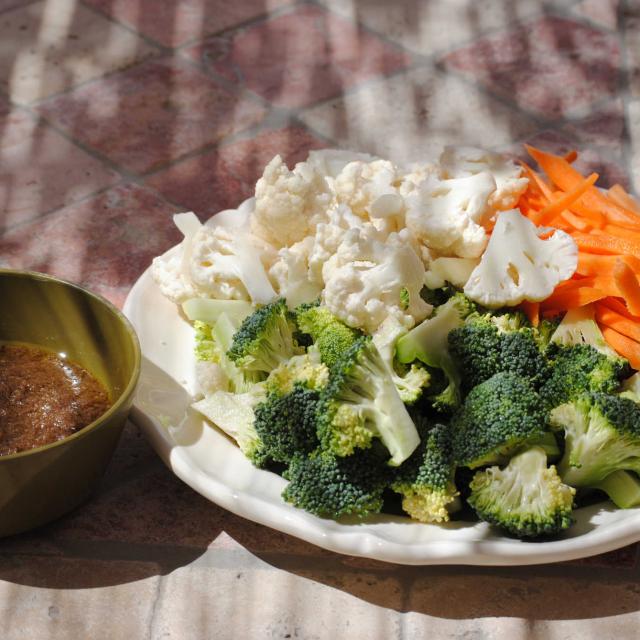
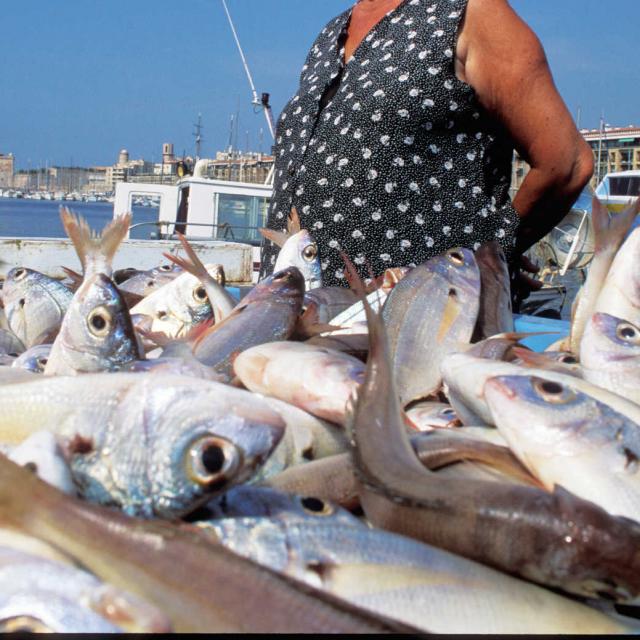
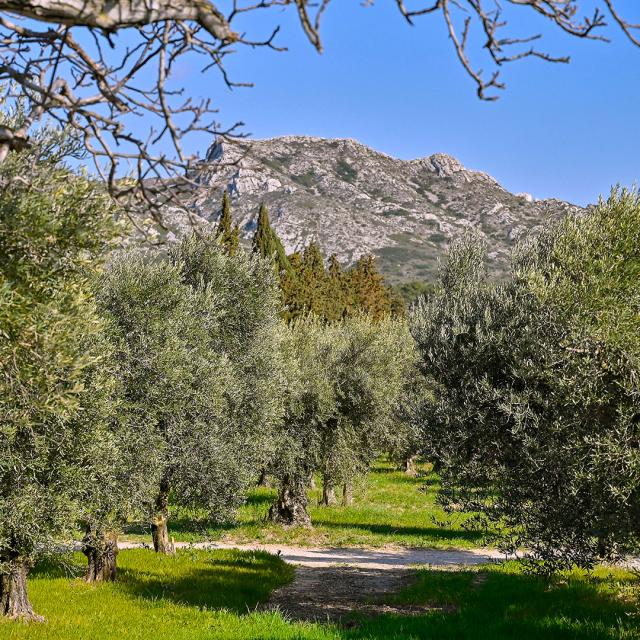
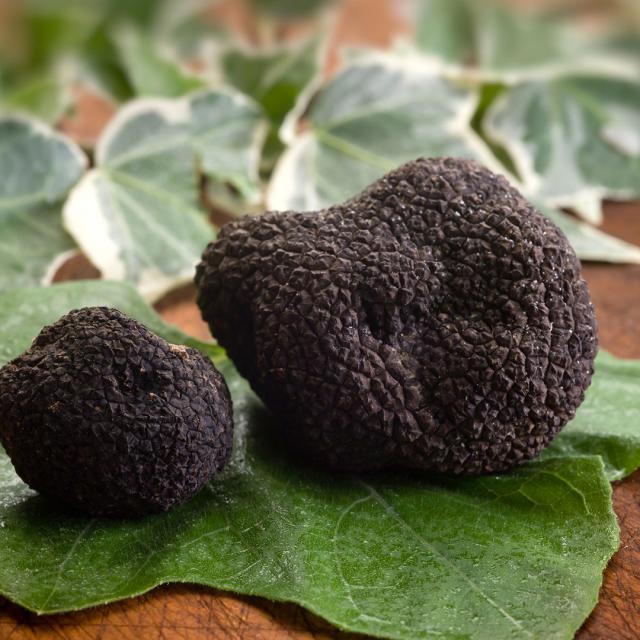
The idea: Provencal herbs, almonds, fruit (including the famous Cavaillon melon) and vegetables, aromatic honey, black truffles, fish, shellfish and seafood. Not forgetting Sisteron lamb, bull meat and Camargue rice. And of course olives, which, when crushed and cold-pressed, give birth to an oil which has had a Protected Designation of Origin since 2020. Rich and varied, the Provencal terroir has inspired many savoury specialities: bouillabaisse, pieds et paquets, daube, la soupe au pistou, aïoli, anchoïade… And dozens of sweet delicacies, candied fruit, navettes, calissons and nougat.

A « turnkey » phrase to get the conversation going:

« Do you know where the tradition of the 13 desserts comes from? They represent the Last Supper, Christ and the 12 apostles. The dried fruit represents the four mendicant orders who took a vow of poverty: dried figs for the Franciscans, raisins for the Dominicans, almonds for the Carmelites and walnuts or hazelnuts for the Augustinians. And on the subject of desserts, I’m planning to go to Aix-en-Provence to buy some calissons. What about you? »
2 – Alpine biodiversity

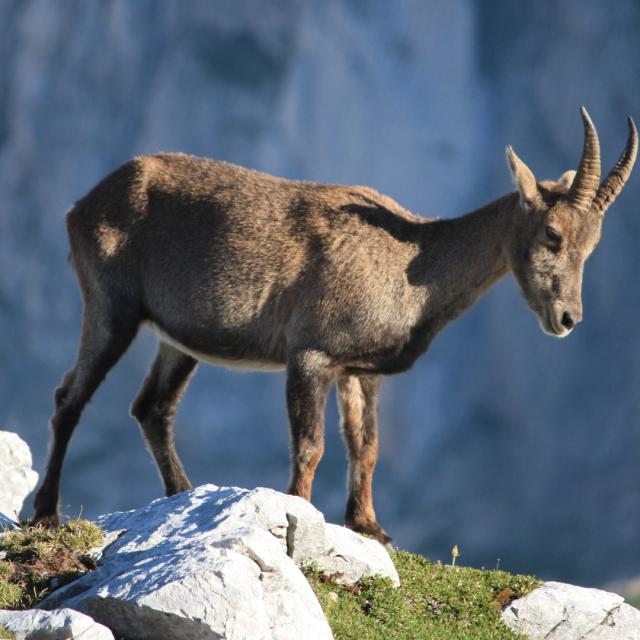
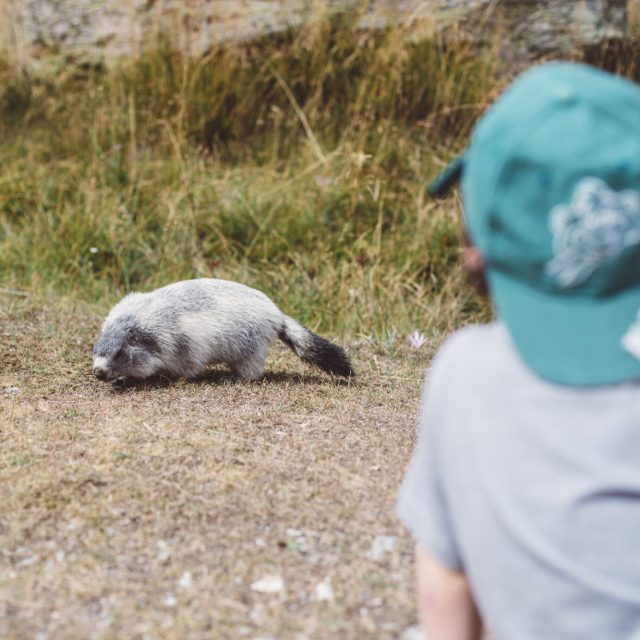
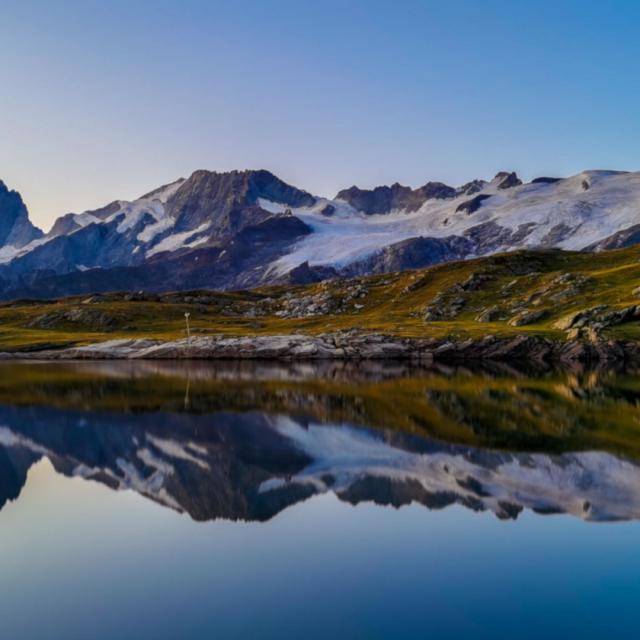
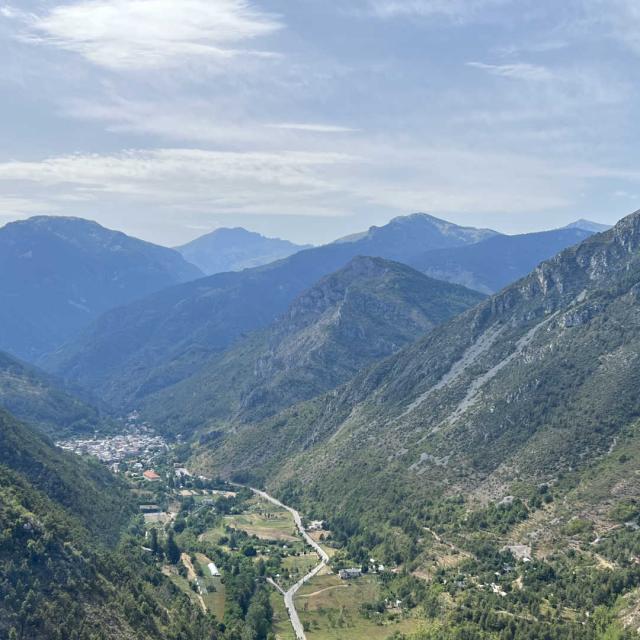
The idea: Due to a wide diversity of landscapes (Alpine pastures, forests, wet areas, etc.), altitudes and climates, the French Southern Alps are home to a surprising biodiversity, protected by two National Parks (Écrins and Mercantour) and three Natural Regional Parks (Baronnies provençales, Queyras and Préalpes d’Azur). From the point of view of plant life, in the Hautes-Alpes alone, there are no less than 2,000 species of plants, some of which are rare or endemic, such as the saxifrage du Dauphiné, potentille des Alpes, edelweiss or wormwood. As for animals, there are emblematic species, such as chamois, ibex, marmots, bearded vultures and black grouse. A natural heritage to be protected.

A « turnkey » phrase to get the conversation going:

« Did you know that in October 2025, the Mercantour National Park officially became « Territoire de Villes et Villages Étoilés »? This award, granted by the Association Nationale pour la Protection du Ciel et de l’Environnement Nocturnes, rewards the commitment of 12 villages on the territory to reducing light pollution. I think I’ll be spending my next holidays in the Mercantour, it’s fantastic. What do you think? »

3 – The most beautiful villages on the Côte d’Azur

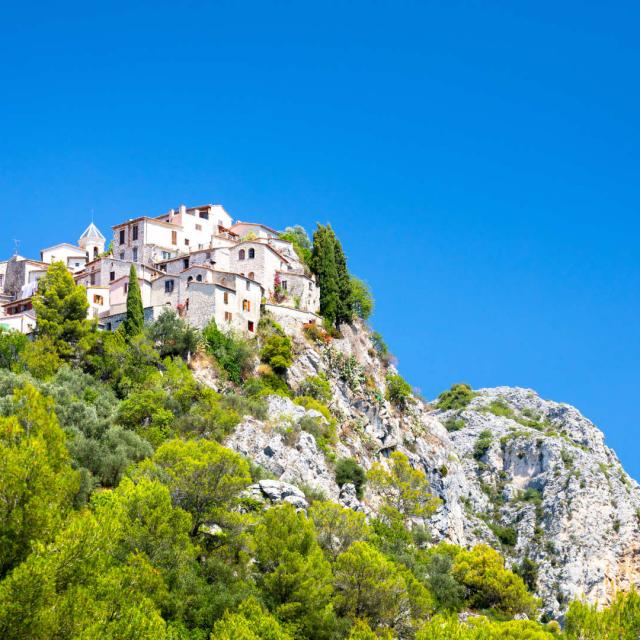
The idea: The Côte d’Azur hinterland has authentic perched villages, some of which are listed among the most beautiful in France : Gourdon, Coaraze, Sainte-Agnès and Saorge. Hanging on to the top of a cliff, at 760 metres, Gourdon is crowned by a medieval chateau with gardens designed by Le Nôtre overlooking the Loup valley, with a wide view of the Mediterranean and the Préalpes. Nicknamed the « sun village », Coaraze draws your attention with its paved narrow streets, multicoloured houses and flower-filled little squares. At 800 metres, Sainte-Agnès holds the record for the highest coastal village in Europe, while Saorge, overhanging the Roya, is a concentration of rich Italian-influenced religious heritage.

A « turnkey » phrase to get the conversation going:

« Did you know that the Monastery of Saorge, built in the 17th century to house a Franciscan community, has a cloister whose rare and deliberately naïve frescoes tell the story of the life of St. Francis? I’m off to visit the monastery, which is a listed historic monument, in a few days. Want to come ?»