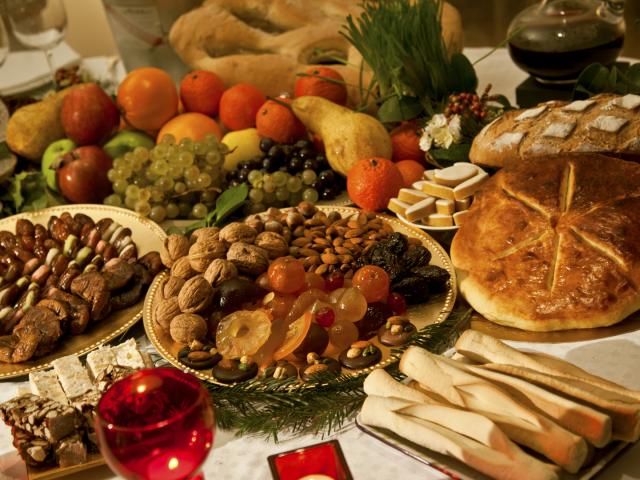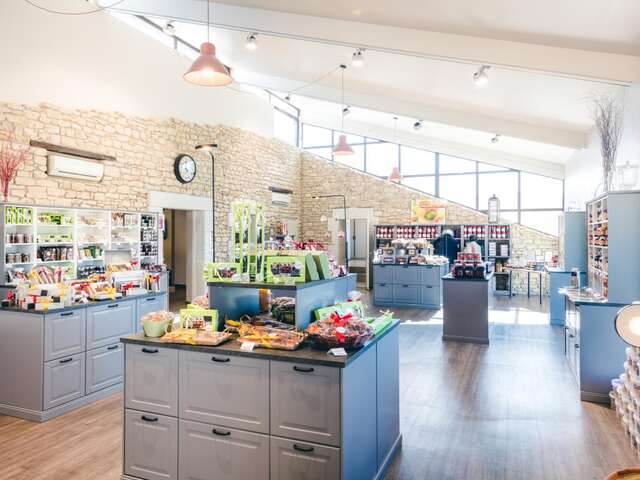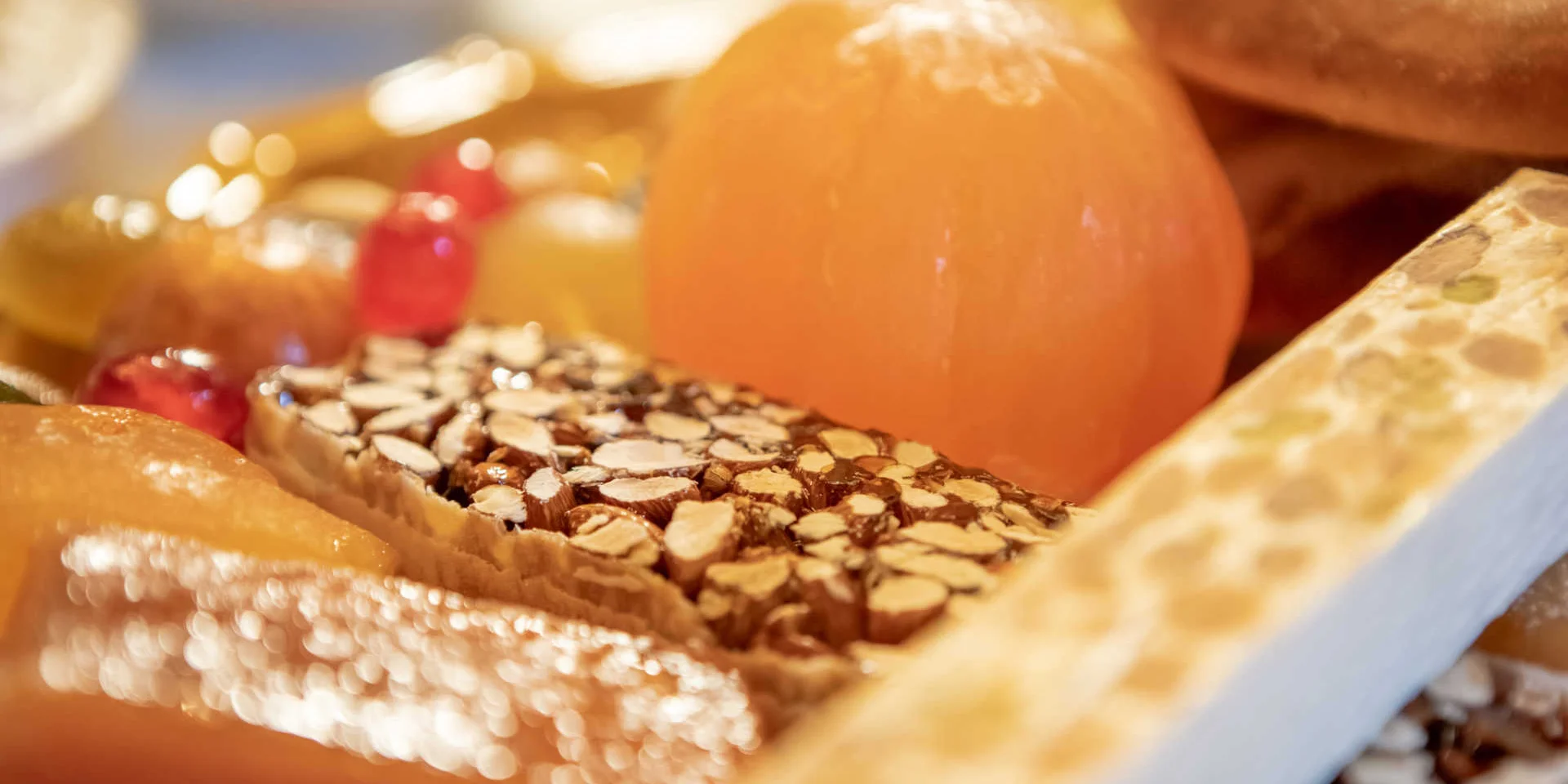
Nougat, candied fruit and other Provençal dessertsAssortment of Provençal confectionery and desserts
©Assortment of Provençal confectionery and desserts|Luparini.C

Christmas and winter fragrances in the Sud region

Winter scents inspired by local produce and nature

In the Sud, winter is a time of flavours and smells – from the smell of almonds and orange blossom to the heady scent of truffles or the marine smell of oysters. Each fragrance tells the story of a savoir-faire, a tradition, or a souvenir and not only announces the end-of-the-year festivities but also fills the air with its magic!


The comforting smell of almonds

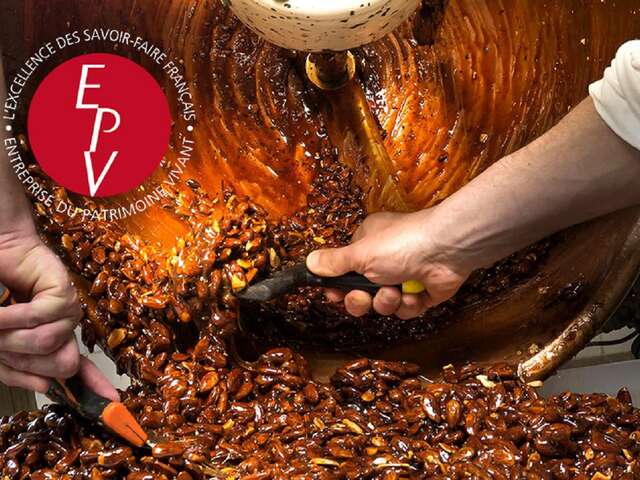
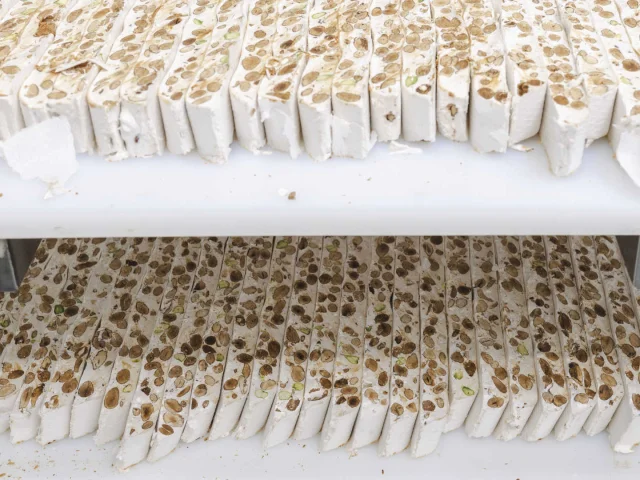
Gentle and reassuring, the smell of almonds immediately conjures up childhood desserts and the delicious Christmas period. Grown for centuries in the orchards of the Sud, almonds are part of the Provencal farming heritage. Even though their production had tended to decline, currently they have seen a revival thanks to the keen producers who breathe life into this emblematic crop. You can find them in Christmas delicacies such as almond paste, honey-coated golden nougat and of course, the famous Calissons d’Aix, which all belong to the thirteen Provencal desserts. To plunge even further into the delicious world of almonds, we suggest you visit the gardens and the museum of Le Roy René in Aix-en-Provence, to trace the story and making of calissons. In Saint-Didier and in Sault, the Silvain and Boyer Nougateries open their doors to inquisitive visitors in an atmosphere filled with the warm notes of honey, vanilla and dried fruit.
The sunny scent of orange blossom

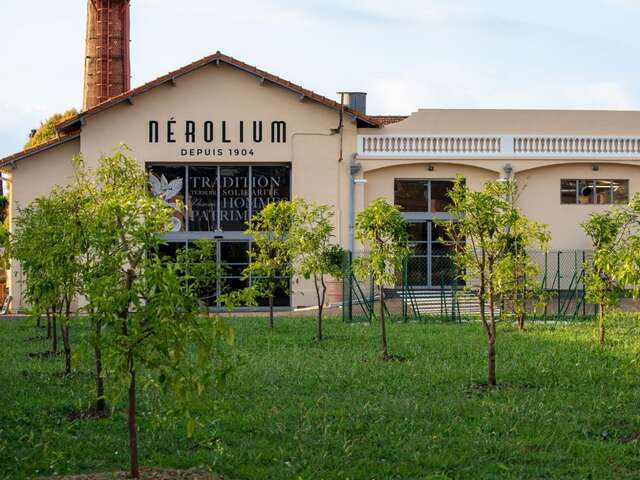
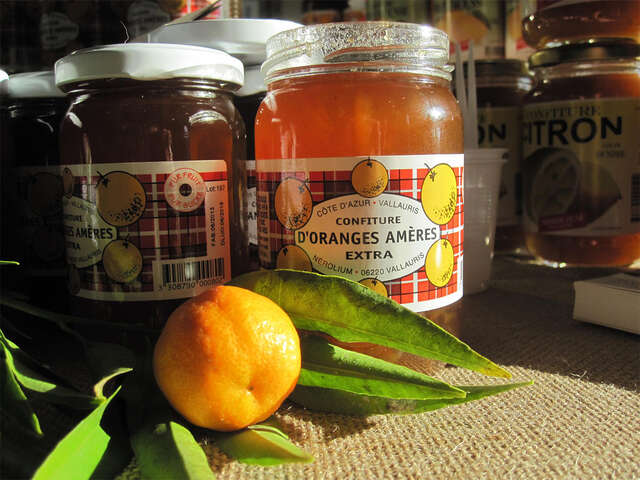
Subtle and delicate, orange blossom gives off a sunny sweetness which warms the cockles of your heart in the middle of winter. It fills the house with its fragrance when the pompe à huile is gently turning golden in the oven or the Epiphany cake starts to rise with the promise of a soft and scented dessert. These preparations also make up the tradition of the thirteen Christmas desserts. To understand how important this flower is in Mediterranean culture, head for Vallauris and the Écomusée de l’Oranger Bigaradier. You’ll find out all about this crop, which once made the fame of the Côte d’Azur, from the painstaking harvesting of the flowers to the distillation of the precious essence used in perfumery. The old machines, stills and archives bear witness to a savoir-faire which is rare nowadays, and which was handed down through families of keen artisans. The visit continues in the Boutique du Nérolium, a temple to neroli, where you can smell, taste and buy essential oils, jams and scented delicacies.

The delicious smell of candied fruit

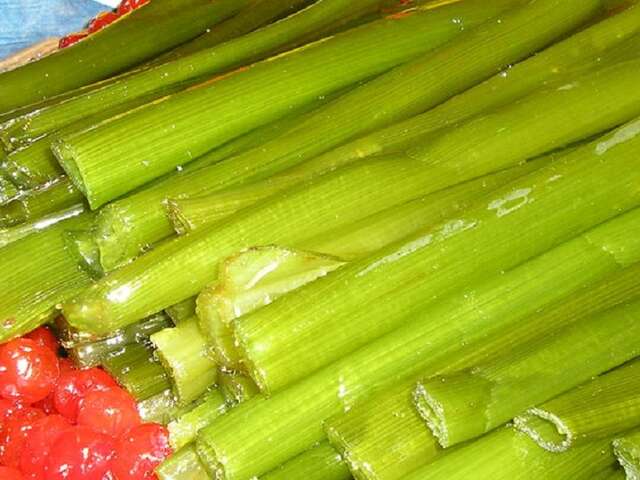
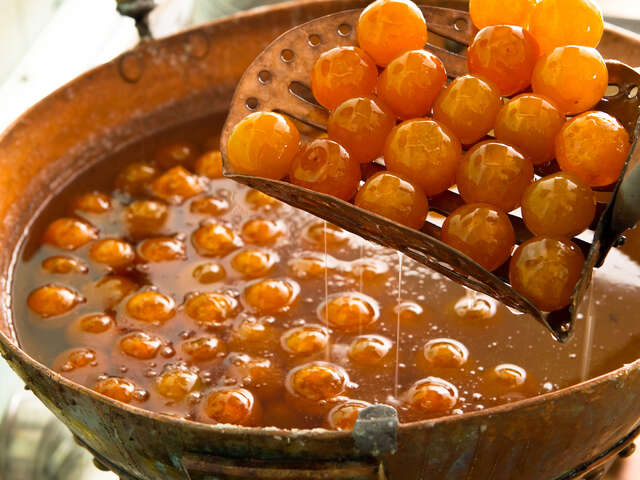
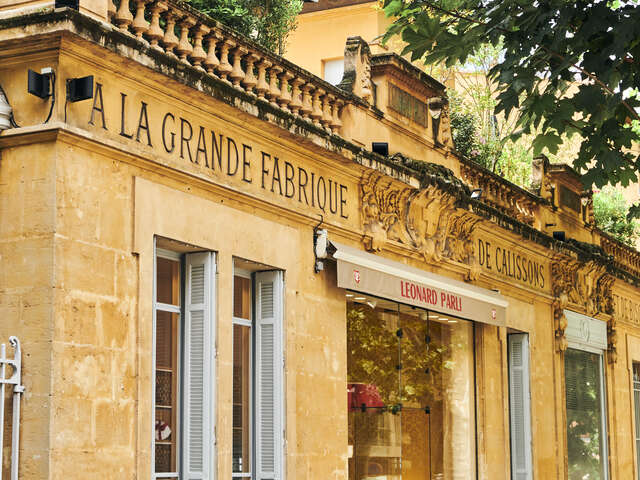
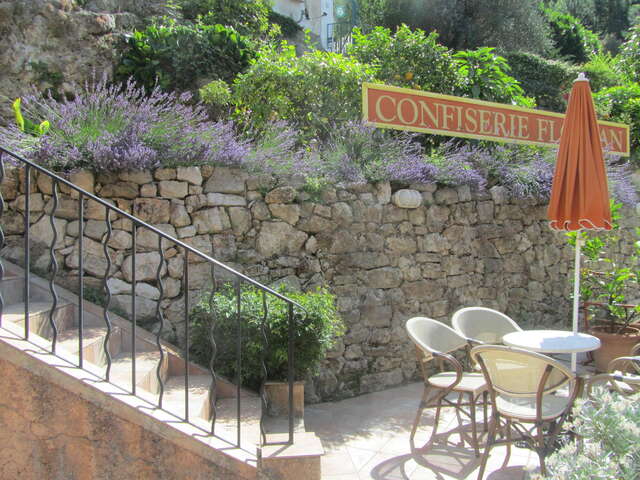
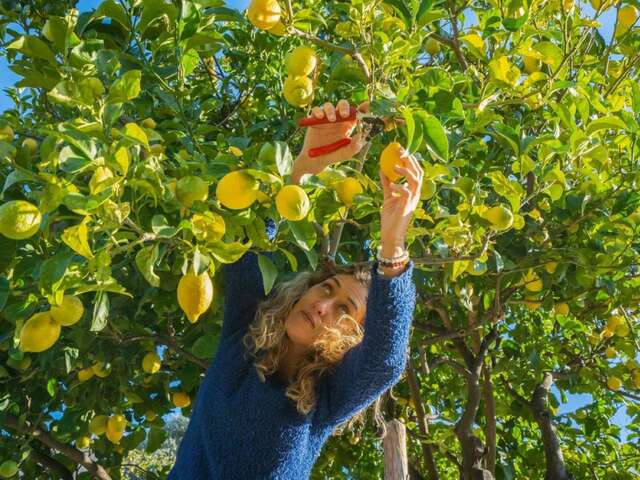
There’s no way you can talk about Christmas in Provence without mentioning bright-coloured, sweet candied fruits. They also take pride of place in the thirteen Provencal desserts, and the town of Apt, nestled in the heart of the Luberon, is their undisputed capital. Since the 17th century, it has perpetuated this delicate art, which stemmed from the need to preserve the sun-ripened fruits all year round. When you wander around the confectioneries in Apt, you’re wrapped in the mixed fragrances of apricot, melon, pear and cherry, gently candied in sugar and syrup. It’s also an opportunity to pierce the secrets of this tradition by visiting the Maison du Fruit Confit, which is a museum, a shop and a tasting area. The visit invites you to discover all the stages in crystallisation, from preparing the fruits to their slow transformation into translucent delicacies. The Confiserie Florian also offers a visit to its workshops in Nice or Tourrettes-sur-Loup, where you can follow the itinerary of citrus fruit, violets and roses, from their arrival, freshly-picked, to their metamorphosis into candied fruits, crystallised flowers or fragrant jams. And, last of all, you can open the doors of the other emblematic houses in the regions, such as the Confiserie Léonard Parli, the Confiserie du Roy René or the Confiserie Marcel Richaud.

The tangy fragrance of citrus fruits

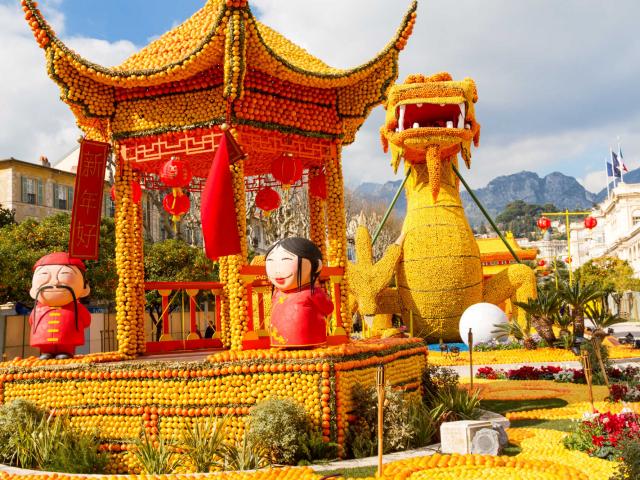
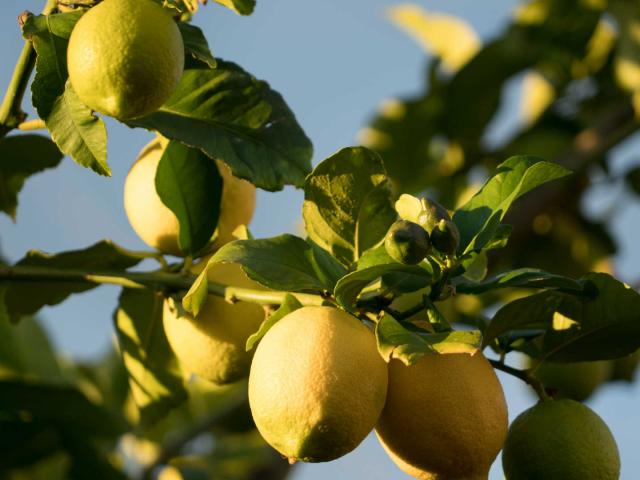
Oranges, lemons, tangerines and clementines: when the winter markets are full of citrus fruit, a sparkling freshness fills the air. With their tangy, lively notes, they bring colour, light and vitality to the cold season. You can eat them as candied fruit, in jam or fresh, often at the end of the meal to awaken your palate after the Christmas delicacies. In the Sud, these fruits have become emblems. Many Provencal nurseries grow them nowadays, and in Menton, lemons take the lead. Every year, the town celebrates its favourite fruit with the Fête du Citron and its parades of monumental sculptures. Citrus fruits are also familiar sights in the beautiful gardens of the Côte d’Azur: you can see them in the garden of the Palais Carnolès, which boasts one of the largest collections of citrus fruits in Europe, and also in the garden of citrus fruits and flowers of the Confiserie Florian, in Tourrettes-sur-Loup, and directly in the orchards which provide guided tours of their farms.

The refined smell of the truffle

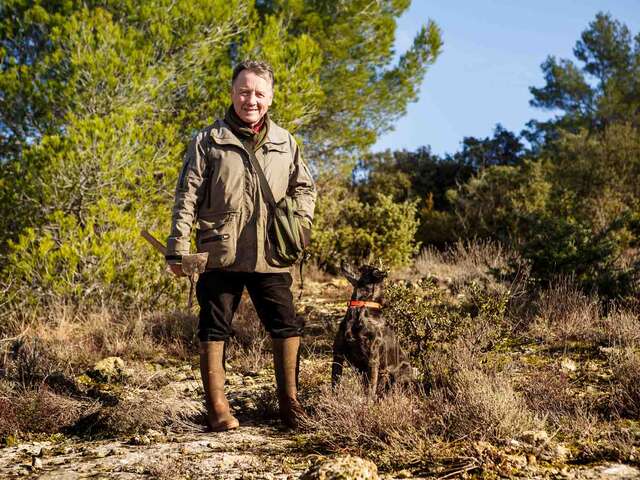
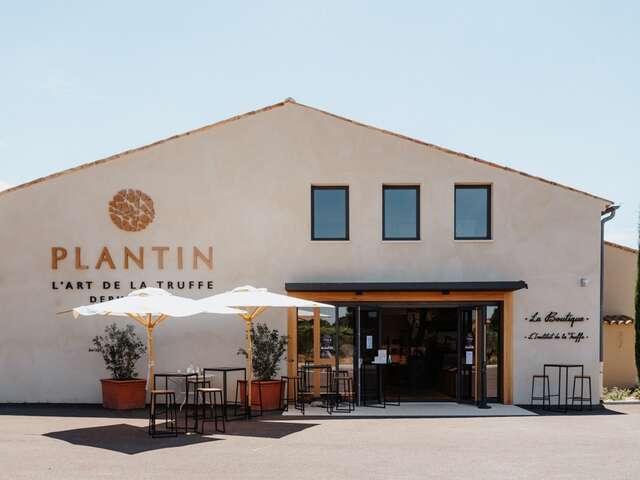
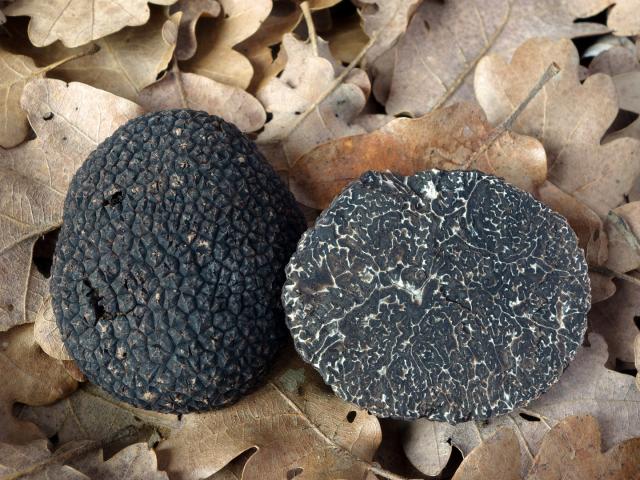
A symbol of gourmet winter food, the truffle unfolds its pungent, bewitching fragrance from mid-November to March and can be a great addition to your table during the end-of-the-year festivities. In the Vaucluse, the winter markets pulse to the rhythm of this exceptional mushroom, harvested in the undergrowth by local truffle growers and their dogs with their heightened sense of smell. The hundred-year-old truffle market in Richerenches is the biggest in Europe and opens every year with the procession of the Confrérie du Diamant Noir. In Carpentras, Saint-Paul and Aix-en-Provence, there are some very big truffle markets which have become absolute musts for those who are keen on the black diamond of Provence. The winter season is also the opportunity to take part in a digging outing, a rare sensory experience to search for truffles hiding underground. And you can find out everything about truffles, from how they are grown to how to eat them, on a visit to the Institut de la Truffe PLANTIN in Puyméras.

The salty smell of oysters

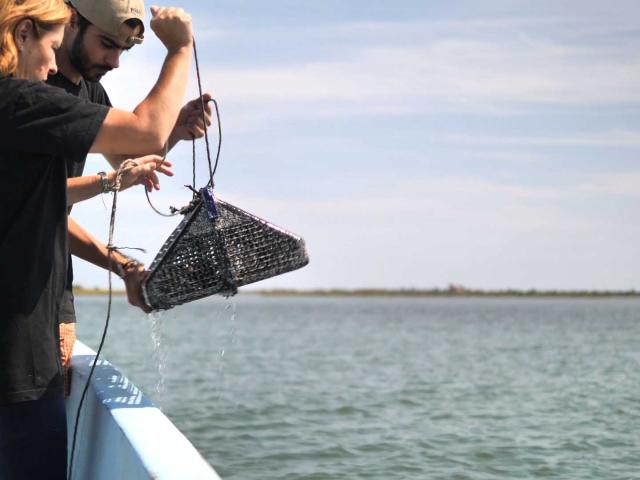
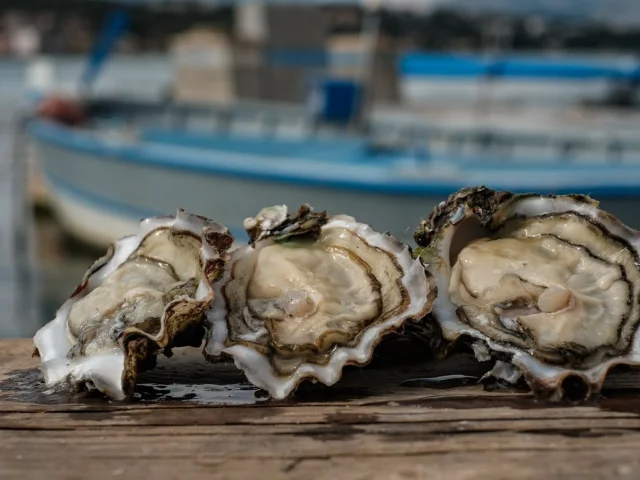
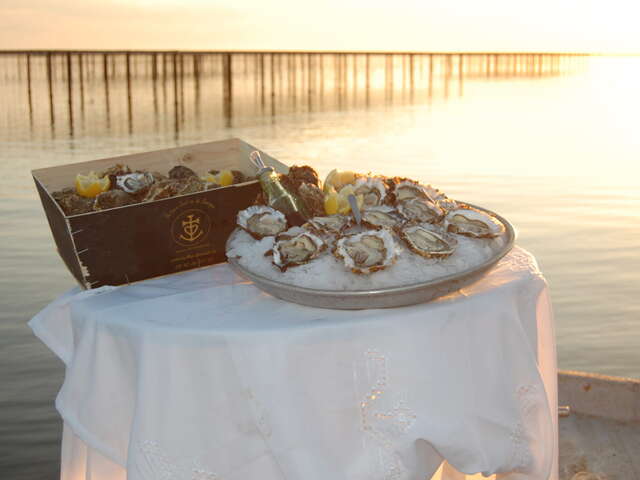
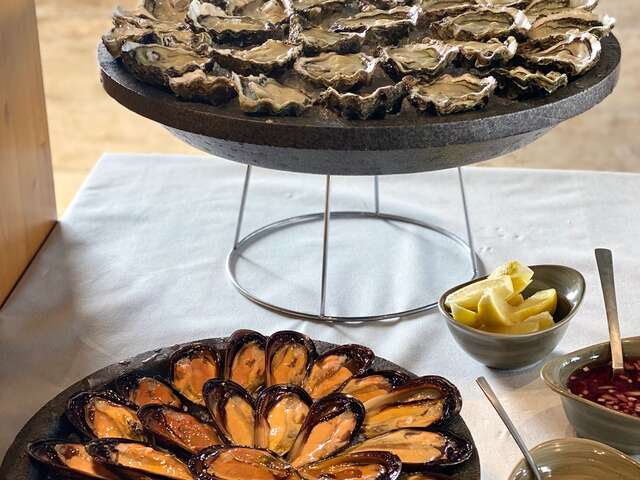
Fresh, saline and elegant, oysters add a marine touch to gourmet winter food. In the Sud, two shellfish farms stand out: L’anse de Carteau, in Port-Saint-Louis-du-Rhône, and the Baie du Lazaret, in the Var. These basins, washed by the clear and temperate waters of the Mediterranean, provide ideal breeding conditions. The oyster farmers who work there respect the natural cycle, blending traditional savoir-faire and quality requirements. Their sweet, fleshy oysters stand out with their fine, salty flavour, and have received awards in regional and national competitions. The Mediterranean cupped oyster produced by Coquillages Giol was awarded a gold medal in the Concours Général Agricole 2025 in Paris. For an authentic taste experience, we recommend you go straight to producers such as Les Viviers de Carteau or Joaline Coquillage in the Camargue, or Les Coquillages Giol in the Var. You can take your platter with you to the beach to make the most of the warm winter sun, with a glass of white wine in your hand!