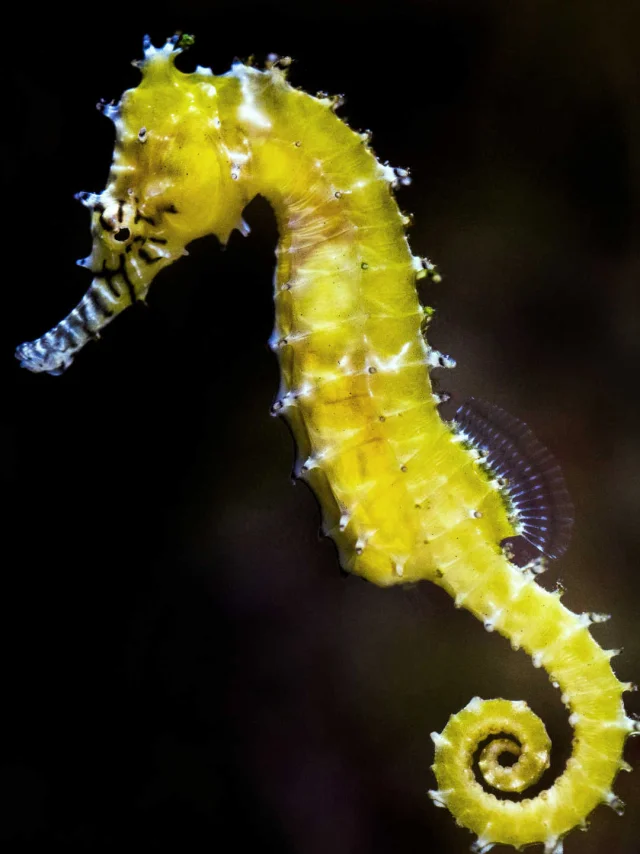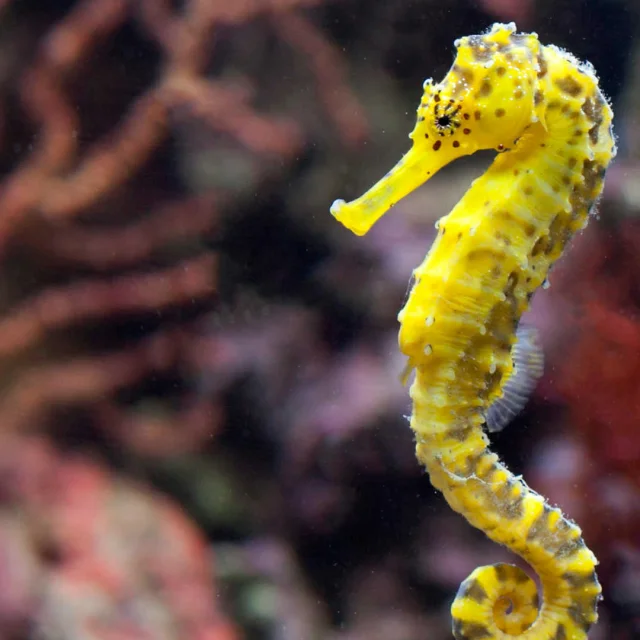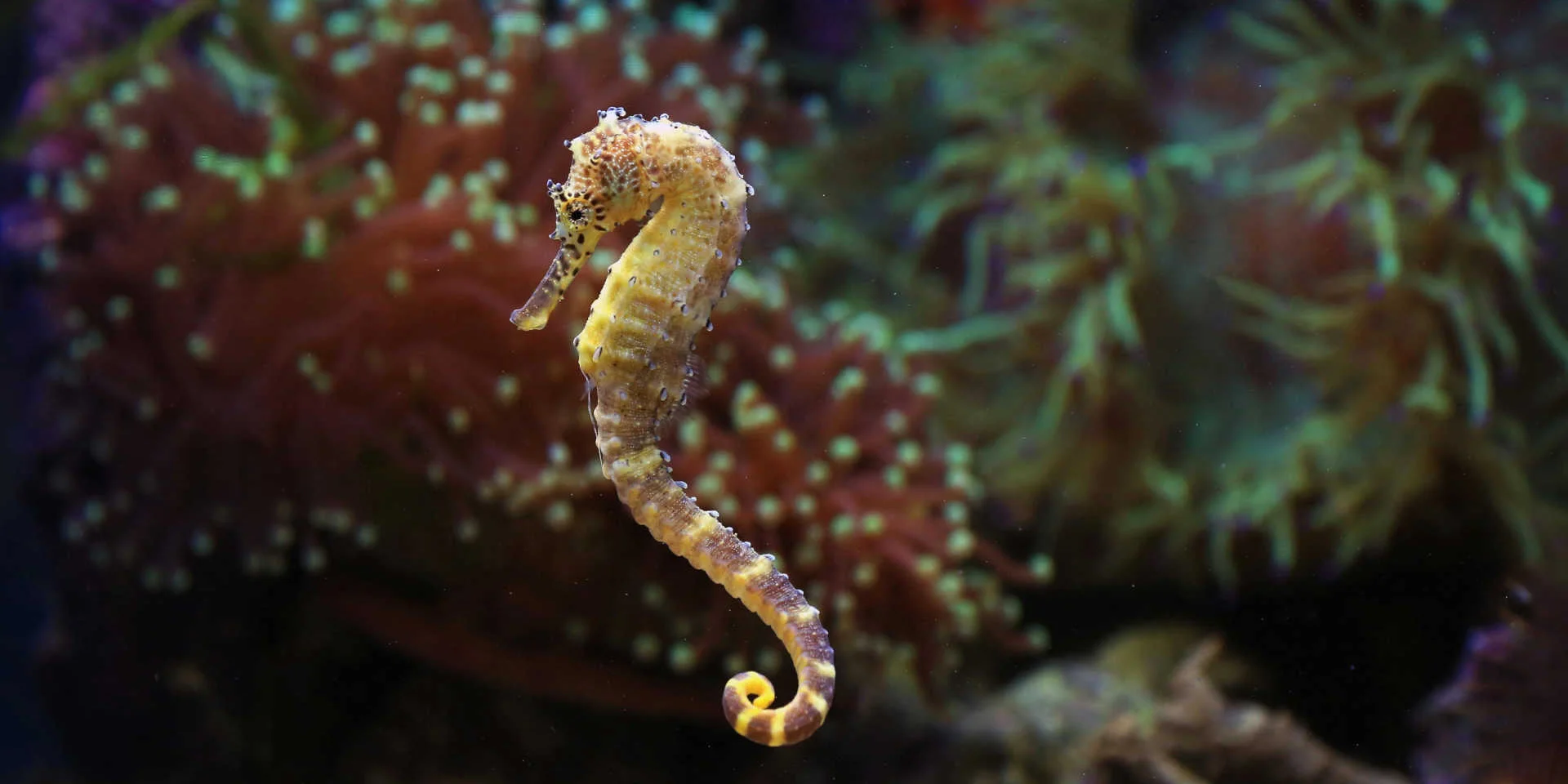
Seahorse and Posidonia meadow in backgroundThe hippocampus has no scales, but a cuirass of bony rings
©The hippocampus has no scales, but a cuirass of bony rings|JeffrySS/Pexels

Theodore, 2 years old, seahorse on the Côte Bleue

My life in a Posidonia meadow

Hello human! In this article, I, Theodore, a long-snouted seahorse living on the Côte Bleue – the coast between Marseille and Martigues – will be speaking to you about my life in the rocky shallows. You’ll find out what I like to eat, how I reproduce, what I do all day and why protecting me is vital!

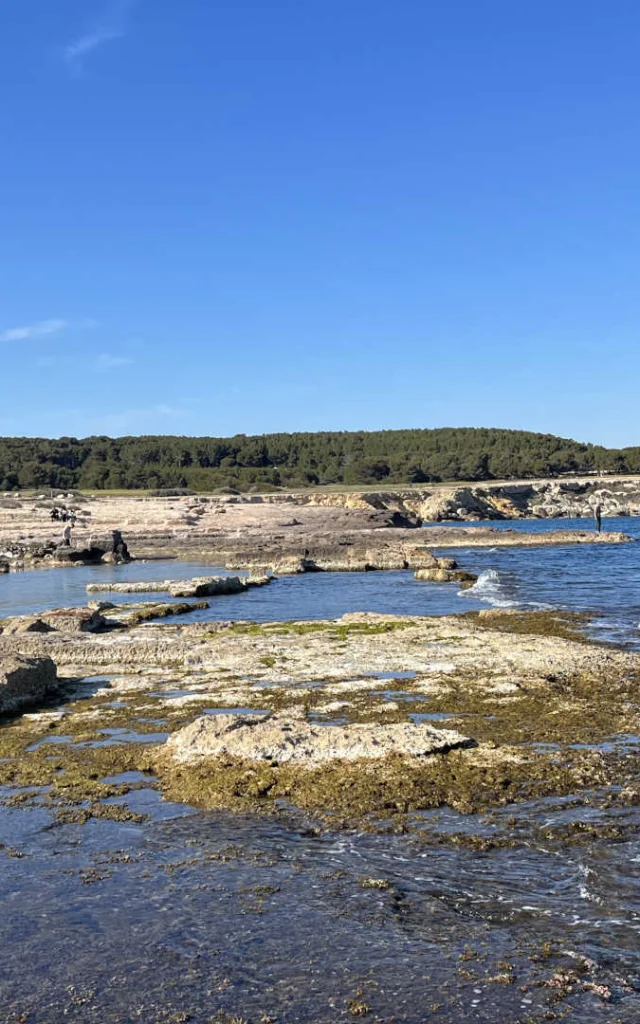
The preserved waters of the Côte Bleue, my domain

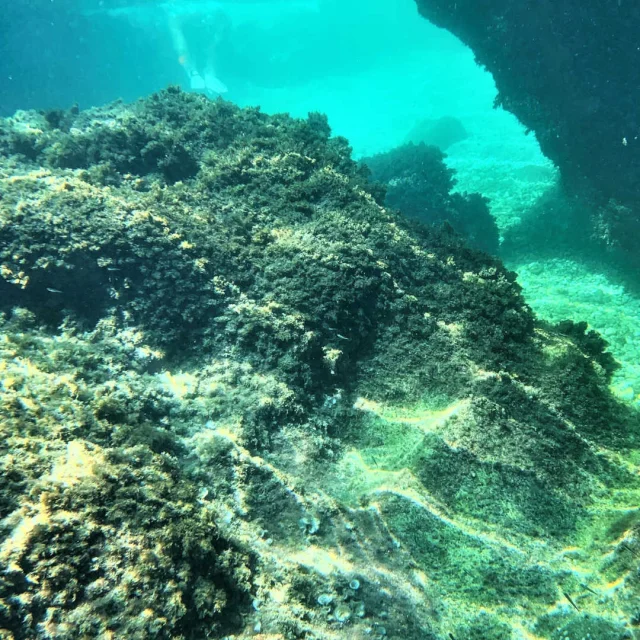
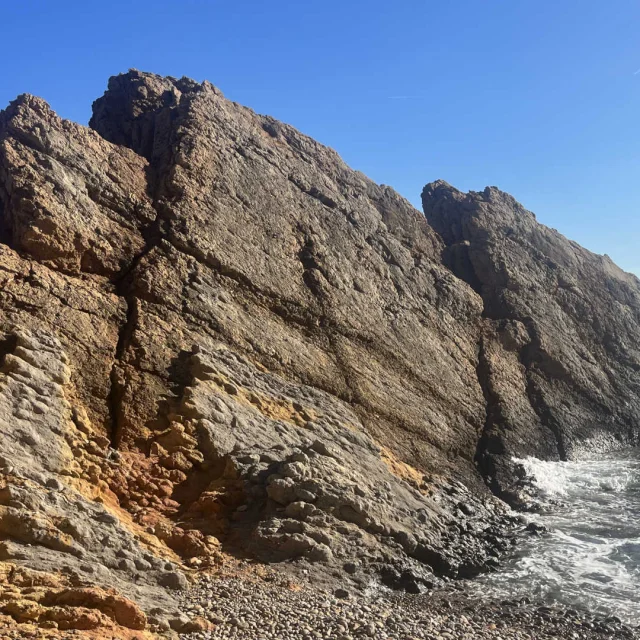
Hello, I’m Theodore, I’m 2 years old and I’m a seahorse. It’s important to know that there are several dozen seahorse species in the world, two of which live in the Mediterranean: the long-snouted seahorse (hippocampus guttulatus) and the short-snouted seahorse (hippocampus hippocampus). I have a yellow body measuring 15 cm in length and covered in little white speckles. I live in the shallows of a Calanque (coastal fjord) along the Côte Bleue – a genuine paradise inhabited by many rare and protected plant and animal species: dusky groupers (like my friend Caesar), brown meagres, loggerhead turtles, red coral and Posidonia meadows. I’m very fond of Posidonia – it’s a type of seagrass that offers me an ideal home. Some of my friends prefer roaming around in seaweed and on soft seabeds, sometimes up to depths of 30 metres.
I am a – very unique – fish!

You humans refer to me as a seahorse because of the shape of my head. Now, I have nothing against horses – they’re very nice creatures (especially the ones from Camargue) -, but it has to be said that the name is a bit of a stretch. I breathe through my gills and am therefore a FISH. A very special kind of fish though… Because I swim vertically and quite slowly, propelling myself along with my dorsal fin. What’s more, I don’t have scales, but an armour of bony rings instead. My eyes are large, very mobile and can move independently, like those of a chameleon. Impressive huh?!

I like eating and daydreaming

You might be wondering how I spend my days. Above all else I eat… I have a ginormous appetite! I especially have a taste for tiny shrimps and fry (fish that have only just hatched), which I suck up into my mouth. Apart from that, I don’t really do much. Thanks to my prehensile tail (meaning it can wrap itself around objects), I can hang onto seaweed, leaves and coral, and stay there doing nothing for most of the day. Knowing how to anchor myself is very useful when there’s a strong current too – it avoids me getting swept away. And that’s lucky, because I’m not at all adventurous. I’m very sedentary and my world is limited to a few square metres of Posidonia meadow. I’m not very adventurous when it comes to romance either, in fact, I’m completely loyal. But my dear wife Penelope and I like to keep it spicy with a long courtship ritual before mating.

How do we make babies?

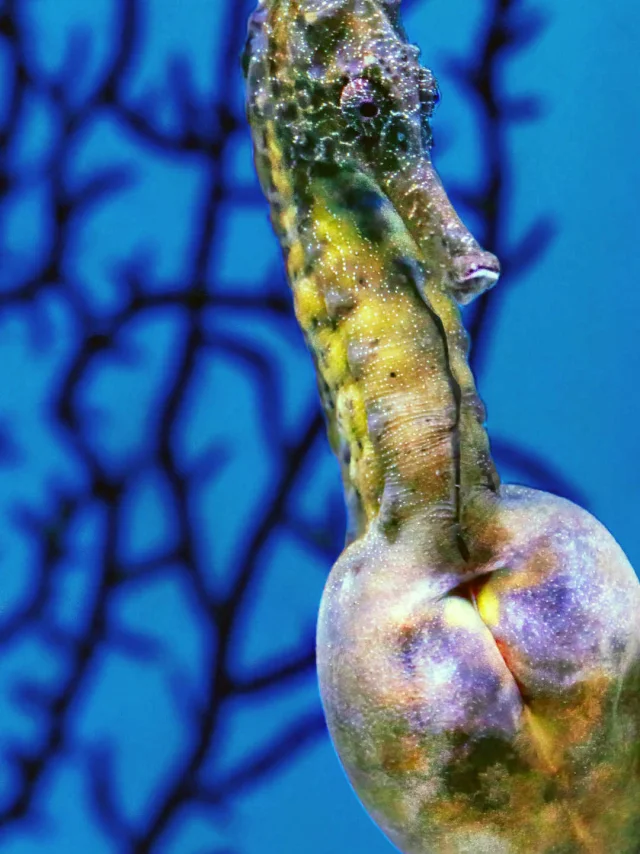
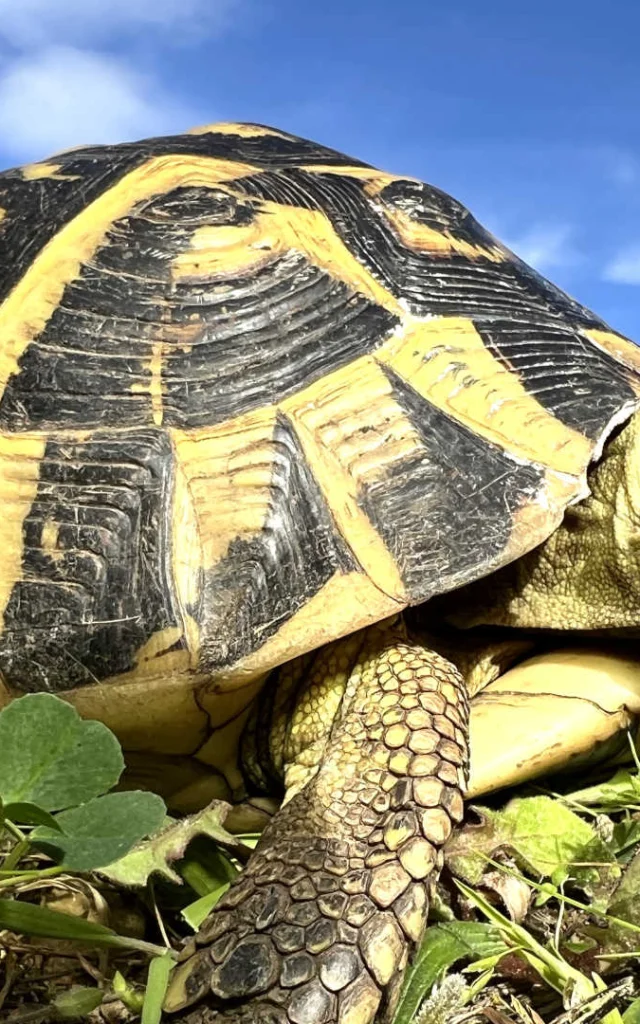
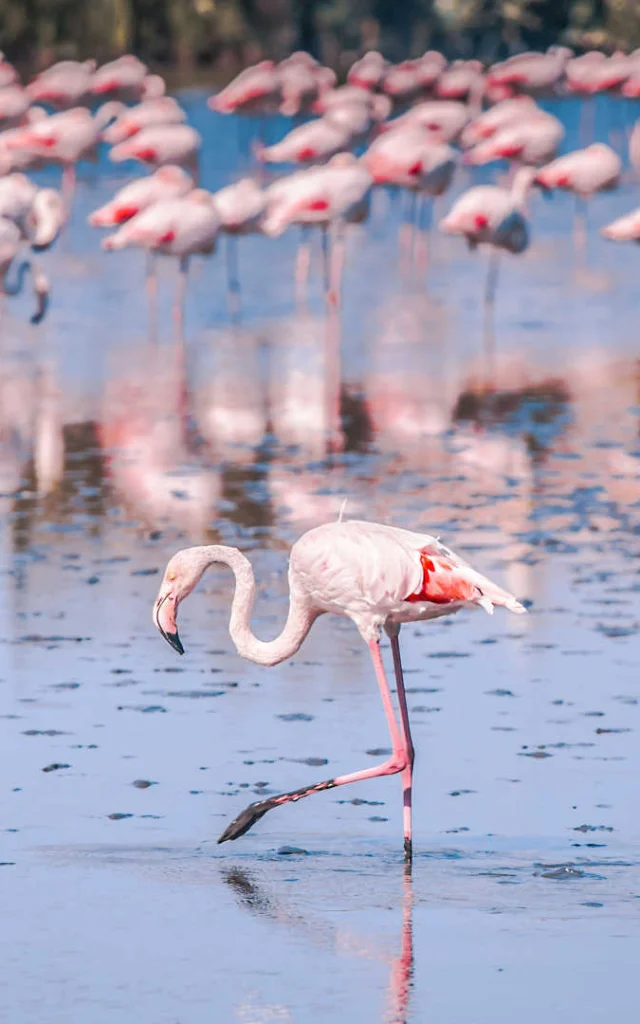
My friends, Fanny the Hermann tortoise from the Maures hills and Marcel the flamingo from Camargue, explained to you that they were born in eggs. Well, it’s the same for seahorses – except that pregnancy is a man’s affair! Once Penelope has fertilized the eggs, I carry them in what is referred to as my “brood pouch”. The contractions occur after a month and… whoosh! Out pop a hundred or so little, long-snouted seahorses measuring about a centimetre in length. They are completely autonomous as soon as they are born, and immediately go off to frolic in the water. I’ve already had so many children that I can’t remember their names. And it’s not over: I spend most of my 4-year life carrying babies!

My species is threatened

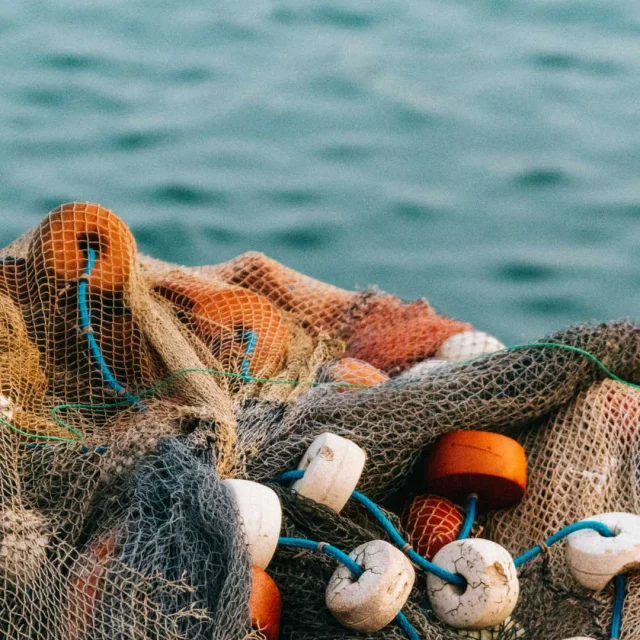
Seahorses like me have always fascinated humans like you, all over the world. And we have inspired many myths and legends since ancient times. Despite that, we haven’t always been treated well – quite the contrary in fact. For decades, my ancestors were caught, dried, varnished and sold in souvenir shops. In Asia, my cousins are still used as ingredients in traditional medicine. In Europe, we have other threats to face: the deterioration of our habitats due to coastal development, fishing boats (trawlers and dredgers), and indiscriminate fishing practises. I’m very lucky because I live on the Côte Bleue, which is part of a Marine Protected Area, so I’m a lot less affected than other seahorses. But on a planetary scale, our situation is not looking good: according to the Mediterranean Red List of Threatened Species, 15% of seahorse species are under threat of extinction.

Where can you meet me?

Dear human, thank you for caring. Knowing more about me has perhaps made you want to come and meet me in my natural environment. If that’s the case, I invite you to slip into your mask and flippers and head off to explore one of Provence-Alpes-Côte d’Azur’s snorkelling trails. You’ll find one on the Côte Bleue, where I live, but there are others where you are likely to come across my seahorse friends too. Here are a few ideas. And please remember – I am always happy to say hello from afar, but don’t try to catch me!

See you soon,

Kiss,

Theodore