



In the 16th century, Tarascon was a stopover town for the movement of troops, which meant that the residents of the town were forced to house and feed the soldiers. In 1695, the town received authorisation to build barracks.
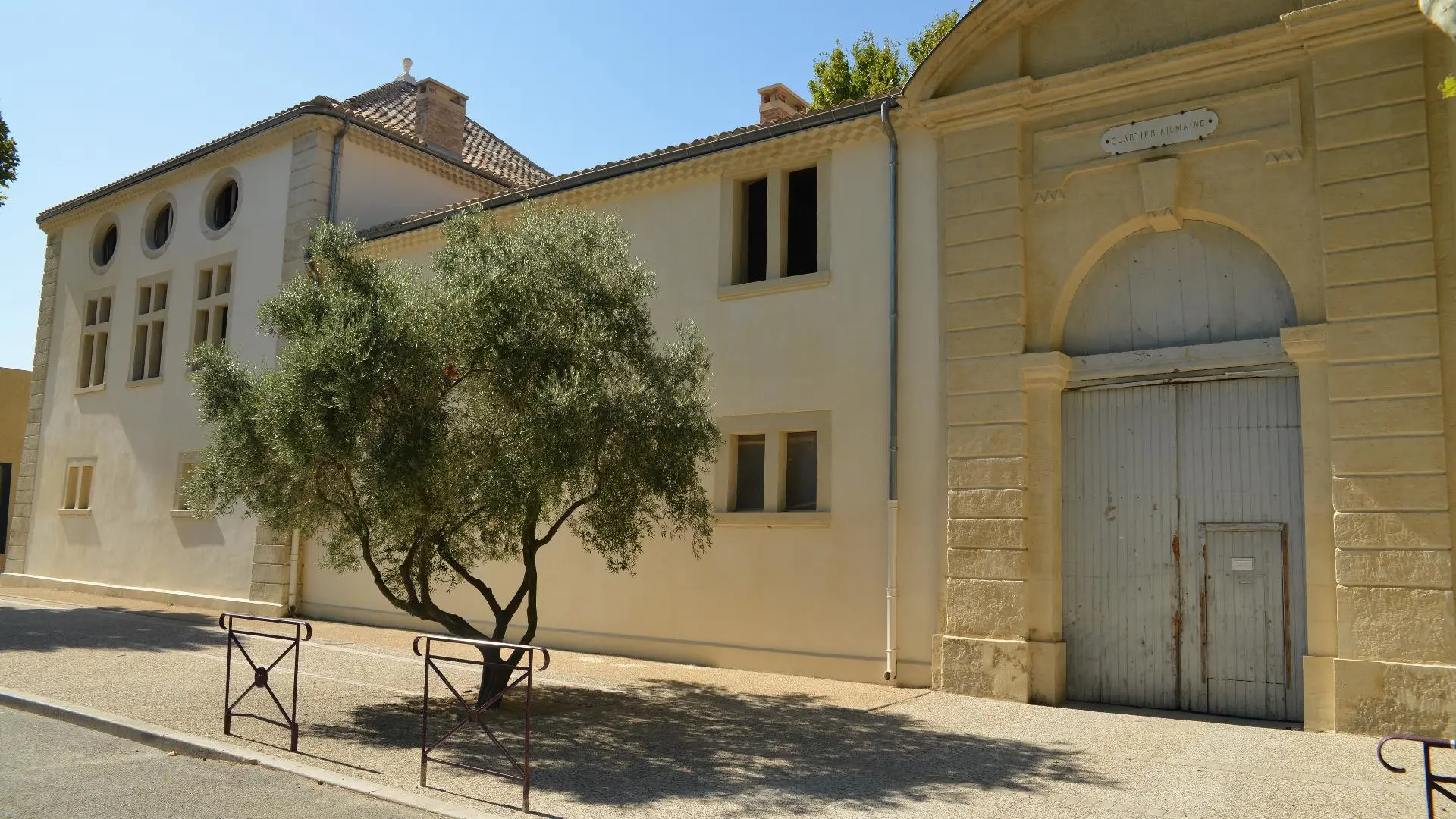
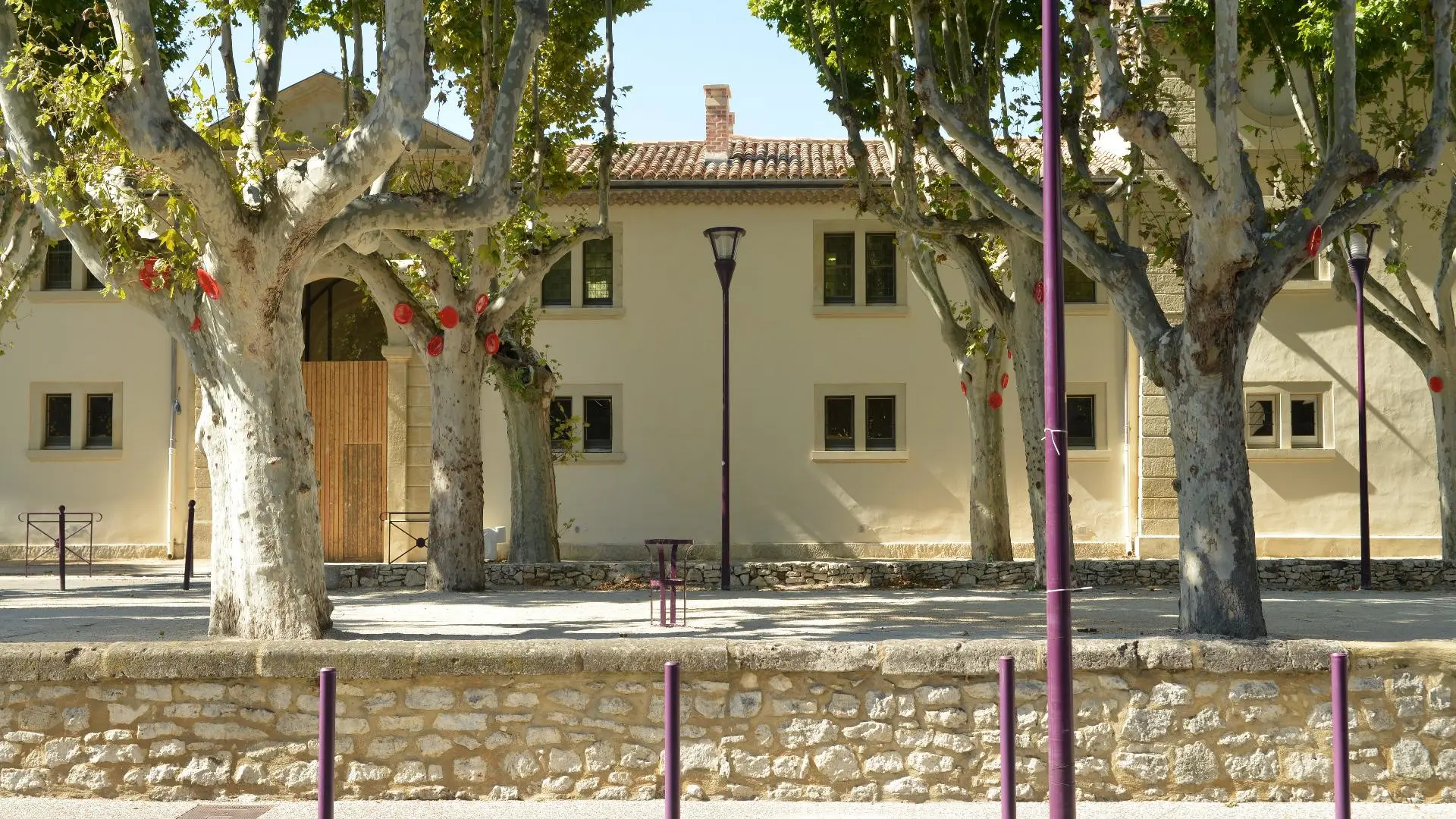
Construction began in 1718 according to plans drawn up by Desfour. The main section, organised around a huge courtyard, was reserved for the cavalry. The smaller section was divided into two courtyards, one for the infantry and the other for supply shops. The buildings had two floors and were flanked with corner pavilions. The ground floor was organised into vaulted rooms reserved for stables and the upper floor consisted of bedrooms for the soldiers. The wing between the two sections was occupied by administrative offices. In the 18th century, these buildings could house up to 1,275 men and 500 horses.
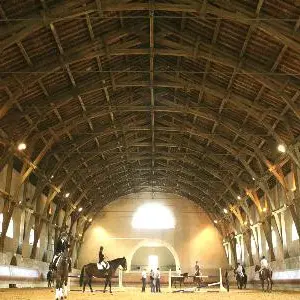
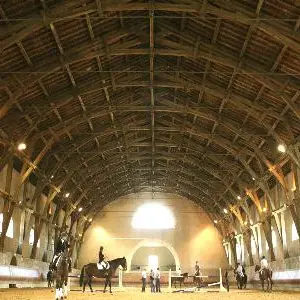
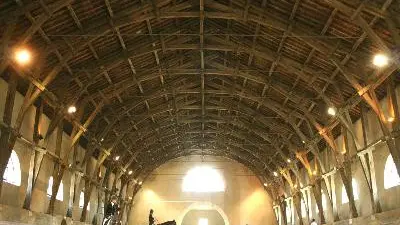
The barracks were first extended between 1834 and 1840 and additional buildings were added between 1844 and 1845. The horse ring was built in 1846 and the disciplinary rooms in 1862. In 1877, it became necessary to build another three buildings to be able to store more fodder. By the end of the 19th century, the complex also had kitchens, canteens and an infirmary. In 1911, a new horse ring was built under a metal framework.
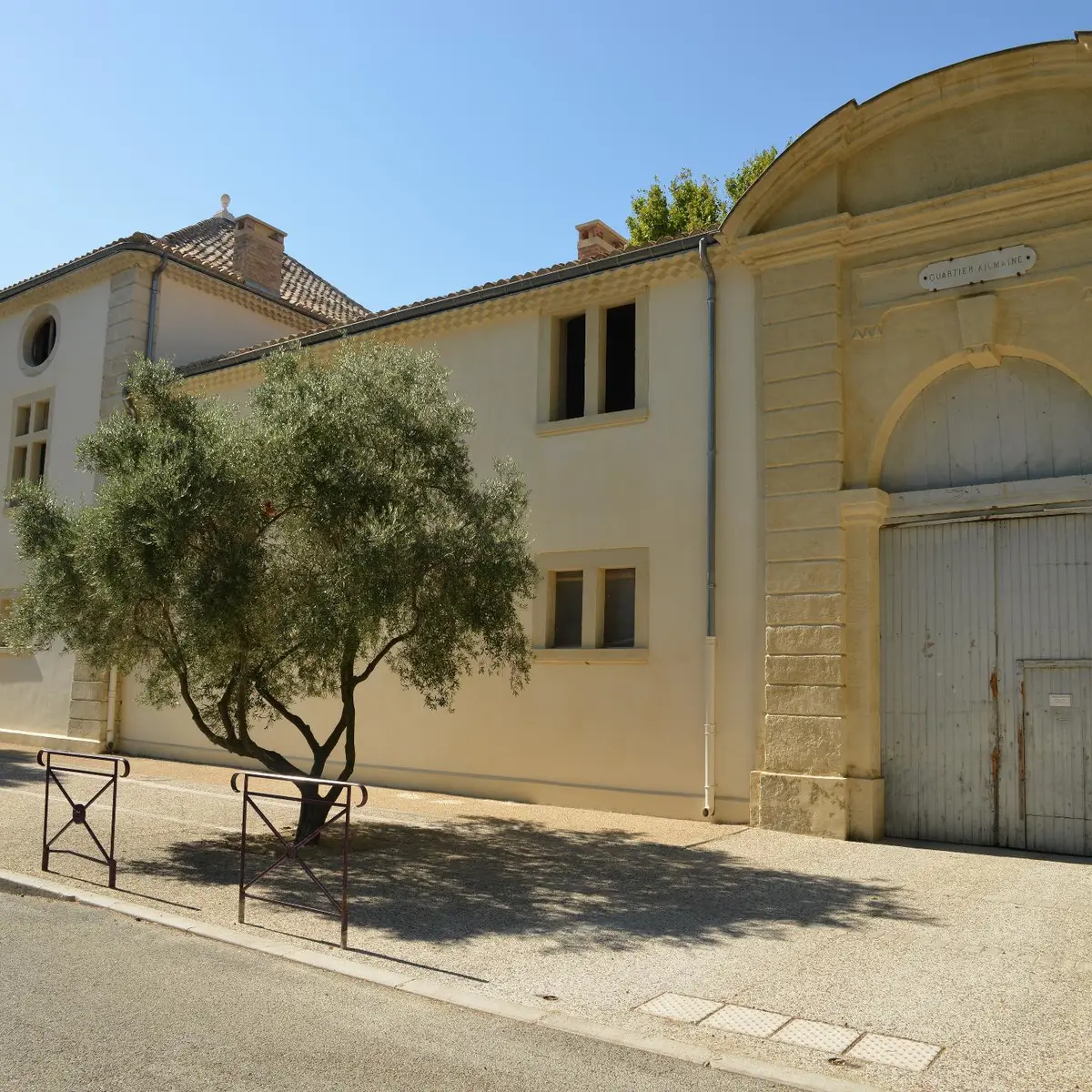
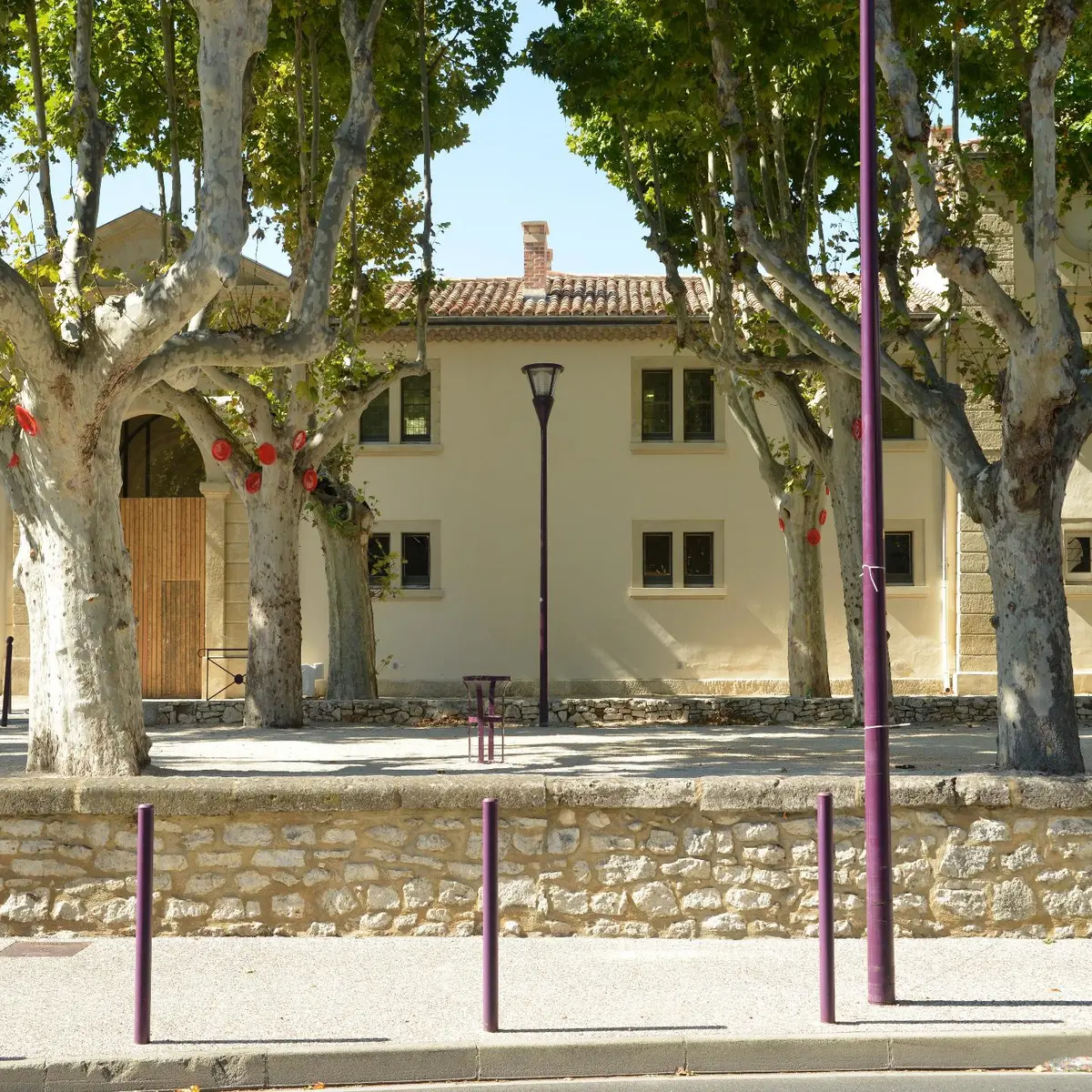
The site occupied by the Army until 2000 was returned to the local authorities, who have now redeveloped it and assigned other uses to it. The former barracks, now called the Kilmaine district, house the Cité du Cheval (training school for equestrian professions), the Juvenile Court, the Maison des Associations, the Town's Cultural Centre, including the Music School and the future Courthouse.
Accessible for disabled
Construction began in 1718 according to plans drawn up by Desfour. The main section, organised around a huge courtyard, was reserved for the cavalry. The smaller section was divided into two courtyards, one for the infantry and the other for supply shops. The buildings had two floors and were flanked with corner pavilions. The ground floor was organised into vaulted rooms reserved for stables and the upper floor consisted of bedrooms for the soldiers. The wing between the two sections was occupied by administrative offices. In the 18th century, these buildings could house up to 1,275 men and 500 horses.
The barracks were first extended between 1834 and 1840 and additional buildings were added between 1844 and 1845. The horse ring was built in 1846 and the disciplinary rooms in 1862. In 1877, it became necessary to build another three buildings to be able to store more fodder. By the end of the 19th century, the complex also had kitchens, canteens and an infirmary. In 1911, a new horse ring was built under a metal framework.
The site occupied by the Army until 2000 was returned to the local authorities, who have now redeveloped it and assigned other uses to it. The former barracks, now called the Kilmaine district, house the Cité du Cheval (training school for equestrian professions), the Juvenile Court, the Maison des Associations, the Town's Cultural Centre, including the Music School and the future Courthouse.
Accessible for disabled
