Sainte Victoire Aix-en-ProvenceSainte Victoire Aix-en-Provence
©Sainte Victoire Aix-en-Provence

Provence through the eyes and works of Cezanne

Aix-en-Provence is the historical capital of Provence, and a real gem of heritage and culture. It was also Paul Cézanne’s birthplace. The artist was fascinated throughout his life with his birthplace, and painted Provence from every angle. From the town centre to the gentle surrounding countryside, take a tour in the artist’s footsteps.

In the privacy of Le Jas de Bouffan

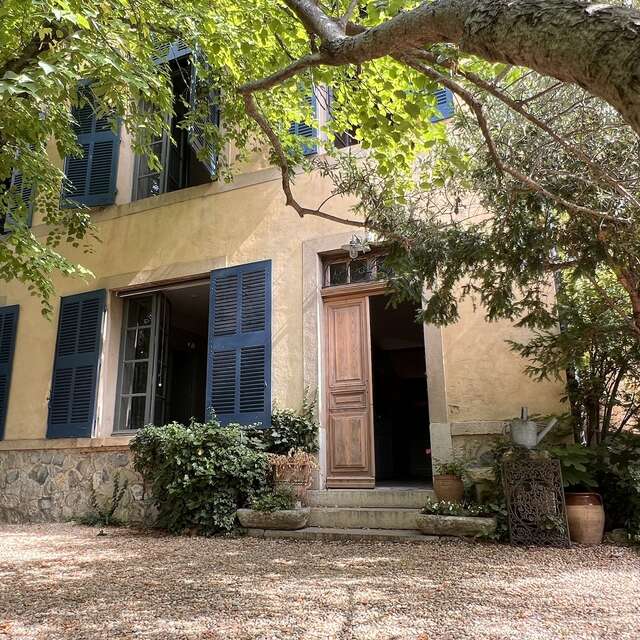
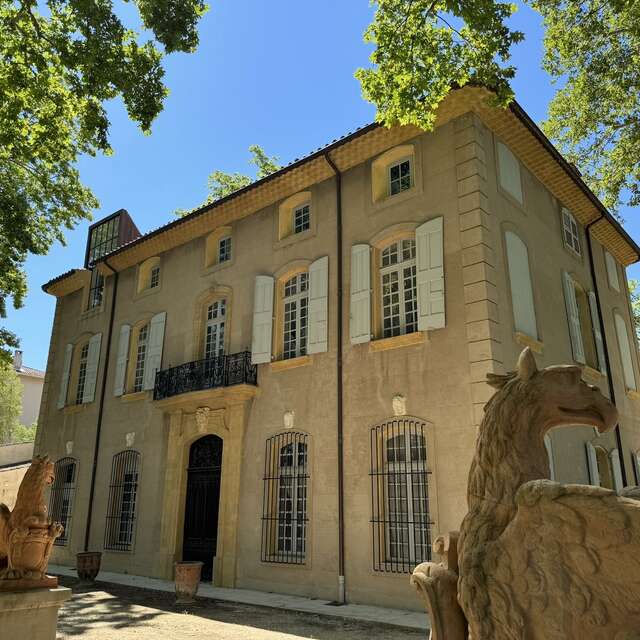
Le Jas de Bouffan was Cezanne’s family home and a private sanctuary to which the painter remained strongly attached all his life, until he no longer set foot there following his mother’s death in 1897. Acquired in 1859 by the painter’s father, the typically Provençal house was a source of inspiration for more than 40 years, and he painted no less than 36 oils and 17 watercolours there. The Jas de Bouffan was restored for the Cezanne 2025 year, and you can now visit several rehabbed rooms, including Cezanne’s first studio, the big Provençal kitchen, Madame Cezanne’s bedroom and the great staircase. Temporary exhibition rooms showcase the artist’s works, and new relaxation, conference and restaurant rooms are available to the public. As to the 5-hectare park, it invites you to follow an immersive pictorial route through a lush setting.

In paintings such as Le bassin du Jas de Bouffan, La maison du Jas de Bouffan and Les marronniers du Jas de Bouffan en hiver, the artist gives us a personal and contemplative view of his familiar environment. Under his brush, the elements of the estate – the chestnut tree drive, the pond, the wash-house – all become a subject of study and transfiguration.


Gardanne, the Provençal village

The Gardanne period marks a turning point in Cezanne’s artistic evolution. Installed in this typically Provençal village with his wife Hortense and their son Paul, he developed what the biographers later named his “constructivist” style. His painting became more structured and more architectural.

Cezanne multiplied perspectives of Gardanne, painting the village from different viewpoints and at different times of day. Le village de Gardanne, Gardanne (horizontal view) and Gardanne (vertical view) show his methodical approach and will to grasp the space from every angle. He also explored the vicinity, as can be seen in his painting Hameau à Payennet près de Gardanne.

L’Estaque: red roofs and blue sea

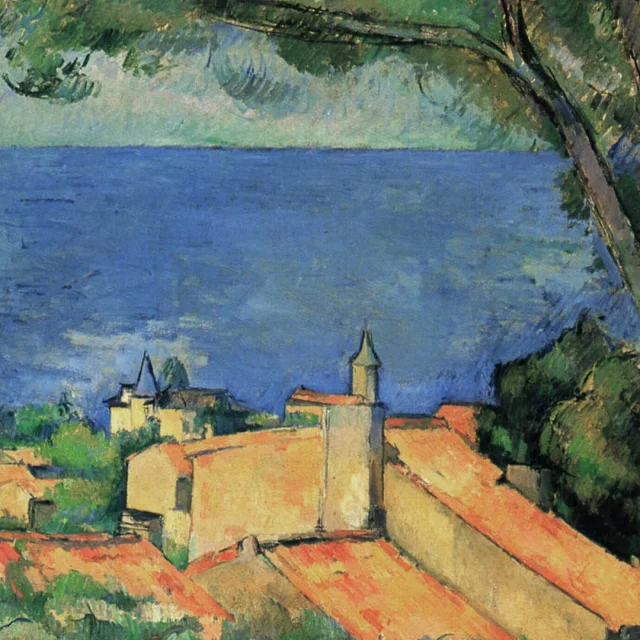
For Cezanne, l’Estaque represented an area of freedom in contrast with the privacy of the Jas de Bouffan. This quarter of Marseille, which he knew before it was modernised and industrialised, became one of his greatest pictorial obsessions. The Bay of Marseille, contemplated from the heights of L’Estaque, inspired landscapes with intense and contrasting colours.

In his paintings such as le Golfe de Marseille vu de l’Estaque, L’Estaque aux toits rouges or L’Estaque vu à travers les arbres, the picturesque decor of what was at the time a simple fishing village stands out against the deep blue of the Mediterranean. These works show his fascination for the play of light and colours so typical of this unique place where land and sea come together under the bright Provençal sky.

From the Route du Tholonet to Château-Noir

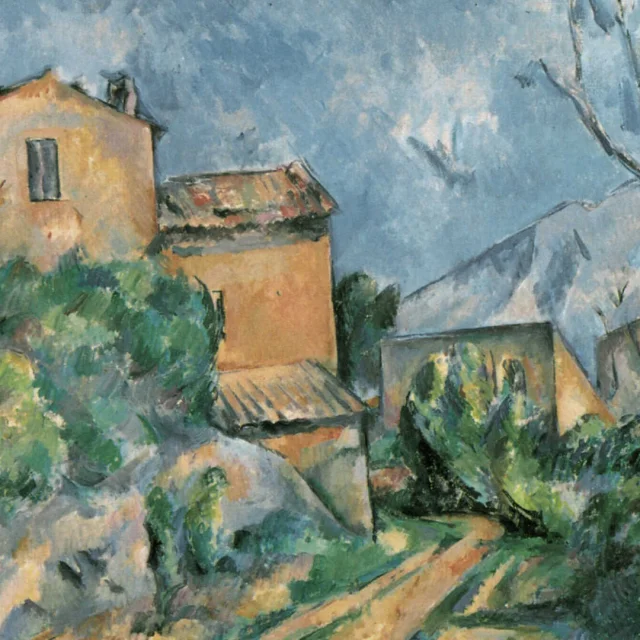
In 1887, Cezanne was living in a little apartment in the middle of Aix, at No. 23 Rue Boulegon, and was looking for isolated places where he could work in peace. Château-Noir became a privileged creative refuge where he managed to rent a small room as he could not purchase the whole building. This site and the surrounding area became a major source of inspiration for the artist. The little Route du Tholonet, which has now been rebaptised Route Cezanne, offers changing perspectives that the painter captured in La Route du Tholonet et Les pins parasols. The path leading to Château-Noir shows wide open viewpoints over the Montagne Sainte-Victoire and secret nooks that Cezanne was particularly fond of, under the pine trees or near the little “Maison Maria”.

Works such as Le pistachier dans la cour de Château-Noir, Rochers près des grottes au-dessus de Château-Noir and all the paintings entitled “Château-Noir” bear witness to the artist’s attachment to this mysterious, inspiring place. La montagne Saint-Victoire vue d’un bosquet, près de la terrasse de Château-Noir perfectly illustrates how this site enables the painter to conjugate his love of private spaces and panoramic views.

The Bibémus quarries: emancipation and an initiation to cubism

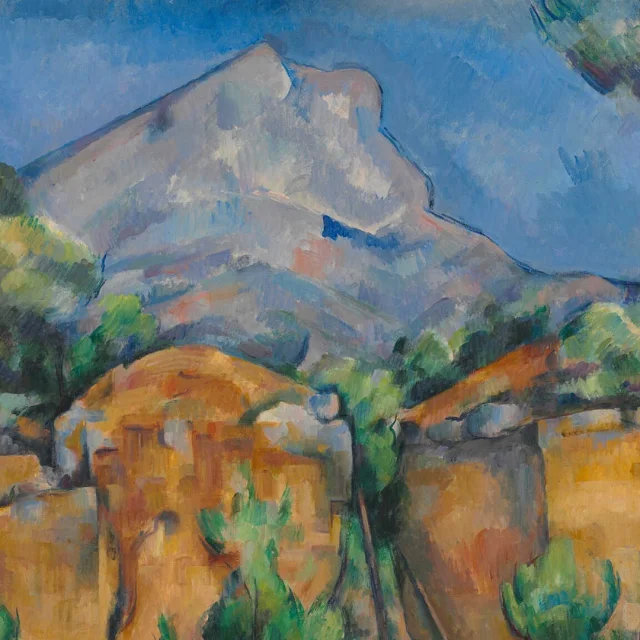
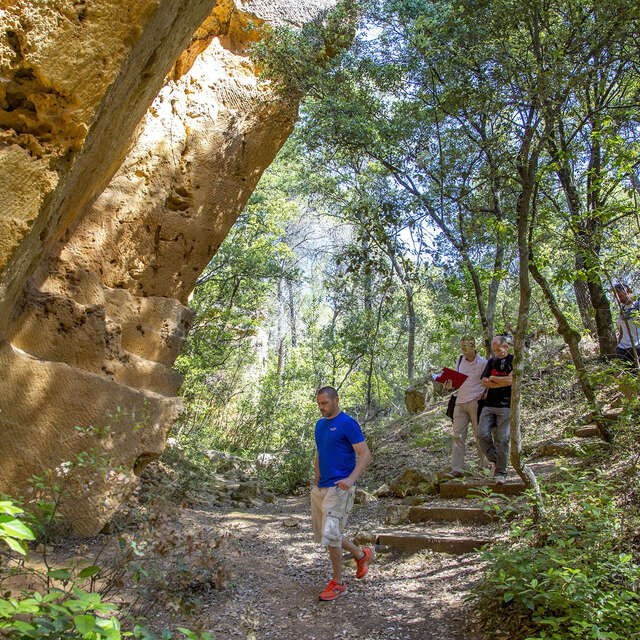
The Bibémus quarries, on a vast rocky plateau, were once exploited for building the houses in Aix. When Cézanne discovered this abandoned place where the vegetation had already taken over, he fell in love with it. So he decided to rent a small cottage nearby to immerse himself in this very special atmosphere for a while. Today, you can tour the place in an immersive experience of the painter’s life. Discover the deserted landscapes which inspired this painting made up of trees, orange rocks and the blue Aixois sky, and also an unusual geometry which was the beginning of cubism. Walk along the hiking trail, at the foot of the Grand Site de la Sainte-Victoire, which goes past the cottage with the red shutters where his works were housed. Both part of the mineral and plant world, this landscape inspired 10 of his oil paintings and 16 watercolours, among them La carrière de Bibémus, Bibémus: le rocher rouge ou Rochers et branches à Bibémus. The geological compositions of the place also enabled him to experiment with new perspectives of his eternal muse, as in Sainte-Victoire dominant les carrières de Bibémus.

For the Cezanne 2025 year, several one-time cultural events are planned. See the calendar to find out more!

La colline des Lauves and the wide open views of Aix and the Montagne Sainte-Victoire

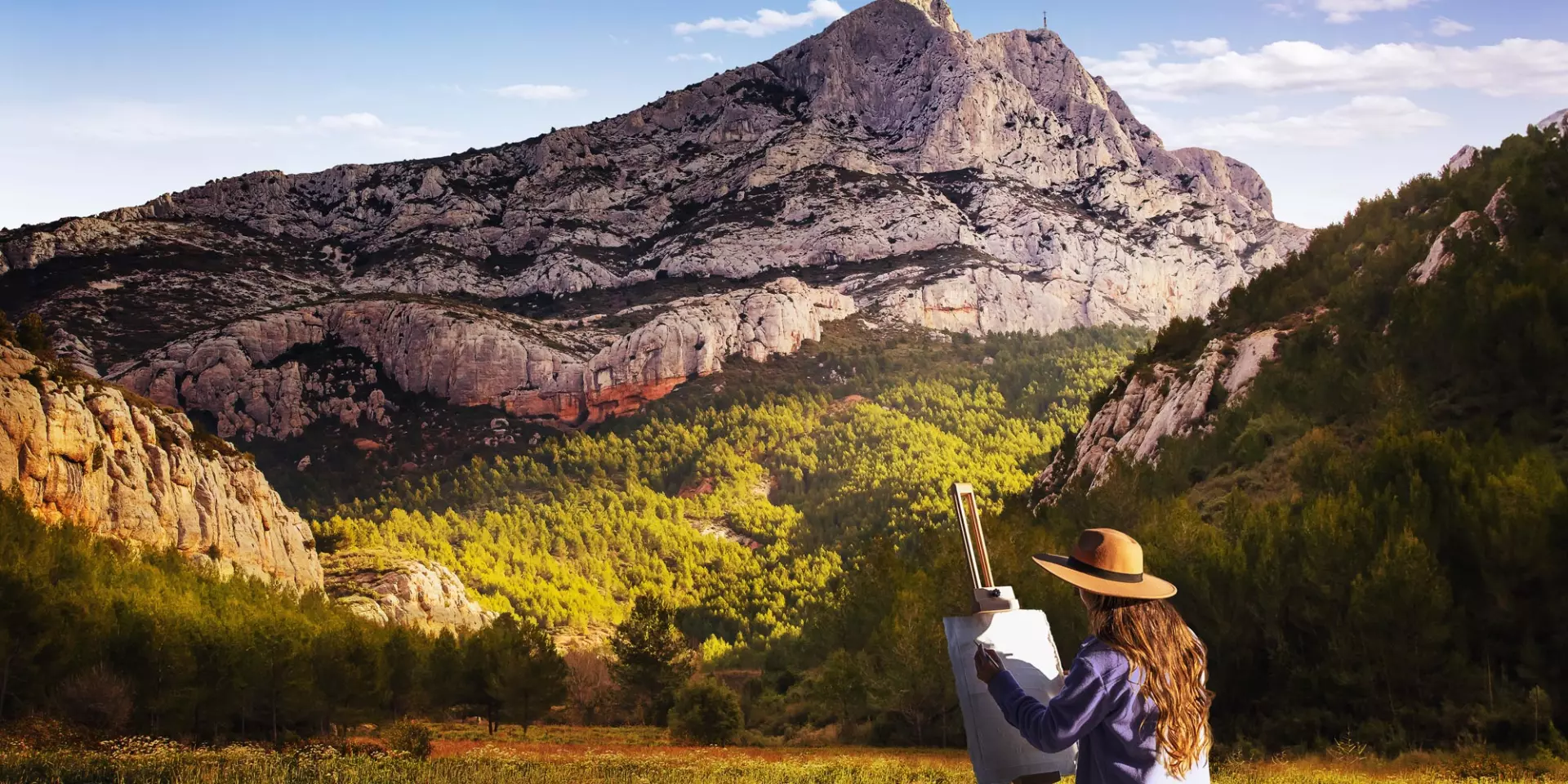
At the end of his life, in 1902, Cezanne kept his apartment in the centre of the town, but had a studio-house built on the Colline des Lauves. From this high point, he had an incredibly clear view of Aix-en-Provence, immortalised in La Cathédrale d’Aix vue de l’atelier des Lauves. Bathed in light, this unique place where silence reigns saw the birth of part of his work Les Grandes Baigneuses. He also made the most of it to explore the wilder surrounding area of the hill and discovered some exceptional views of the Pays d’Aix and his beloved Sainte-Victoire. The many versions of La montagne Sainte-Victoire vue des Lauves bear witness to his obsession with this natural monument that he would never stop reinterpreting.

The Lauves studio has become a life-sized museum and has been entirely renovated and retrofitted for the Cezanne 2025 year. You now have access to the rooms on the ground floor, which had been closed up until now: the kitchen, the dining room and the drawing room. There you can see a unique presentation of the painter’s collections among his personal objects, equipment and correspondence. And, thanks to the acquisition by the town of Aix-en-Provence of Campagne Girard, the property next to the studio, the public is now welcomed via this Aixois house. It also houses a shop, teaching workshops and a light refreshment area.