Dji 0502Dji 0502
©Dji 0502|HelloLaroux
[SLOW EXPERIENCE IN PROVENCE]

From Marseille and the Côte Bleue to the Luberon

❤️ Provence is a region that inspires contemplation, well-being and culinary pleasure, and captivates visitors with its diverse landscapes that offer endless opportunities for adventure. What better way to reconnect and savour all these facets of Provence than by using sustainable transport? What’s more, it’s good for the planet. We have carried out several slow experiences, the third of which is presented here, entirely on foot, by bike and by public transport (bus and train), to offer you the opportunity to experience this same circuit in the most carbon-neutral way possible.

Follow this 6-day itinerary to reach the Luberon from the Mediterranean Sea, passing through towns steeped in history. By train, bike and on foot, we set off to stroll through the narrow streets of Martigues, Marseille, Istres and Apt. Easily accessible from Marseille’s Saint-Charles train station, this itinerary will prove once again how enjoyable it is to travel by low-carbon transport in our beautiful Provence region.

Depuis Marseille et la Côte Bleue jusqu'au Luberon

Day 1: From Marseille to Martigues

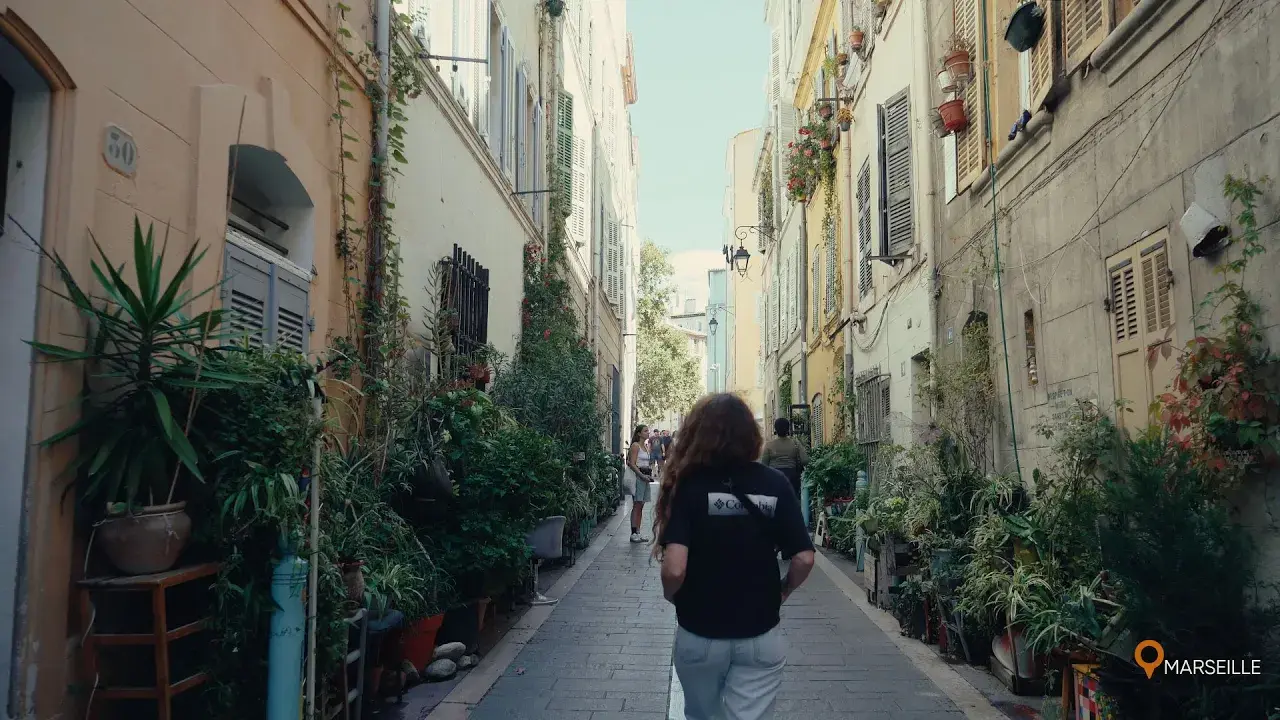
Our adventure begins in the heart of Marseille, on the forecourt of Saint-Charles station. Perfectly located, it offers quick access to the Old Port, the nerve centre of the Phocaean city. From here, we wander at our leisure along the port, looking for the tallest mast and the most beautiful boat. Very quickly, we find ourselves in the narrow, flower-filled streets of Le Panier. This neighbourhood is largely pedestrianised, inspiring us to stroll around. We wander at random through the winding streets. We head towards Rue du Panier, then Rue du Petit-Puits with its craft shops, ending up at the always lively Place de Lenche.

It’s impossible to visit Le Panier without stopping by the Mucem, its footbridge and gardens. We then return to the station to continue our adventure, which is only just beginning.
Hop on the Côte Bleue train

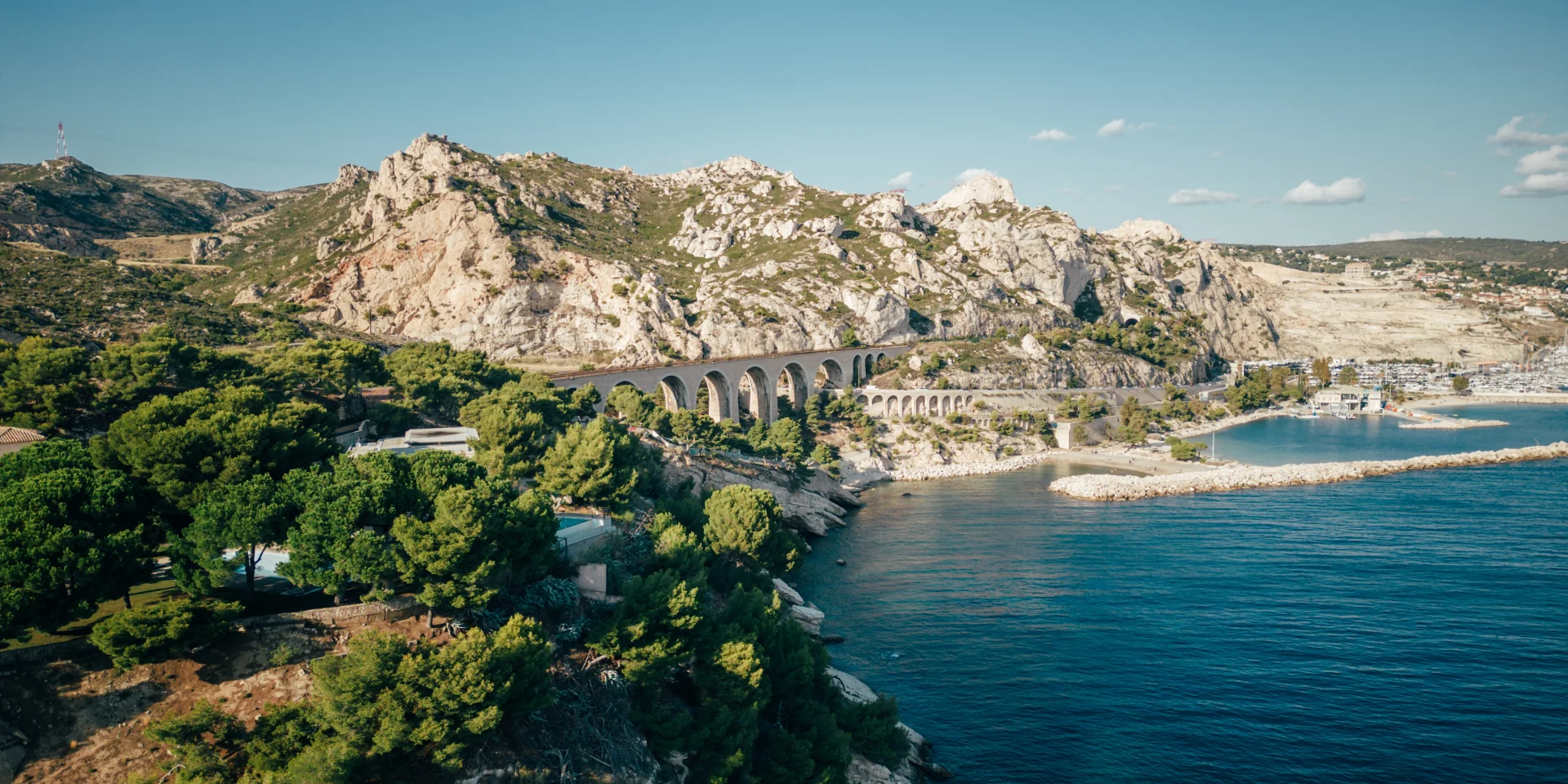
We’re boarding one of the most unusual railway lines in Provence, and even in France. Clinging to the side of a cliff, it crosses the chaotic Nerthe massif and races along the coast to Miramas.

The unique feature of this train is that it offers views that only it can provide. What a privilege! We pass through the Estaque district, a few secret coves and sheer cliffs. Our eyes are fixed on the sea and the sparkling blue that we never tire of admiring. Could there be a better passenger than the Mediterranean itself?

The journey, punctuated by 23 tunnels, 18 viaducts, 2 bridges and 1 canal, promises to be spectacular. Depending on your preferences, you can travel directly to Miramas or make several stops in Niolon, Carry-le-Rouet or Sausset-les-Pins for a dip in the sea.

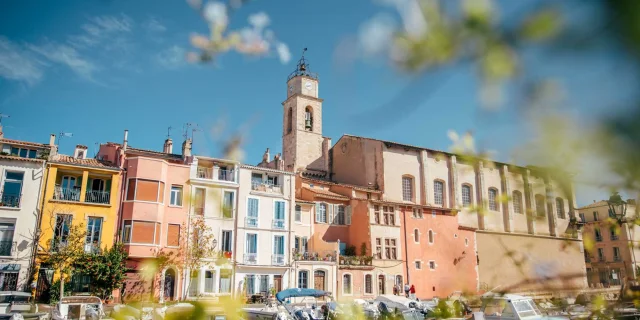
We opted for a stop in Martigues, which we like to call ‘the Venice of Provence’. We hopped on a bus to the city centre, just in time to enjoy the evening light illuminating the island (a must for photographers, but not only!).

→ You can find the route we took here.

Tips and top addresses for day 1:

  • Getting to the Old Port from Saint-Charles: 2 metro stops (blue line) or a 15-minute walk.
  • Marseille <> Martigues: 50 minutes if you don’t make any stops (€9.70 per ticket)
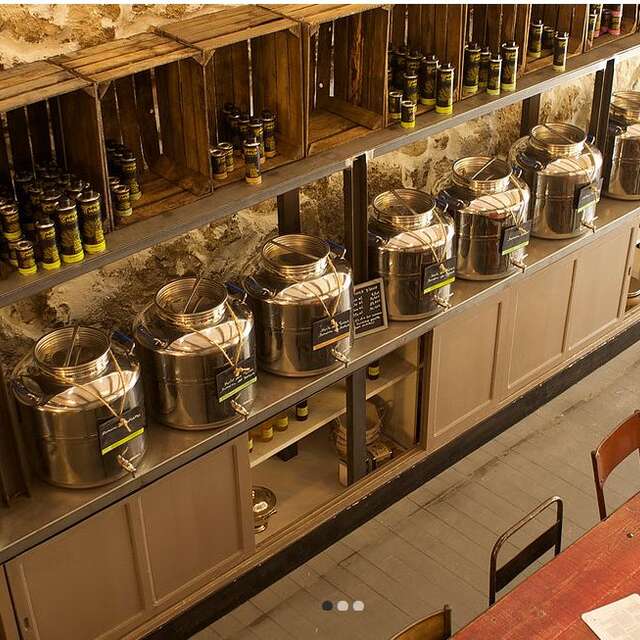
  • Shopping in Marseille: discover the craftsmanship and tradition of santons at Arterra; La Boule Bleue (to bring back a small pétanque ball) and Comptoir O’Huiles (to become an expert on olive oil).
  • Our top tips in Marseille: the unmissable navette, a typical Marseille biscuit that you absolutely must try! For lunch, we recommend Placette, Le Plongeon or La Table d’Augustine, all of which are sure to please.
  • Getting around Martigues: a €2 bus ticket is valid for travel in Martigues and the surrounding towns (including Istres and Salon).
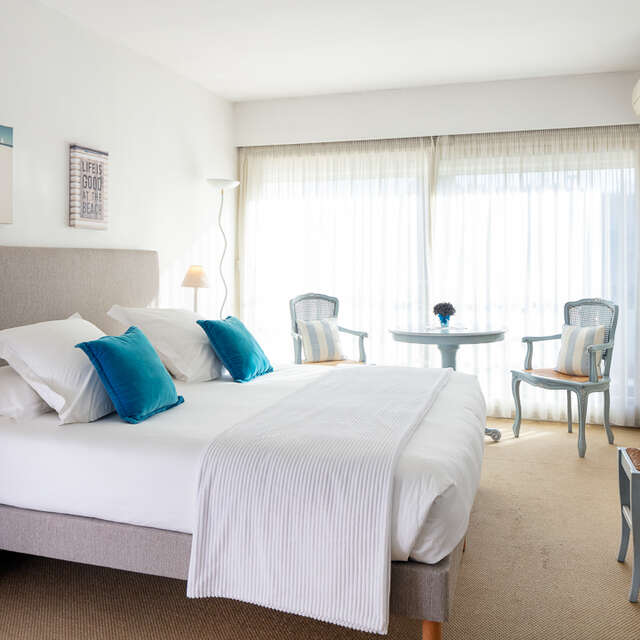
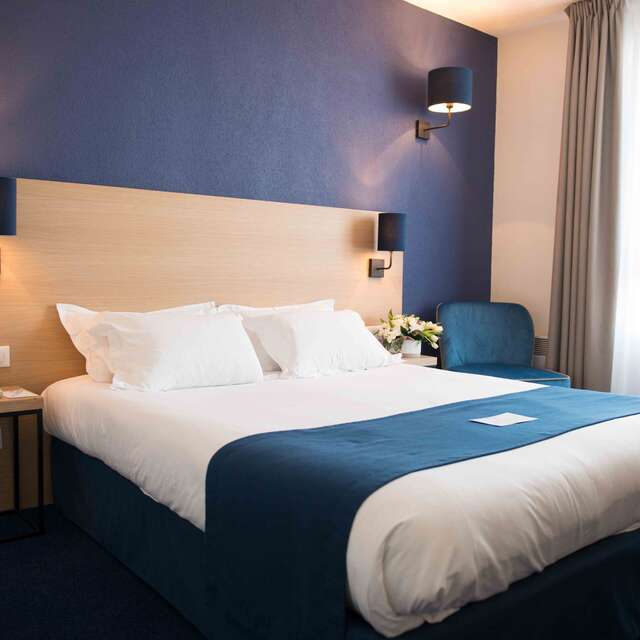
  • Where to stay in Martigues: the Clair-Hôtel is the perfect place to drop your bags and explore the centre of Martigues. The rooms are charming, combining modern and traditional styles. We love it!

Day 2: Martigues, the Venice of Provence

Although Martigues is a small town, it is nonetheless pleasant and surprising. To visit it, you first need to understand that it is made up of three districts with very different atmospheres: the island, Ferrières and Jonquières. Connected by bridges, it is also possible to travel between these districts using a free water shuttle (the journeys are short but very enjoyable).

Inevitably, our day of exploring Martigues begins on the island, the main and historic district where a dolce vita atmosphere reigns. With its pastel colours, small port with its bird mirror and majestic Provençal Baroque church, it is no surprise that many painters have been inspired by this district.

We follow the sea spray that guides us along the Galliffet Canal to the Étang de Berre, where we find the Parc de la Rode. If you feel like it, you can take a dip at Ferrières beach along the way. On the other side of the lagoon, which resembles an inland sea, Sainte-Victoire stands like a watchtower in the middle of Provence.

It’s time to move on to our next stop. Always striving to minimise our carbon footprint, we opt for the bus, which is easy to catch from Place des Aires, heading for Istres.

Visit to Istres

To discover Istres, we followed two itineraries suggested by the tourist office. The first, ‘from one beautiful view to another’, took us along the Berre lagoon, through a beautiful pine forest where there are many places to stop for a swim or to contemplate the scenery. A little later, on our way back to the historic centre, we followed an audio tour marked by 12 stops starting at the Porte d’Arles. This tour plunges us into medieval times with lots of anecdotes about the narrow streets, old wash houses, bread ovens and the role of certain old buildings. The highlight of the tour ends on the square in front of the Notre-Dame-de-Beauvoir church, where you can enjoy a beautiful view of the Olivier pond.

→ You can find our tour of Martigues here and our tour of Istres here.

Tips and top addresses for day 2:

  • Our recommendations in Martigues: Maison Gaillard for gourmet burgers (but at an affordable price). Or Le Miroir restaurant in the heart of the historic district, right on the waterfront. For a sweet treat, we recommend Gelateria Arnaldo.
  • Martigues <> Istres: bus 26 from Place des Aires (approx. 50 mins)
  • Where to stay in Istres: we recommend staying at the Hôtel Castellan, which is well located, very cosy and run by a lovely couple. Bonus: a swimming pool that’s hard to resist.
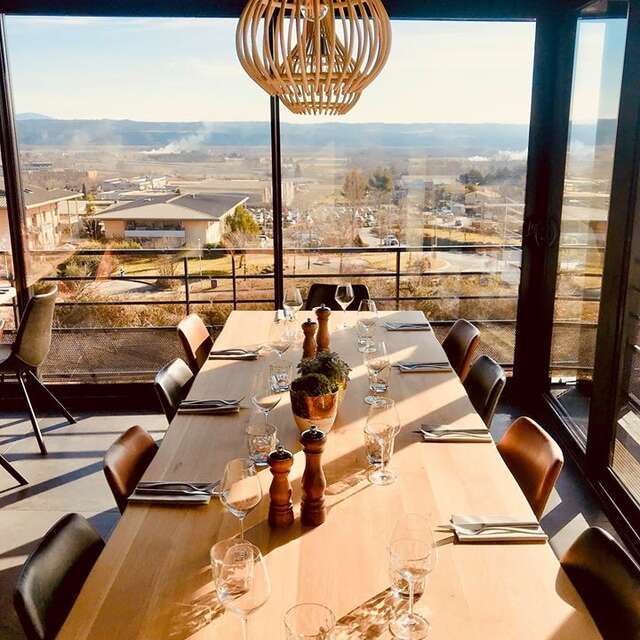
  • Where to eat in Istres: La Table de Clo, good food at reasonable prices. If you’re looking for a more bistronomic experience, try Au Pilon (booking recommended as the dining room is small).

Day 3: Visit to Salon-de-Provence

As soon as we arrive by bus in Salon-de-Provence, we fall in love with the place. The slender houses and elegant historic centre are evidence of the town’s prosperous commercial past, thanks to oil and soap. One of the most famous soap factories still remains: Marius Fabre. We walked over to the factory, which offers free guided tours. It’s a great way to learn about how soap is made and how to recognise genuine Marseille soap.

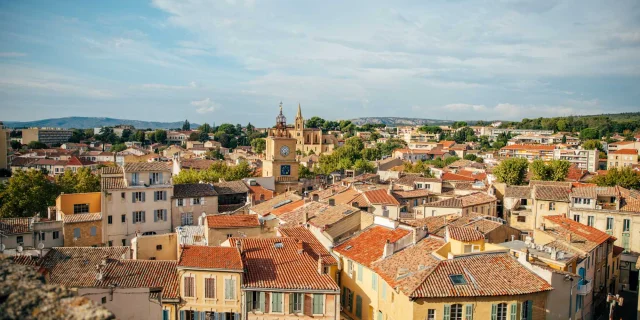
As always, we recommend wandering around at your leisure. That’s what Provence is all about: letting yourself be carried away by a scent, a sound, a light. In the centre, you can’t miss the clock tower and the mossy fountain. Finally, for a bird’s eye view, head to the Château de l’Empéri, where the view over the rooftops of Salon-de-Provence will leave you speechless.

→ Follow in our footsteps in Salon-de-Provence here.

Tips and top addresses for day 3:

Istres <> Salon-de-Provence: bus 1 from Istres bus station (approx. 45 mins)

Our recommendations in Salon-de-Provence: We had a wonderful meal at Le Bistrot du Potager on their terrace in the shade of a huge fig tree. The dishes are delicious, colourful and seasonal. A wonderful place to eat. Another option we tried was the Pizzeria Lou Paradou restaurant.

Where to stay in Salon-de-Provence: La Maison d’été ***, a beautiful character house with 17 rooms. We absolutely loved it!

Guided tour of the Marius Fabre soap factory: free for individuals on Tuesdays, Thursdays and Saturdays at 10:30 a.m. or Wednesdays and Saturdays at 2:30 p.m.

Château de l’Empéri: access to the ramparts and gardens is free

Day 4: Saddle up on EuroVelo 8

We were determined to cycle a section of EuroVelo 8, the legendary route that crosses Provence from one end to the other. From Salon-de-Provence, we headed to Cavaillon, a strategic starting point for the day’s cycle ride and easily accessible for VélocSud, a company that delivers bikes to your chosen location. Cavaillon is 35 kilometres from Apt in the heart of the Luberon massif. This short stage to warm up is almost entirely on the Calavon greenway, a former railway line that once linked Cavaillon to Volx.

Check your tyre pressure, attach your phone to the handlebar grip and saddle up for the ride to Apt. Provence is the ideal place to enjoy a bike ride. From sun-drenched vineyards to picturesque medieval villages, all your senses will be awakened. Just stop in Beaumettes in the shade of a plane tree to capture the essence of the region. Vibrant, authentic and endearing, just like in Pagnol’s films. Take the opportunity to grab a bite to eat at the Bistrot de Pays l’Imprévu (limited menu, local produce, friendly service).

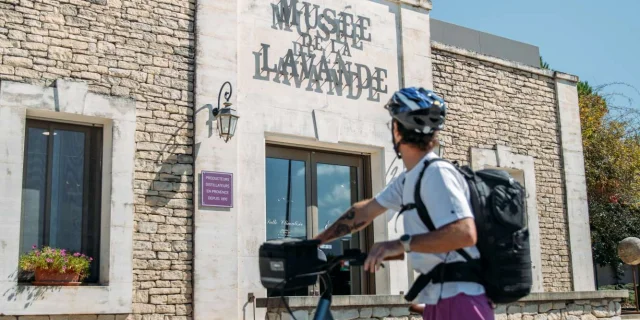
Depending on your interests, you can stop off at the Lavender Museum (to learn how to tell the difference between lavender and lavandin, and do some shopping) or at the Moulin Saint-Augustin for an olive oil tasting. A little further on, in the old Bonnieux railway station, the Blachère Foundation is definitely worth a visit. As Africa’s first contemporary art foundation, two major exhibitions are held each year, offering a truly fabulous visual experience.

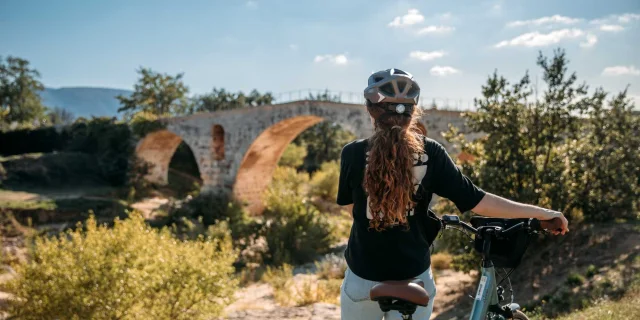
Another remarkable site on this day is the Pont Julien, an imposing relic from Roman times that you will need to cross. And with little effort (or almost none), we arrive in Apt, a fortified town between the Lure mountain and the Luberon, a well-kept secret in the shadow of the villages of Rustrel, Roussillon and Saignon. We then swap our bikes for walking shoes. Apt shines with its pastel-coloured streets and well-preserved monuments. It’s a real treat to lose yourself here. And speaking of treats, at the end of the day, indulge in an ice cream or the famous candied fruits, the pride of the town.

→ The GPX track for this stage of Euro Velo 8 can be found here

Tips and top addresses for day 4:

  • EuroVelo 8: this epic cycle route connects Spain to Italy over 5,900 km and crosses part of Provence between Aigues-Mortes and Menton.
  • Salon-de-Provence <> Cavaillon: by TER train (towards Avignon, less than 30 minutes)
  • Luggage transport: Vélocsud took care of transporting our luggage to Apt.
  • Visit the Blachère Foundation: open Monday to Saturday from 10 a.m. to 12.30 p.m. and from 2 p.m. to 6 p.m. €5/adult. Free for children under 12 and students.
  • Visit the Lavender Museum (Cabrières-d’Avignon): open 7 days a week. Check their website for opening hours, which change with the seasons. Admission: £8/adult, free for children under 11.
  • Where to stay in Apt: the Hôtel Sainte Anne*** is well located and serves a good breakfast.
  • Market day in Apt: this is one of the most popular and lively markets in Provence. It takes place every Saturday in the heart of the town.

Day 5: Manosque

What we love about travelling by bus is being able to take the time to admire the scenery. And how beautiful the Luberon landscape is! Colourful and intense, just like Reillanne, the stunning hilltop town where our bus stops. From the flamboyant ochre to the intense green of the garrigue and olive trees, I remain glued to the window until we arrive in Manosque.

Nestled between the hills of Haute-Provence and on the left bank of the Durance, the town of Manosque appears around a bend in the road. For once, we find all the ingredients that make Provence so charming. Old churches, ramparts, fountains, wash houses, colourful shutters and traditional houses. But two visits particularly caught our attention.

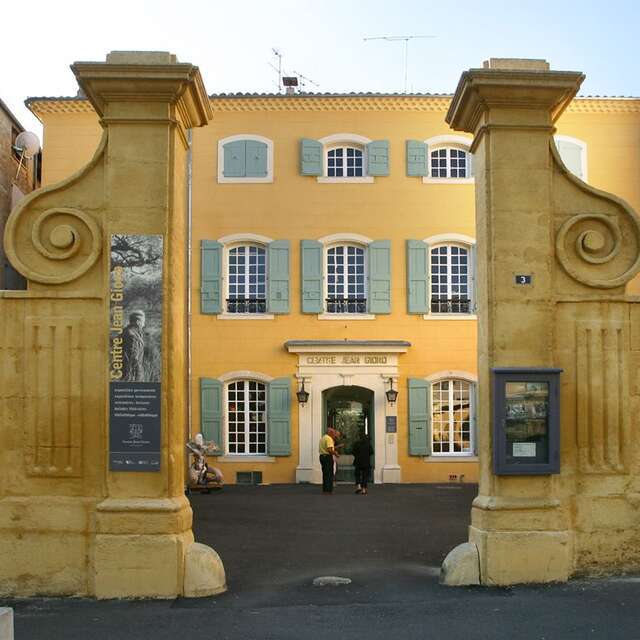
First, the Centre Giono, partly dedicated to the Manosquin artist, located in the Hôtel Raffin in a superb Provençal building. Soldier, dreamer, prisoner for his pacifist ideas, resistance fighter and loyal to his hometown, the permanent exhibition invites us to follow the major stages of the novelist’s life. If you have time, you can pick up one of his works (at random, perhaps The Horseman on the Roof?) and settle down in the pleasant little courtyard to read.

A little further on, we recommend stopping by Cordonnerie Olmeta. Run by two lovely sisters, Myriam and Noëlla, who have taken over the family business, this charming shop exudes authenticity and a passion for the craft. Finally, don’t miss the Manosque market on Saturday morning to stock up on local products.

You can extend your stay in Provence by visiting Aix-en-Provence or Marseille, as you wish.

→ The GPX track for this stage can be found here

Tips and top addresses for day 5:

  • Apt <> Manosque: take bus 915 towards La Brillanne, then bus 68 to Manosque.
  • Where to stay in Manosque: the Best Western Hôtel le Sud*** is a little way from the town centre but offers good facilities.
  • Our top tips in Manosque: Relax’Eat for dinner on a panoramic terrace (booking recommended at weekends) or Le Grand Paris, a modern brasserie serving good food. For a more indulgent treat: MB Cookies.
  • Visit the Centre Giono: open Tuesday to Saturday. Opening hours vary depending on the season. Permanent exhibition admission: £6/adult, free for children under 12.

Slow Experiences