Toulon Faron HellolarouxToulon Faron Hellolaroux
©Toulon Faron Hellolaroux|Hellolaroux
[SLOW EXPERIENCE IN PROVENCE]

From the Calanques to the Estérel via the coastline

❤️ Provence is a region that inspires contemplation, well-being and culinary pleasure, captivating visitors with its diverse landscapes that offer endless opportunities for adventure. What better way to reconnect and savour all these facets of Provence than by travelling sustainably? What’s more, it’s good for the planet. We have carried out several slow experiences, the fourth of which is presented here, entirely on foot, by bike and by public transport (bus and train), to offer you the opportunity to experience this same circuit in the most carbon-neutral way possible.

For seven days, we will cross the Mediterranean Sea, from Marseille to Saint-Raphaël. With views of the azure blue sea, we will travel by train through the legendary towns and villages of Bouches-du-Rhône and Var, enjoying a unique stay in Provence. Will you join us?

Des portes des Calanques à l'Esterel par le littoral

Day 1: the best of Marseille

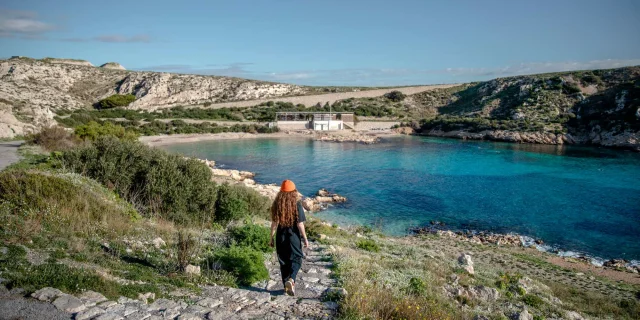
To make the most of Marseille and its most beautiful attractions, we suggest you start your day early at the Old Port. The atmosphere is relaxed as local life awakens. This is where the shuttles depart for the Frioul archipelago. Spend the morning discovering the riches of the Calanques National Park, of which the Frioul Islands are a part. On a beautiful 9 km walk, we go from Ratonneau Island to Pomègues Island. This is an opportunity to see Saint-Estève beach, Caroline Hospital and the Crine calanque, considered the most beautiful beach in Frioul.

We take the shuttle bus for a 30-minute ride with the wind in our hair, passing by the Château d’If, the famous prison of the Count of Monte Cristo. After lunch in the Noailles district, we board bus 60 to reach one of Marseille’s most iconic sites: Notre-Dame de la Garde. The ‘Bonne Mère’ (Good Mother), as the people of Marseille call it, overlooks the city and offers breathtaking views. It is one of the must-see attractions that should not be missed. The day ends with a stroll through Le Panier, an ideal neighbourhood for wandering around and shopping for typical local products such as Provençal santons, olive oil and navettes.

→ You can find the route we took here.
Tips and top addresses for Day 1:

  • Getting around Marseille: the 24-hour pass costs €5.20 per person
  • Shuttle to the Frioul Islands: €11.10 for a return trip to Frioul or €16.70 to include a visit to the Château d’If. Journey included in the city pass. Book here.
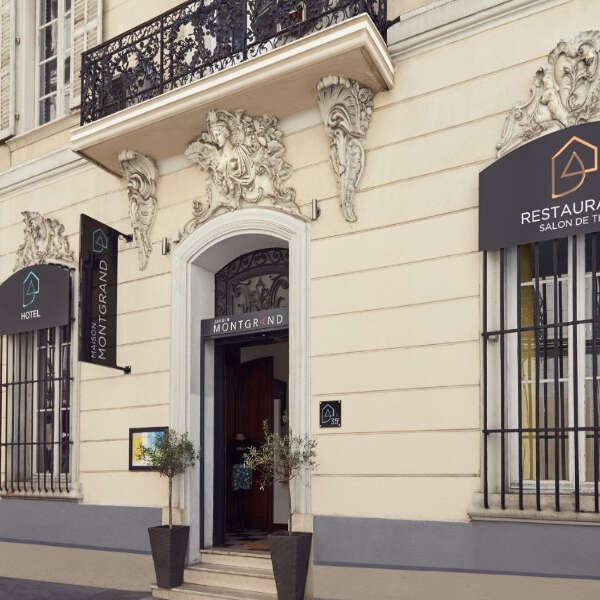
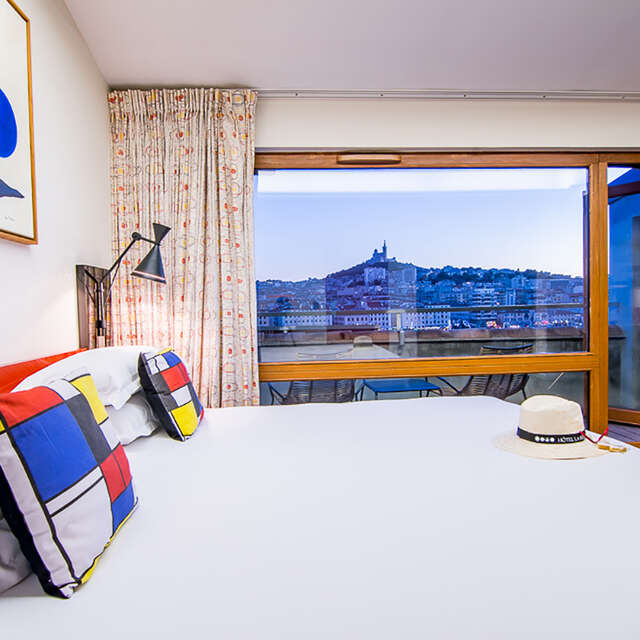
  • Where to stay in Marseille near the Old Port: the Résidence du Vieux-Port****, perfectly located on the Old Port, or Maison Mongrand*** near the Prefecture
  • Our top tips for where to eat in Marseille: La Maison des Nines (Noailles) or Mariposas (vegetarian restaurant on Cours Julien), two restaurants with limited menus that change with the seasons.

Day 2: La Ciotat

With our metro pass, we reach Saint-Charles station in just three stops to board a TER train bound for La Ciotat. The Port-Vieux is bustling with activity on market day. The stalls are colourful and there is something for everyone.

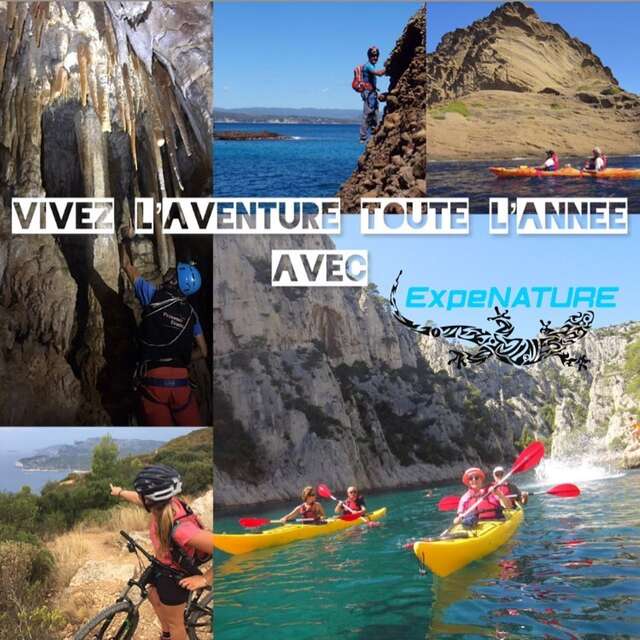
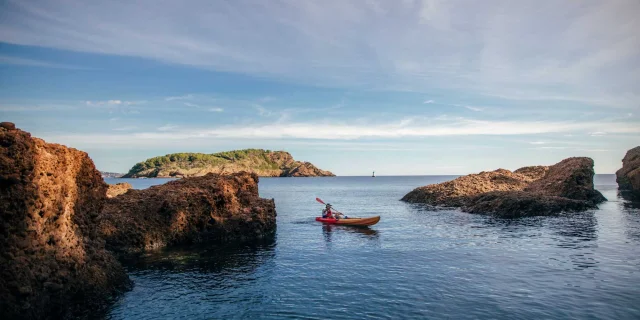
Although Old La Ciotat is particularly beautiful, we wanted to get back to nature and enjoy the nearby Soubeyranes cliffs. And what better way to change your perspective than a kayak trip? Whether on your own or in a small group, at your own pace, we recommend paddling as we did to the Mugel cove and then to Cap de l’Aigle. As you cross it, you gradually see Cassis appear in the distance. It’s striking and breathtaking. The more athletic among you can also land on Île Verte and add a few kilometres to your trip.

We return to dry land and take the 200 bus again to La Ciotat station. Just one stop on the TER train separates us from Cassis. Just enough time to drop our bags at the hotel, and we’ll head to the lighthouse to enjoy the sunset. The town is surrounded on one side by the Calanques National Park and on the other by the cliffs of Cap Canaille. The natural spectacle offered by Cassis is breathtaking.

→ You can find our visit to La Ciotat here and our visit to Cassis here.

Tips and top addresses for Day 2:

  • Marseille <> La Ciotat: TER train from Saint-Charles station to La Ciotat, then bus 200 to the port
  • La Ciotat market: Sunday morning along the entire coastal promenade and port
  • Rent a kayak in La Ciotat: at Expenature, from €28 for rental and €48 for guided tours
  • La Ciotat <> Cassis: train to Cassis then bus M1 to the town centre or bus from La Ciotat town centre
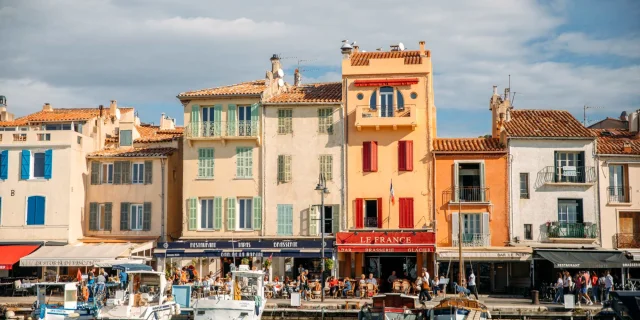
  • Where to stay in Cassis: Le Clos des Arômes, a beautiful bohemian-style establishment with natural tones and beautiful décor. Perfectly located near the Port of Cassis, they also offer a restaurant service.

Day 3 : From Cassis to Toulon

Early in the morning, we take advantage of the bright sunshine that only Provence can offer to take an electric boat trip through the calanques. There are several routes to choose from: 3, 5, 8 or 9 calanques. Even if you opt for the shortest trip, you’ll be amazed by what you see. The Calanques National Park is a real gem. With its crystal-clear coves and sheer cliffs, the coastline stretches for miles. Port-Miou, Port-Pin and finally En-Vau, one of the most breathtaking calanques.

Back in the port of Cassis, there is no shortage of restaurants. The menus feature freshly caught seafood. Let yourself be tempted by the daily specials. After lunch on the terrace, we take the M1 bus to the station, where we catch another TER train to Toulon.

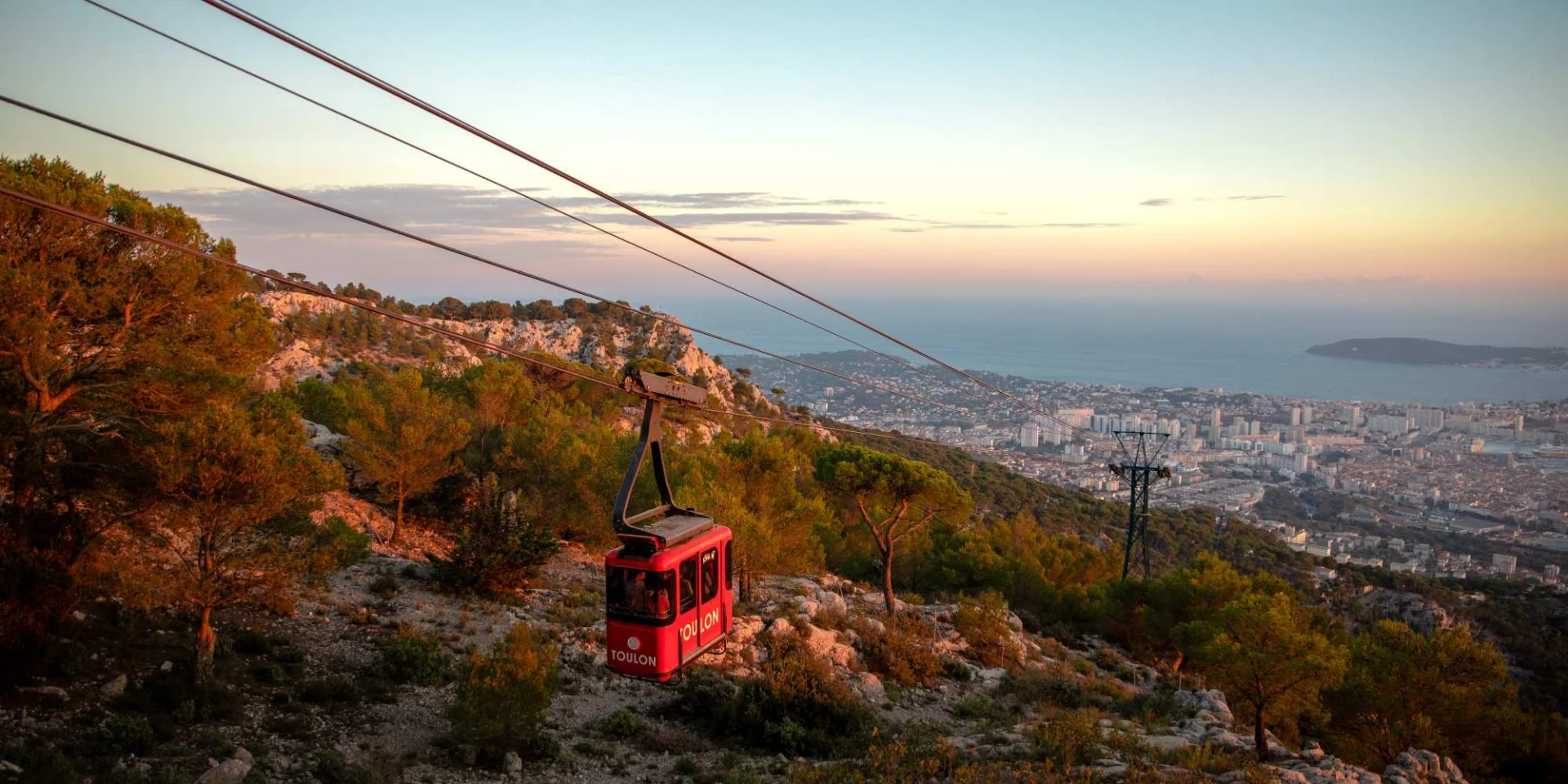
We stop at this important port in the south of France to try one of the region’s most unusual attractions: the Faron cable car. In just a few minutes, we reach the 584-metre-high Mont Faron, which overlooks the bay of Toulon. On a clear day, you can see the Var coastline stretching all the way to Giens and the Hyères Islands. If you have a little time, there are several hikes you can do from the cable car. We recommend taking the last cable car down so you can enjoy the sunset from the panoramic platform.

→ You can find the route we took here et here.

Tips and top addresses for day 3:

  • Boat trip in the calanques: prices range from €21 to €33 per adult, depending on the number of calanques visited. Tickets can be purchased directly at the ticket office located in the port. Information.
  • Cassis <> Toulon: by TER train (approx. 30-minute journey)
  • Take the Toulon cable car: the price of the cable car is €9 per adult for a return ticket. Timetables vary depending on the season. More information. Our tip: the tourist office offers a €10 pass that combines the cable car with bus and water bus travel.
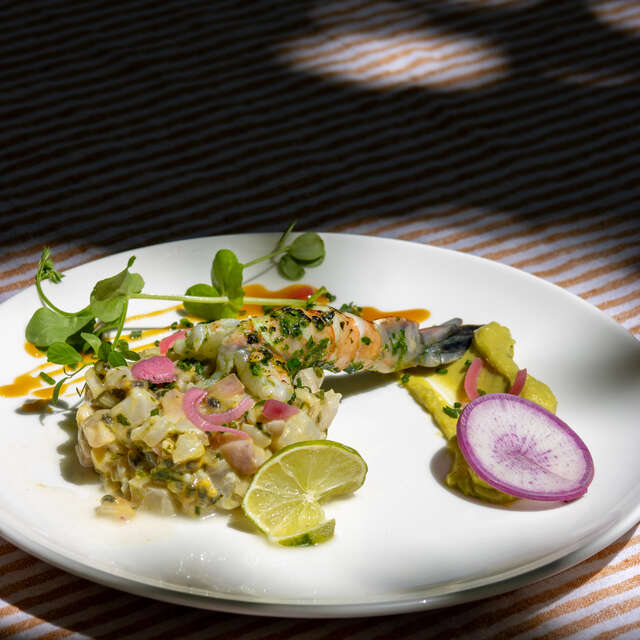
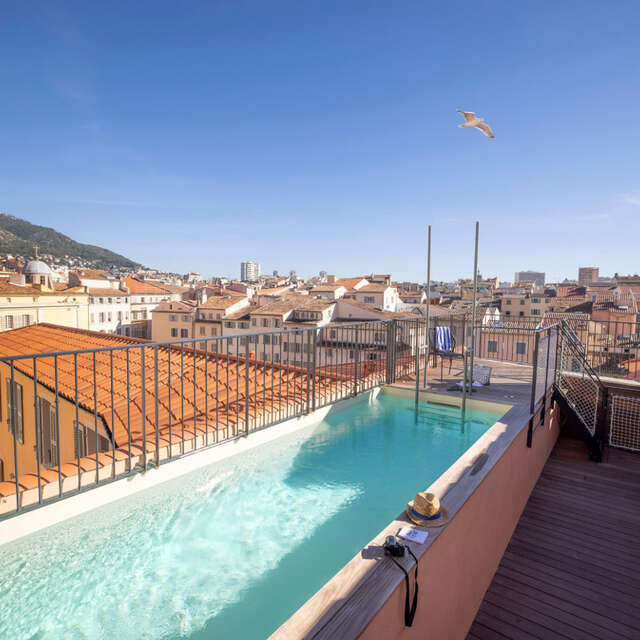
  • Where to stay in Toulon: the Eautel**** in the heart of the historic centre, making it easy to explore the city. They also have a bistronomic restaurant.

DAY 4: From Toulon to Hyères

Just 16 kilometres from Toulon, our adventure takes us this time to Hyères-les-Palmiers at the foot of the Massif des Maures. A city of art and history, we don’t waste any time after checking into the superb Hotel Lilou, and follow the Arts trail suggested by the tourist office. This fun tour allows us to stroll between the main sites and buildings of the old town while discovering some great artisans. Another must-see in Hyères is the Villa Noailles (free admission, closed on Mondays and Tuesdays). Listed as a Historic Monument and also as a ‘Remarkable Garden’, this contemporary art centre has become one of the most influential venues in the region. Every year, it hosts the international fashion, photography and accessories festival.

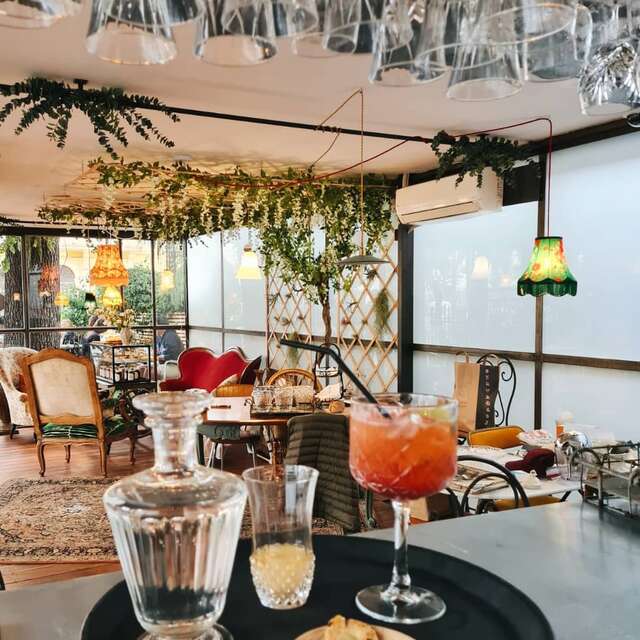
At midday, we are drawn to the unusual décor of La Salle restaurant. Part restaurant, part antique shop, the concept is original: everything here is for sale, from the crockery to the décor. The menu is limited but appealing, and we enjoy our meal.

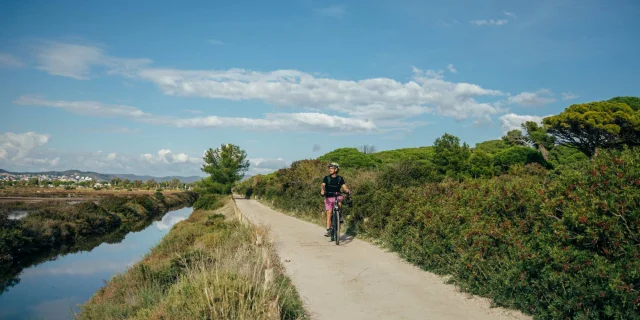
In the afternoon, we hop on the 67 bus to the Giens peninsula. Connected by two sandy spits, these protect vast marshes and salt marshes in their centre, a paradise for migratory birds. We get off at the ‘Port La Gavine’ stop and pick up bikes from AMotos, which we use to test the new greenway that runs along the Pesquiers salt marshes. Thanks to the electric assistance, we are motivated to push on to Fort du Pradeau (or Tour Fondue). From here, shuttles depart for the Porquerolles islands, which we gaze at dreamily. Maybe for a future trip.

→ Download our walk in Hyères here 

Tips and top addresses for day 4:

  • Toulon <> Hyères: TER train from Toulon to Hyères station, then bus 16, 17, 39 or 67 to the town centre
  • Where to eat in Hyères: La Salle or Guillaume Tell restaurants.
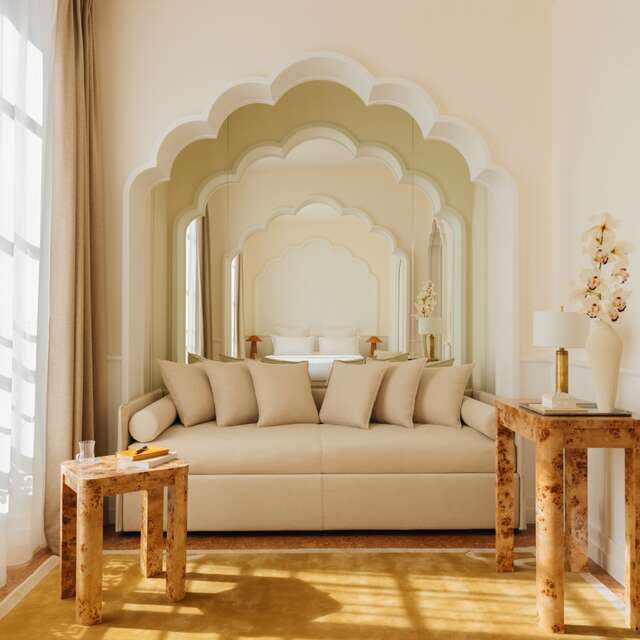
  • Where to stay in Hyères: Lilou Hotel. We love the timeless vintage atmosphere, reminiscent of Hyères’ glory days. The neutral, warm tones of the rooms are more than appealing, and there are no TVs here, encouraging introspection, contemplation and moments of sharing. Speaking of sharing, we love to sink into the cosy living room sofa – which we would love to have at home – to read or enjoy an aperitif. Remember to book for dinner!

Day 5: From Hyères to Saint-Tropez

On this fifth day, we suggest you hop on the 878 bus heading towards Saint-Tropez. But we won’t be going there straight away. On the way, the bus will drop us off at La Londe-les-Maures where we will pick up some bikes. We were advised to visit the Domaine du Jasson, an olive oil producer. The estate is open to the public, and there is a lovely shop where you can do some shopping.

Back in the saddle, we head back to the town centre for lunch, then on to the port of La Londe-les-Maures. Mostly safe, we follow the Promenade des Annamites, which is very pleasant in the shade of a beautiful avenue of umbrella pines. At the port, we turn right to dip our feet in the water at Miramar beach. If you have a little time, you can follow the Mediterranean coastline on the coastal path to see the old salt marshes of Hyères. On the other side, you can leave your bike at the port and walk to Fort de Brégançon via the wild beaches of Estagnol or Pellegrin. Or simply enjoy some sunbathing on the warm sand. That’s nice too, isn’t it?

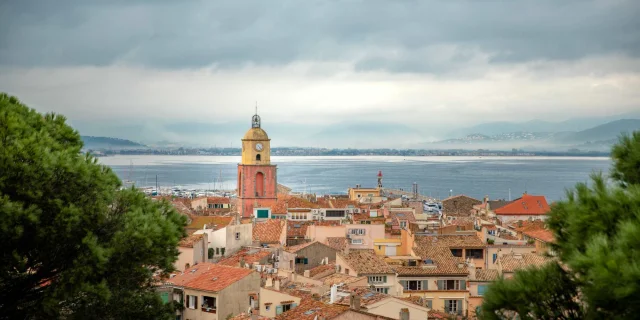
After returning our rental bikes, we take bus 878 to the terminus: Saint-Tropez. Once again, the bus ride is an invitation to contemplation. Travelling along winding roads through the Maures mountains, the 1.5-hour journey has never seemed so short. Then, in the distance, the iconic yellow bell tower rises above the ochre rooftops. There’s no doubt about it, we’ve arrived in Saint-Trop’.

→ Find our bike ride here

Tips and top addresses for day 5:

  • Hyères <> La Londe-les-Maures: take bus 878
  • Rent a bike in La Londe-les-Maures: we used Yann from Dropbikes Rental, who will deliver your bike to your chosen location. Expect to pay €40 per person for a day’s rental.
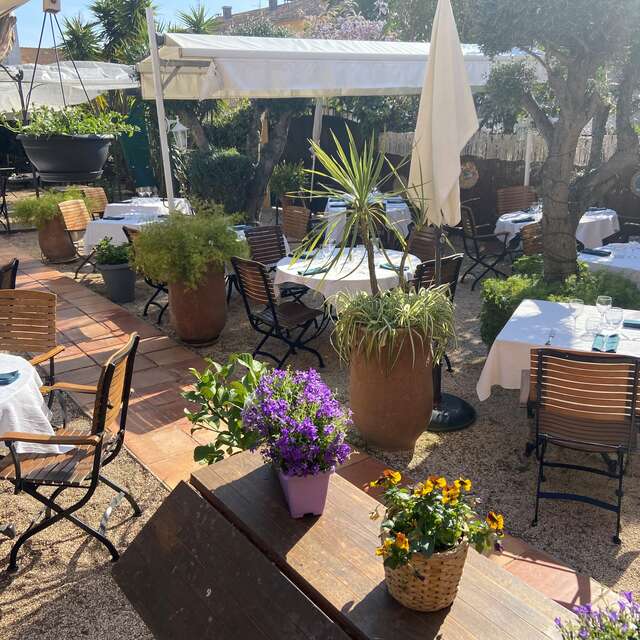
  • Where to have lunch in La Londe-les-Maures: at Le Jardin Provençal, where the dishes are delicious and generous. We approve!
  • La Londe-les-Maures <> Saint-Tropez: bus 878 or 879
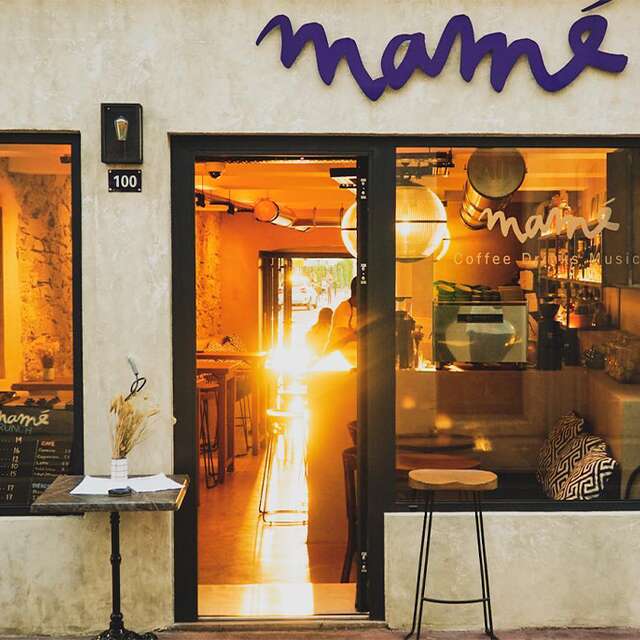
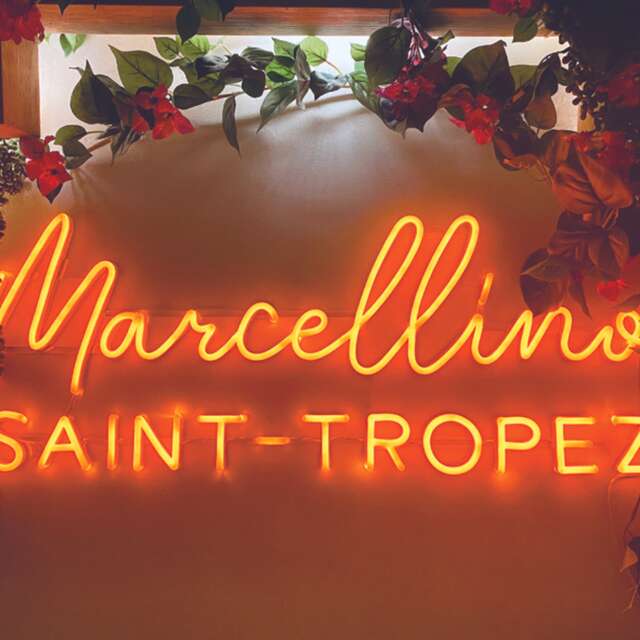
  • Where to eat in Saint-Tropez: Mamé (healthy cuisine) or Marcellino (for eating in the Old Port). For something sweeter, try the famous tarte tropézienne, whose secret has been closely guarded since 1955.
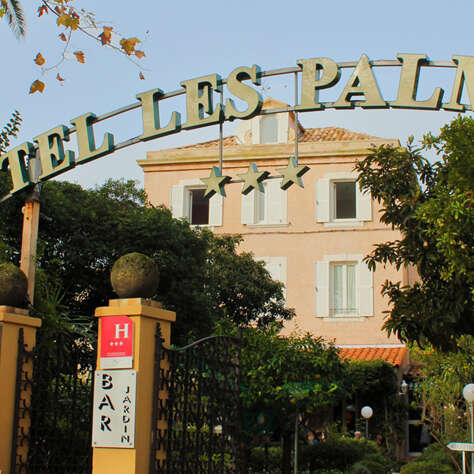
  • Where to stay in Saint-Tropez: Les Palmiers hotel, affordable prices for the centre of Saint-Tropez but rooms are a little outdated.

Day 6: From Saint-Tropez to Les Issambres

Once a fishing village, then an icon of luxury and glamour, Saint-Tropez has retained all its authenticity despite its bling-bling image. To enjoy it to the full, visit during the off-season when there are fewer tourists and lose yourself in the narrow streets beyond the port. The two coves of La Glaye and La Ponche beaches are must-sees that we recommend visiting at the end of the day when the colours over the gulf are at their most beautiful. Take the coastal path to the marine cemetery before climbing up to the old citadel, now a marine museum (very interesting). In bad weather, or if you simply enjoy culture, you can also visit the Annonciade Museum or the Gendarmerie and Cinema Museum.

After lunch, despite the slightly gloomy weather (it happens, but it’s no reason to be discouraged, as there is always something to see and do on the French Riviera), we board a shuttle bus that connects Saint-Tropez and Sainte-Maxime. It’s a quick way to reach the other side of the Gulf of Saint-Tropez while enjoying the scenery. From here, we take a final bus to Les Issambres, where we will spend the night. With our feet almost in the water.

→ Download our walk in Saint-Tropez here 

Tips and top addresses for day 6:

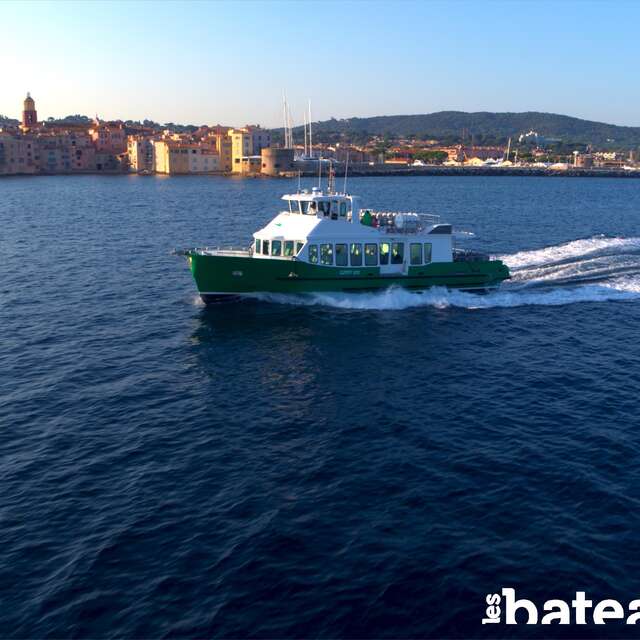
  • Saint-Tropez <> Sainte-Maxime: by sea shuttle with Les Bateaux Verts. In addition to being a slow mode of transport, the company is committed to an environmental approach in order to limit its impact on the environment. Journey time: 20 minutes. Price of a single crossing: €8.70/adult.
  • Sainte-Maxime <> Les Issambres: line 876, the bus can be taken directly in front of the port.
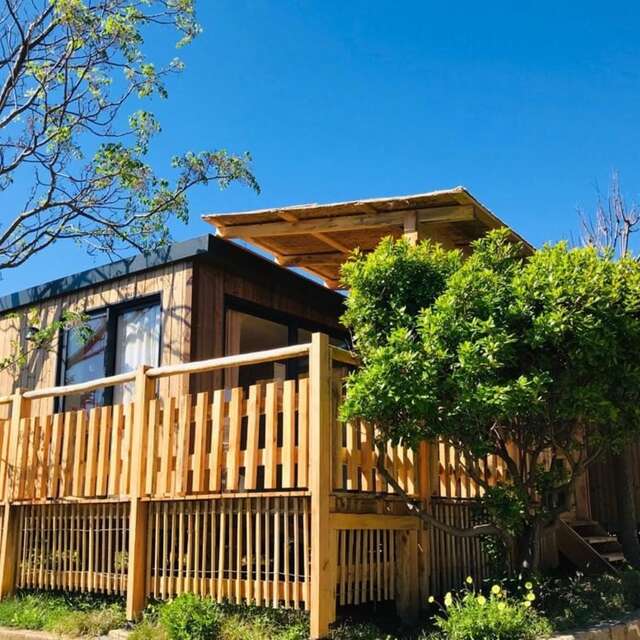
  • Where to stay in Les Issambres: at Paradis des Campeurs in comfortable bungalows with privileged access to the sea. A bakery and restaurant offer the most comprehensive service possible. The little extra (which we particularly like): if you come to the campsite by bus, you can borrow bicycles free of charge. A good practice that encourages the most sustainable forms of transport possible.

Day 7: Day in Les Issambres

When we wake up, we hop on our bikes for a ride in the fresh air towards the Gaillarde valley, above the campsite. This unspoilt natural site offers superb views of Les Issambres, the Estérel mountains and the Gulf of Saint-Tropez. On a clear day, you can even see the peaks of the Southern Alps peeking out. In winter, the mimosas are in bloom. Several trails (for bikes and on foot) allow you to discover this exceptional natural heritage, so make the most of it!

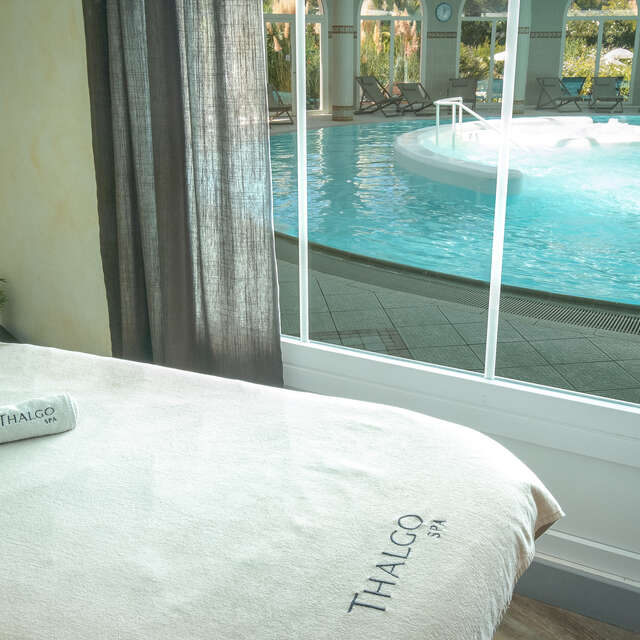
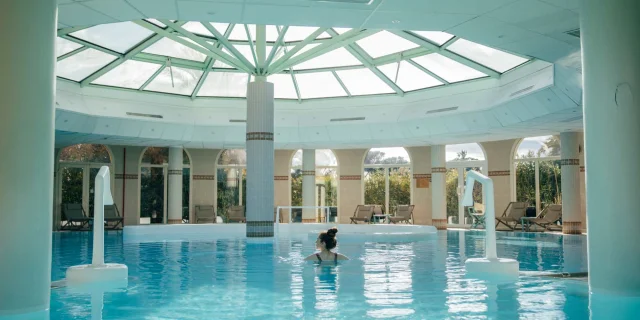
After all that effort, you’ll agree that a wellness break is well deserved. Take bus 876 from the campsite to the San Peïre district, where you’ll find the Thalasso Spa des Issambres. Enjoy two hours of pure relaxation in salt water drawn from just a few metres away. The water’s properties are preserved to offer high-quality treatments in an art deco-style glass-roofed pool.

If, like us, the call of the Mediterranean is stronger than anything else, we recommend taking a walk along the coastal path, the old customs officers’ path, at the end of the day. This 8km route (which you can do in its entirety or in sections) runs alongside coves, creeks and steps carved into the rock and is one of our favourites. You can even discover the most beautiful Gallo-Roman fishpond, classified as a Historic Monument. And in the evening, when the warm lights begin to fade, we suggest you sit back, gaze at the Estérel massif as it glows bright red, and let yourself be lulled by the lapping of the waves. What a wonderful way to end the week!

Tips and top addresses for day 7:

  • Take bus 876 to Saint-Raphaël train station
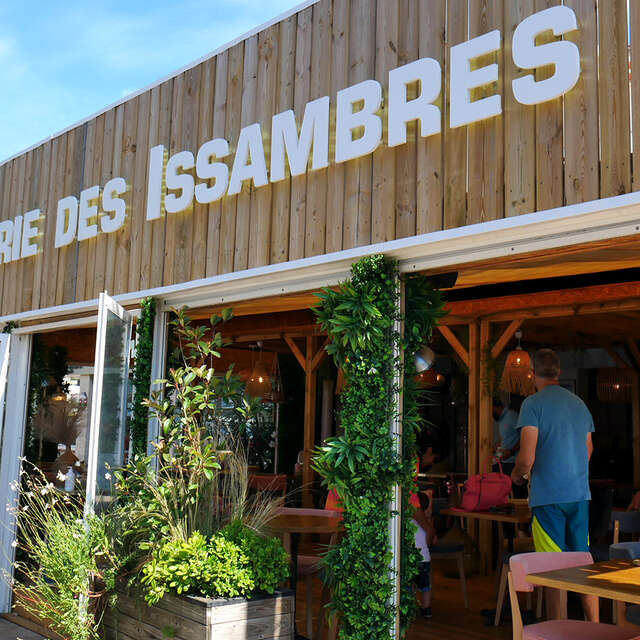
  • Where to eat in Les Issambres: La Brasserie des Issambres, with its charming bohemian décor and generous portions
  • La Thalasso Spa des Issambres: dedicated to the benefits of seawater, the centre is open from 9am to 1pm and from 2pm to 5pm all year round. More information on treatments and prices.

Photo gallery