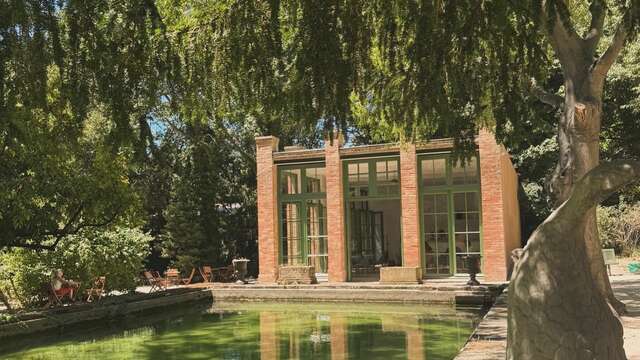



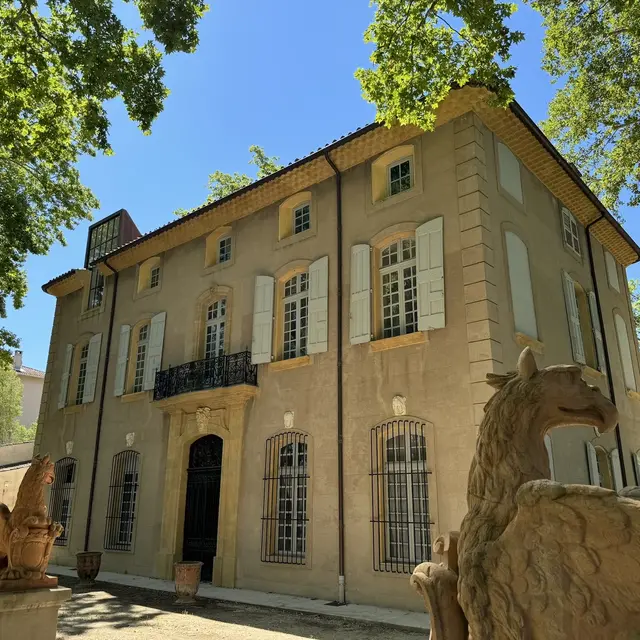


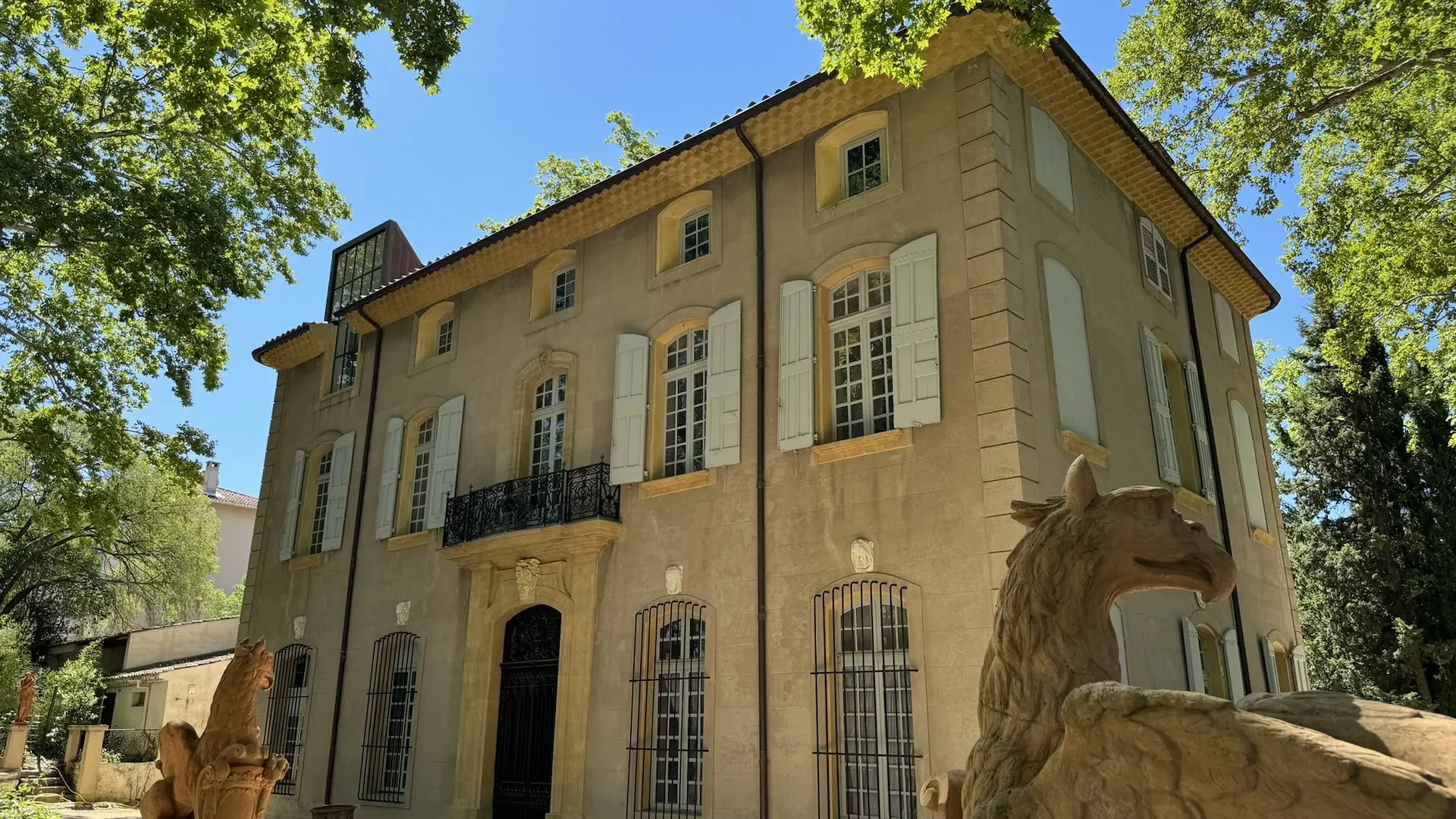
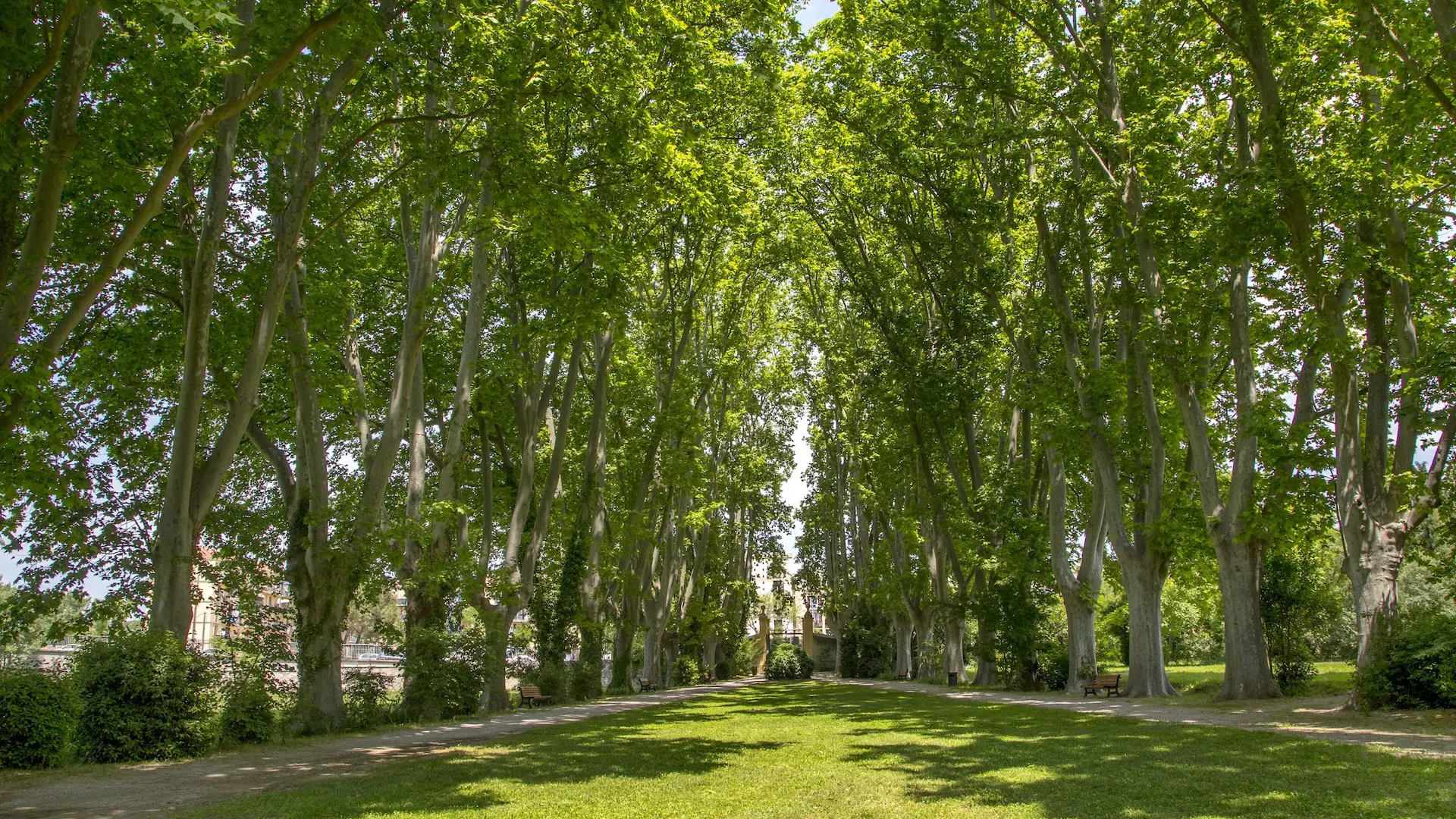
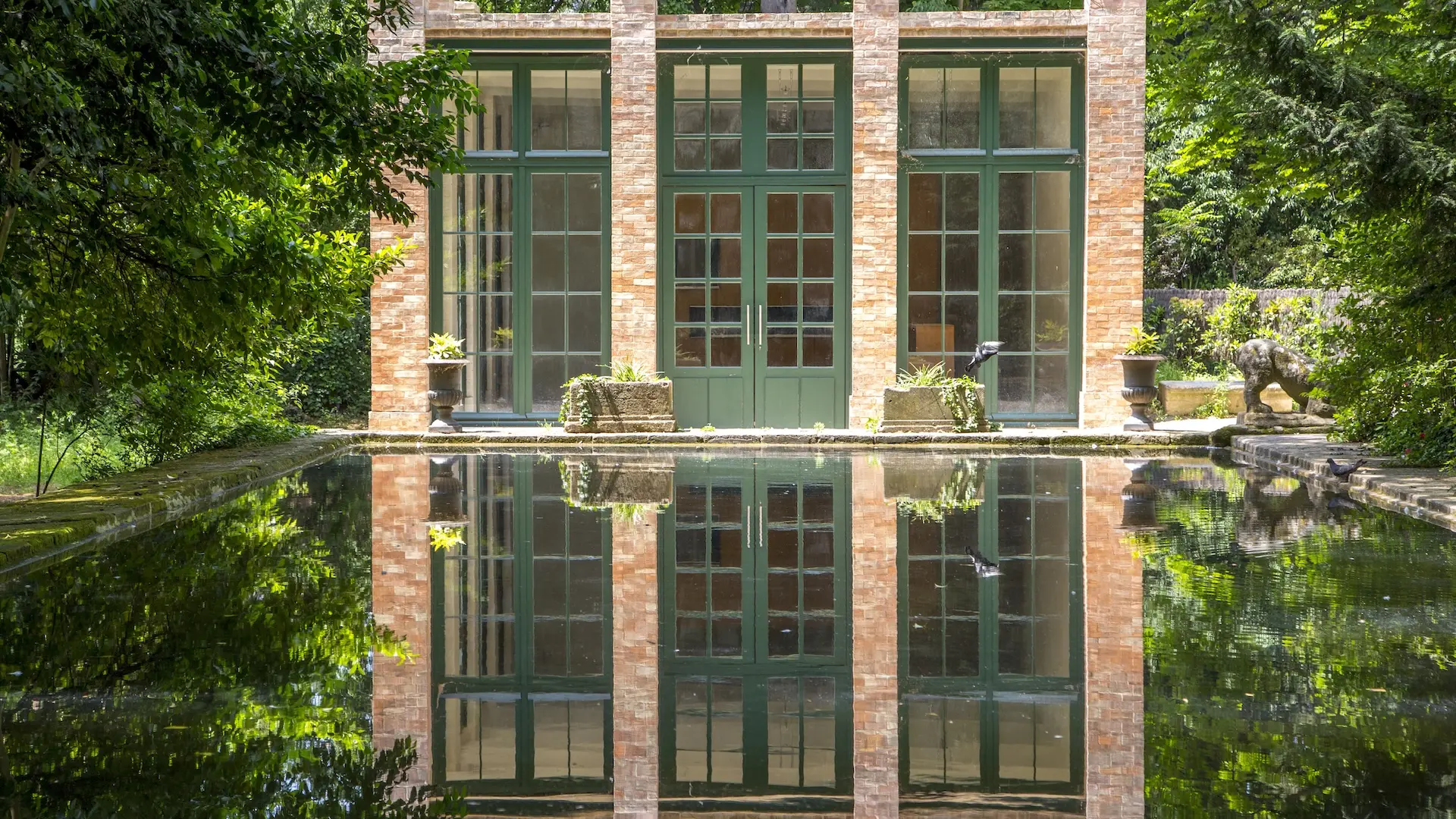
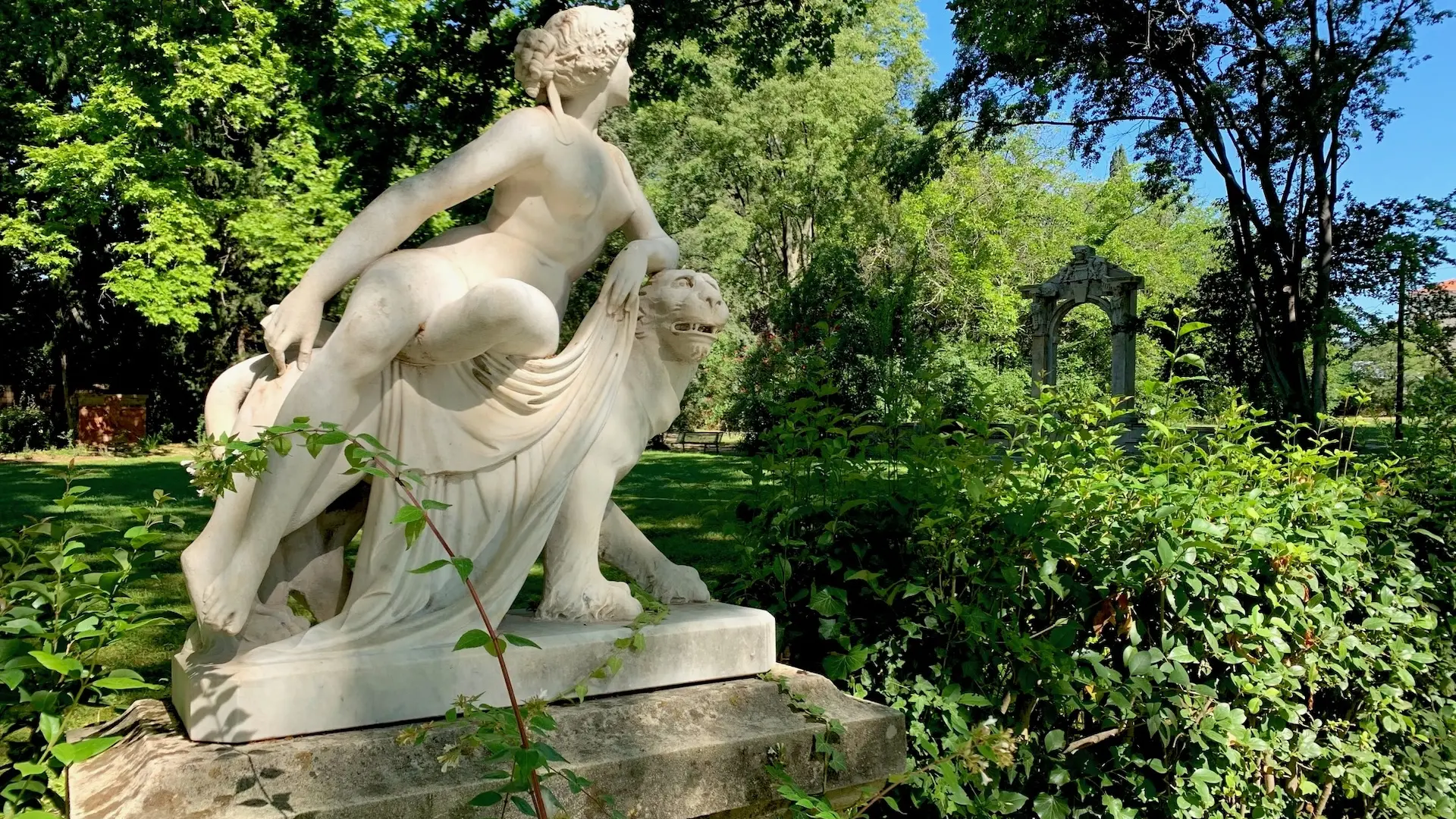
The bastide of Jas de Bouffan and its park are open to you for visits to discover what this family property was for the painter: a place to live and his first creative studio.
The Jas de Bouffan country house was built in the first half of the 18th century by the great Aix architect Georges Vallon, at the request of the war commissioner Gaspard Truphème. The property was purchased in 1859 by Louis Auguste Cezanne, the artist's father. When he retired from business, the house became the Cezannes' main residence. While the interiors retain traces of the artist's early career, the garden bears witness to his pictorial research, which still contributes to the renown of Aix-en-Provence today.
The large living room traces Cezanne's first ten years of experimentation and still bears traces of his early artistic period, influenced by the classics at the dawn of Impressionism, through to his Couillard period. The restoration work revealing this decor has provided further insight into the painter's early days, offering a new perspective on Paul Cezanne.
A place of life and work, the bastide was sold in 1899 by Paul Cezanne and his two sisters, Rose and Marie, to the third and last family to own it: the Granels, who later became the Corsys.
The latter lived there for over a century, redesigning the place somewhat to give it the appearance we know today, without ever erasing the memory of Paul Cezanne.
Now owned by the city of Aix-en-Provence, there are many challenges ahead: the aim is to rediscover the traces of the Master of Aix while respecting the history of a place that traces three centuries of life in Aix.
The Jas de Bouffan country house is one of three Cezanne sites, along with the Lauves studio and the Bibémus quarries.
The site has small lockers but cannot accommodate large luggage.