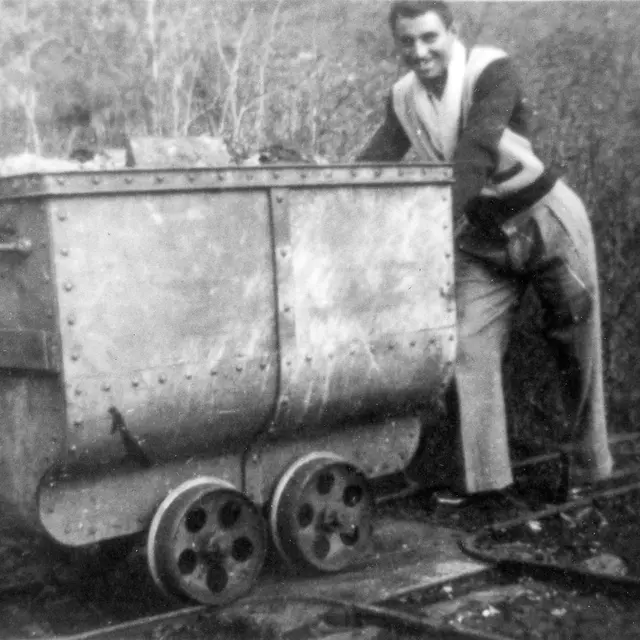
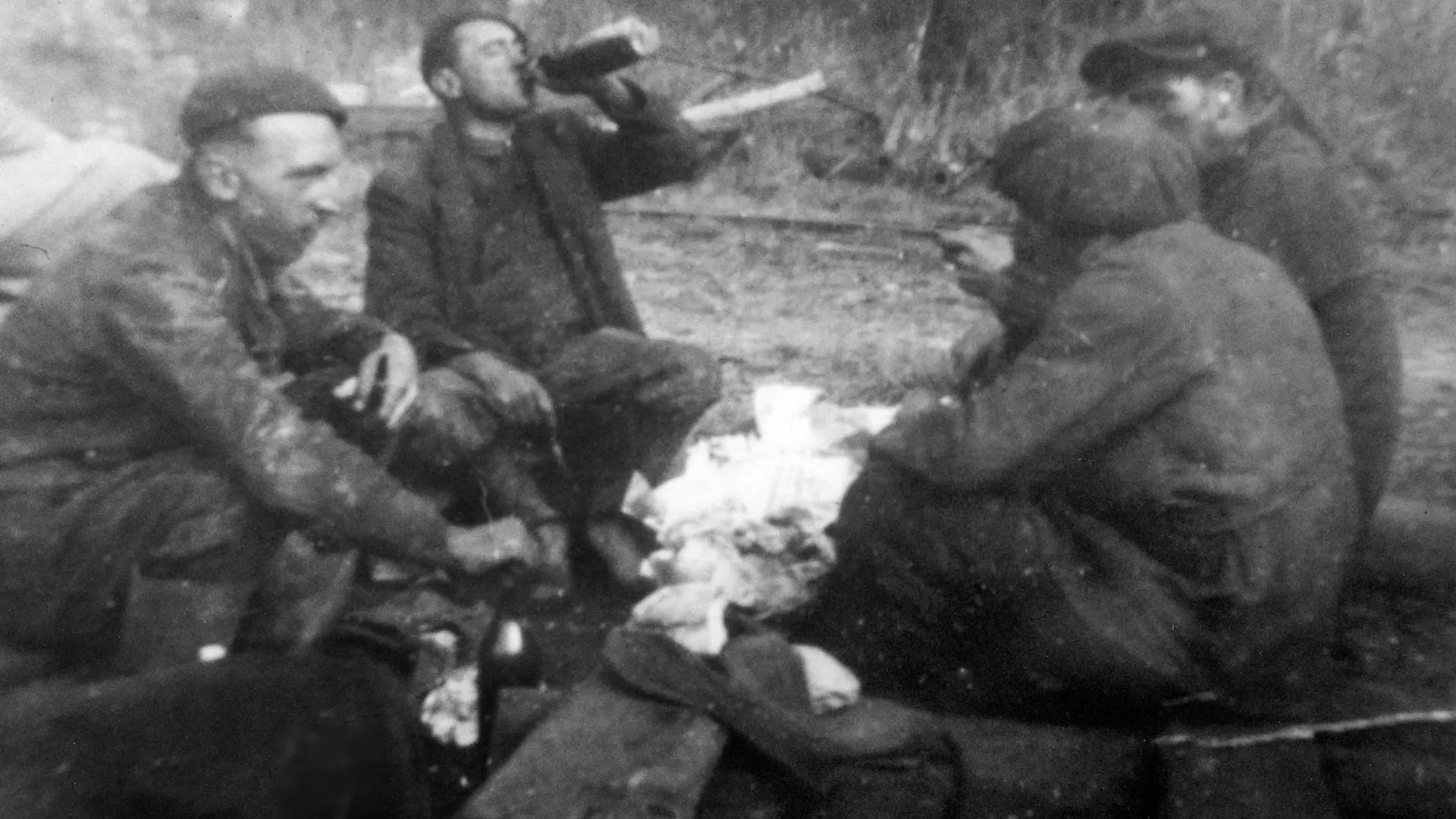
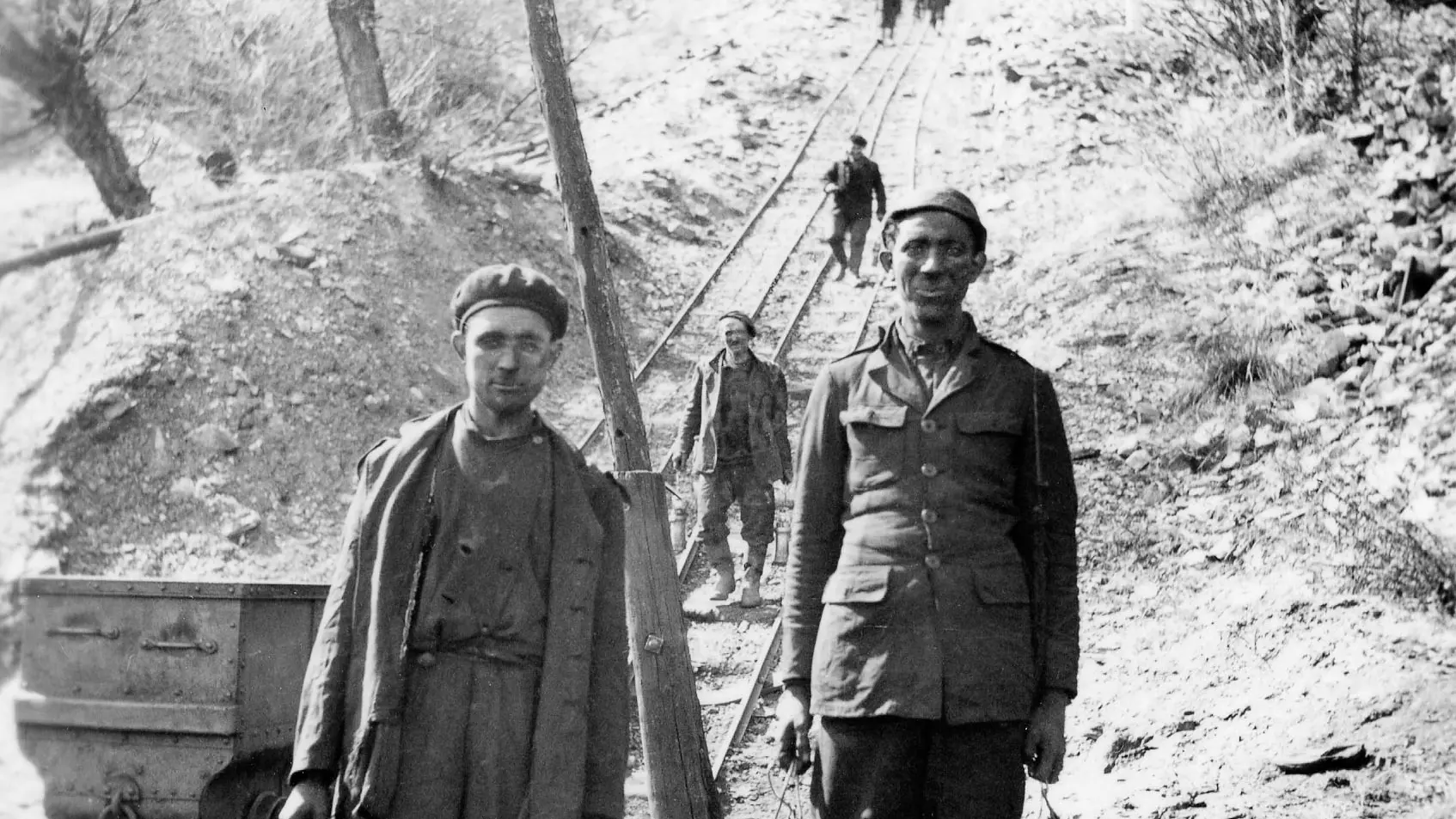
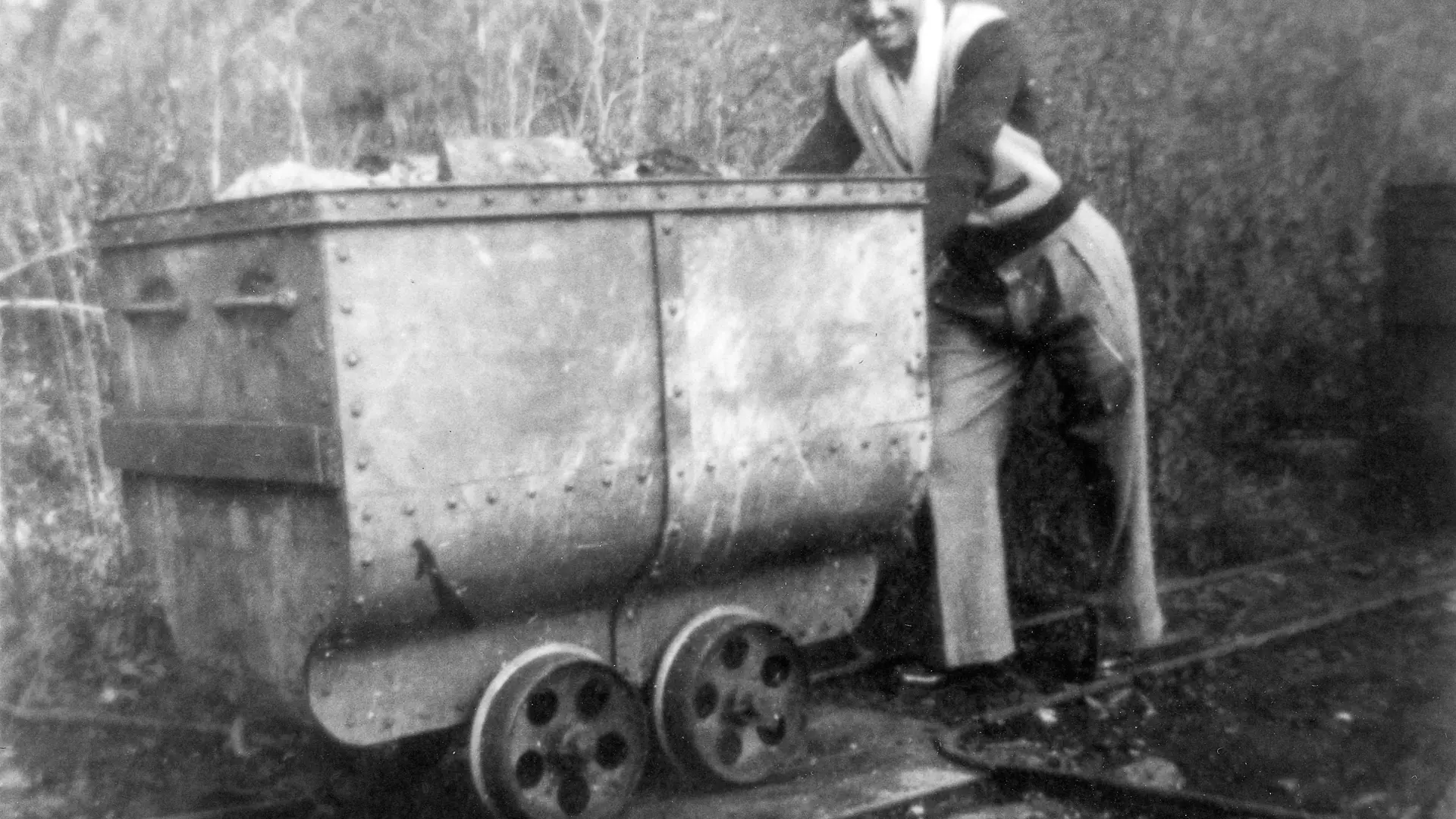
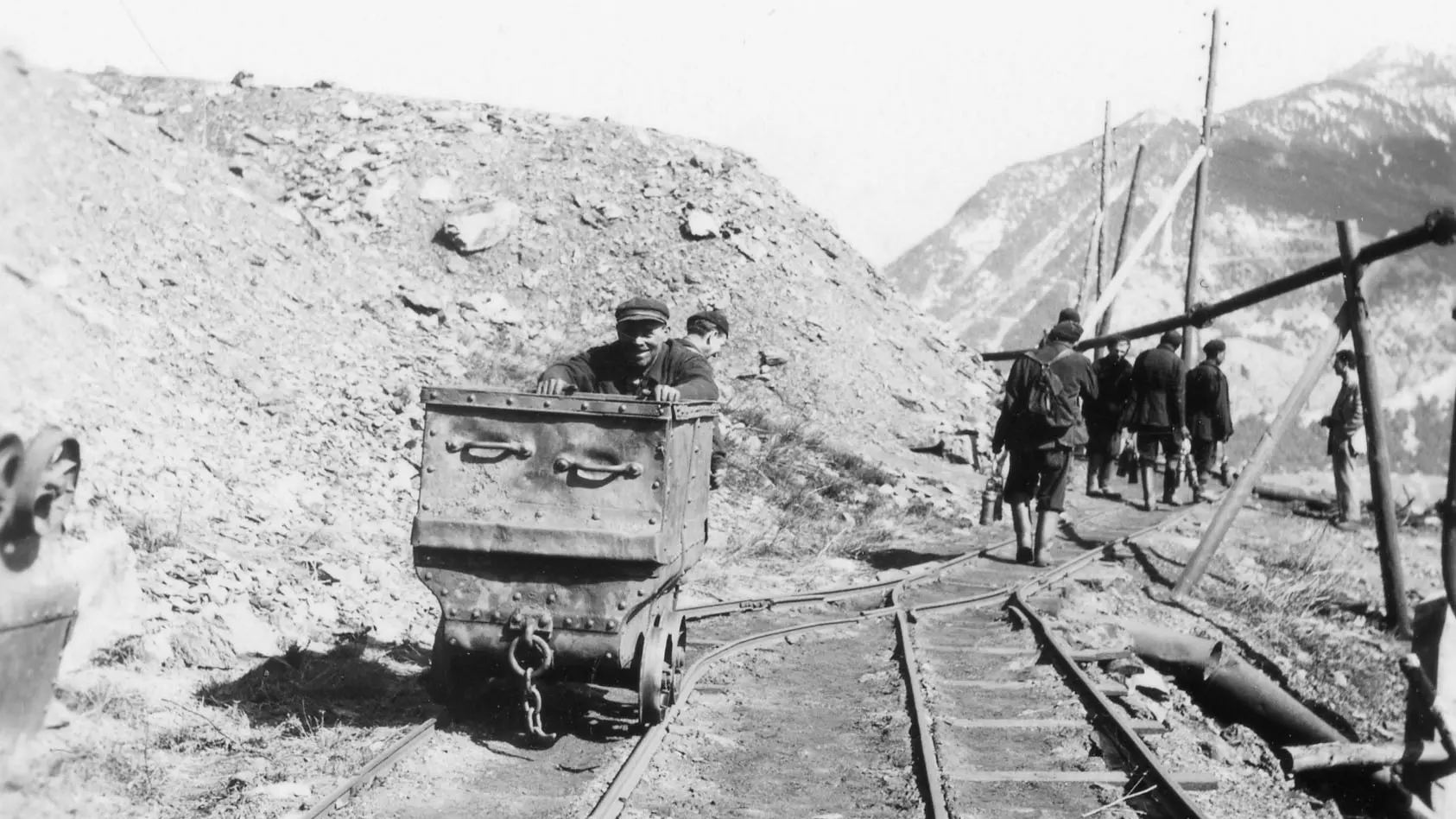
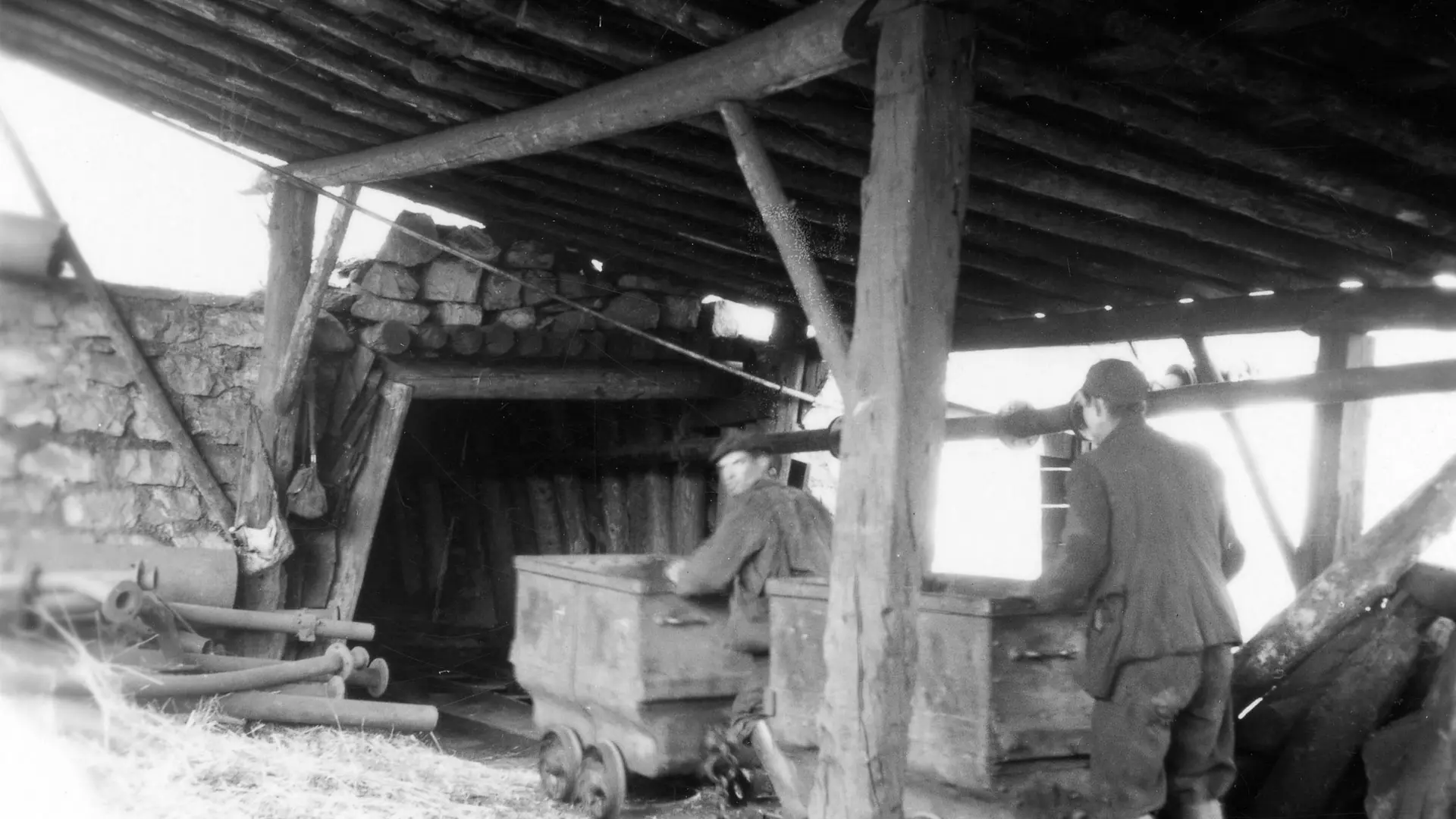
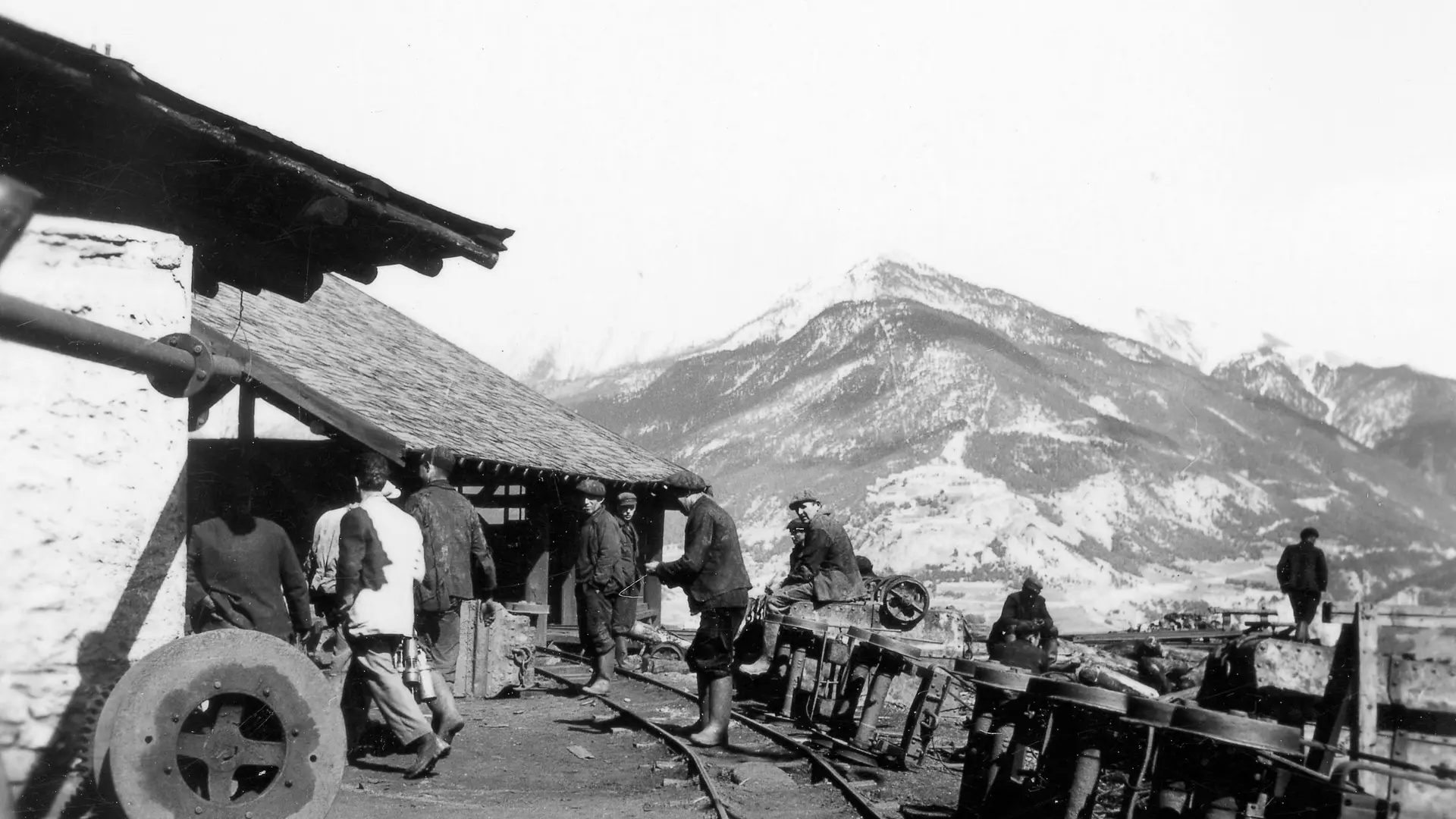
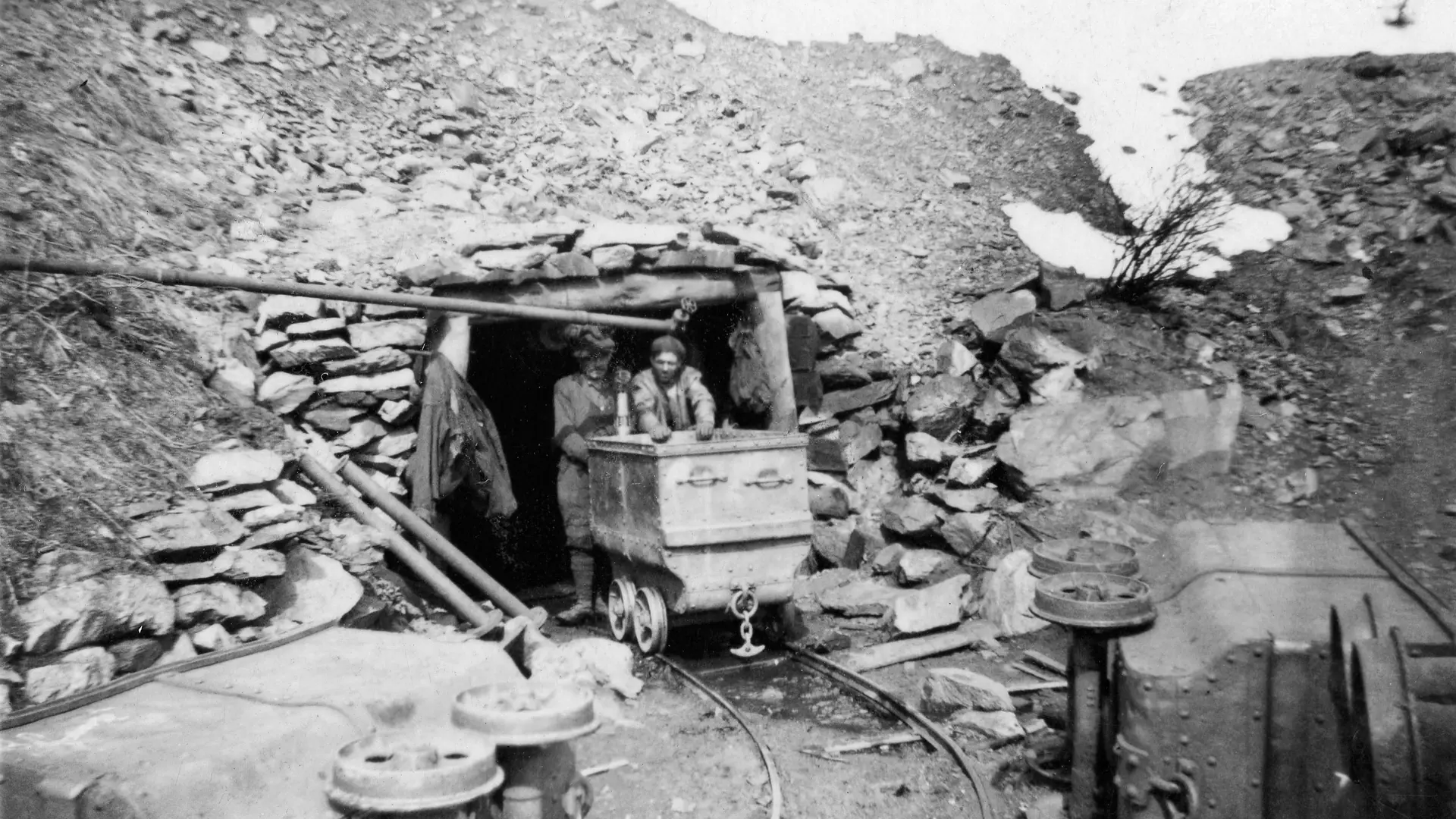
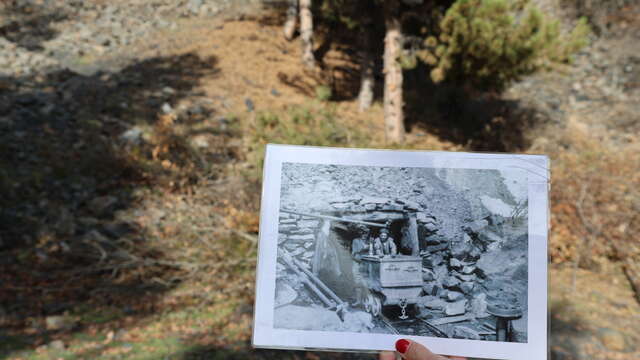
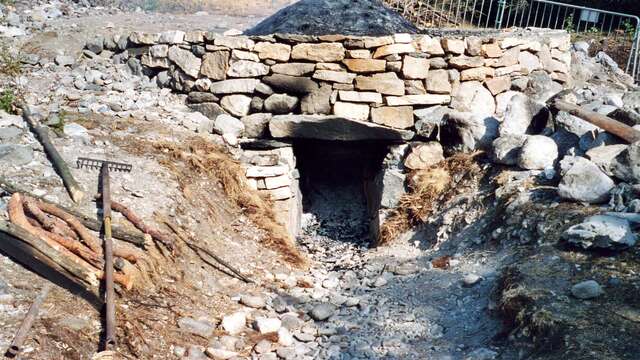
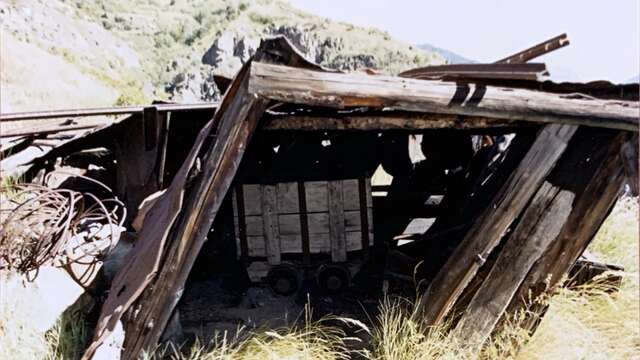
The Combarine mine, whose remains seem increasingly absorbed by vegetation, nevertheless reveals its many hidden treasures.
The path leads to discover the traces of its world.
Probably mined since the 18th century for the quality of its ore, it was in 1824 that the concession became the property of Etienne Laurençon, a Briançonnais merchant and army supplier.
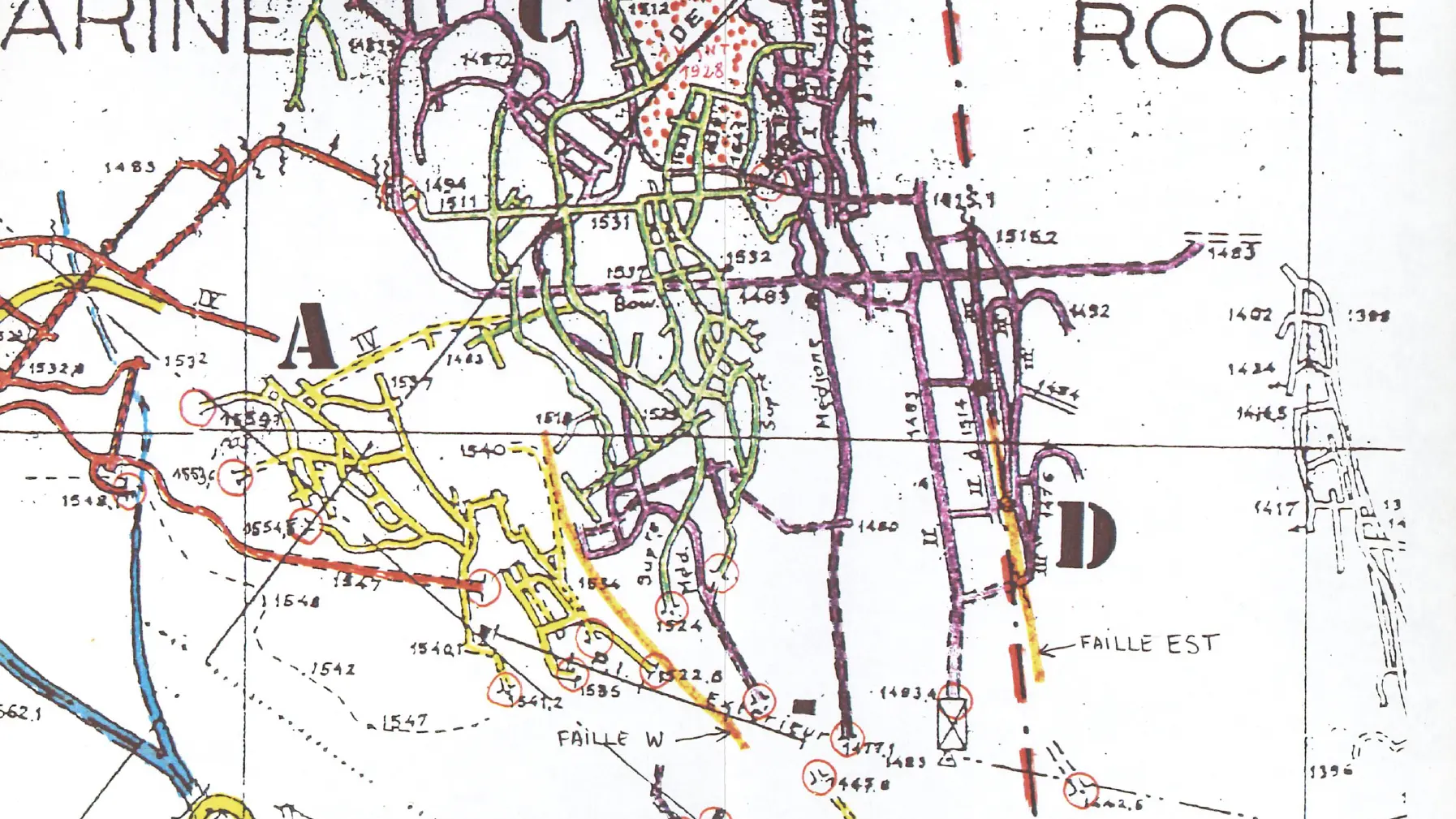
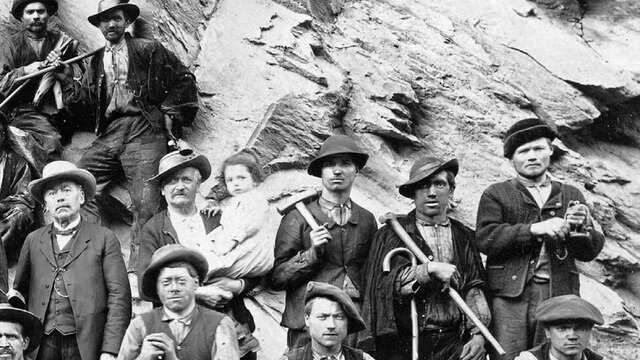
Until 1917, the mine was run by a succession of different owners with varying degrees of interest in its development, and operations were confined to the upper part of the mine, alternating between intense phases of work and more or less long periods of lethargy (sometimes lasting from a few months to several years). The workforce may number no more than twenty workers, underground or on the surface, always in winter, producing 500 to 1000 tonnes of ore every year.
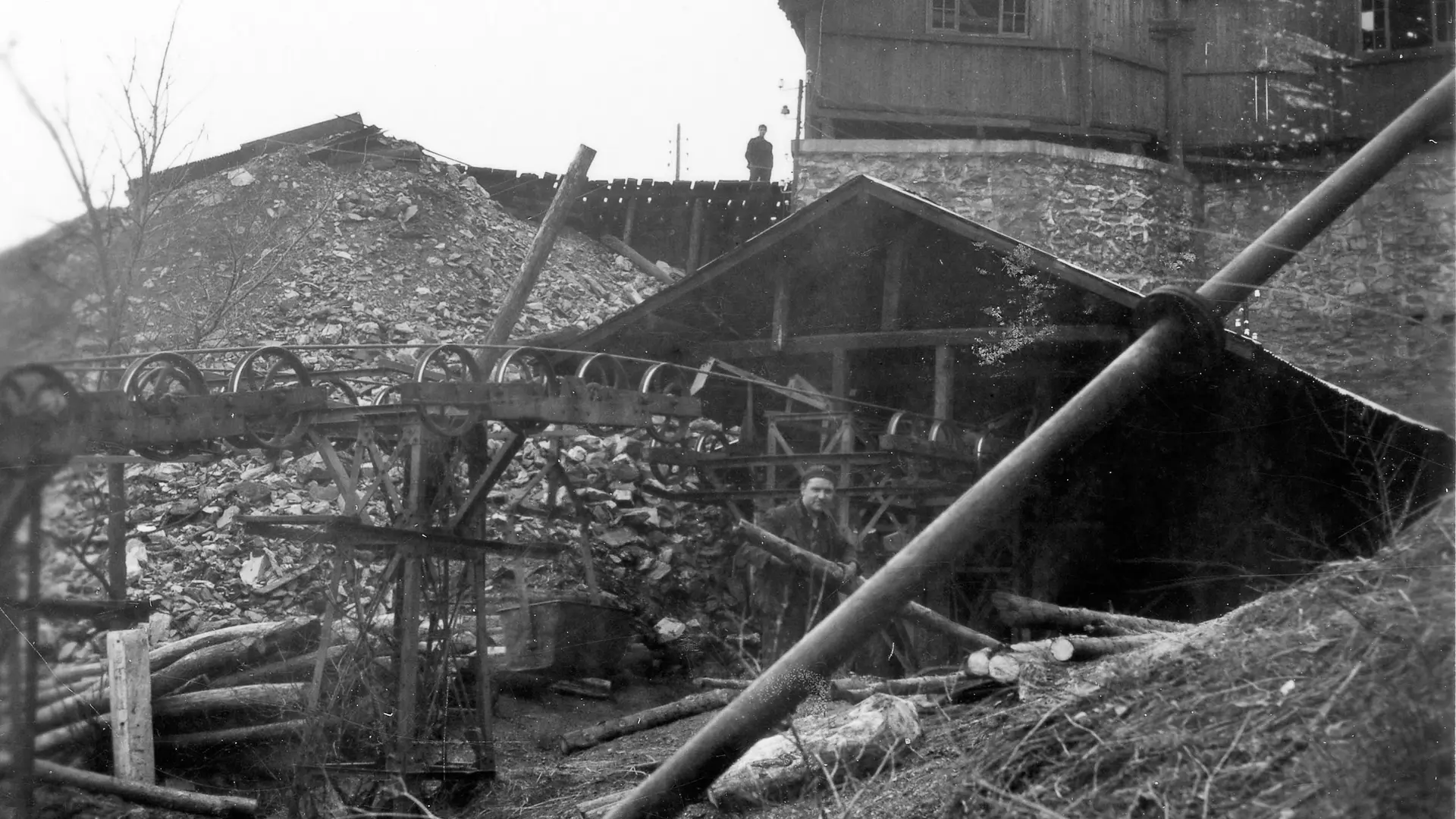
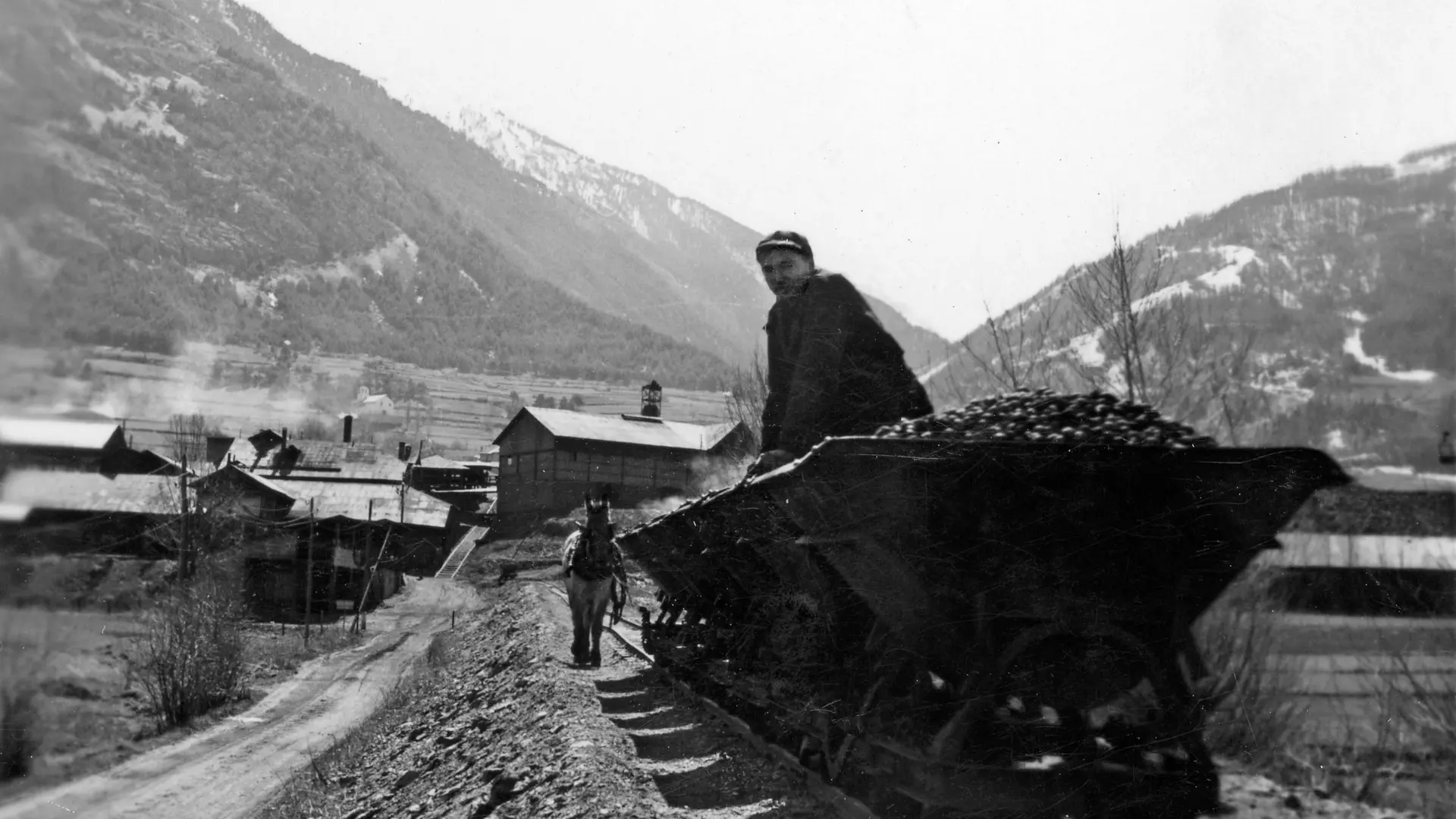
Techniques remain rudimentary, although ventilation and drainage tunnels are quickly installed to facilitate mining. The coal was then hauled down dedicated tracks to the main Chamandrin road.
At the turn of the century, a very promising layer of coal enriched the mine's owner, who decided to convert it into an industrial mine - or almost! which it became from 1917 onwards. It then took on the appearance of an industrial mine in the mountains, constrained by the topography, in particular the slope. Substantial capital from outside the Briançonnais region was mobilized, enabling the mine to be developed on a grand scale. Workforce numbers were around 80/100 miners in normal periods, dropping in the summer but rising to 150 when demand was high, with a strong reliance on immigration (up to a third of the workforce).
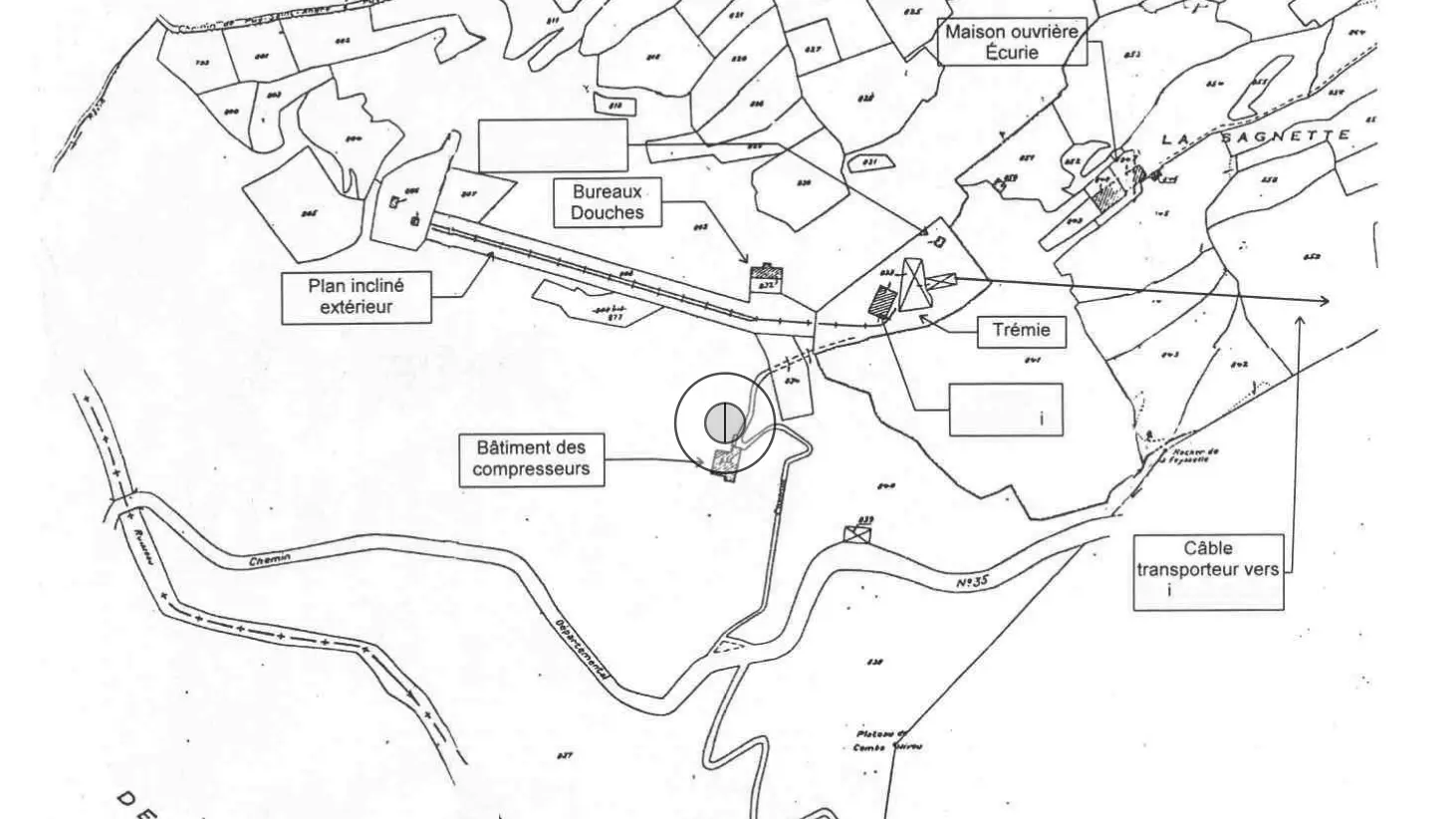
This more industrial structure enabled production of between 10 and 20,000 tonnes a year, i.e. around 20% of total Briançonnaise output. From 1929 onwards, the project took on a new dimension with the construction of a cable car to transport the coal to the Tour ball mill, before it was marketed.
Combarine remains an industrial operation with a local vocation, but with broader horizons and promising prospects in times of war and reconstruction. Its participation in the battle for coal after the Second World War was insignificant, and the basin was not nationalized, attesting to its reliable importance and irremediable decline in the years that followed, until its closure in 1962.
Explanatory panels are scattered along the route, allowing visitors to explore the site independently.