


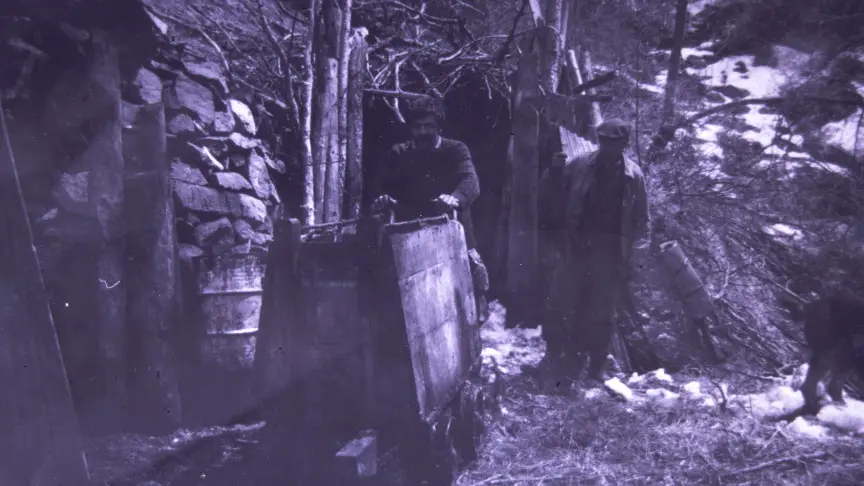
At the beginning of the 19th century, restrictions on the use of forests under the 1827 Forestry Code, harsh winters and a larger-than-ever population required a new phase of adaptation for Briançonnais communities.
Thanks to charcoal, residents can now heat their homes and replace wood, which has become inaccessible.
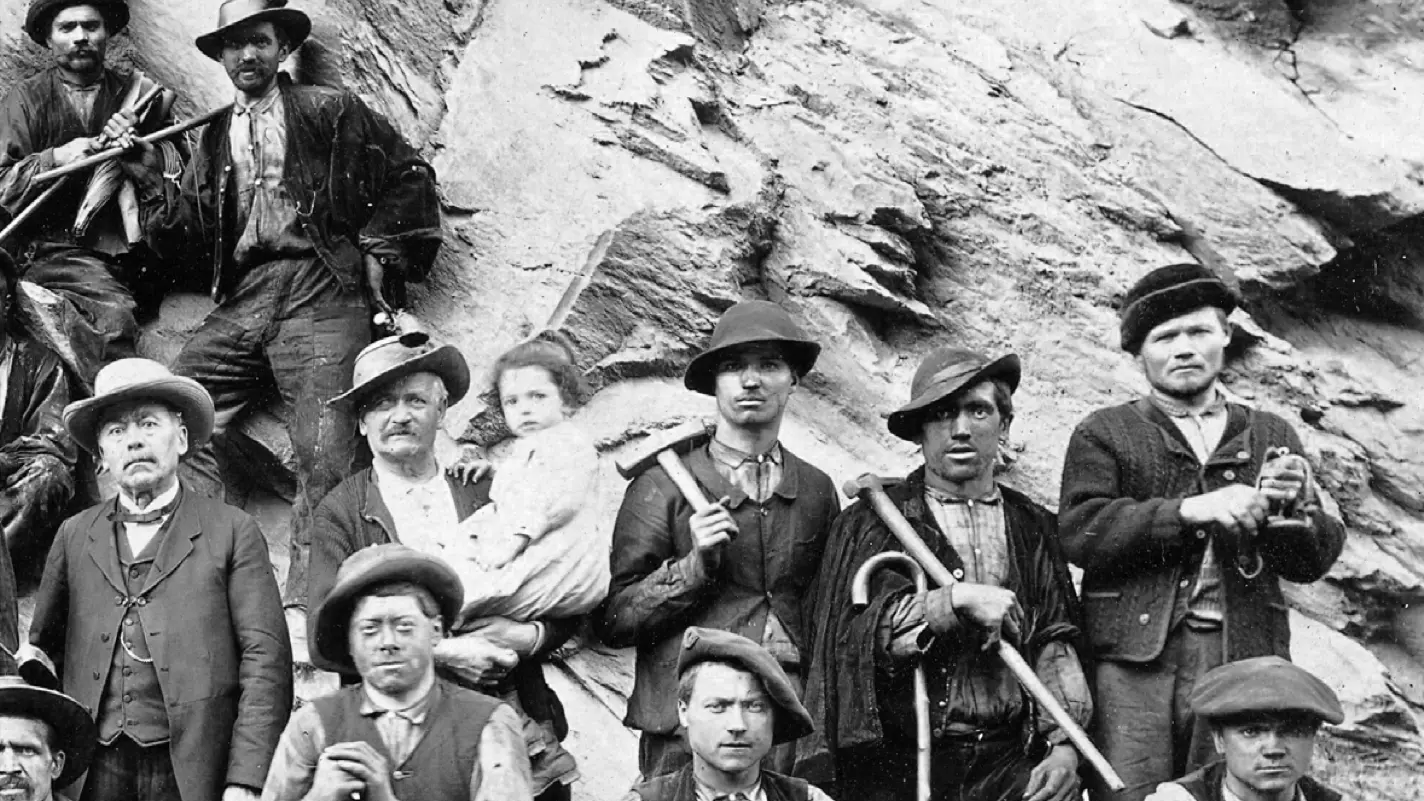
Anthracite, which is usually dusty, is easy to shape and becomes a "petri" that can be put into stoves in winter and used for cooking. What's more, many of the local inhabitants found an activity that became part of the all-important pluriactivity mechanism, keeping these men in their homeland and avoiding temporary or permanent migration.
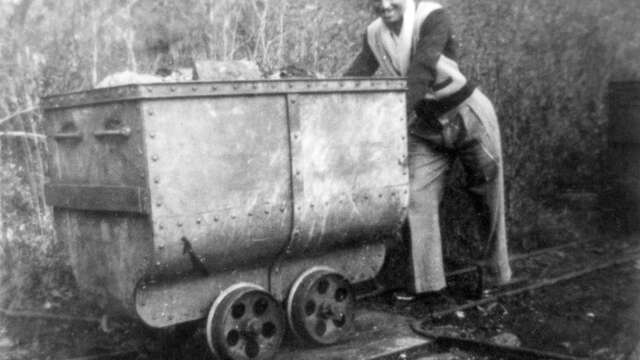
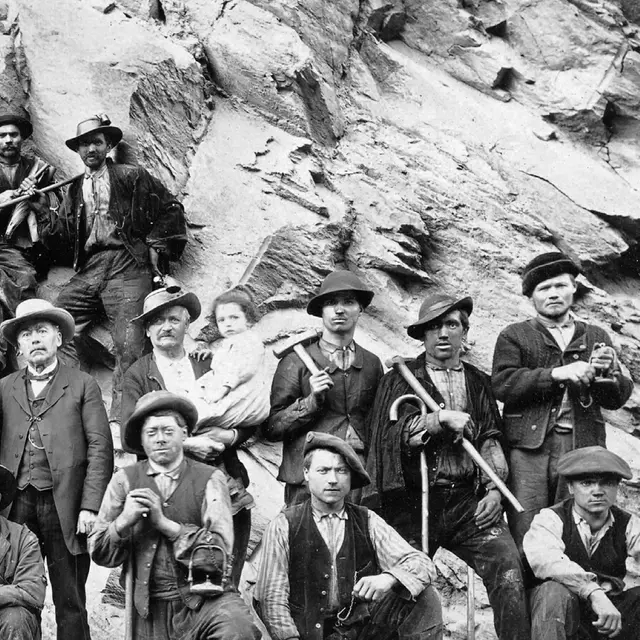
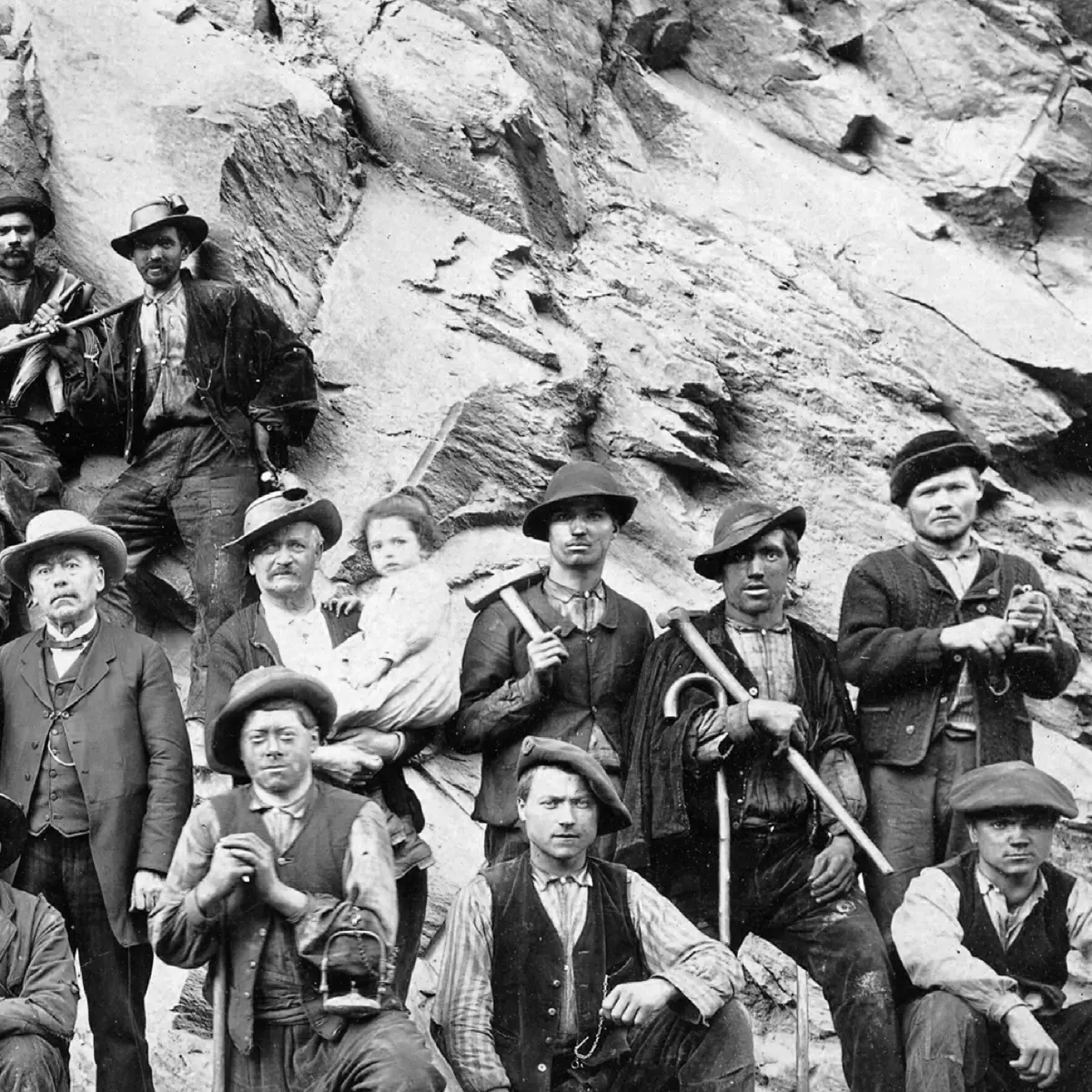
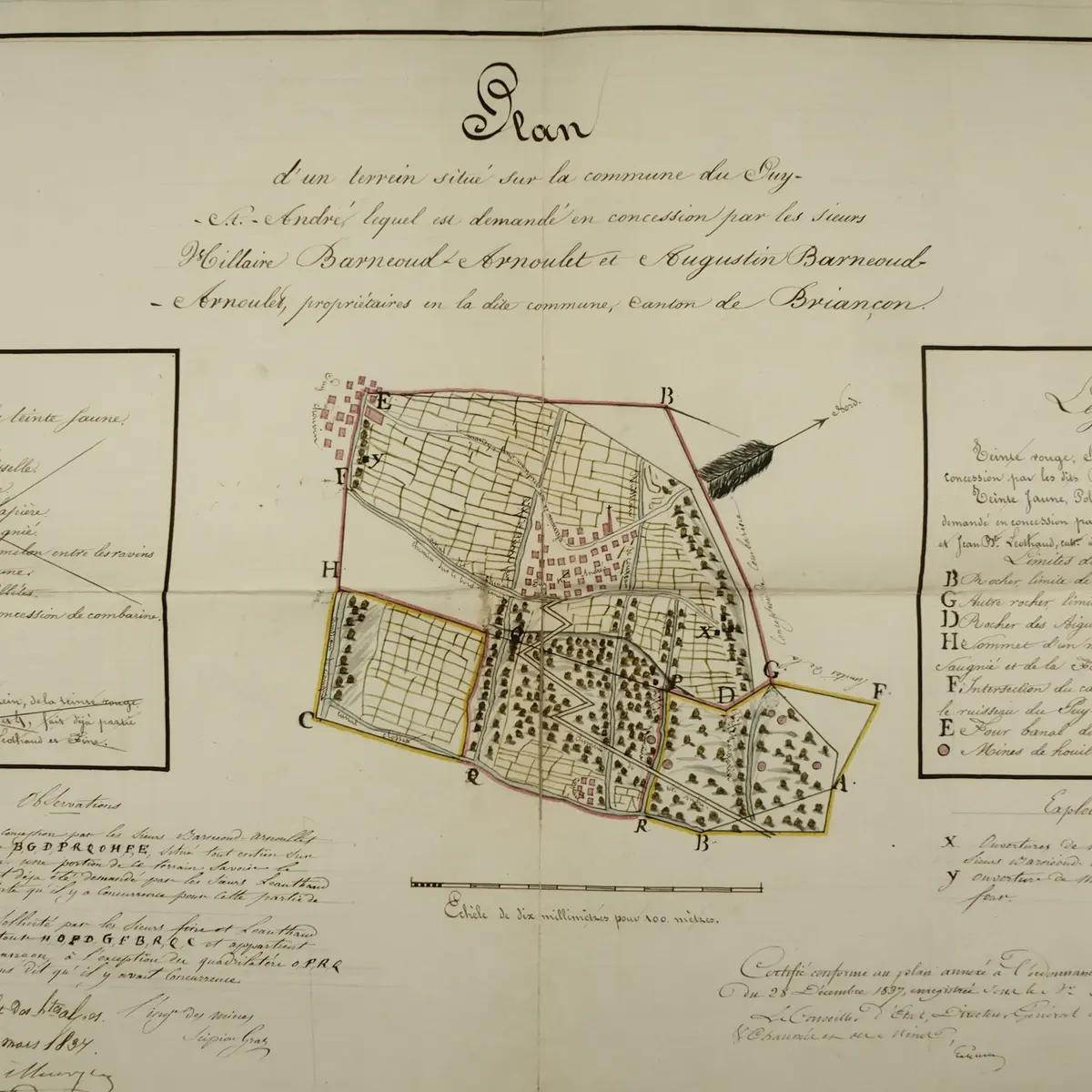
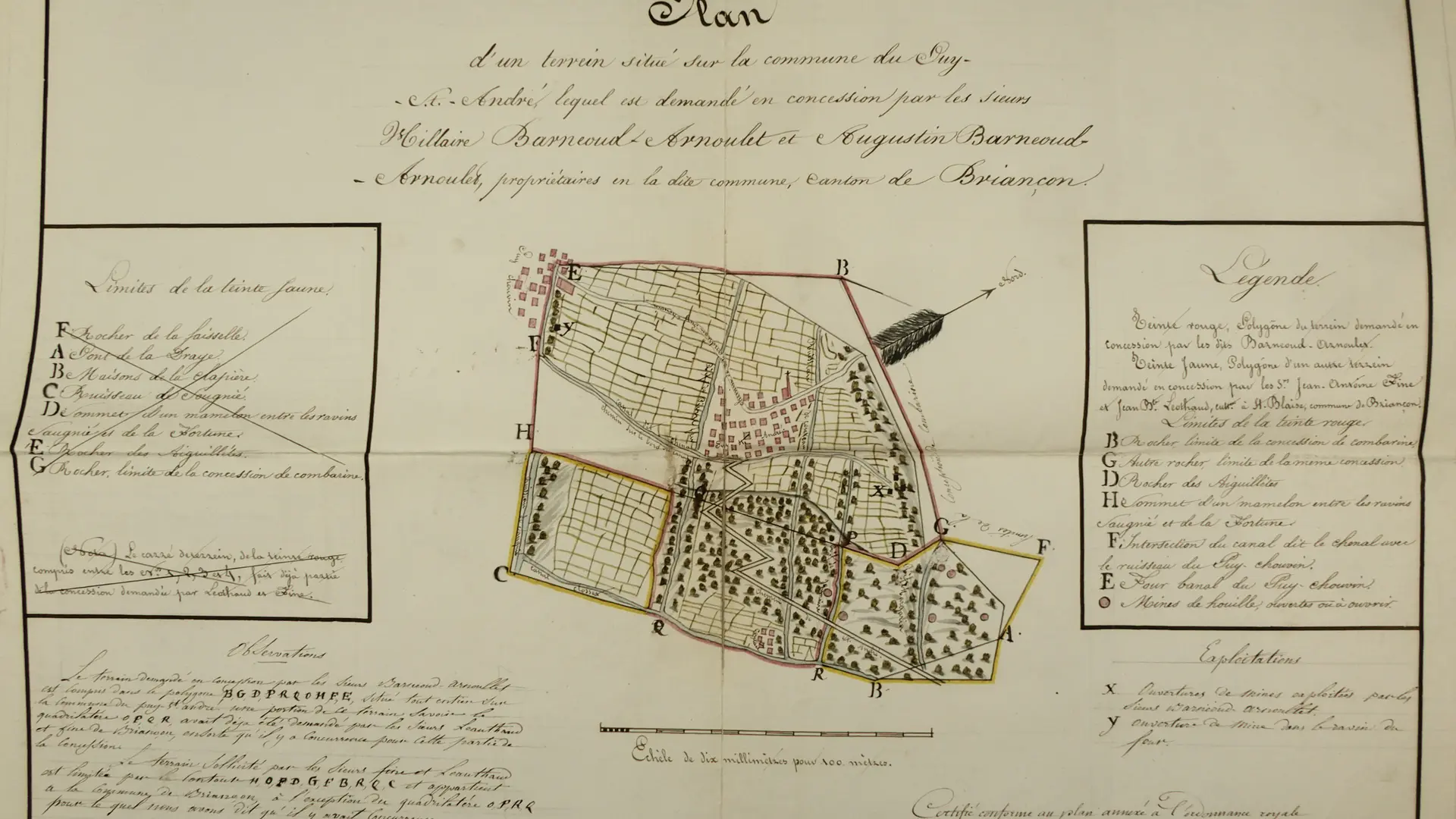
In the world of Briançonnais peasant mining in the 19th century, most were communal mines granted to the commune or hamlets in their name. Coal was reserved for members of the community, at a fixed price set by the community assembly. Everyone could dig their own hole to "make their own coal" for the winter, usually in partnership with a family member. Sales to the outside world are only authorized once the inhabitants are satisfied. The resource is managed by the commune for the sole, or almost sole, benefit of its inhabitants, like a classic common asset (mountain pastures, forests, etc.). Puy Saint André is unique in that it offers a model of advanced "communalism", the most radical in the entire Briançonnais region.
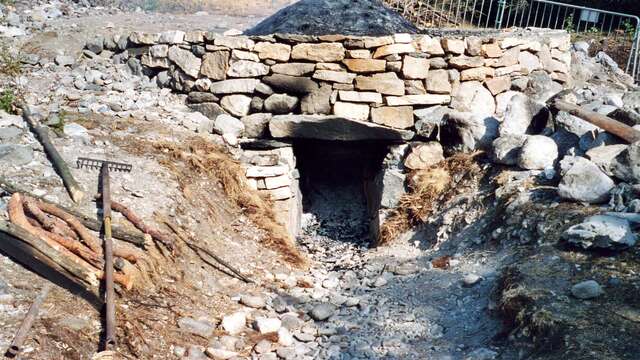
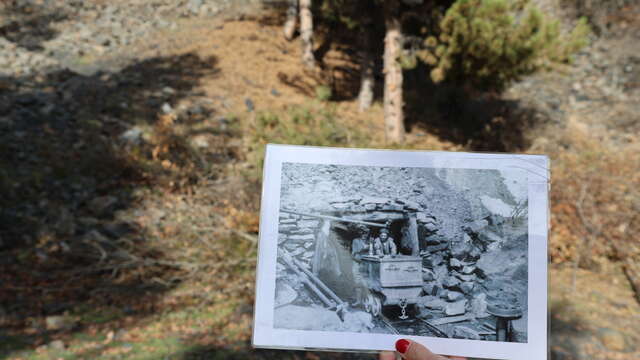
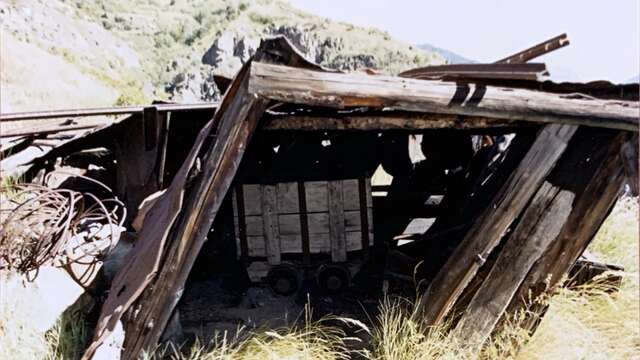
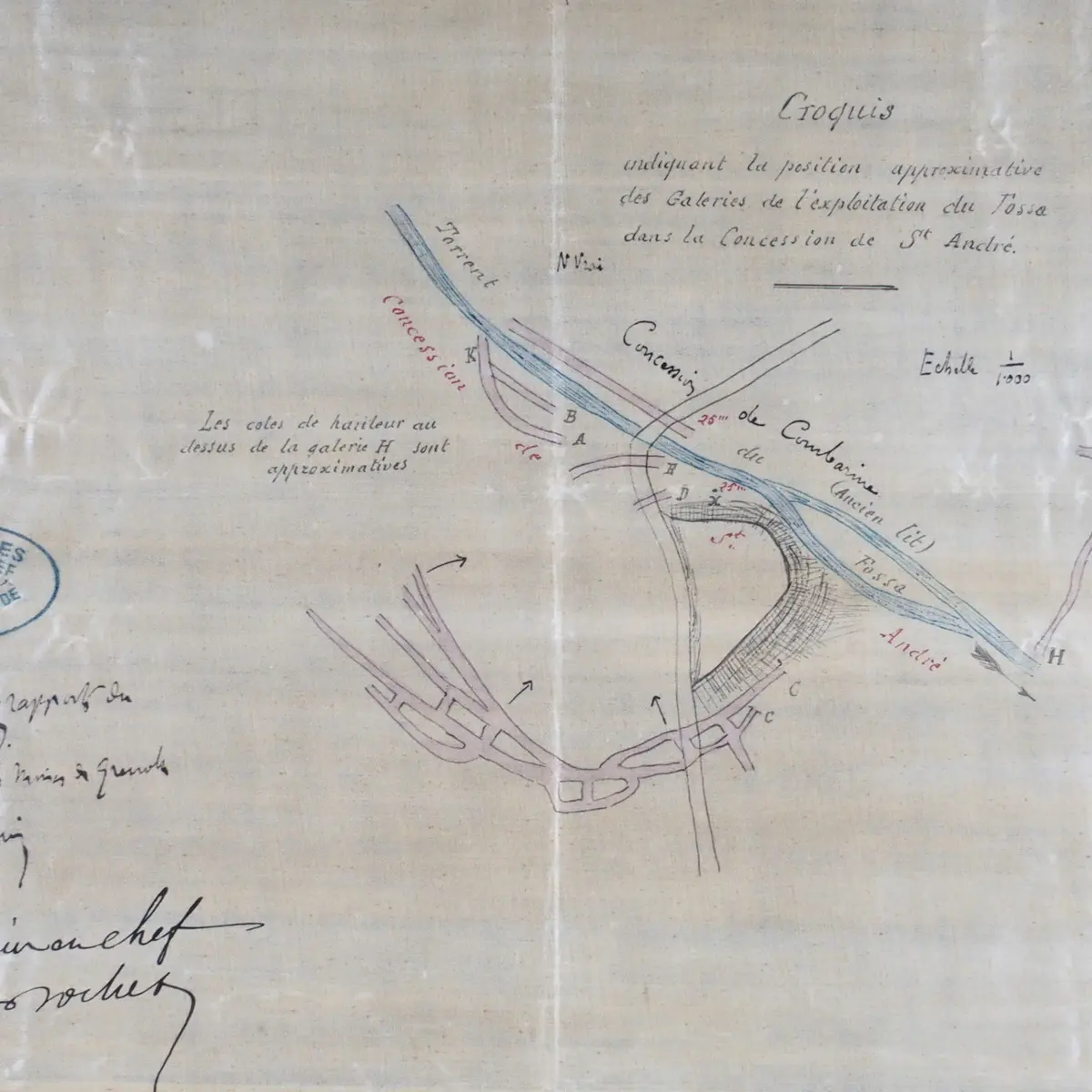
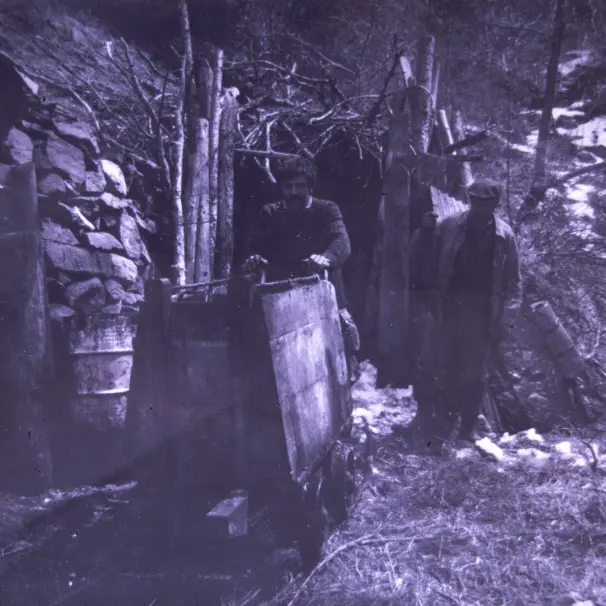
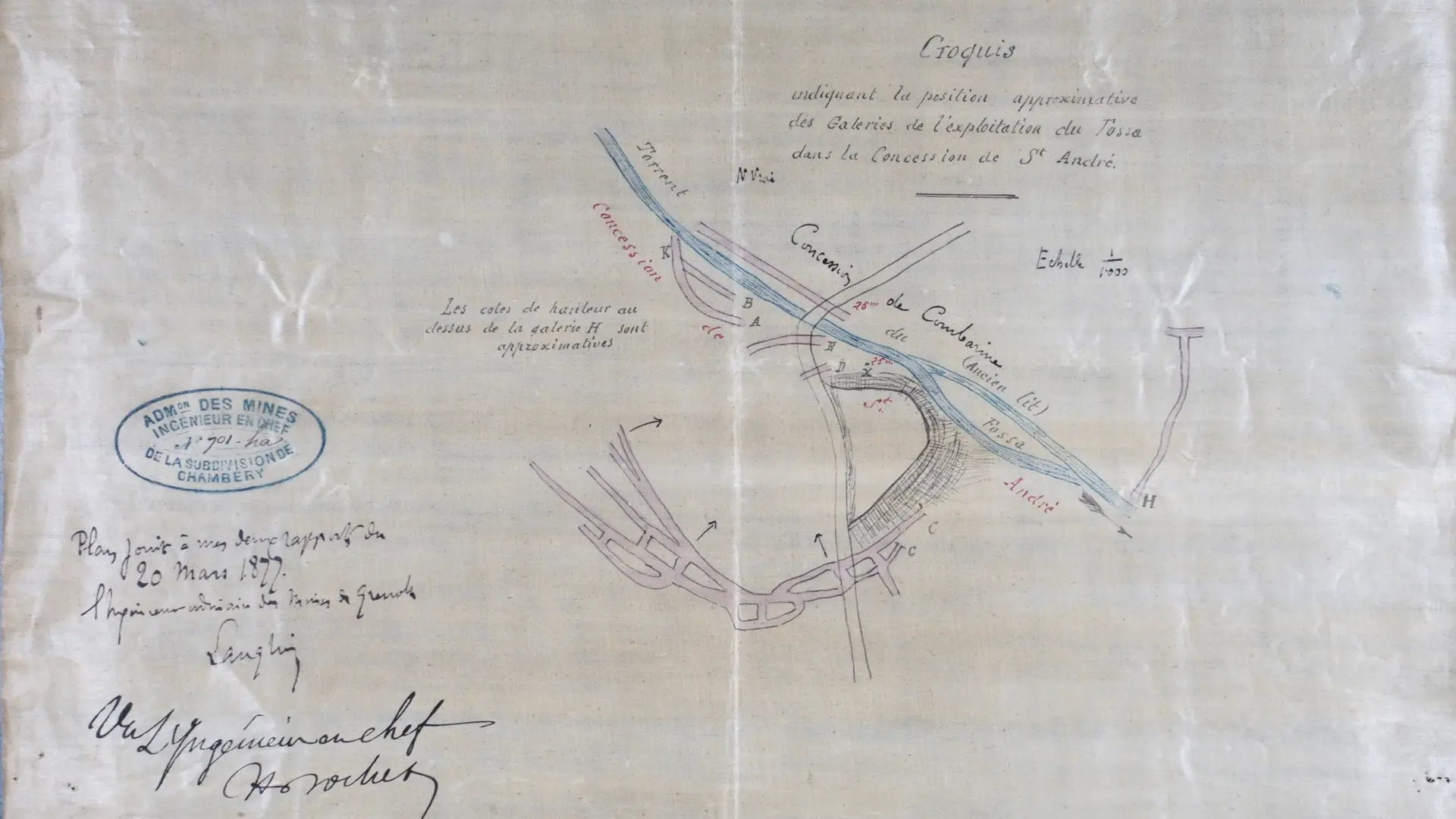
These mines are open only in winter, when farming activity remains dormant. They were dug everywhere, according to the whims of the geology, with no overall plan for discovering this precious mineral, and using sketchy, almost proto-historic techniques. Described as "holes", the galleries were poorly timbered, cut into the slope and flooded, forcing them to be dug again the following year, just a little further away.
Explanatory panels are scattered along the route, allowing visitors to explore the site independently.