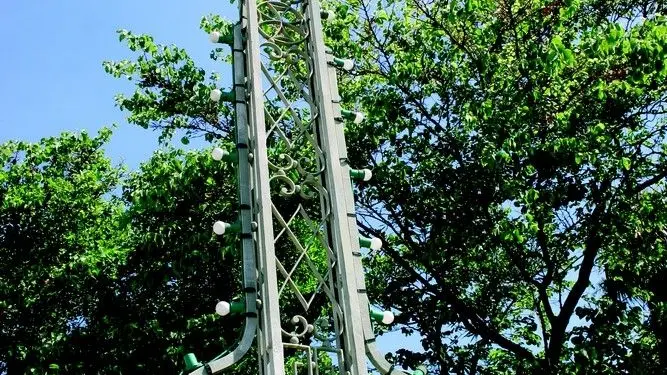
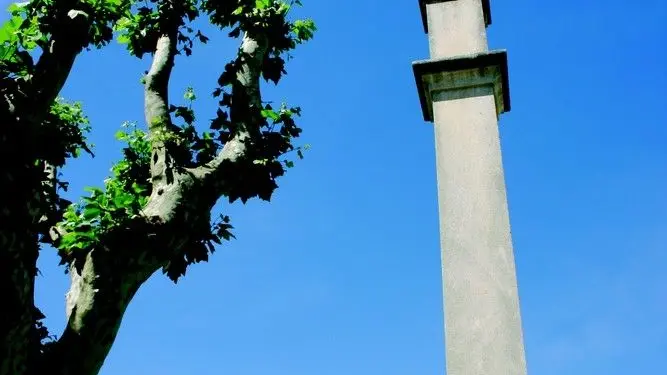
Placed at the entrance to villages, on squares and at crossroads, crosses were seen daily by field workers and travellers, merchants and soldiers, who all hoped to receive protection and favours from them.
They were objects of respect and received many visitors, who maintained them and decorated them with flowers. Even the most remote crosses were visited annually by parishioners during the fondly remembered 'Rogation' processions.
There were more than thirty of these crosses before 1789, but some ten of these have since disappeared; only 24 remain, scattered throughout the landscape of Graveson.
Architectural description
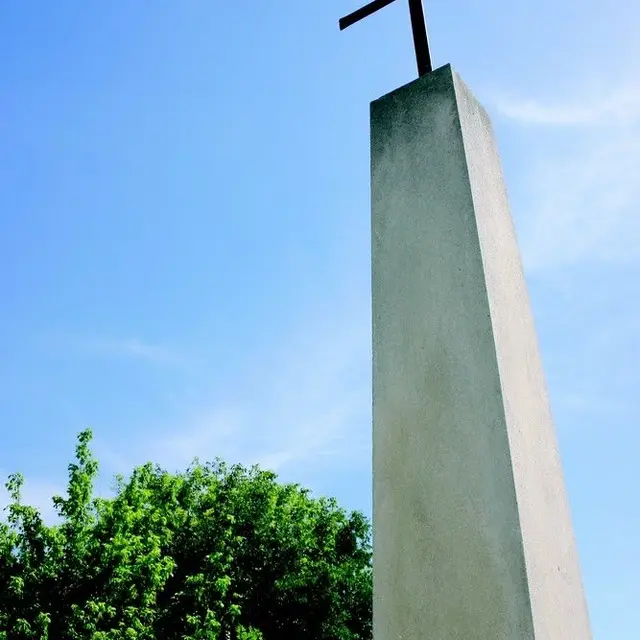
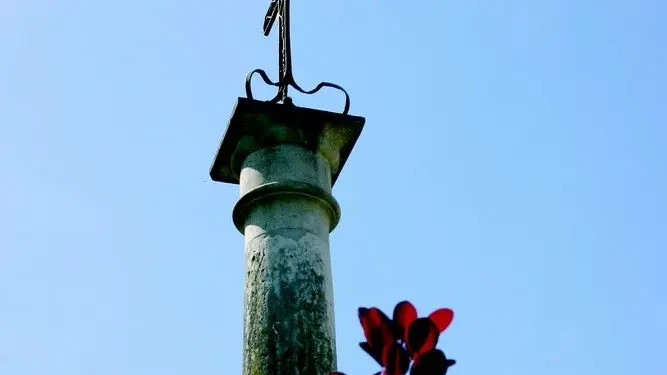
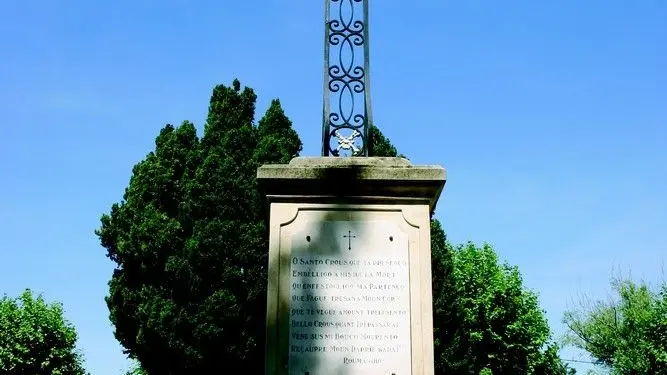
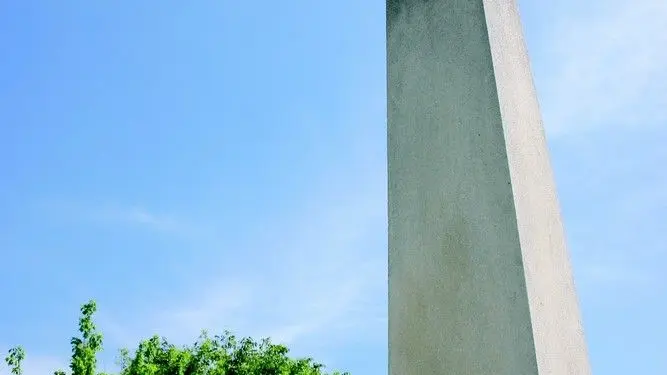
- Croix de La Meuille (Chemin des Meuilles): located in the Meuille district (former lake which dried out in the 16th century), on the property of the Mas of the same name, this cross seems to date from the 19th century. It comprises a cippus topped with a chamfer and a stone slab supporting a square shaft. An iron cross sits on top of the building, but is not the original; the capital was removed and is also missing. - Cross on the Place Jean Jeanne: 15th century chamfered shaft cross with a panelled capital. The construction was originally surmounted by a stone cross; the current cross was made according to the same model in the early 19th century. The building was restored in the 1970s. - Croix des Arènes (Chemin des Arènes): this cross has a gradated base stone with a groove in the centre and ends with a moulded stone slab. The shaft of this cross seems to be a reused ancient column (due to the shape and the capital). The wrought iron cross dates from the 18th century, later than the rest, which dates from the 17th century. - Croix du Mas d’Anselme (Chemin du Mas d’Anselme): this cross was erected in 1922 on the property of the Mas by the Baragnon family. The base is hexagonal and has a dedicatory inscription on three sides. The low shaft is topped with a wrought iron cross. - Croix des Aires/de Salome (Route d’Avignon): this cross, erected by the Salome family at the end of the 18th century, marked the establishment of the many public areas to the north of the village, but was later moved to its current location. It consists simply of a square shaft, which was replaced in 1997, and a small iron cross. - Croix de Cœur/de Gramejan (Chemin de la Roulade): the name of this cross, 'Gramejan', means 'whim of the environment', as it was built on stony ground between two branches of an old river: the channel of the dead river branch of the Rhône and the former bed of the River Durance. In the 19th century, it took the name of Croix de Cœur, as it was close to the Mas de Cœur. The building has a simple cubic base, supporting an extended shaft and an iron cross. - Croix de la Folie (Avenue Lieutenant Atger): this is one of the oldest crosses in the region and is first mentioned in the 15th century. Its original name comes from the 13th century village of 'Stultitia', but it also became known as Croix de l’Aubarède in the 18th century. Its base is concealed; all that is visible is the square shaft and the large but simple iron cross on top. - Croix du Mas de la Chapelle (Chemin Mas Musique): this cross was erected in the 14th century, but rebuilt in the 18th century and again in the 19th; it is located next to the Mas de la Chapelle and was built in the Middle Ages. It consists of a solid base stone, a shaft with a base and a capital and a beautiful wrought iron cross. - Croix du Petit Saint Jean (Avenue Frédéric Mistral): this cross is located at a crossroads; it replaced a larger monument called 'La Croix Couverte' (The Covered Cross), a Gothic construction destroyed during the Revolution. The early 19th century curved base was destroyed and replaced by a large cubic stone in 1989. The shaft (ancient column) was used for the Croix des Arènes and the current large wrought iron cross dates from 1830. - Croix du Château/des Princes (Cours National): this cross was erected during a mission circa 1815/1817. It has a wide base, a dressed shaft and a beautiful, finely crafted metal cross. - Croix de Brun/des Palunettes (Route des Palunettes): this cross was erected after the Great War of 1914/1918 by the Brun family, whose members had returned from the conflict safe and sound. It is a simple building, with a solid cubic base stone supporting a large wrought iron cross. - Croix des Aréniers (Chemin des Aréniers): this Middle Age cross has been restored several times over the centuries. Its construction date is unknown. Les Aréniers is a valley where the people have Graveson and other inhabitants have gone to find sand and gravel since Antiquity. It comprises a solid cubic base (and the inscription '1720' for the year it was repaired), on which is a shaft and a small but very beautiful wrought iron cross. - Croix du Saint-Sépulcre (Route des Palunettes): this cross was erected in 1919 on the site of the former cemetery, in front of Saint-Sépulcre chapel, by the Augustin, Fourment and Braille families, who owned the land. It is a large calvary cross consisting of a base with inscriptions and a metal cross. - Croix de Jourdan (Route des Panulettes): this cross, first mentioned at the end of the 16th century as the 'Croix de Sire Jourdan Brun', was rebuilt by the Brun family in the 19th century. A square base and a stone shaft sit on top of a wide plinth made of limestone slabs; the entire construction was covered in cement in the 1950s. The original iron cross, decorated with an ear of wheat, has since disappeared and been replaced by a more sombre iron cross. - Croix d'Aubrespin/du Mas de la Croix (Chemin des Chutes): its erection date is unknown, but the neighbouring Mas de la Croix (17th century) takes its name from this monument located at the beginning of path which leads to it. It is an old, worn cross in poor condition and was inopportunely restored in the 1970s. The base has two levels, the shaft is circular and the original cross was made of wrought iron. - Croix du Grand Portail (Cours National): the current monument seems to date from the 18th century, but the base must be older than that. This cross, which has been restored several times, marks the start of the 'Lamanon' district. It has a square cippus with concave corners, placed on another, wider base stone. The shaft is hexagonal, with a moulded capital, surmounted by a large metal cross. - Croix du Mas de Marin (former Chemin d’Arles): this cross was erected in 1926 by the Chayet family. The inscription on the base reads 'in memoriam avorum' (In memory of the ancestors). It stands on the estate of the house built around 1860 by Mr Mouret, a relative of the Chayet family and descendent of the Marin family. It is made completely of stone; a cornice base stone rests on another, four-level base stone. The huge cross stands directly on the cippus. - Croix du Règne (Chemin de la Roulade): this cross was mentioned in the 15th century and its name is probably a patronym. It has been destroyed and restored several times and is located at the start of the Chemin de la Roulade, which led to the village from the north. A cubic base stone rests on a wide stone plinth; the shaft is square and supports a slender wrought iron cross. - Croix du Mas des Issards (Route d’Avignon): this cross was erected in the late 19th century by the d'Azy family, who owned the Château des Issarts at the boundary of Graveson and Rognonas. It is a simple monument with a stone base and a wooden cross. - Croix du Cimetière (Chemin de la Roulade): this monumental cross was erected in the middle of the cemetery in 1890, as a replacement for an older wooden cross. The inscription of verses by the poet Joseph Roumanille gives it an authentic Félibran feel. A three-layered base supports a high cippus on which these verses are inscribed; a large metal cross sits on top. - Croix de la Place de l’Eglise (Place de l’Eglise): this calvary was erected during a mission preached in 1858 and marked the former site of the parish cemetery, which was still in use at the end of the 17th century. It is a monumental wooden cross on a base stone made of large dressed stones. - Croix de Cadillan/de Millet (Route de Châteaurenard): the village of the three crosses once marked the boundary of the Cadillan estate and Graveson. Erected in the 16th century and destroyed during the Revolution, it was rebuilt and inaugurated in 1903 thanks to a donation from the Millet family. It has a square shaft, surmounted by a chapter decorated with acanthus leaves. The cross is made of wrought iron and the cippus bears an inscription. - Croix de Saint-Pierre/du Redonneau (Rue de Cascaveau): this cross was erected in the 19th century to replace an oratory dedicated to Saint Peter which was destroyed during the Revolution. It was completely restored in 1996. The chamfered base supports a cornice cippus. The square shaft is slender and ends in a finely crafted metal cross. - Croix de la Mission Graveson-Maillane (Route Cassoulen): this cross was erected at the boundary of the parishes of Maillane and Graveson during the Regional Mission of 1955. The base is composed of a niche, inside which is a statute of the Virgin. Above this part is a short square shaft which supports a beautiful metal cross.
Read more