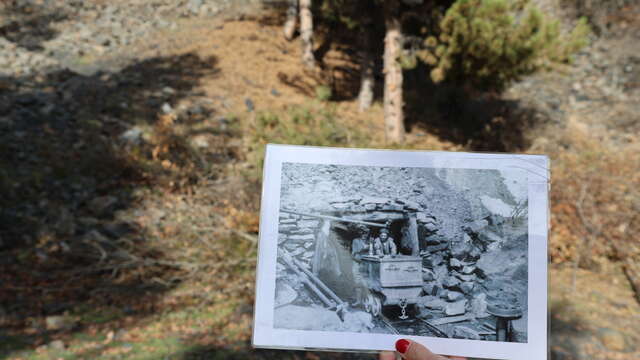



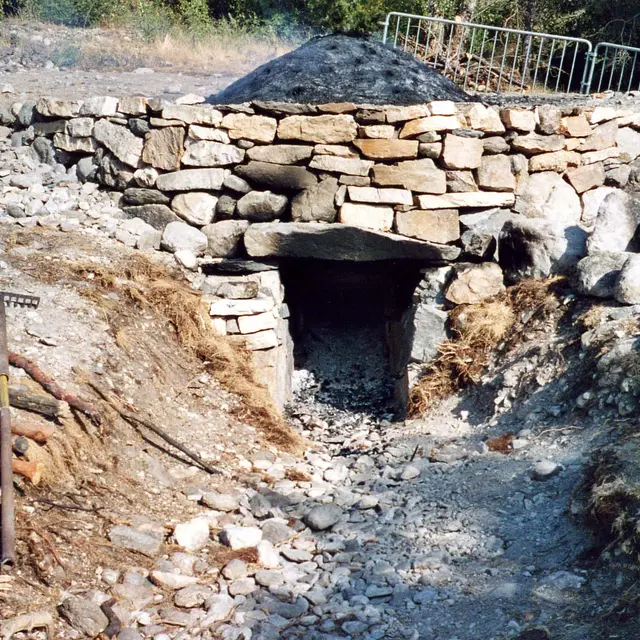
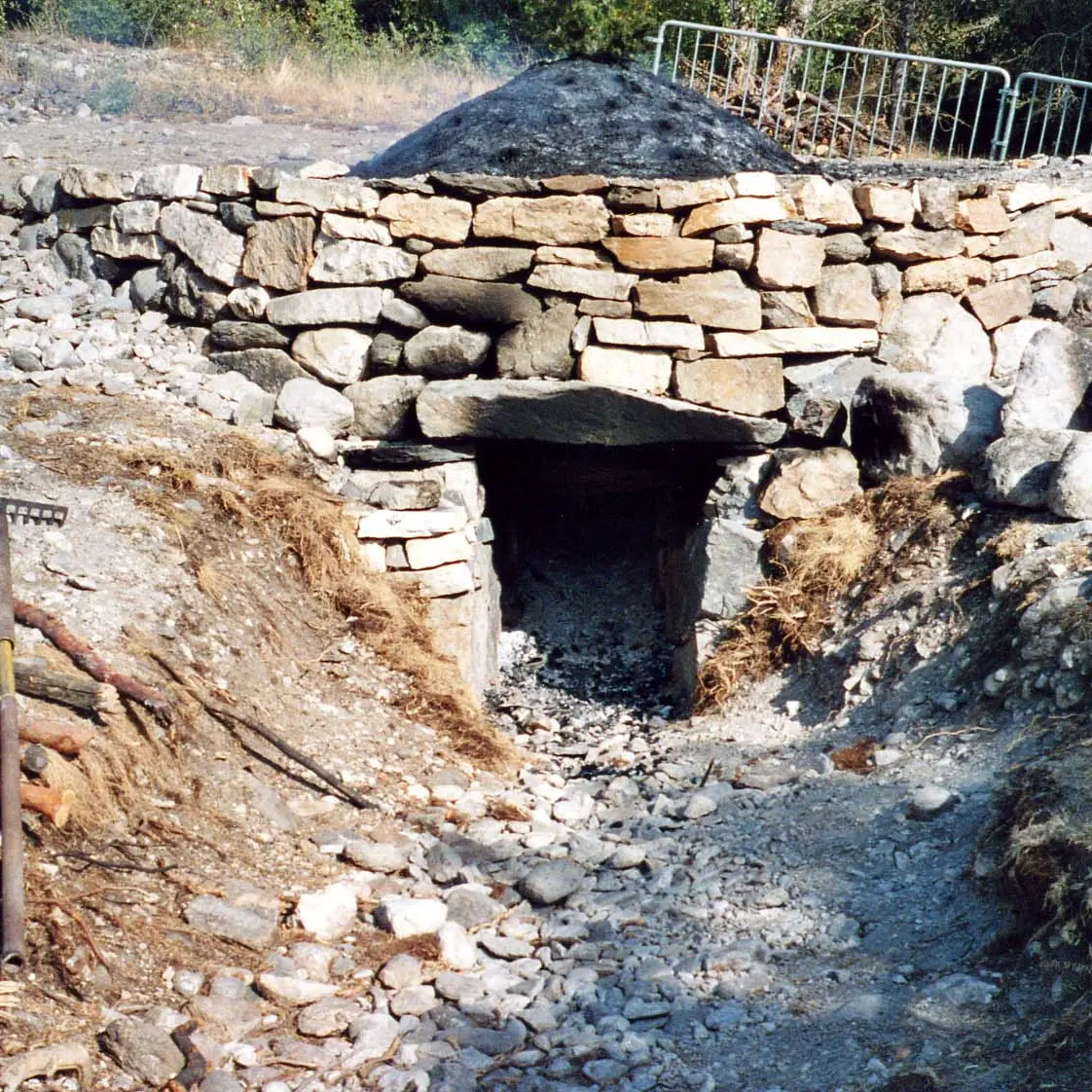
Praise for the small heritage of lime kilns. Scattered throughout the Briançonnais region, around a hundred of them are in sufficiently good condition to be still present in the landscape, as in this case, in this almost invisible hollow of a valley.
Mainly used to build houses, to amend farmland, as a fungicide in the treatment of hides (as in Villard Saint Pancrace, where in the 18th century, the village's 17 thatchers supplied the Sachas tanneries), lime has a multitude of uses.
multiple uses.
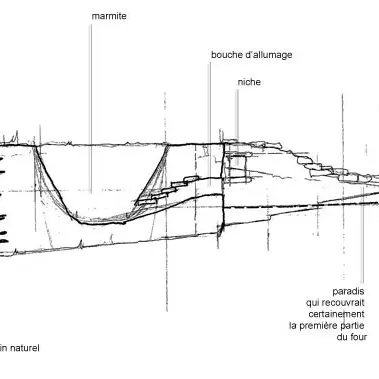
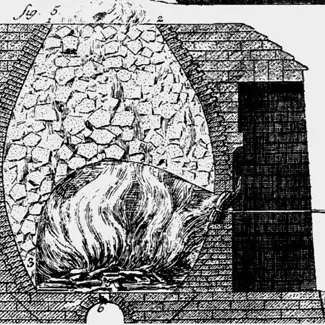
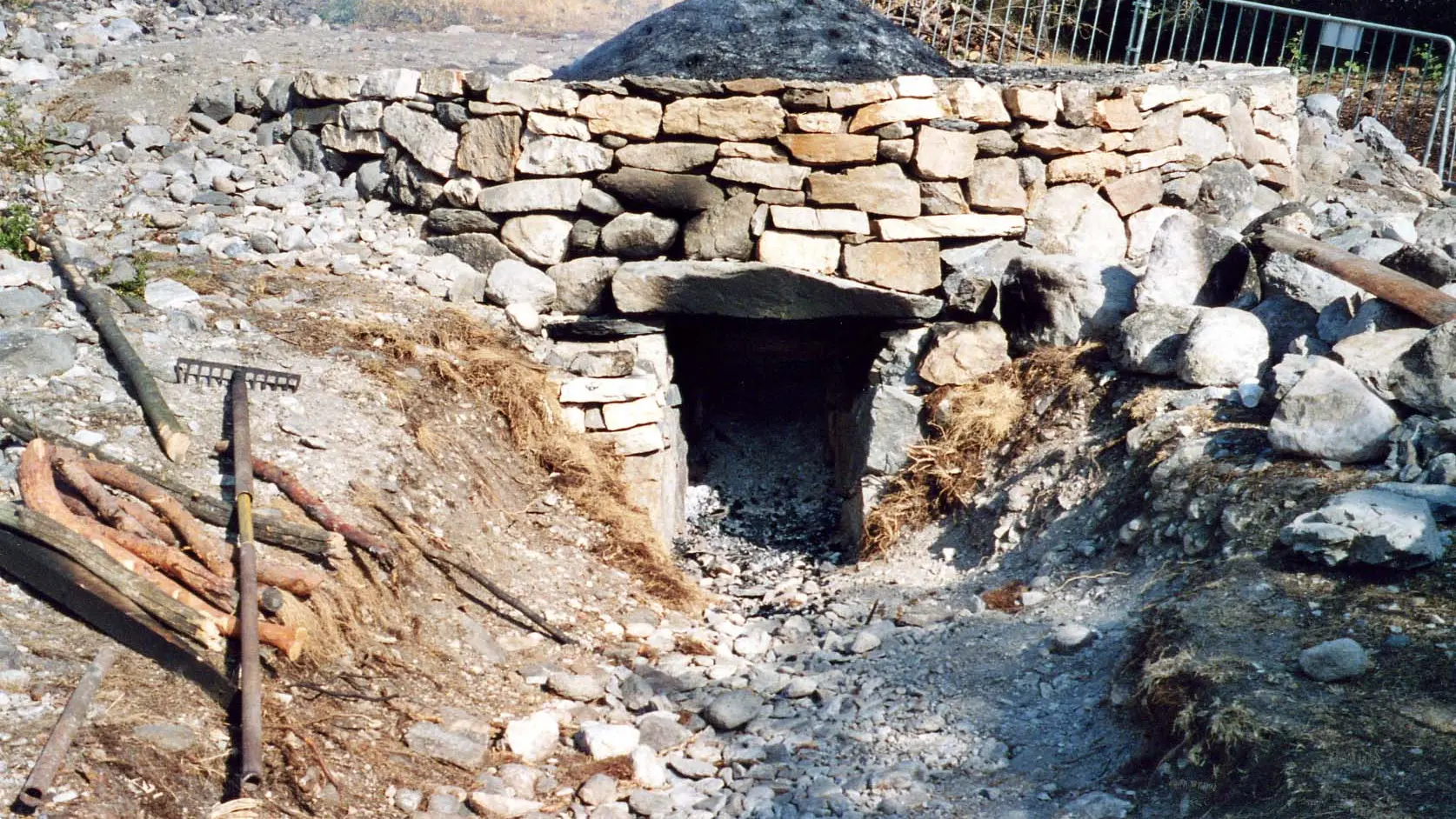
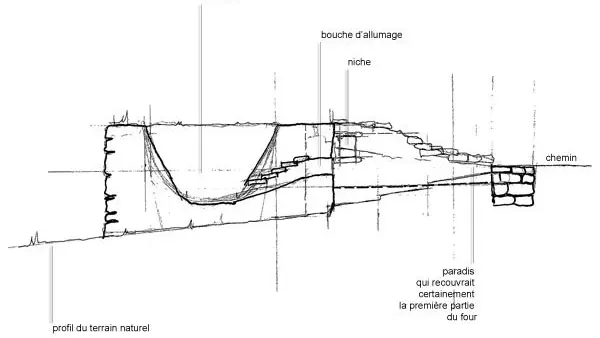
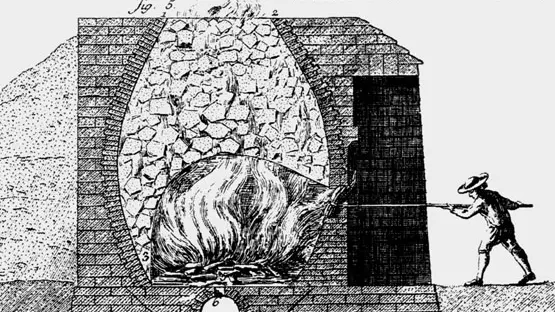
Its manufacture requires a kiln, as can be seen here, built into the slope to limit the volume of stones, in the shape of an inverted cone, opened by a mouth used for ignition and firing. Inside, a succession of layers of limestone "picked" from the surrounding area, usually near a torrent carrying them from upstream, and coal briquettes from nearby galleries.
Heated for 3 days at around 900/1000°, the lime is discharged a week later after cooling.
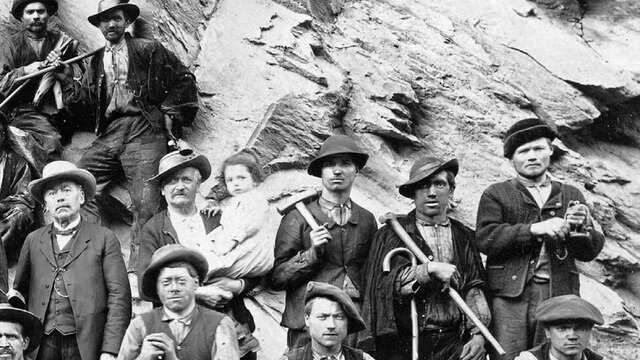
Few records have come down to us on the activities of the lime kiln workers: whether they worked in teams or alone, whether they were specialized craftsmen or simple inhabitants more or less familiar with the practices, the volume of lime produced for each firing, the cost and possible profits... All we know is that the price, like anthracite production, was set by the communes.
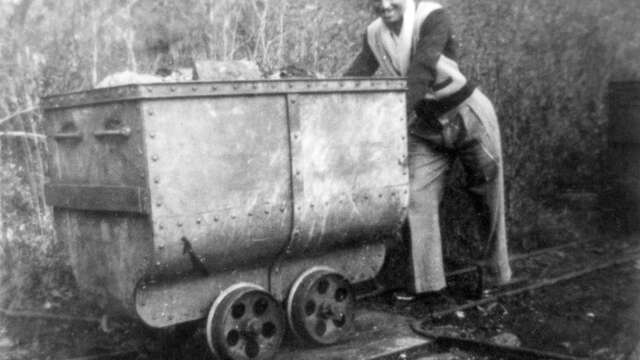
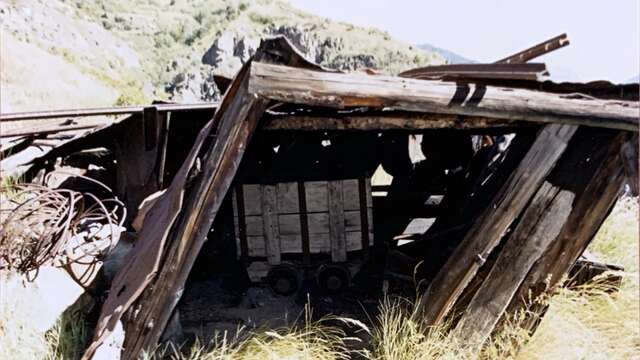
Directly linked to the history of coal, vestiges of lime production are rare and all the more precious. They reveal the same logic whereby the community seeks to preserve a resource that it considers to be its own and indispensable to its survival.
multiple uses.
Its manufacture requires a kiln, as can be seen here, built into the slope to limit the volume of stones, in the shape of an inverted cone, opened by a mouth used for ignition and firing. Inside, a succession of layers of limestone "picked" from the surrounding area, usually near a torrent carrying them from upstream, and coal briquettes from nearby galleries.
Heated for 3 days at around 900/1000°, the lime is discharged a week later after cooling.
Few records have come down to us on the activities of the lime kiln workers: whether they worked in teams or alone, whether they were specialized craftsmen or simple inhabitants more or less familiar with the practices, the volume of lime produced for each firing, the cost and possible profits... All we know is that the price, like anthracite production, was set by the communes.
Directly linked to the history of coal, vestiges of lime production are rare and all the more precious. They reveal the same logic whereby the community seeks to preserve a resource that it considers to be its own and indispensable to its survival.