


For this 6th Monday of conference, the thematic approached will be the importance of the Lichens in their contribution to the understanding of our environment. Claude Rémy, president of the association Arnica Montana will join you during this debate.
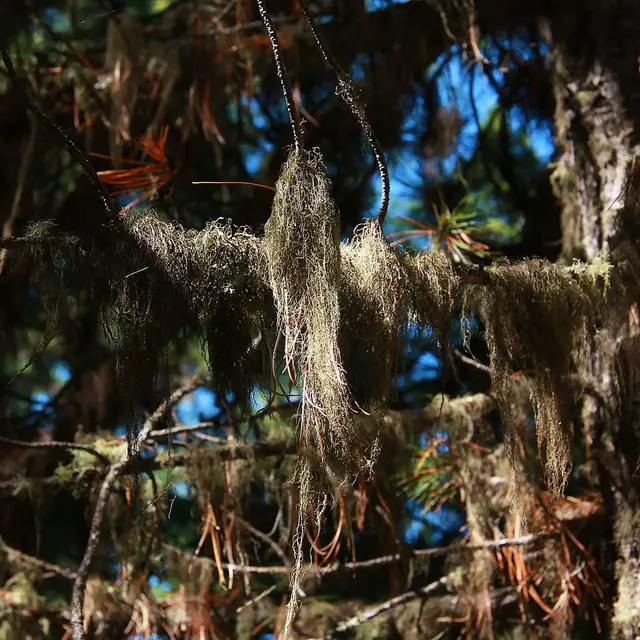
Very present in our environment on trees, soils, rocks, etc., lichens are however unknown to the public, sometimes to botanists themselves. They are generally confused with mosses.
Lichens often live in very specific ecological conditions and are therefore very sensitive to environmental changes. Lichens are also very sensitive to atmospheric pollution.
In this conference, we will see what is the true nature of lichens, which main species we can meet in the Briançonnais and how lichens can serve as real warning signs about air quality and changes in our environment.
Claude Rémy is president of the Arnica montana association and is a member of the French association of lichenology, of which he was the vice-president. He is also an honorary professor of life and earth sciences. Within the framework of the Arnica montana association, he has piloted studies on the bio-monitoring of air quality using lichens and plants (realization of air quality maps using lichens, highlighting of nitrogen pollution of road origin using lichens, study of ozone pollution with tobacco plants, impact of ozone pollution on natural vegetation) and has published several articles on the subject and made didactic leaflets especially on the relationship between lichens and birds.