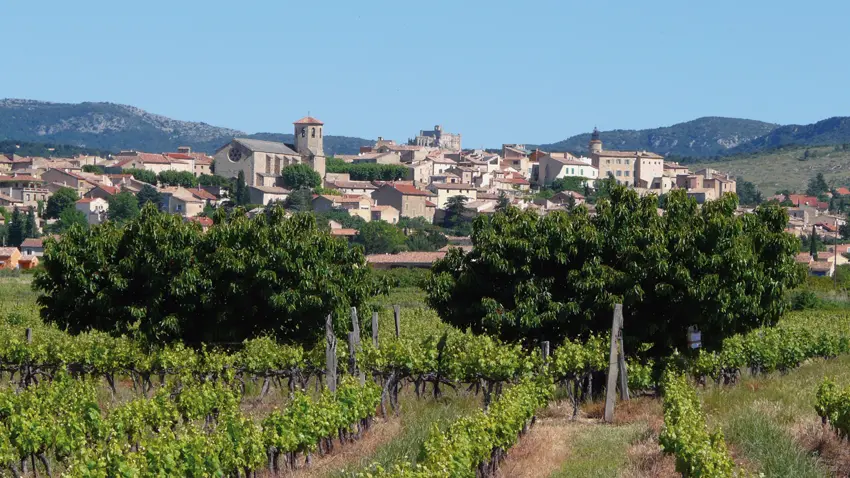
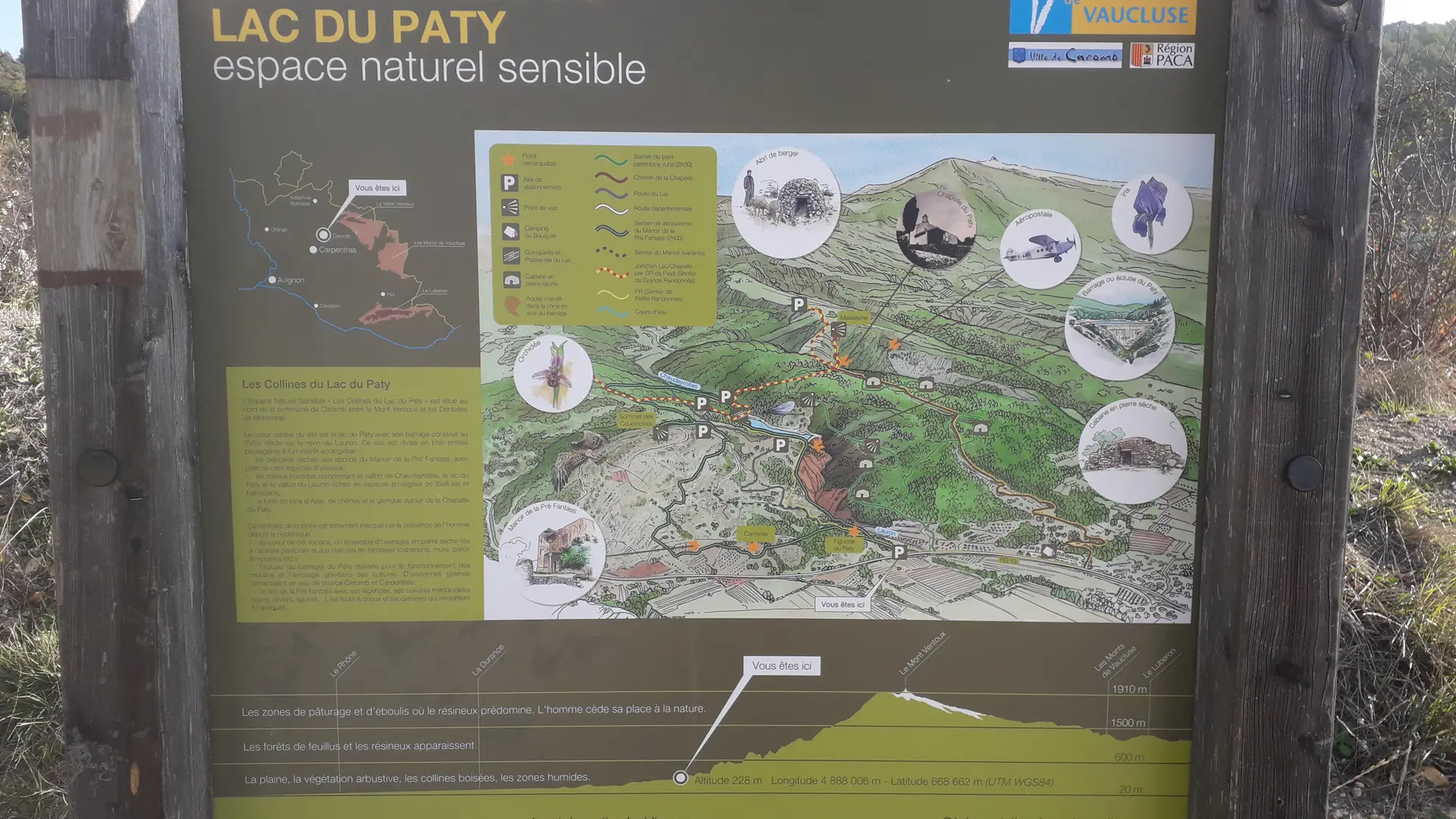
The drystone architecture in and around the village of Caromb is closely linked to the 19th century farming activities. The families living in Caromb were active on the hillsides with sheep-raising, gathering of aromatic herbs and production of charcoal. On the plots of land which were irrigated by the springs from the Paty chapel, they grew lettuce and early vegetables, and apricot trees. This activity began to dwindle in the 1950’s. Crops were grown on terraced fields which were bordered and marked by low stone walls made from the stone cleared from the fields. Walls, fences, restanques, enclosures and bories were all built from cleared stone and bear witness to the active rural life, and can be seen along this hiking trail.
Read more