Places visited:
Arles
Salin-de-Giraud
Port-Saint-Louis-du-Rhône
Saint-Martin-de-Crau
Lamanon, Sénas and Orgon
Cavaillon
Avignon
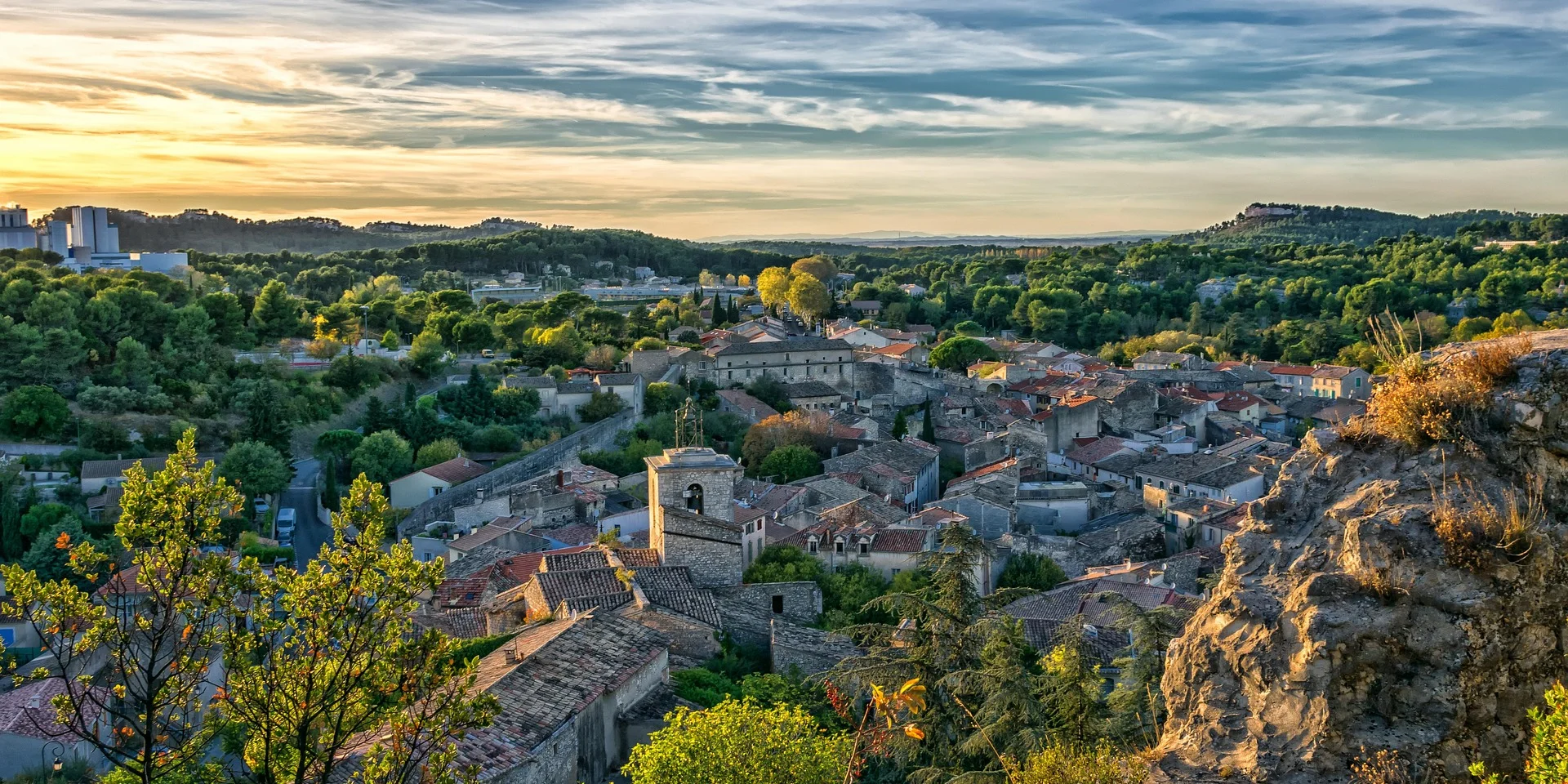 The village of Orgon, in the Alpilles Regional Nature Park
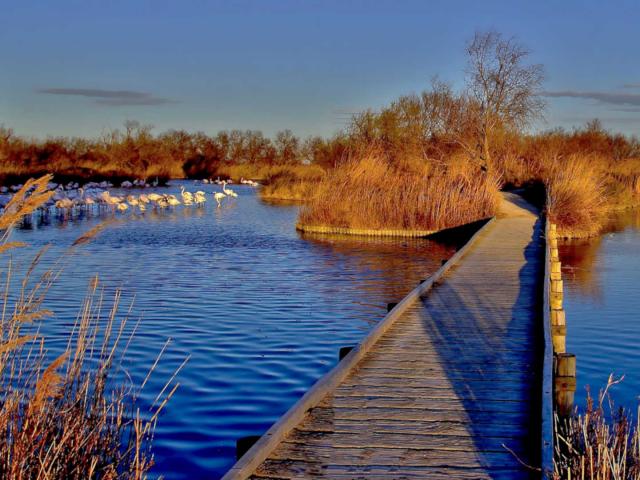
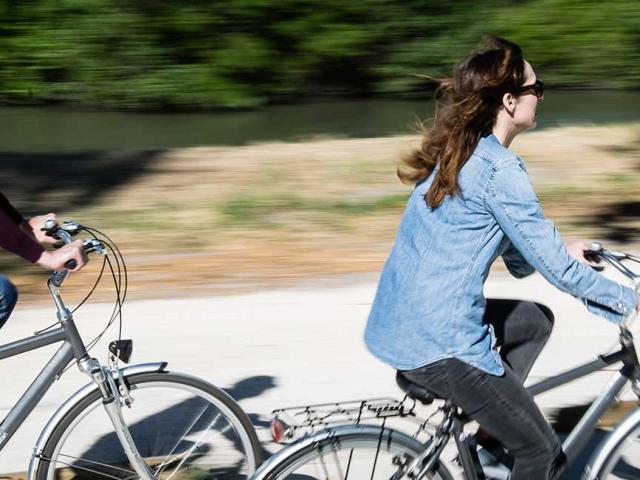
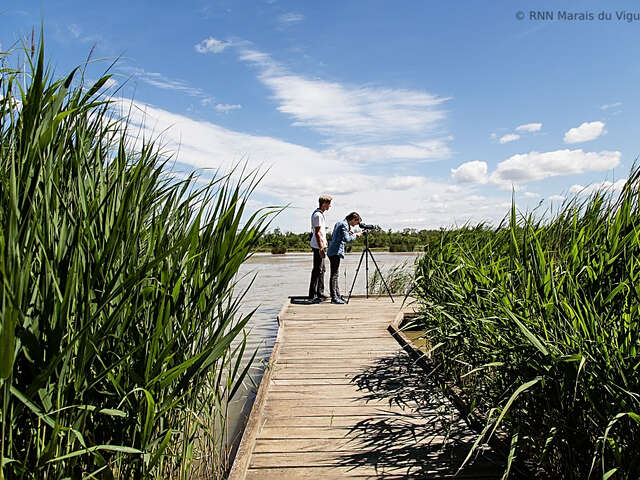
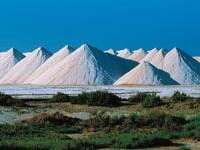
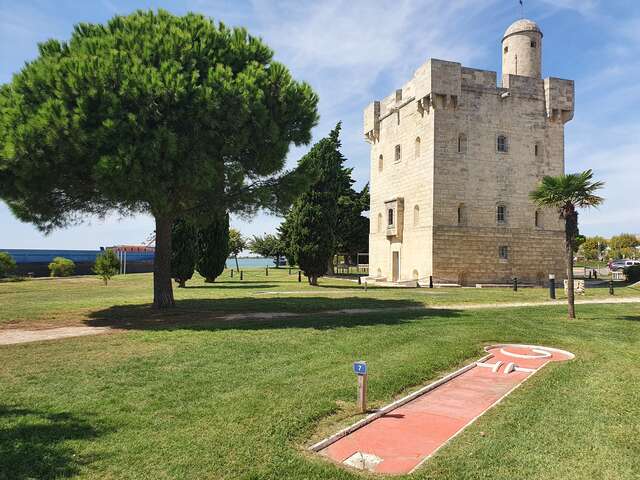
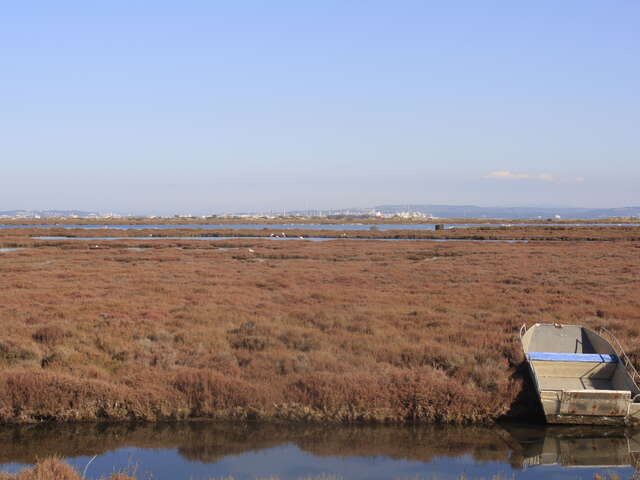
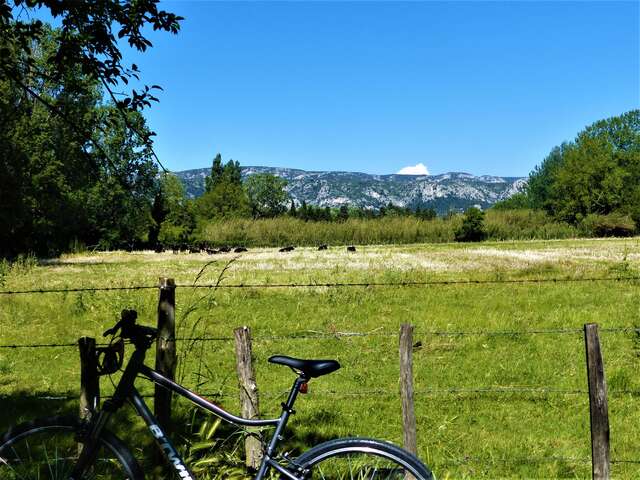
It’s easy to discover the Camargue Natural Regional Park by bike. This wild land between the sea and the salt marshes – no height differences, landscapes full of flamingoes, white horses and bulls – stretches as far as the eye can see. In the ancient Roman town of Arles, you can easily hire bikes and launch off from the Van Gogh bridge onto the ViaRhôna stage, which links Port-Saint-Louis-du-Rhône (51.69 km, 3 hours and 26 minutes). Several sites on the way will reveal the essence of the natural charm of the Camargue: the Marais du Vigueirat Natural Reserve, near the village of Mas Thibert, a mosaic of natural wetlands with 3,500 animal and plant species. Or the surprising pink salt beds in Salin-de-Giraud, where the salt farming activity was developed at the end of the 19th century (to get there, take the Bac de Barcarin ferry, which is free of charge for bikes). When you get to Port-Saint-Louis-du-Rhône, visit the Tour Saint-Louis, a faithful semaphore on the banks of the Rhône, before taking a relaxing break facing the sea on the sand of Napoléon beach.
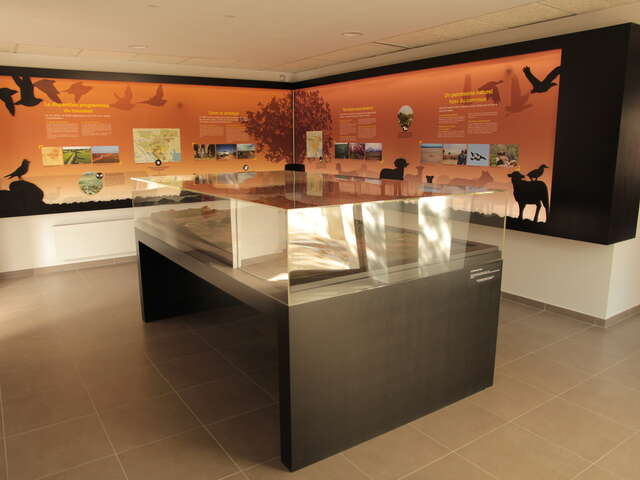
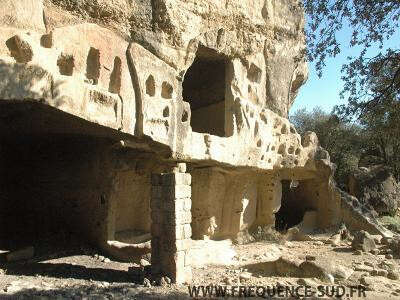
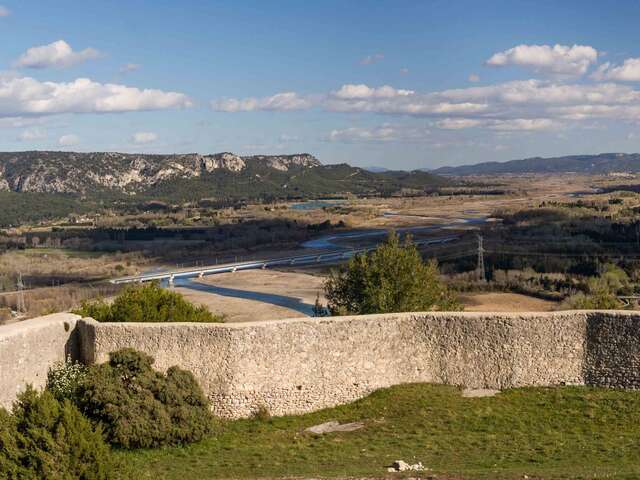
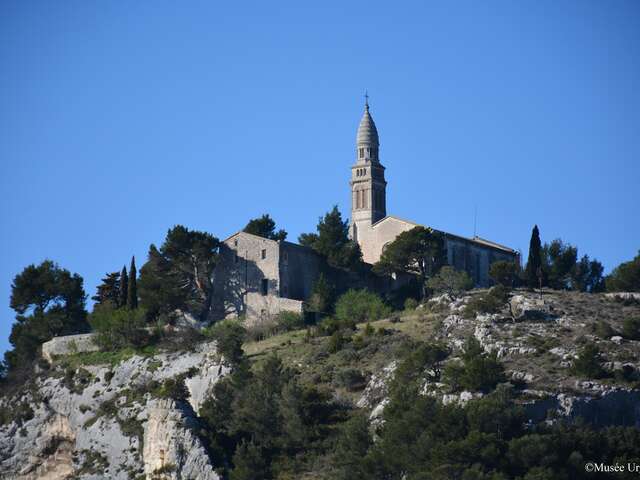
Where the Camargue and Alpilles Natural Regional Parks meet, Saint-Martin-de-Crau reveals unique landscapes, between desert steppes and lush green prairies. In a former hay barn in the town, the Ecomusée de la Crau recreates the features of the plain which has given birth to a multitude of legends. Walk to the alleyways of the « Le Jardin de Gaston » Arboretum. Now it’s time to see the characterful villages of the Alpilles Natural Regional Park. From the centre of Lamanon, a short hike (25 minutes) will take you to a place filled with mystery: the caves of Calès, once the troglodyte habitat of a village community. In Sénas, you can hire bikes to appreciate the lush green Perrier Redon itinerary (2 hours and 13 km). Last stage: the hillside village of Orgon. On the Sentier de la Pierre (an easy 1 hour and 3.5 km loop from the Musée Orgonia), you will be able to pierce the secrets of its geoheritage. And then you can climb up to the Chapelle Notre-Dame de Beauregard. Its name is not a coincidence: the view of the village and the Durance valley shows all the magical beauty of the Alpilles.
Alternative route : After having visited Saint-Martin-de-Crau, you can also go to Tarascon, at the entrance to the Alpilles Natural Regional Park. Our favourites: a visit to the Château and the Couvent des Cordeliers.
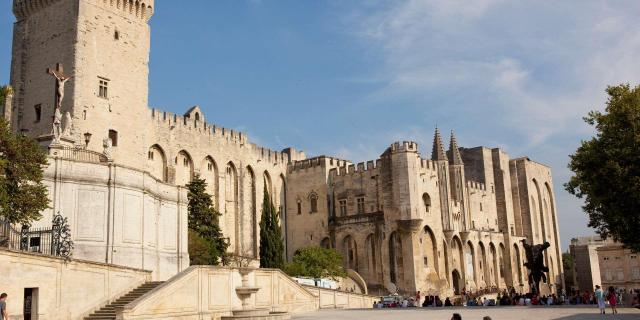
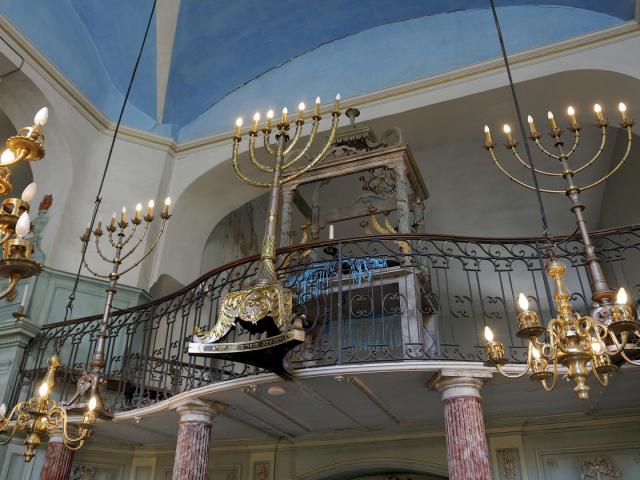
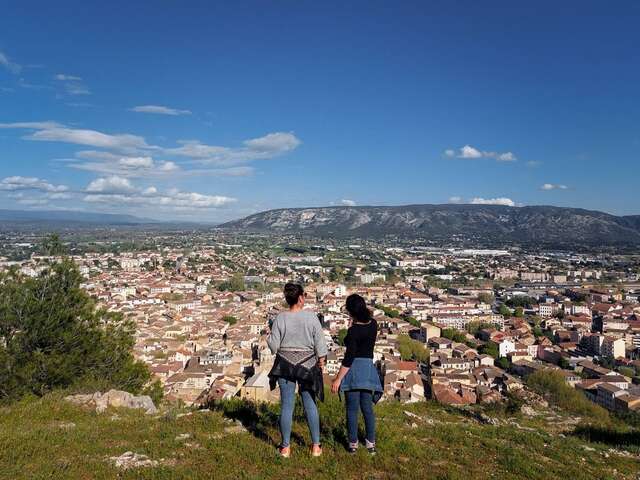
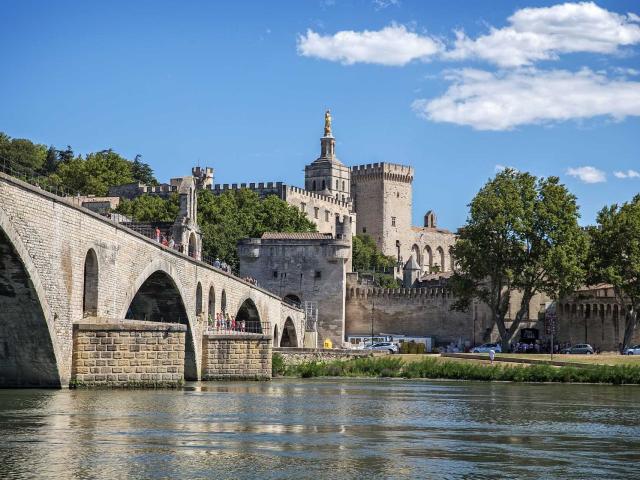
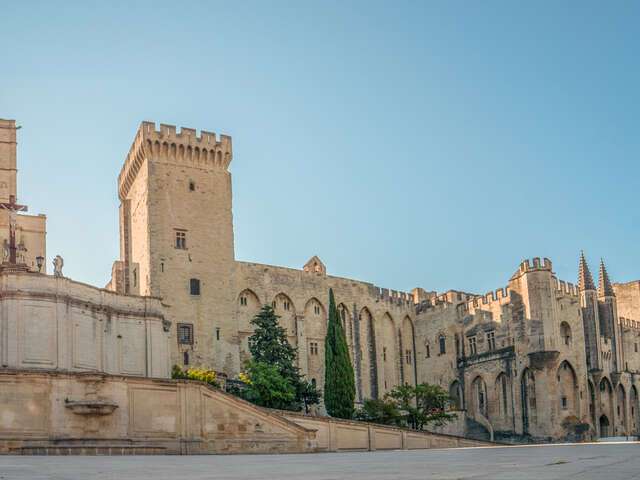
Famous for its delicious melon and rich Jewish heritage, Cavaillon is an easy way into the Luberon Natural Regional Park. From olive groves, vines and geological gems, its protected landscapes blend into the soul of Provence. From the Tourist office, the hike along the Roman road on the Colline Saint-Jacques (6.15 km, 2 hours and 15 minutes, invites you to an escapade in a haven of vegetation with, at the end of the trail, a panoramic view of the Cavaillon plain and the Luberon massif. After this very natural foray into the Camargue, Alpilles and Luberon Natural Regional Parks, head for Avignon on a gentle return to the town through the great door of History. A capital of Christianity during the 14th century, the town has an exceptional historic heritage, including the unavoidable Palais des Papes, listed in the UNESCO World Heritage.
The Camargue, Alpilles and Luberon Natural Regional Parks can all be reached by train. When you choose to travel by train, you are doing something for the planet, you avoid traffic jams and enjoy the landscapes in peace! Two good deals:
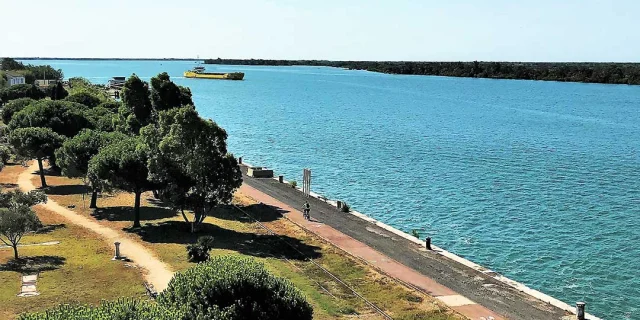
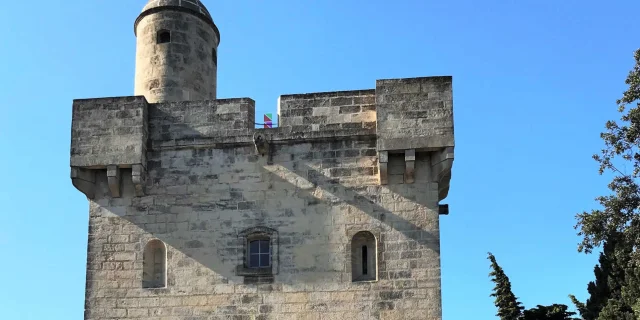 Tour Saint Louis Port Saint Louis Du Rhone Asimon
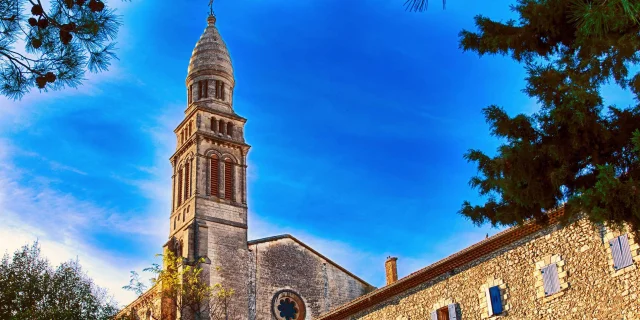 Notre Dame De Beauregard Alpilles Tama66
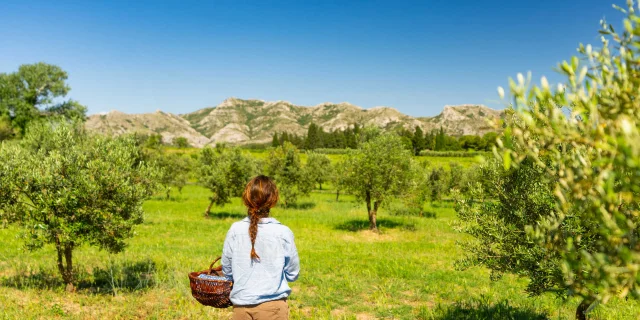 Moulin De Castelas Alpilles Cluparini