Visited places :
Avignon and Orange
Arles
Château-Arnoux-Saint-Auban
Briançon and Mont-Dauphin
Marseille
Grasse
Nice
Arles
Château-Arnoux-Saint-Auban
Briançon and Mont-Dauphin
Marseille
Grasse
Nice
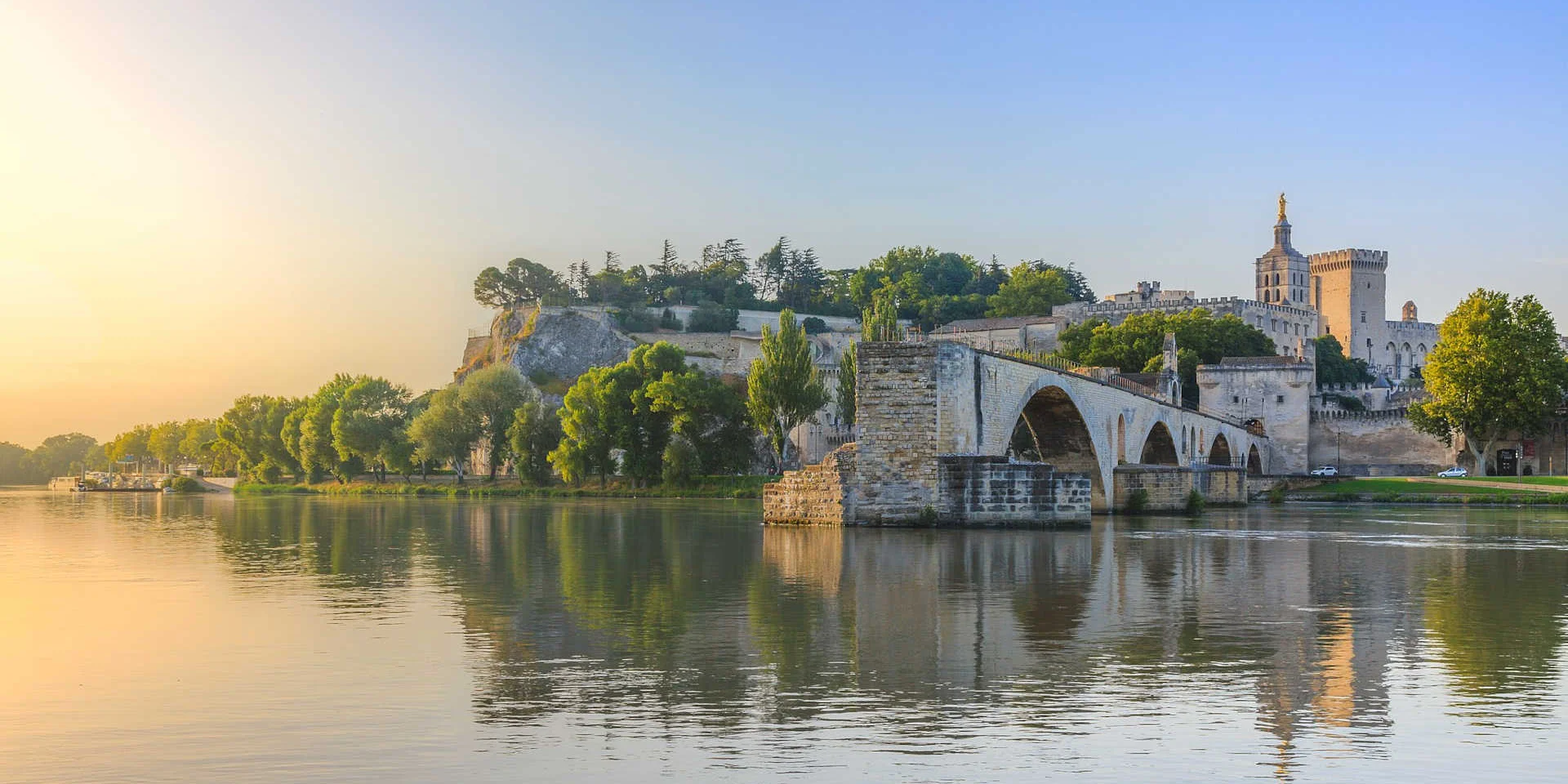 Pont Saint Benezet in Avignon in the Vaucluse
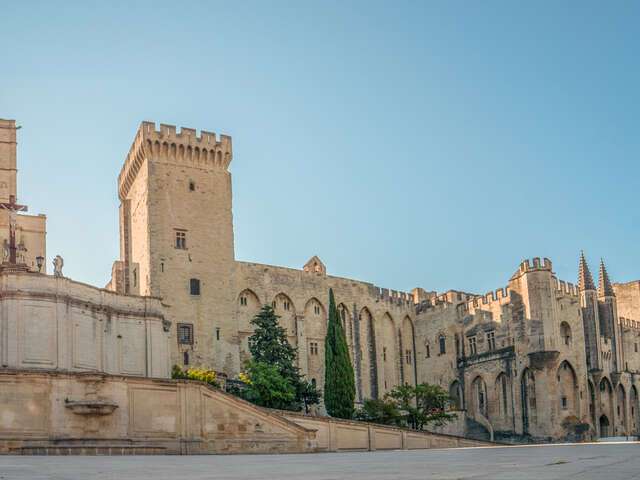
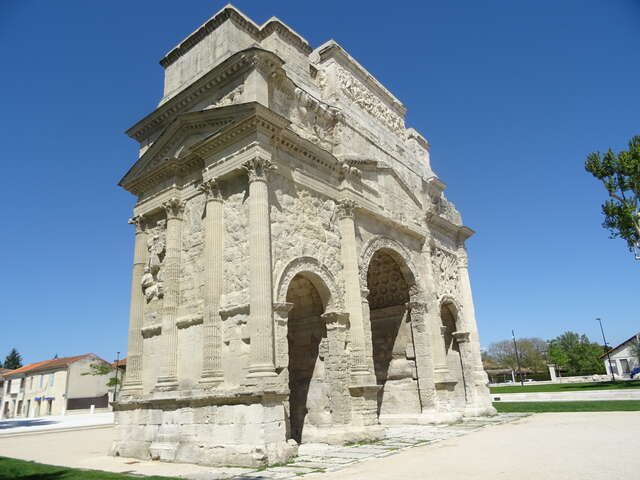
Avignon, an emblematic town in the Vaucluse is closely linked to the history of papacy and particularly its historic centre inscrit à l’UNESCO, offers a fascinating trip back in time. Wander onto the famous Pont Saint-Bénézet bridge, which is better known as the « pont d’Avignon”, and be impressed by the episcopal buildings which are the true religious heart of the town.The clou du spectacle is the Palais des Papes, an imposing Gothic fortress which was the seat of papacy in the 14th century. From Avignon, you can easily get to Orange where you have another appointment with History, but this time it’s the Roman heritage. The Théâtre Antique, one of the best preserved ancient theatres in the world, is impressive by it size and its unique stage wall. Just beside it, the Arc de Triomphe, the triumphant arch erected in the 1st century, will complete your immersion in Roman splendour. The first sites in the region to be listed in the UNESCO World Heritage in 1981, these two monuments bear witness to ancient architectural genius and a history which continues to forge the identity of the Vaucluse.
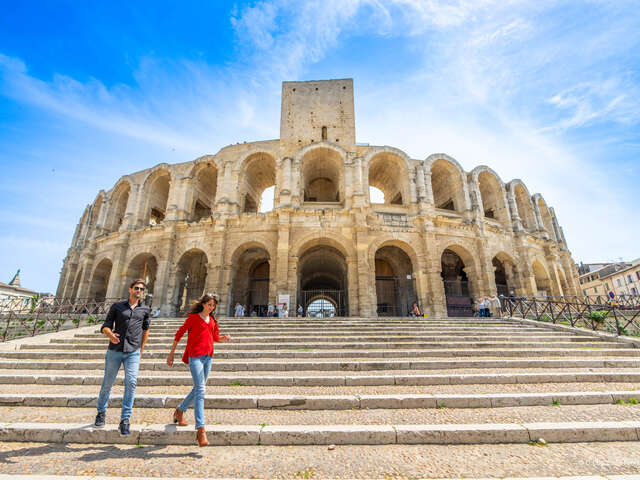
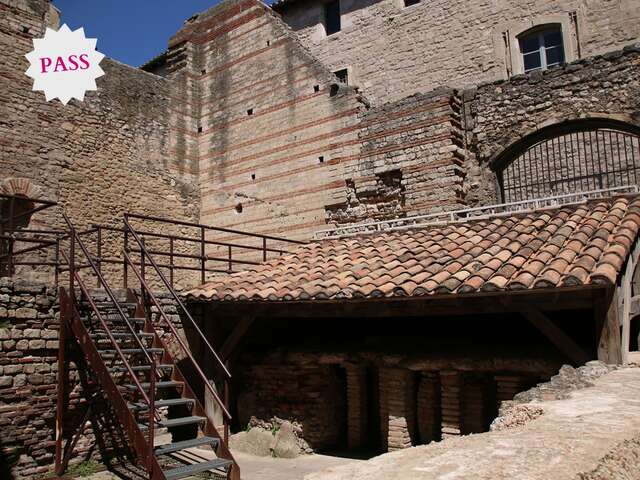
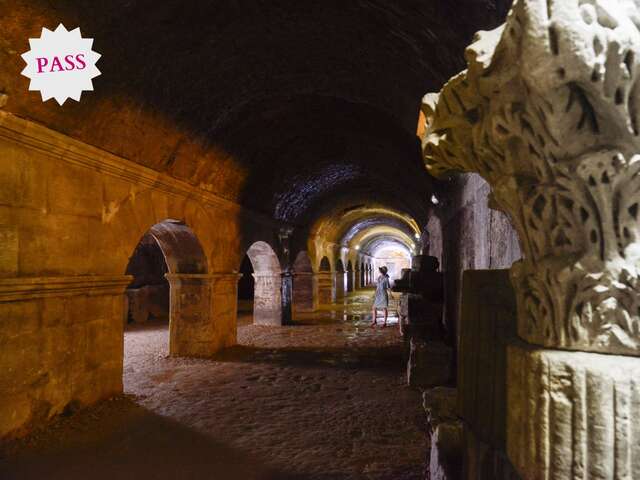
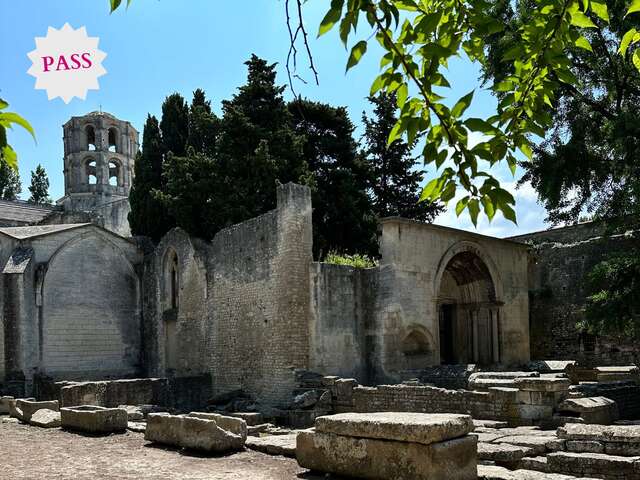
Rome’s trace goes through the centuries… and the departments! After Orange, discover the architectural treasures of Arles, which is home to a group of monuments listed in the UNESCO World Heritage. In all, the town has eleven buildings which date back to Roman times, and also the Middle Ages and Romanesque architecture. Among those not to be missed, there is of course the Roman amphitheatre and the théâtre antique, which regularly host shows. The Romans were also repsonsible for the Thermes de Constantin spa establishment, the cryptoporticus (souterrains) of the old forum and the ramparts which surround the town and which were built at a time when the town was called Arelate. In the Middle Ages, other remarkable buildings saw the day, such as the Saint-Trophime church and cloister, which make up a masterpiece of Romanesque and Provencal architecture. Slightly on the edge of the town centre you can also see the Alyscamps necropolis, painted by Van Gogh and Gauguin, which bears witness to the encounter between Roman and medieval times. This is where you will find l’église Saint-Honorat, a starting point on the Chemin d’Arles towards Saint James of Compostella.
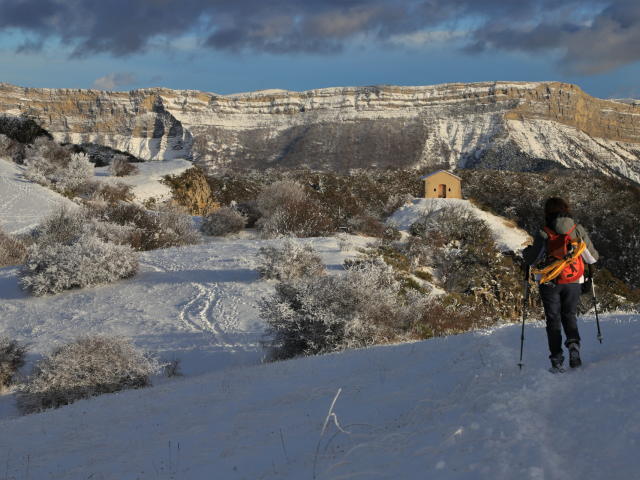
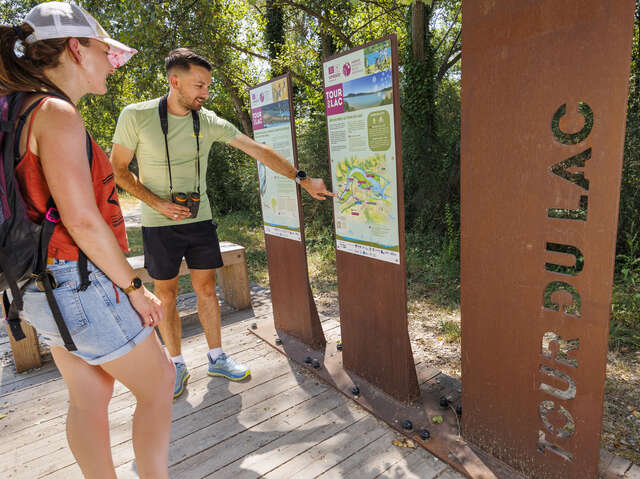
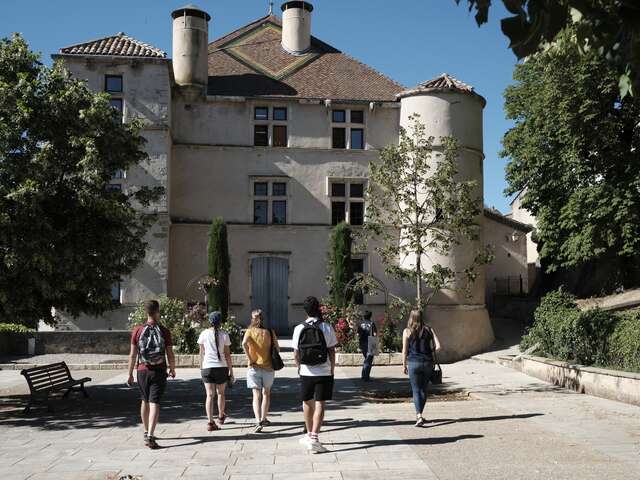
Between hills and rivers, Château-Arnoux-Saint-Auban is one of the gateways to the Haute-Provence World Geopark, listed in the UNESCO World Heritage. Here the earth tells a noque geological story, which dates back millions of years. If you leave the middle of the village on foot or by bike, explore the area surrounding the Escale Lake along its interpretation trail, a walk for all to better understand how the surrounding landscape was formed, entre plis, failles et fossiles. Keep your eyes peeled: over 180 species of birds live together here! The biodiversity is both rich and fragile and each season offers a different reading of this natural setting. The silence of the place, ponctué by birdsong, is good for contemplation. The architectural heritage joins the natural heritage: on the edge of the village, the château of Château-Arnoux, which dates back to the 16th century, rises up proudly with its rounded turrets and its airs of a Renaissance fortress. Use the time to visit the spiral staircase which is a listed Historical Monument and take a walk around the grounds which surround he castle.
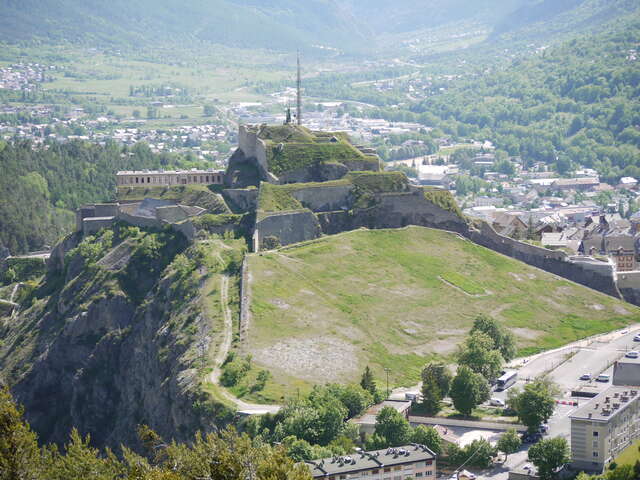
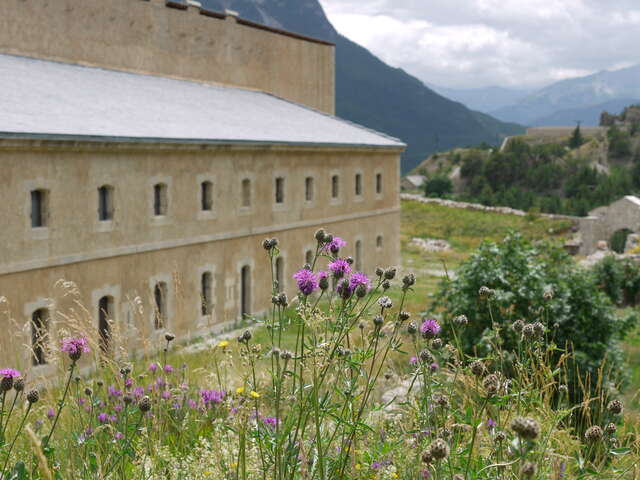
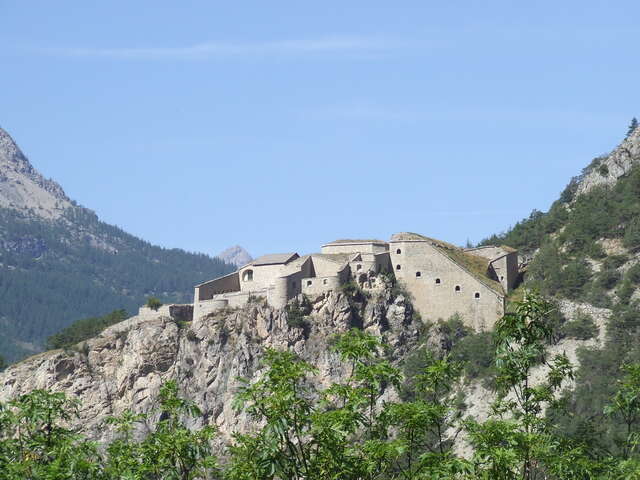
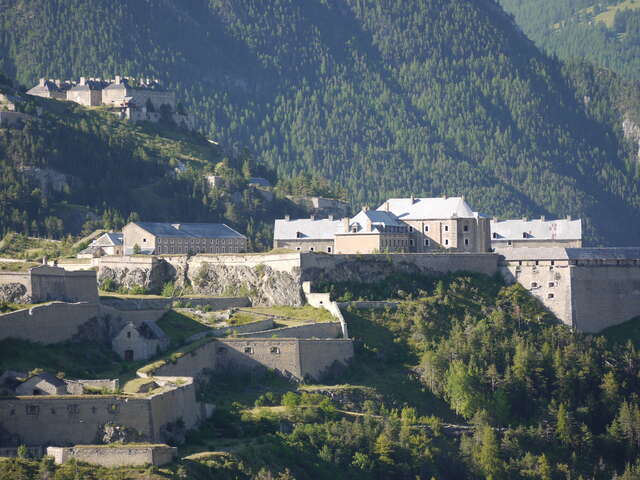
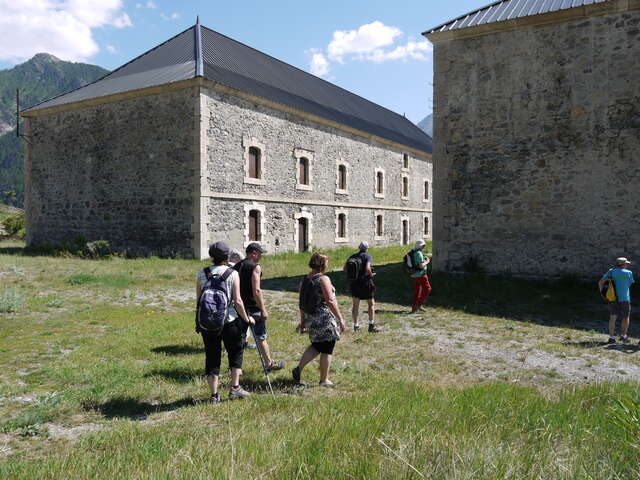
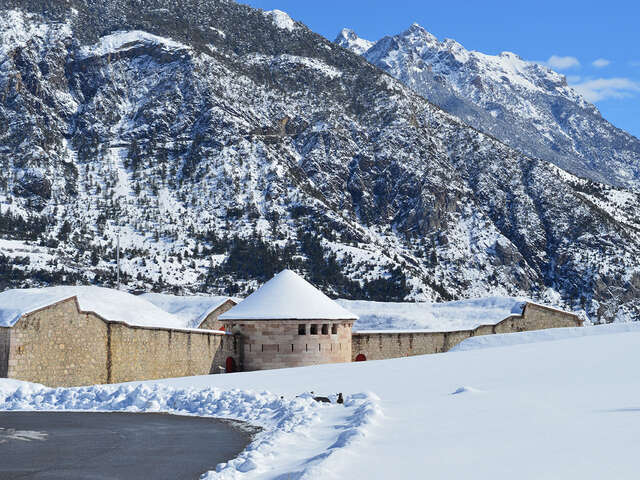
Perched at 1,326 metres, Briançon is the highest town in France and is home to a real masterpiece of military architecture: the Cité Vauban. From its rocky spur, the Fort du Château looks down over the high town with its impressive 3-kilometre-long urban boundary wall. To reinforce the protection of the place, 4 forts were built outside the town, on the left bank of the Durance River: Fort des Salettes, Fort des Trois-Têtes, Fort du Randouillet and Fort Dauphin. Two ingneious sructures are dedicated to the communication between the forts: the Asfeld bridge, which ensured the link between the upper town and the forts, and the Y communication, a long unusual looking covered passageway which lins the Trois Têtes and the Randouillet fort. When you leave Briançon, stop off in Mont-Dauphin and see the stronghold designed also by the genius Vauban. Looking over the confluence of the Guil and Durance Rivers, the fortified village was built from the end of the 17th century, by request from Louis XIV who wished ot strenghten the realm’s defense on this Alpine border, and was developed up until the 19th century. With the muntains of the Queyras and the Écrins as its setting, the little village of Mont-Dauphin has something awe-inspiring about it.
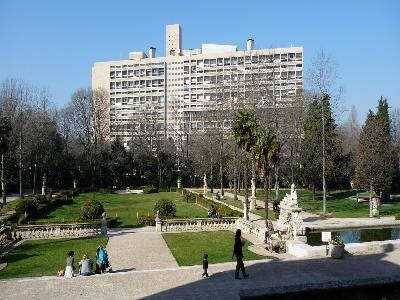
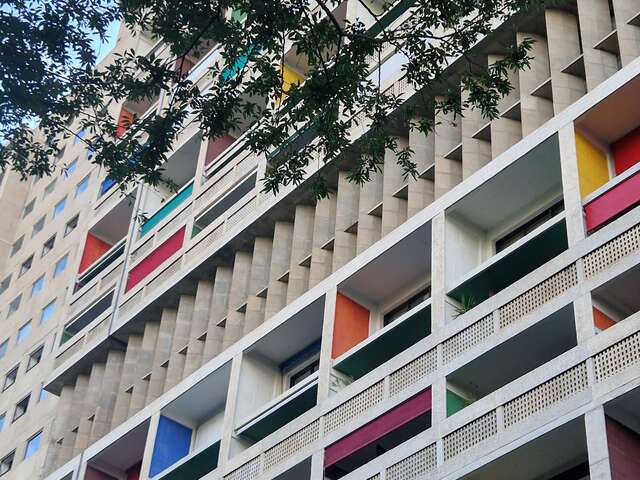
In Marseille, in the Prado quarter you can see a unique architectural work: la Cité Radieuse. Designed by Le Corbusier between 1947 and 1952, is nw one of the 17 sites of the master of modern urban planning listed in the UNESCO World Heritage. Thought up as a vertical village and nicknamed “la maison du fada” (the madman’s house’ the Cité Radieuse has 337 appartements, a school, shops, a bookshop, a hotel and even its own streets “streets”, which re actually the corridors. Everything was designed to favour social links and the well-being of the inhabitants. The interior, which can be accessed in a guided tour, reveals the ingeniousness of the amenitites and the modularity of the areas, and the terrace roof offers a wide view of Marseille and the sea. The builing is on massive pads and embodies fully the brutalist movement with its crude materials, such as concrete. For thos of you who are keen on architecture, don’t miss it!
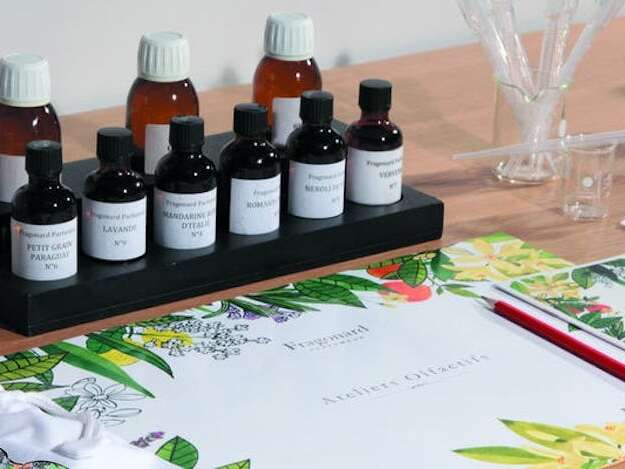
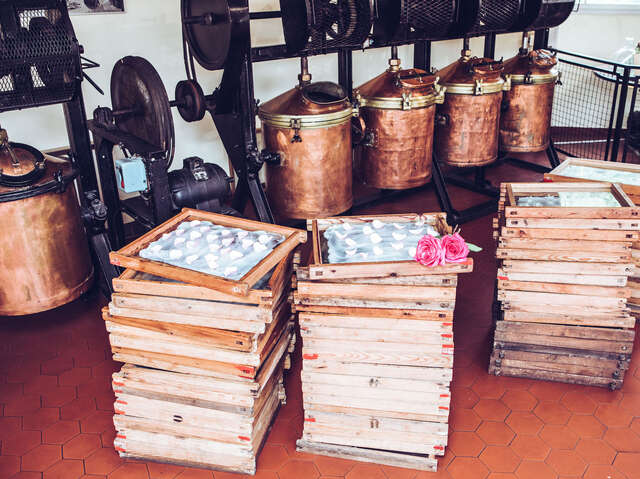
On the heights of the Côte d’Azur, is the world perfume capital: Grasse. It was listed on the UNESCO intangible cultural heritage thanks ot an exceptional local savoir-faire, transmitted since the 16th century. This living heritage is based on three pillars: the cultivation of perfume plants, the knowledge and transformation of the raw materials, and the subtle art of composition. When you visit Grasse, you enter behind the scenes of a refined art perpetrated by the great perfume houses such as Fragonard, Galimard and Molinard, who are delighted to open their doors to curious visitors. You can see alll the stages of manufacture, from field to bottle, and the perfumer’s palette. And if you want to go a bit further in this sensory experience, you can even create your own fragrance by taking partin the workshops proposed the town’s perfumers. Rose, lavender, jasmine… let the smells of the gentle essences of the flowers of the Pays de Grasse bewithc you and leave with your own unique creation!
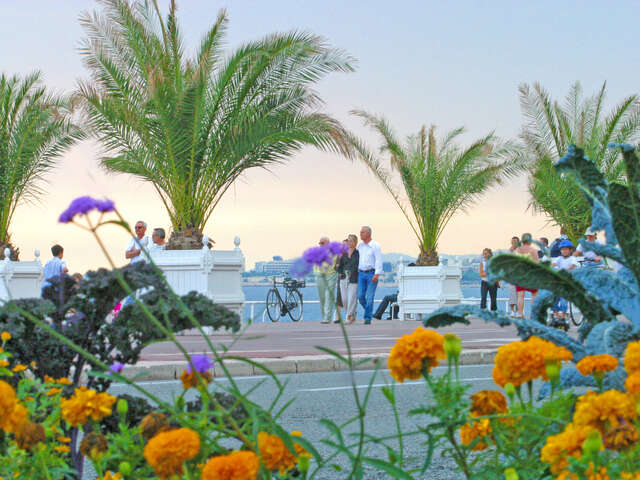
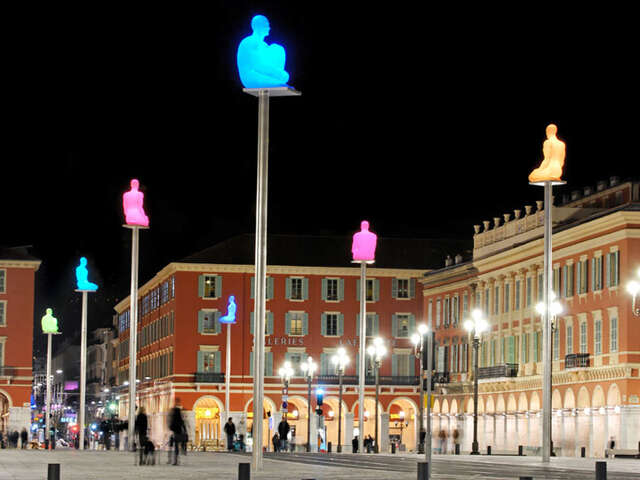
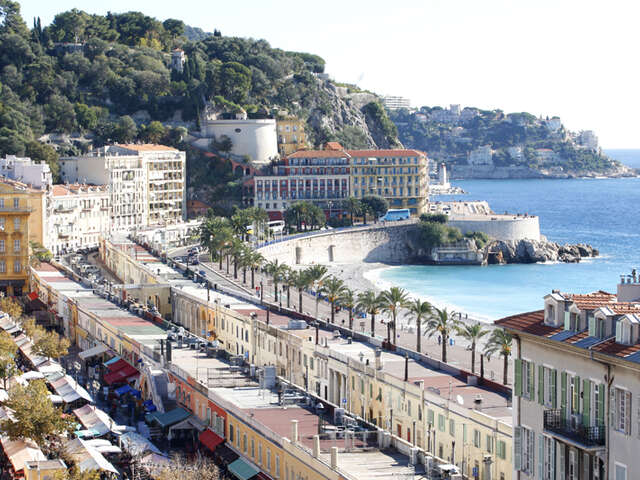
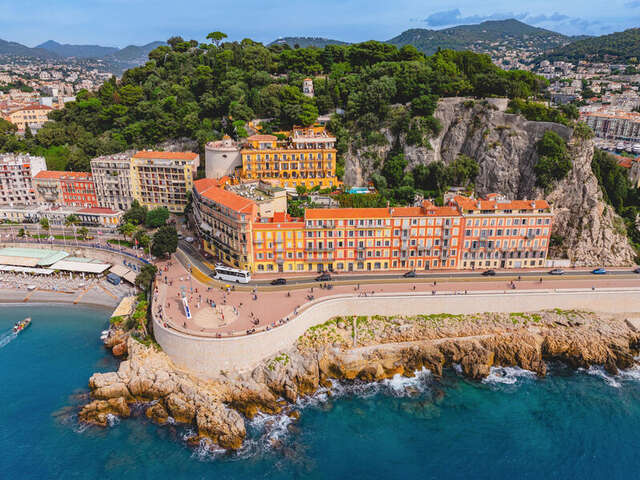
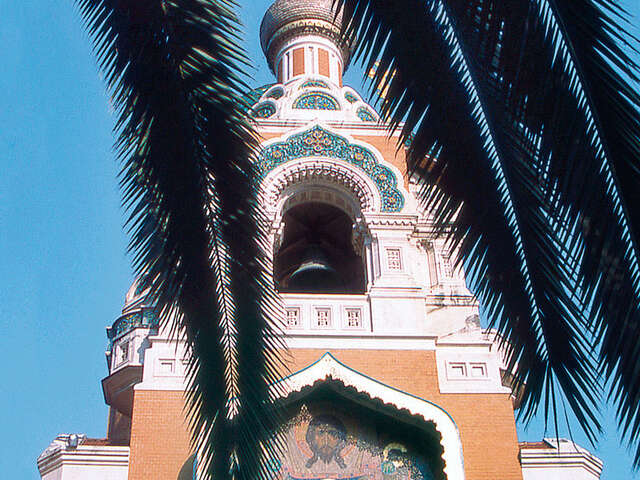
With its Mediterranean climate and unique light, Nice was one of the cradles of wintering in Europe. As a forerunner, it was lited in the UNESCO World Heritage. From the 19th century, European aristocracy établit its winter quarters there, attracted by the warmth of the coast. The town still bears the precious traces of this golden era. The Promenade des Anglais, lined with palm trees and prestigious hotels is still the emblematic streer in this wintering town. But the listed perimeter gos much further: Place Masséna,the terrassesdes Ponchettes,the Libération quarter, the colline du Château and the Saint-Nicolas Russian orthodox cathedral make up a rich and varied tiinerary. Nice has kep this cospopolitan elegance and become a livelyn creative and open town. At every corner, a garden an Art déco facade or a view of the sea remind us of ths prestigious heritage.
And what about using soft mobility? The UNESCO sites of the Sud are easy to reach by train. If you choose this mode of transport, you’ll be doing something for the planet, you’ll avoid traffic jams and be able to make the most of the landscape peacefully! Two good deals have been pensées to make your travelling easier:
The Pass Régional ZOU!: €100 for 7 days or €60 for 3 days – the network serves all the stations on the stages of the circuit.
The Carte ZOU! Malin: €20/ year for a 30% reduction on your trips by TER or ZOU bus!
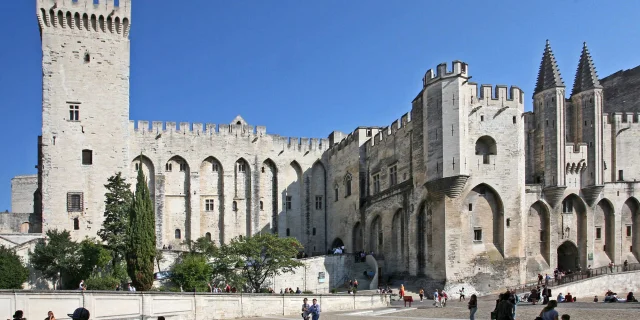 Palace of the Popes in Avignon in the Vaucluse department
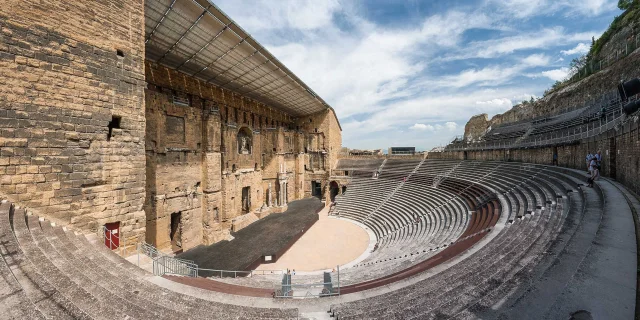 Ancient Theatre of Orange in the Vaucluse department
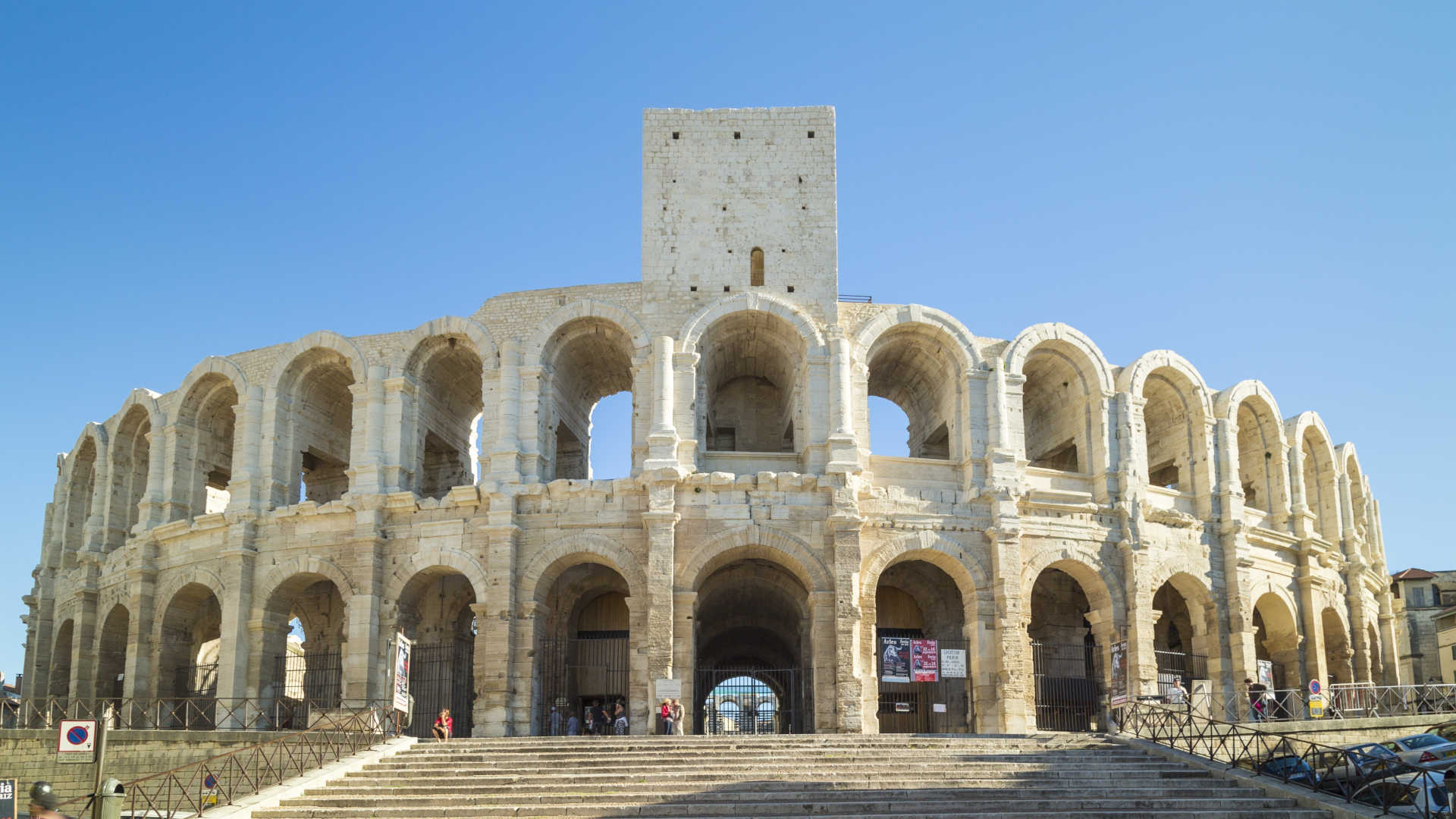 Arles amphitheatre in the Bouches-du-Rhône
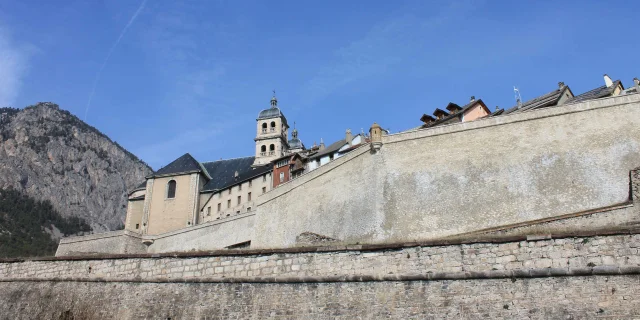 Vauban fortifications in Briançon in the Hautes-Alpes
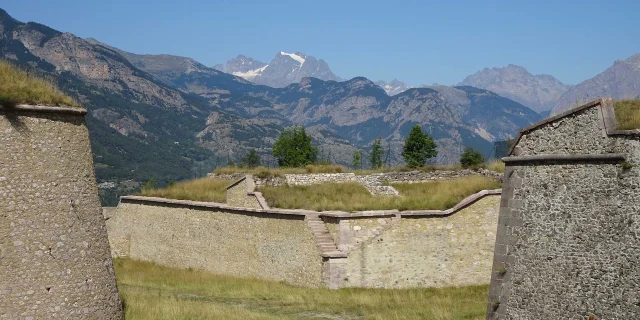 Vauban fortifications in Mont-Dauphin in the Hautes-Alpes
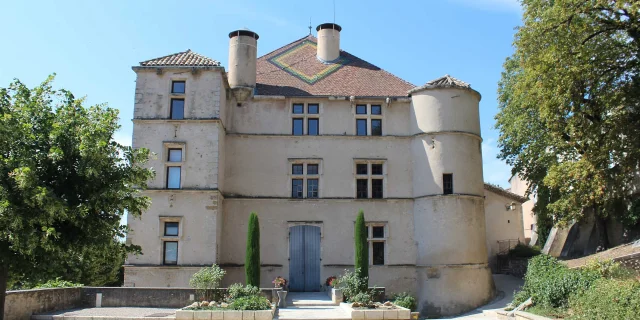 Château-Arnoux-Saint-Auban in the Alpes-de-Haute-Provence department
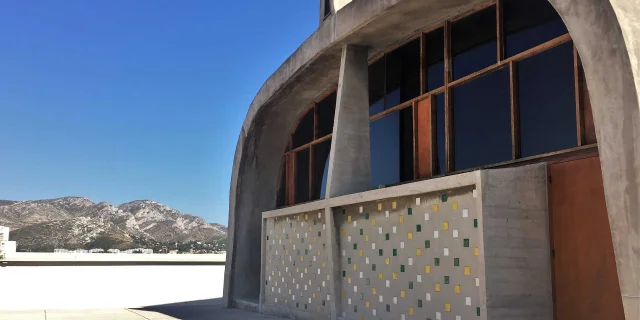 Cité Radieuse in Marseille in the Bouches-du-Rhône
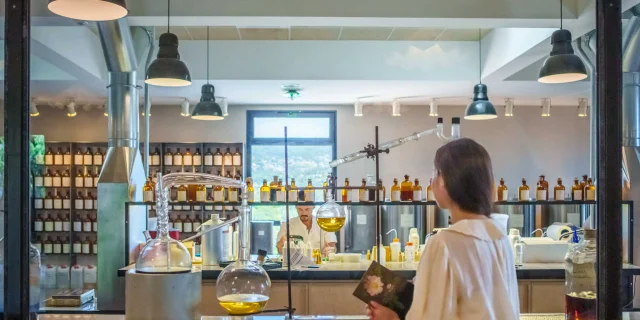 Fragonard factory museum in Grasse in the Alpes-Maritimes
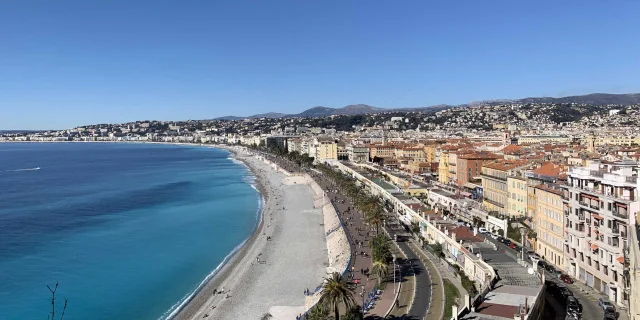 Promenade des Anglais in Nice in the Alpes-Maritimes
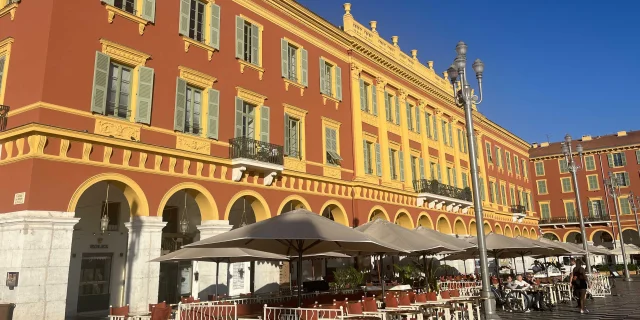 Place Masséna in Nice in the Alpes-Maritimes