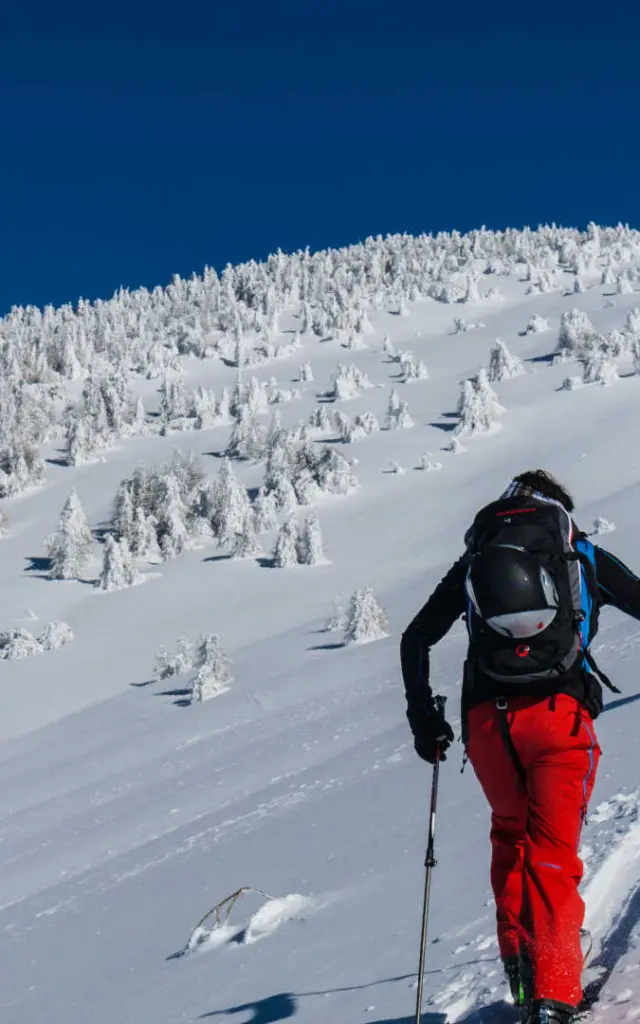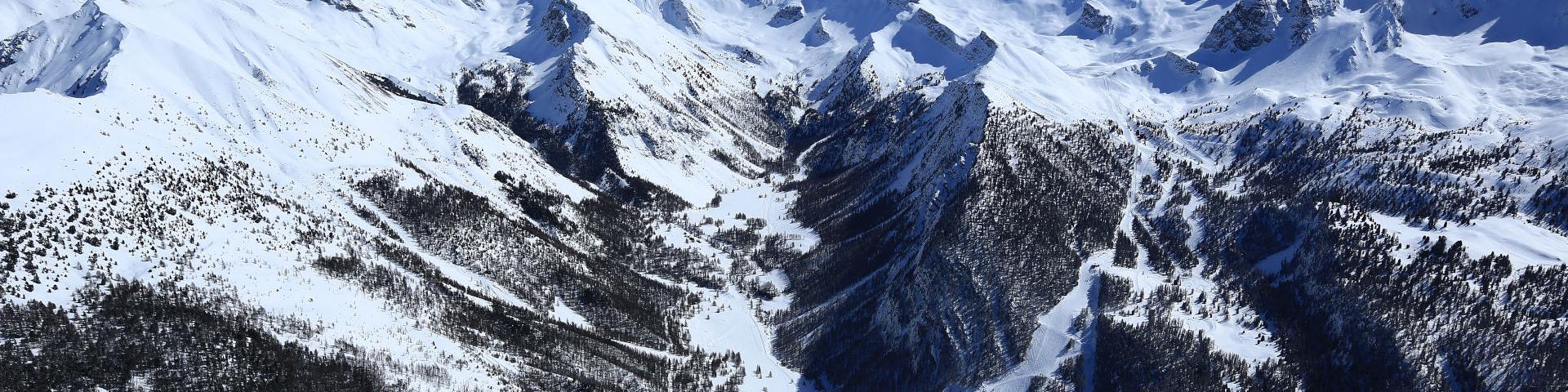
Le Parc naturel régional du Queyras dans les Hautes-Alpes, vue sur le Col Girardin
©

C.Moirenc

The Guillestrois Queyras

The Guillestrois-Queyras is undoubtedly the ultimate ‘back-to-nature’ destination and the perfect place to unwind! A land of contrasts and diversity, the Guillestrois welcomes you to the very heart of the Hautes-Alpes. Easily accessible via the Durance Valley, this mountain destination provides a gateway to the Briançonnais, the Queyras and the Écrins massif. With 300 days of sunshine a year, authentic villages, a citadel listed as a UNESCO World Heritage Site and its proximity to ski resorts renowned for their snow cover, the Guillestrois appeals to families seeking freedom and a warm, friendly atmosphere.

Guillestre

Your base camp

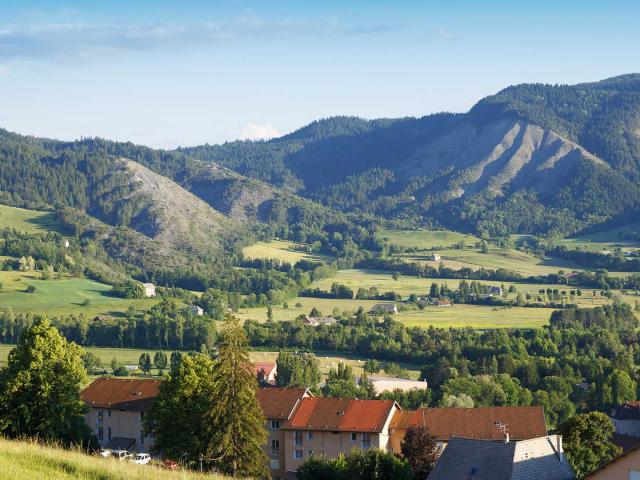
Guillestre, the main town after which this region is named, lies at the crossroads of several transport routes. From the village, you can easily head deep into the Queyras via the Route des Gorges du Guil, or reach the resorts of Vars and Risoul, which make up the Forêt Blanche ski area.

Take the time to stroll through the historic centre of this mountain village, nestled at an altitude of 1,000 metres: the colourful façades of the old houses in this former fortified town, and the Church of Notre-Dame d’Aquilon, promise some lovely surprises. You’ll find several local shops, restaurants, a petrol station and a supermarket in the village. A market is held every Monday, where you can meet local producers.

The hot springs at Plan de Phazy, located in the neighbouring commune of Risoul, are right on Guillestre’s doorstep.

Find out more: Guillestre
Mont-Dauphin

The impregnable citadel

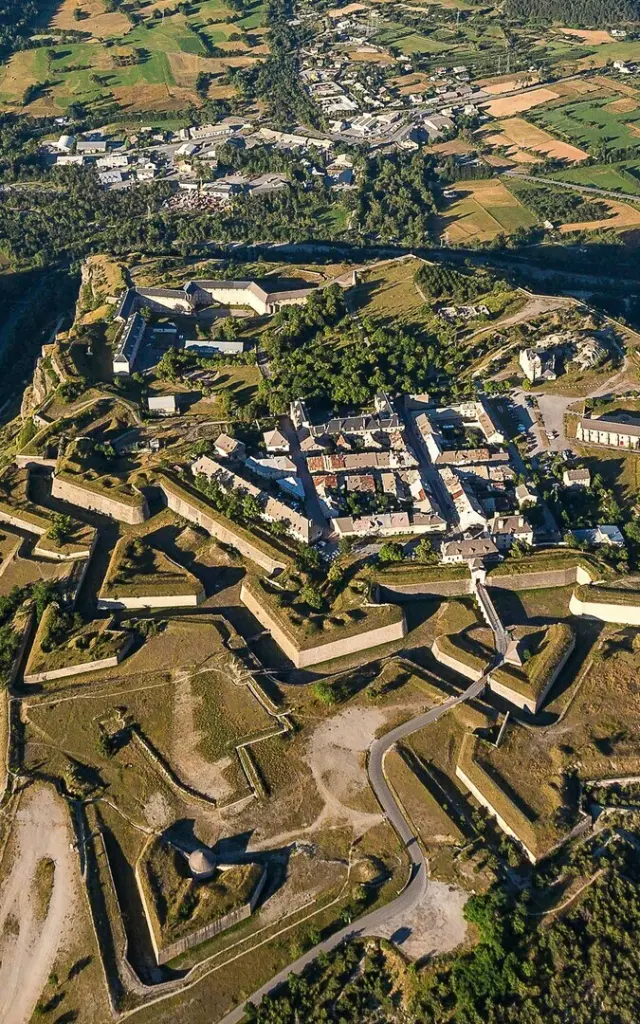
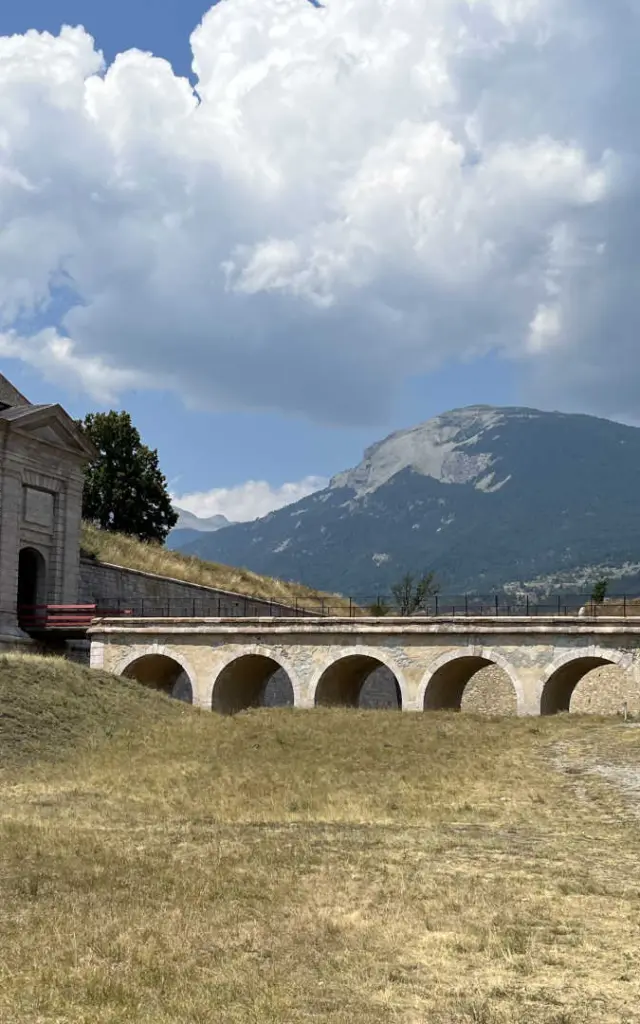
Designed by Vauban, the fortress of Mont-Dauphin stands on a rocky outcrop overlooking the River Durance. It once protected a vital transport route and guarded the borders of the Kingdom of France. The impressive fortifications are now a UNESCO World Heritage Site and attract visitors from all over the world.

The soldiers have long since left the fortress walls behind, and the houses are now home to artists and craftspeople. There is an atmosphere of la dolce vita here. Follow the thick walls, take in the ramparts and redoubts, then stroll through the grid-patterned streets of Mont-Dauphin.

The citadel: The stronghold of Mont-Dauphin

The village: Mont-Dauphin

Eygliers

Between the village and the hamlets

A handful of houses cluster around the church dedicated to Saint Anthony. But it would be a mistake to think of Eygliers as just the village itself, as the municipality covers a large area and comprises numerous hamlets and localities. To the west, on the banks of the Durance, the lake and the leisure centre are popular with families.

Several hamlets, with ancient origins, wind their way up the mountains towards the Queyras: La Font d’Eygliers, Gros, Saint-Guillaume… With their stone houses and Romanesque chapels, each hamlet promises wonderful discoveries. There is a particular legend associated with the Saint Guillaume Chapel: a shepherd from the hamlet of Gros, who had lost his right hand, is said to have been given a new one by God to convince the monks at a neighbouring monastery.

Find out more: Eygliers

Saint-Crépin

Viewpoint overlooking the Durance

To the north of the Guillestrois region, Saint-Crépin lies on a small hilltop just a stone’s throw from the River Durance. The village winds its way upwards like a snail’s shell and retains its medieval character.

The village is the starting point for several walking trails, which offer some wonderful discoveries such as the ‘fairy chimneys’ – astonishing columns topped with a heavy rock. You’ll also find an airfield in Saint-Crépin that’s popular with gliding enthusiasts: gliders enjoy exceptional flying conditions here.

Find out more: Saint-Crépin

Réotier

Nature as an artist

On the western bank of the Durance, Réotier stretches across a vast area, rising to its highest point at the Tête de Vautisse (3,156 metres). In days gone by, a Roman road crossed the Guillestrois region here. The medieval castle has disappeared, save for a few remains, but the church still stands, its bell tower having towered over the Southern Alps for several centuries.

Each hamlet harbours real treasures, such as the Notre-Dame-des-Neiges chapel or the inscribed stones in the hamlet of Les Casses. A must-see tourist attraction in Réotier, the ‘petrifying fountain’ showcases nature’s architectural prowess.

Find out more: Réotier

Saint-Clément-sur-Durance

Right by the water’s edge

The 13th-century square watchtower, known as the Lombard Tower, no longer defends any kingdom against invasion. Nevertheless, it continues to watch over Saint-Clément-sur-Durance.

Situated in the south of the Guillestrois region, the village is home to a white-water sports centre where visitors can try their hand at rafting, kayaking, canyoning and other water sports on the River Durance. Prefer dry land? Fans of walking, cycling or mountain biking will find plenty of options, with routes to suit all levels.

Find out more: Saint-Clément-sur-Durance

Discover the Guillestrois region throughout the year

Winter sports and snow

In winter, the Guillestrois region attracts lovers of snow and the great outdoors. This area, which rises to over 3,000 metres at its highest point, is a paradise for fans of ski touring, snowshoeing and dog sledding.

From the Queyras to the Embrunais, ski resorts are scattered throughout the Guillestrois region. In just a few minutes, you can reach the slopes of the Vars and Risoul ski resorts, or head up the Gorges du Guil to the village resorts of the Queyras. Heading south, you’ll come across the resorts of Réallon and Les Orres. Looking for a unique skiing experience? Head north, towards Serre-Chevalier!

Nature and hiking in summer

The Guillestrois region attracts hiking enthusiasts as soon as the warmer weather returns. You can follow easy trails, or set off on more challenging routes with steep gradients or an overnight stay in a mountain refuge.

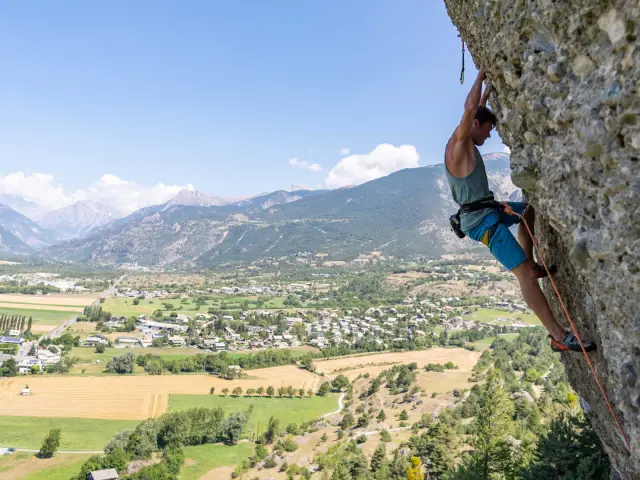
Fancy a real adrenaline rush? This mountainous region is also ideal for mountain biking. Several via ferrata routes have been set up near Guillestre and the neighbouring villages: in Château-Queyras, Ceillac, Les Orres, Les Vigneux and Freissinières, you’ll be spoilt for choice!

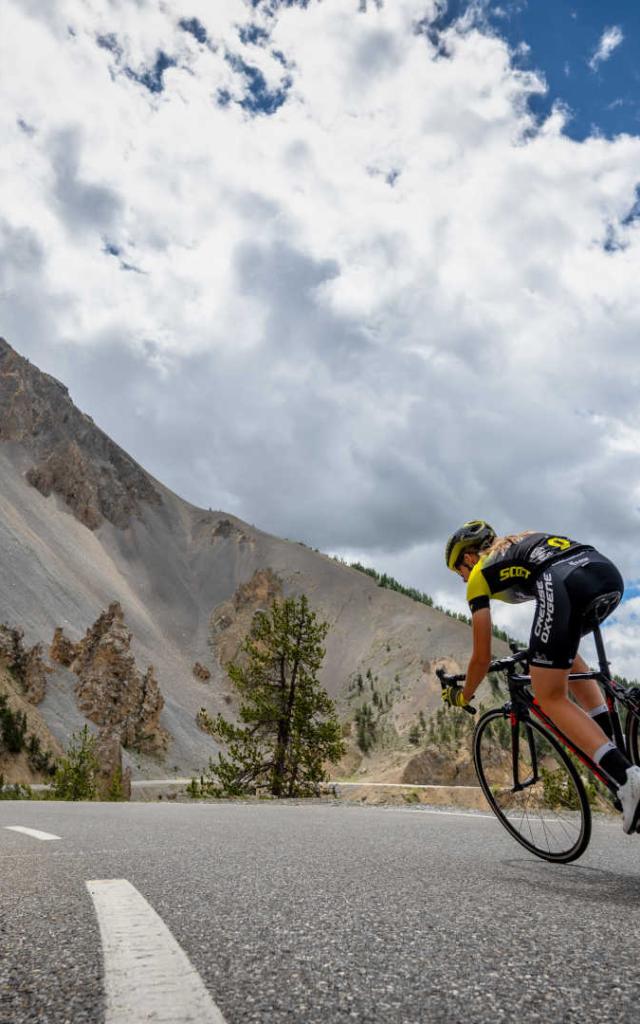
The most experienced cyclists cross the Guillestrois region to tackle the legendary mountain passes of the Southern Alps, such as the Col de l’Izoard, the Col Agnel or the Col de Vars.

White-water sports are very popular in the region. In particular, you can go rafting down the Durance or the Guil, or try your hand at canyoning. Lake Serre-Ponçon, to the south of the Guillestrois, is perfect for swimming and offers a wide range of water sports.

Other sports are also available, such as horse riding and paragliding: make the most of your experiences!

Practical information

You can easily reach the Guillestrois region:

  • By road: the RN94 between Gap and Briançon;
  • By train: Mont-Dauphin – Guillestre station;
  • By coach: Mont-Dauphin – Guillestre coach station.

Would you like to plan your stay? You can contact the tourist information offices of the Queyras-Guillestrois Tourist Board:

  • Saint-Clément-sur-Durance: 109 Rte du Pli Couché, 05600 Saint-Clément-sur-Durance
  • Guillestre: Place Salva, 05600 Guillestre
  • Telephone: +33 (0)4 92 24 77 61
  • Website: https://lequeyras.com/