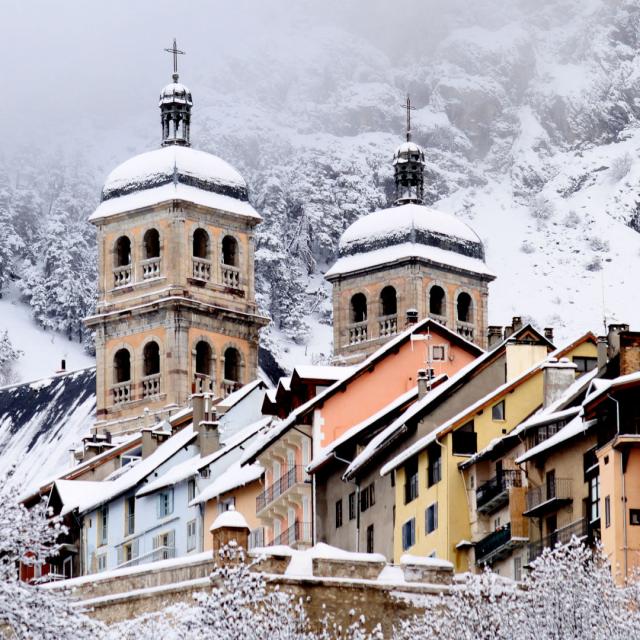
Enclosure wall of the Vauban fortifications in BriançonVauban fortifications in Briançon in the Hautes-Alpes
©Vauban fortifications in Briançon in the Hautes-Alpes |Marchand.C

Top 10 record breakers in Provence-Alpes-Côte d'Azur

From the highest hilltop village to the deepest canyon, Provence-Alpes- Côte d’Azur holds an impressive number of records, testifying to the region’s exceptional diversity. Overflowing with preserved natural areas, remarkable sites and extreme sports hotspots, discover the Top 10 record breakers in Provence-Alpes-Côte d’Azur!

Saint-Véran

France’s highest village

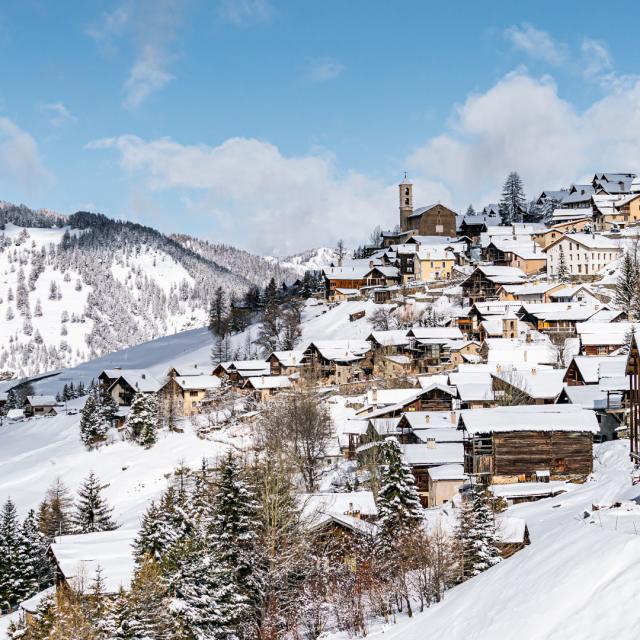
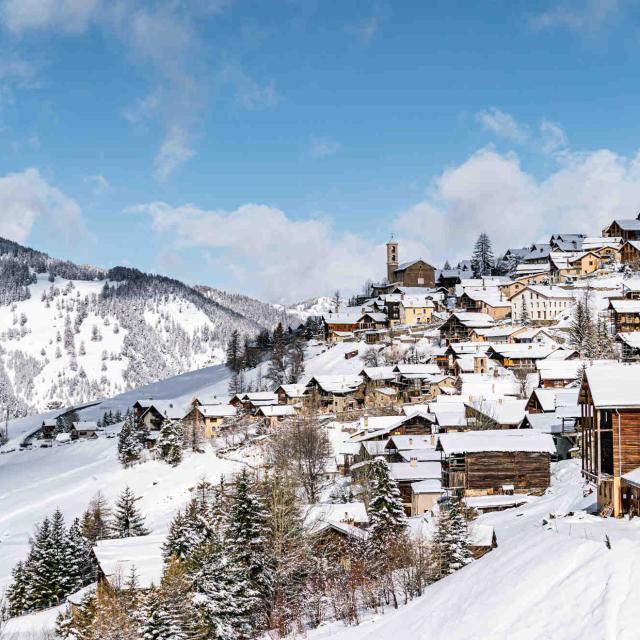
Nicknamed “The village where roosters peck the stars”, Saint-Véran is France’s highest hilltop village at a dizzy altitude of 2,042 metres. Also a proud holder of the “Plus Beaux Villages de France” (Most Beautiful French Villages) label, this typical Queyras village has maintained all of its original charm. It is home to the Eglise de Saint-Véran, a listed church built in the 17th century, as well as a plethora of traditional stone and wood architecture including iconic traditional larch wood log cabins referred to as “fustes”. As you wander around Saint-Véran, you’ll also come across fountains made from larch wood and superb old sundials dating from the 19th century. Outside the village, Mother Nature offers a sumptuous spectacle of soaring summits – the perfect playground for hikers and skiers alike. And at nightfall, the skies of Saint-Véran, renowned for their purity, invites stargazers to enjoy the show to their heart’s content, alongside the pecking roosters…
Sainte-Agnès

Europe’s highest coastal village

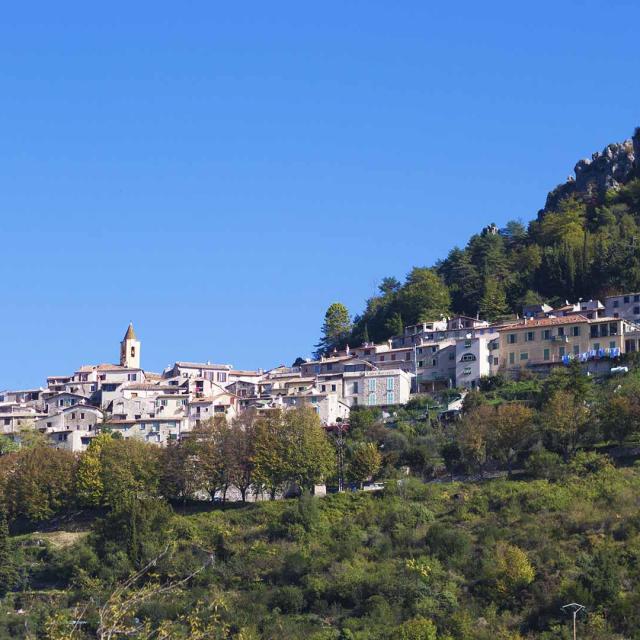
Standing guard over the Mediterranean from a height of 800 metres, Sainte-Agnès is officially Europe’s highest coastal village, offering stunning panoramic views over the Côte d’Azur. Like Saint-Véran, Sainte-Agnès also boasts the “Plus Beaux Villages de France” label. This unique site is packed with history and legends beginning with that of Princess Agnès, who is said to have lent her name to the village after finding shelter in a nearby cave during a storm. Its narrow, cobbled medieval streets invite visitors to revel in a relaxing foray leading up to the ruins of the feudal castle and lovingly-restored medieval garden. Lower down, the Maginot Line fort offers a reminder of the site’s strategic 20th-century role. Resembling a balcony suspended between sea and sky, Sainte-Agnès’ harmonious blend of nature and heritage never fails to seduce.

Briançon

Europe’s highest town

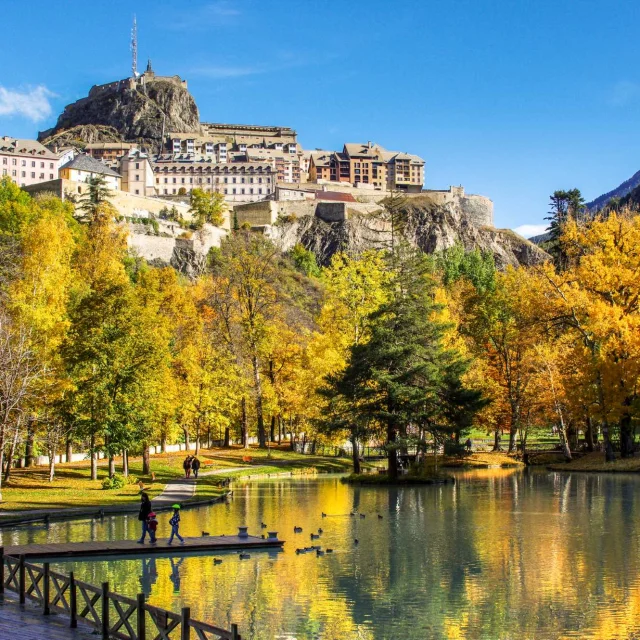
Perched at an altitude of 1,326 metres, Briançon is the highest town in France and the entire European Union. Nestled in the Hautes-Alpes area, at the heart of Durance valley, Briançon has occupied a strategic location for centuries. Louis XIV dispatched his famous military engineer Vauban to transform the town into a genuine hilltop fortress, in charge of protecting the kingdom’s borders. Today, Vauban’s impressive constructions – now part of UNESCO World Heritage – continue to dominate the skyline and pay homage to the town’s military legacy. But Briançon isn’t just about ramparts: its steep lanes, picturesque squares and typical mountain ambience make it a lively and welcoming destination. At the crossroads of the Southern Alpine valleys, it attracts hikers, skiers and curiosity-seekers alike, come to discover this one-of-a-kind town.

Chabrières ski run

The world’s fastest ski slope

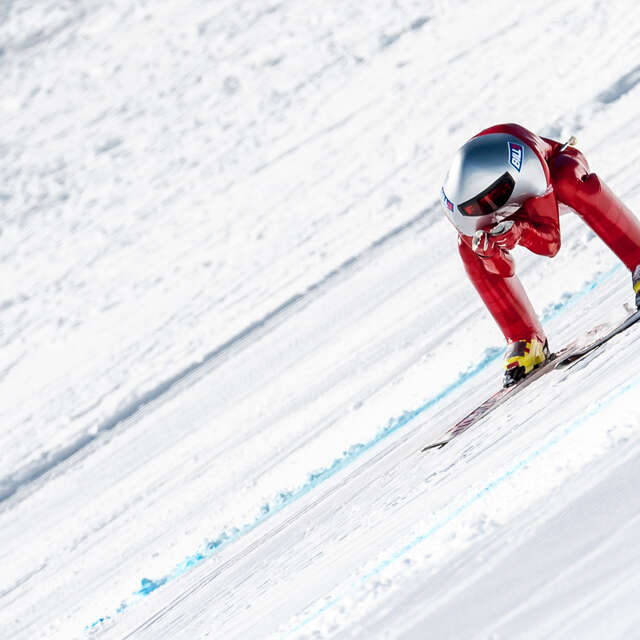
The world’s fastest downhill ski slope, the iconic Piste de Chabrières, is an absolute benchmark for lovers of pure unadulterated speed. Every year, it welcomes the Vars Speed Masters, where the world’s top speed skiers come to defy this formidable slope and attempt the seemingly impossible. Measuring 1,400 metres in length, with a 435-metre drop, this mythical piste offers a breathtaking layout and awe-inspiring technical challenges. The dizzy departure plunges down 98 %, launching skiers into a dramatic descent with no room for even the slightest error. French champion Simon Billy achieved the current speed record of 255.5 km/h here, exceeding the average speed of a Formula 1 racing car at 240 km/h. An historic performance that continues to make Chabrières a hotspot of adrenalin and sporting feats.

Pont de l’Artuby

The highest bungee jump

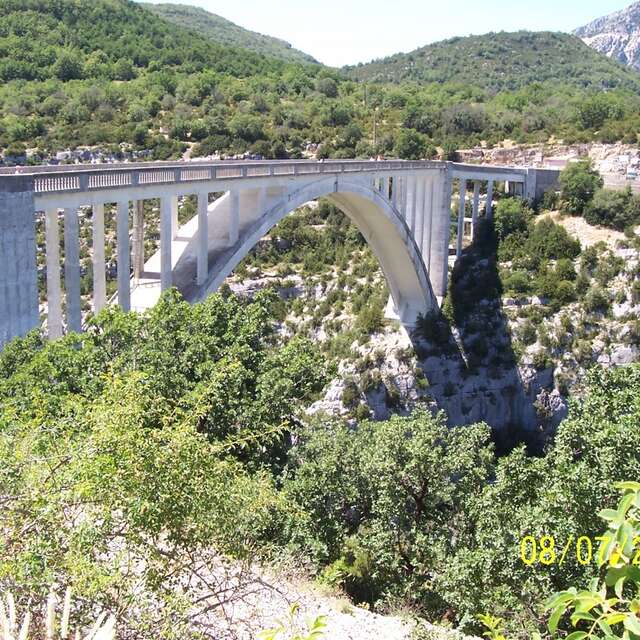
Sometimes called Pont de Chaulière, Pont de l’Artuby rises proudly over the river of the same name, which gushes into the Verdon a few kilometres downstream. Built between 1938 and 1940 to connect the two banks of the river Artuby, it is now considered one of Europe’s highest bridges. Its impressive architecture consists of a single, majestic arch measuring 142 metres in length and curving 182 above the waters below. The bridge attracts plenty of sightseers, but especially people come to savour the unique experience it offers: Europe’s highest bungee jump. In the expert hands of the monitors from Latitude Challenge, fearless adventure addicts can enjoy a breathtaking – and definitely unforgettable – jump into the abyss. And for extra adrenalin, an optional onboard camera allows you to relive the moment to your heart’s content. Combining architectural prowess and sporting challenges, Pont de l’Artuby is a real must for thrill seekers.

Lac d’Allos

Europe’s highest natural high-altitude lake

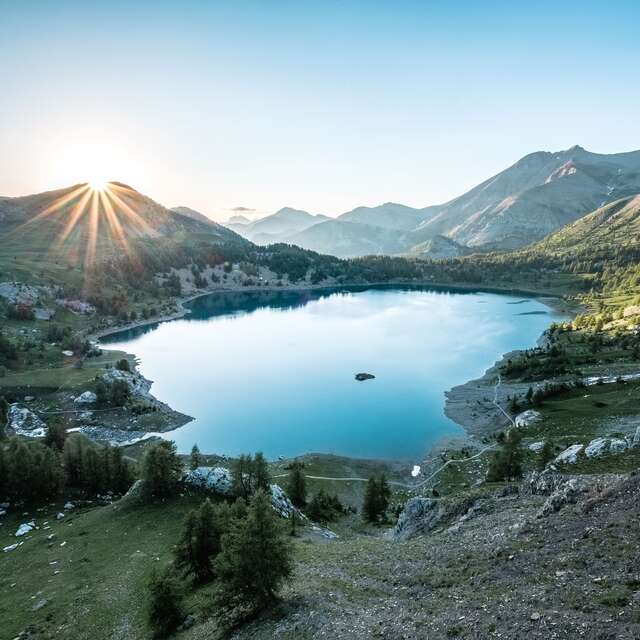
An oasis of calm nestled at an altitude of 2,230 metres, at the foot of the majestic Mont Pelat and at the heart of Mercantour National Park, Lac d’Allos holds the impressive title of Europe’s highest-altitude lake. Its crystal-clear waters originating from melting glaciers and natural springs span around 148 acres and reach depths of up to 50 metres. This beautiful, untouched site is also reputed for its rich plant and animal life, and you will often come across marmots, mountain sheep and chamois nearby, while its waters provide food and shelter for river trout and the arctic char. A genuine haven of tranquillity, Lac d’Allos is best explored by taking the trail of the same name, accessible to all nature lovers. At the water’s edge, a mountain refuge welcomes weekend strollers and avid hikers alike – the perfect place to soak up the exceptional alpine décor.

Gorges du Verdon

The biggest canyon

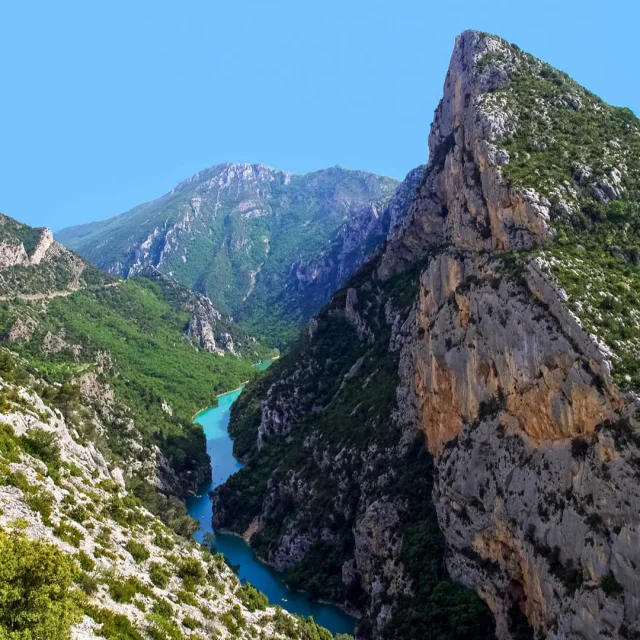
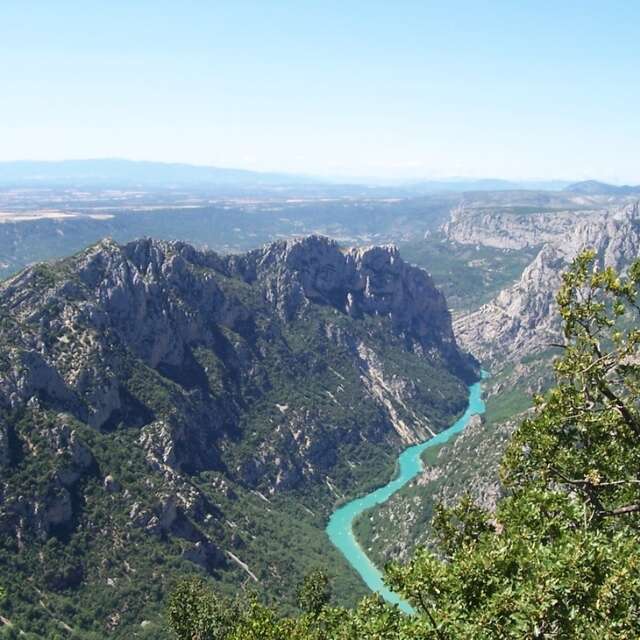
France and Europe’s biggest canyon, the Gorges du Verdon (aka Verdon Gorge or Verdon Canyon) is a truly sensational natural site. Reaching depths of up to 700 metres and spanning over 25 kilometres, the gorge offers a jaw-dropping spectacle of steep cliffs plunging into turquoise waters. A paradise for outdoor sports fans, this unique site attracts rock climbers from the world over, as well as water sports fans. Located between the Alpes-de-Haute-Provence and Var areas, at the heart of the Verdon Regional Nature Reserve, you can admire the canyon’s untamed beauty at your own pace with a kayak, rowboat or stand-up paddleboard, or roam the river banks or clifftops overlooking the river. The various trails on offer promise long and sublime walking experiences, with dizzy vistas at every twist and turn.

Cime de la Bonette

Europe’s highest road

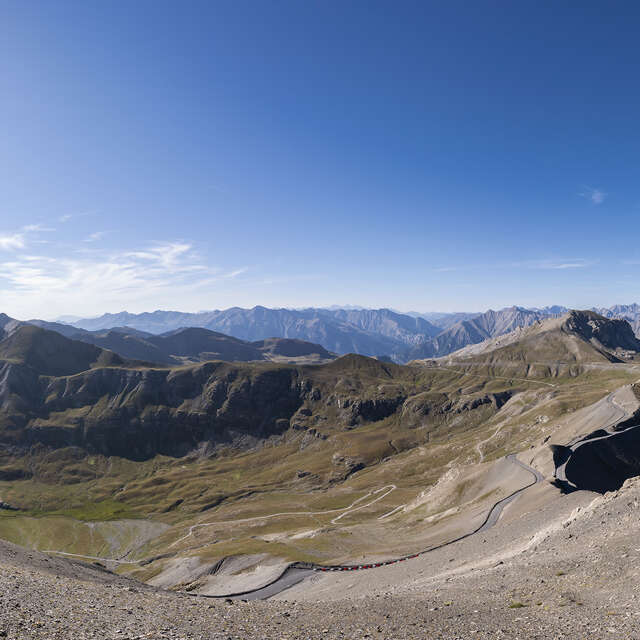
Perched at an altitude of 2,860, Cime de la Bonette is one of Europe’s most spectacular roads. Winding around the summit and over Col de la Bonette, the route connects the Alpes-de-Haute-Provence and Alpes-Maritimes areas, crossing magnificent scenery at the heart of Mercantour National Park. Although its unofficial title of “Europe’s highest road” remains a topic of debate, it is without a doubt France’s highest tarmacked road and definitely Europe’s highest inter-valley road (between Ubaye and Tinée valleys). It is also the highest road ever tackled by the Tour de France, making it a hotspot for expert riders. In these high landscapes, remains of military constructions such as the Camp des Fourches or Restefond also offer reminders of the route’s strategic history. The climb promises truly breathtaking panoramic views, unveiling the alpine splendour of this stunning site around every corner.

The regional with the most Nationals Parks

Provence-Alpes-Côte d’Azur is home to France’s highest number of National Parks: Mercantour, Port-Cros & Porquerolles, Écrins and Calanques, i.e. a whopping four out of France’s total of eleven national parks. The region also boasts the second-highest number of Regional Nature Reserves (nine in all), located in Camargue, the Luberon, Queyras, the Verdon and more. In all, over 30% of Provence-Alpes-Côte d’Azur’s total surface area is protected by a park or reserve, testifying to the region’s commitment to preserving its unique landscapes and living heritage. From snowy peaks to Mediterranean shores, through plains and plateaux, Provence-Alpes-Côte d’Azur is a genuine jewel of nature crisscrossed with a myriad of long-distance trails (watch out for the GR and GRP labels) perfect for walkers, hikers and lovers of wide-open spaces…

The sunniest region!

A kingdom of sunshine, swathed in sun-kissed scenery, Provence-Alpes-Côte d’Azur is without a doubt France’s sunniest region. Among the top ten towns that clocked up the most hours of sunshine in 2024, no less than five are located in the region. The unrivalled king is, of course, Marseille, with around 2,900 hours of sunshine per year, closely followed by Carpentras with 2,835 hours, then Saint-Auban, with 2,779 hours of blissful “soleil”. Further east, Nice clocks up a glorious 2,760 hours, while Le Luc-en-Provence completes this radiant record with 2,752 hours. Figures aside, sunshine is an integral part of the region’s identity, shaping its lifestyle, exalting its landscapes and inviting locals and travellers alike to revel in its generous and incomparable quality of light.

To discover