




Description
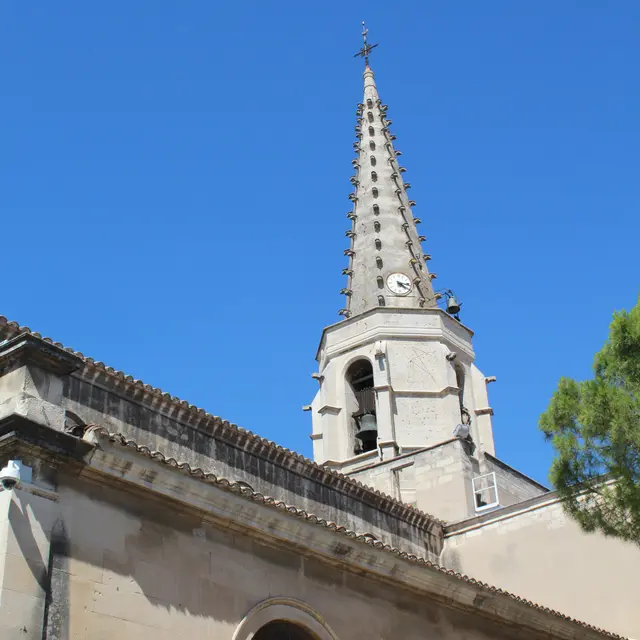
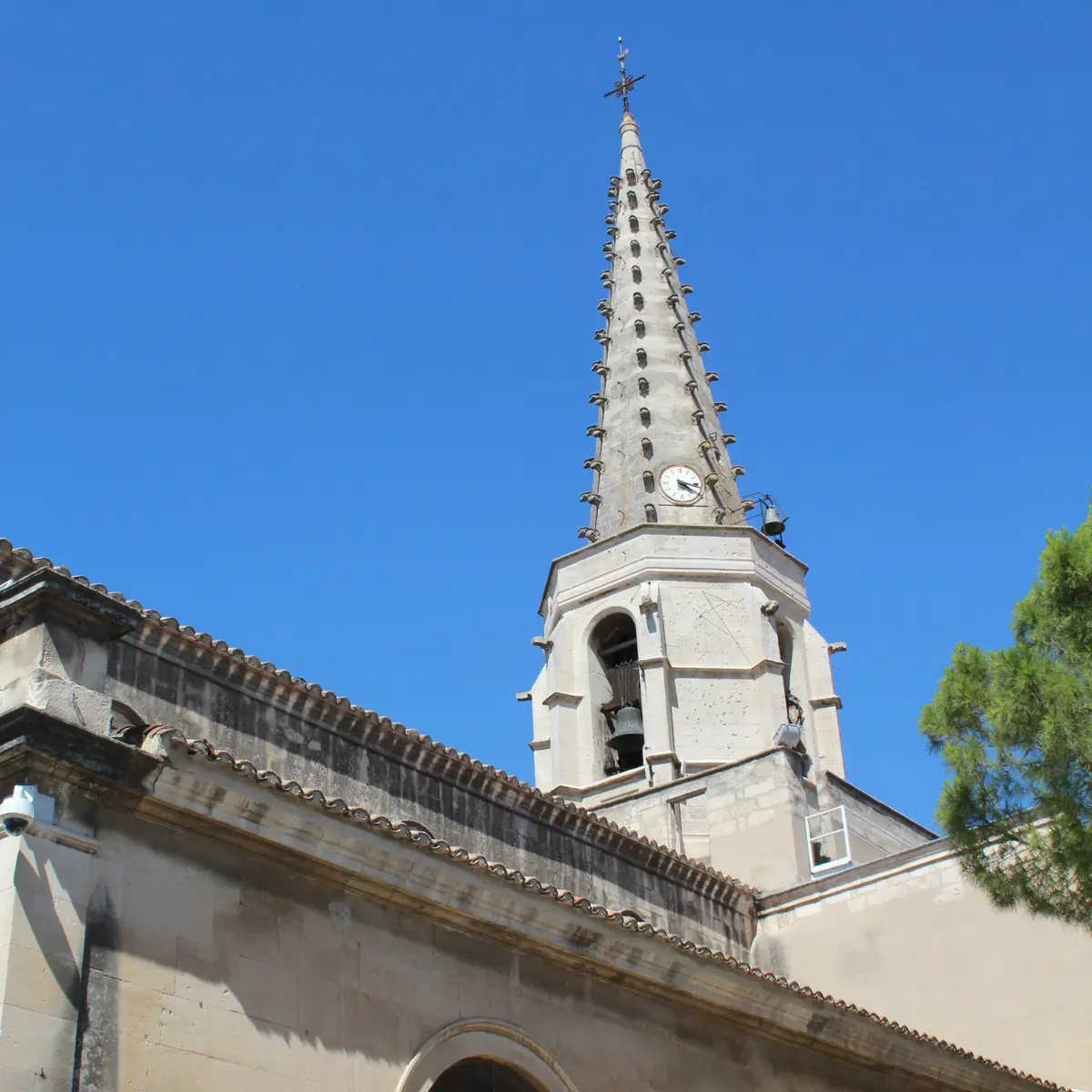
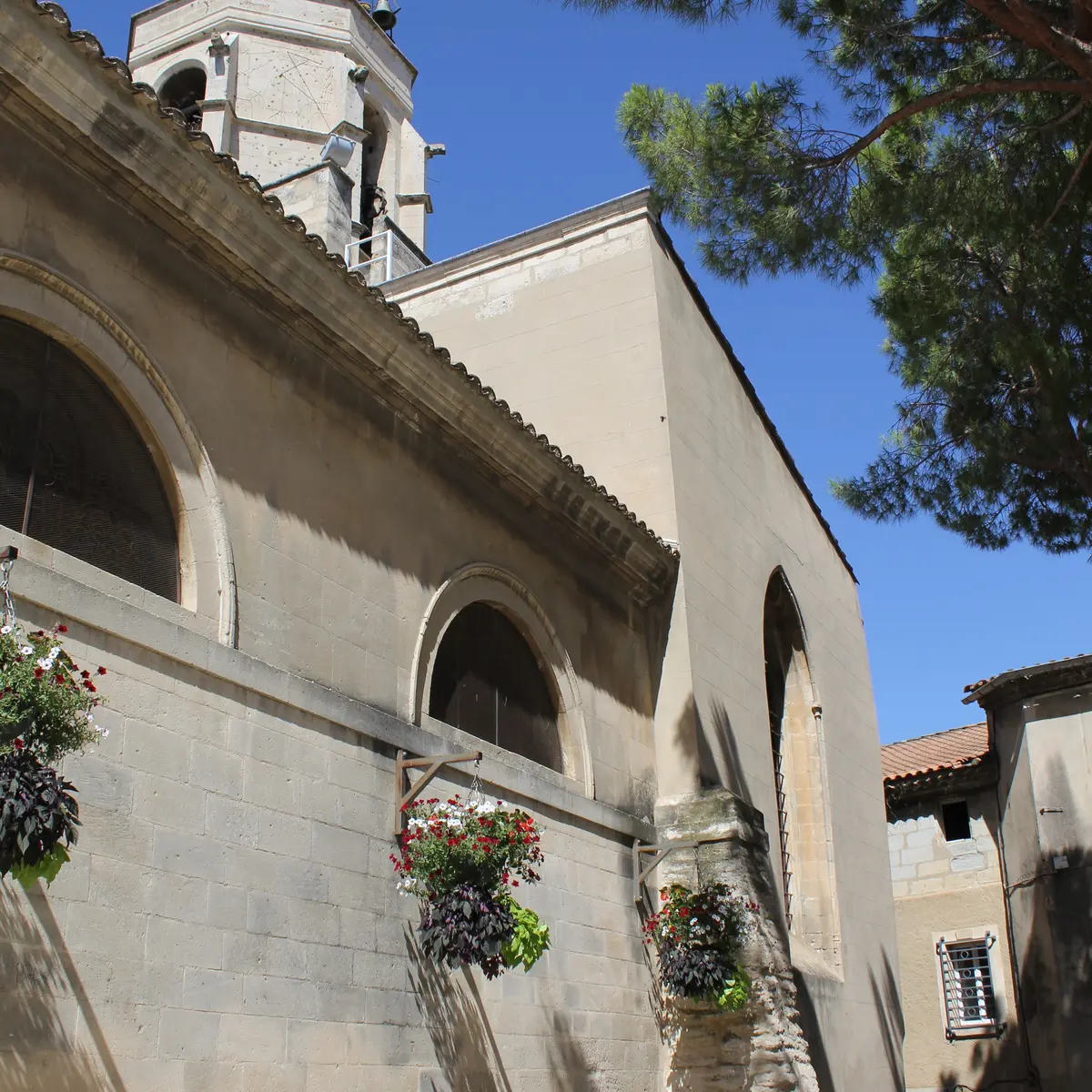
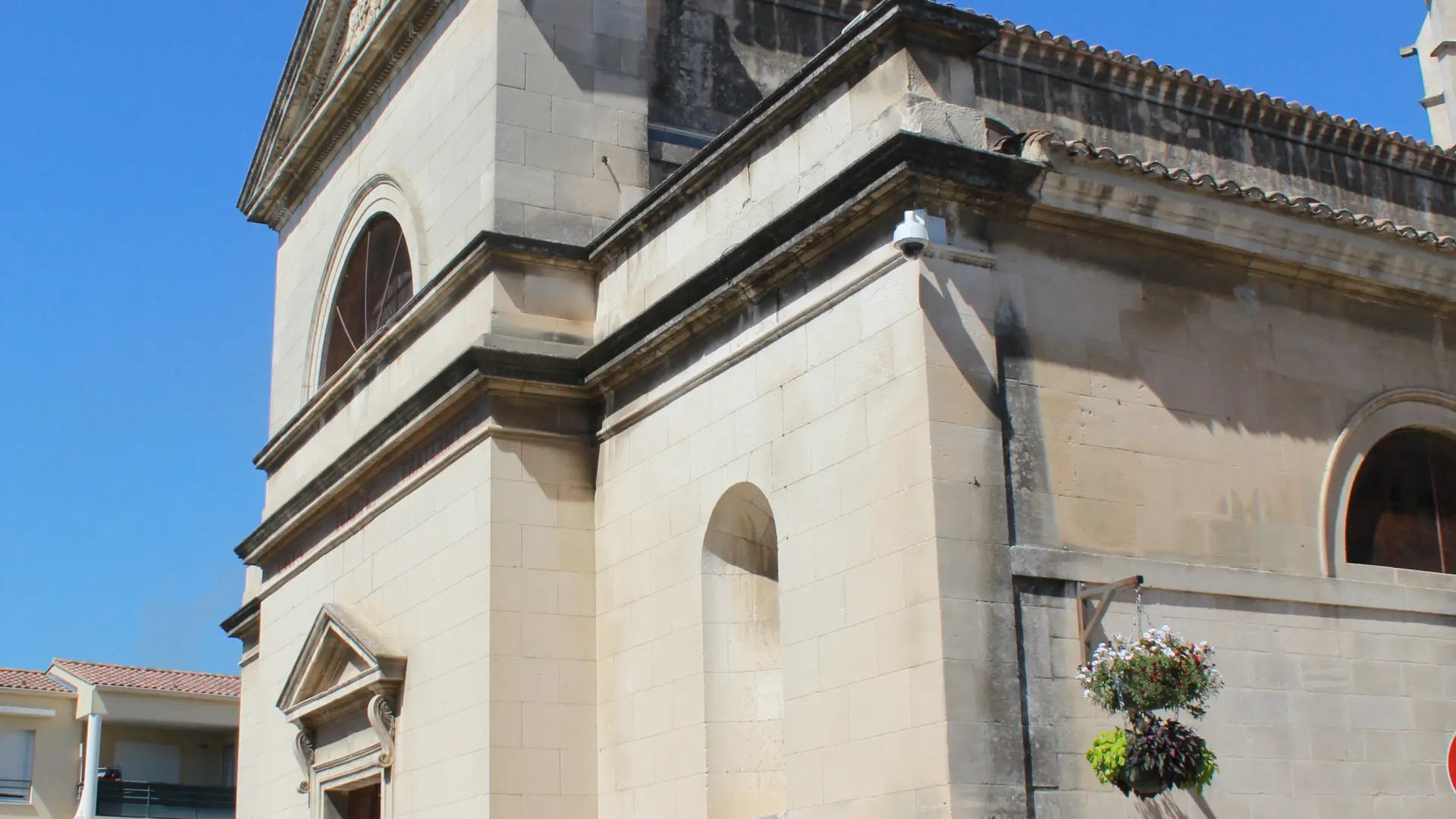
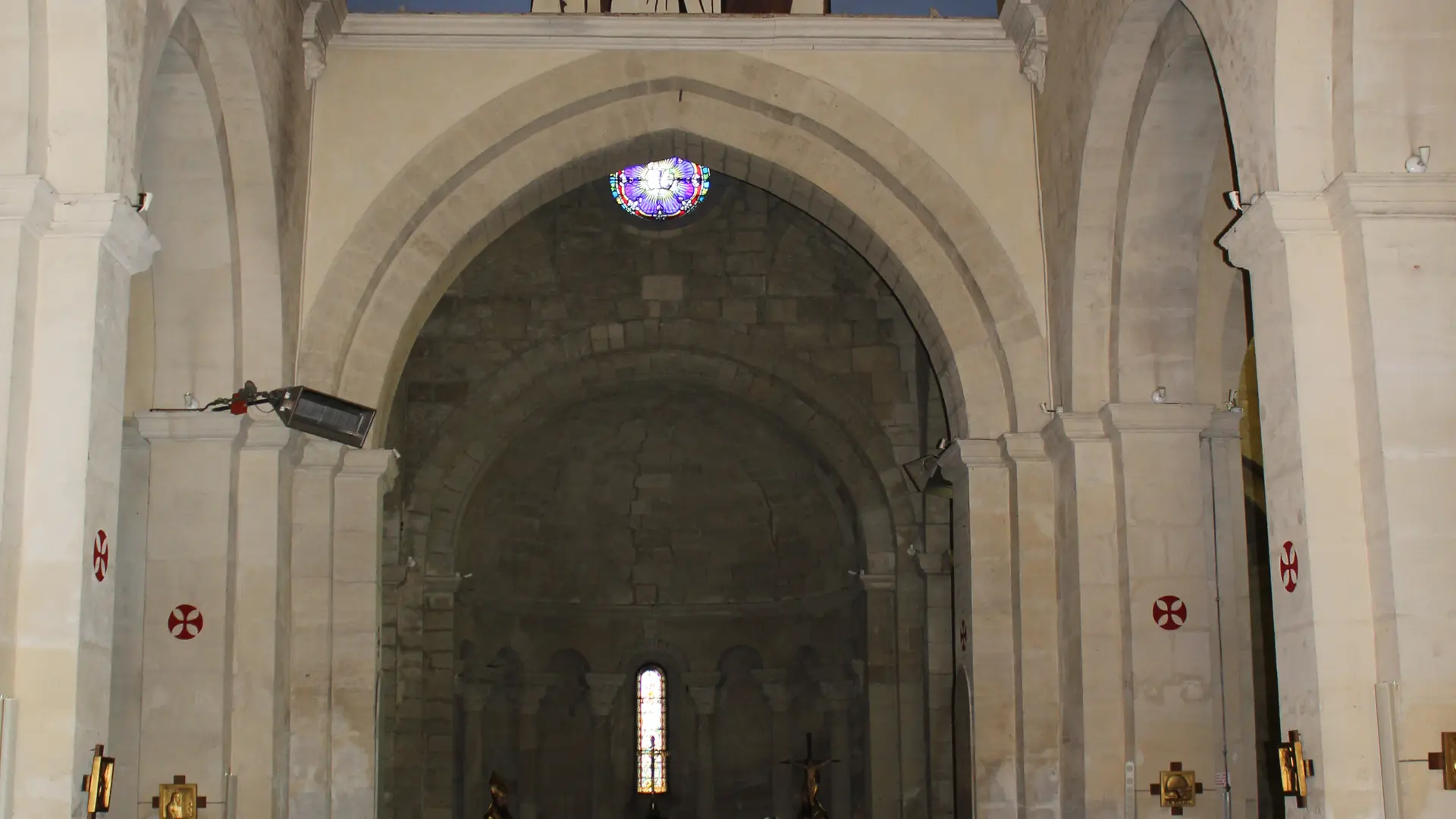
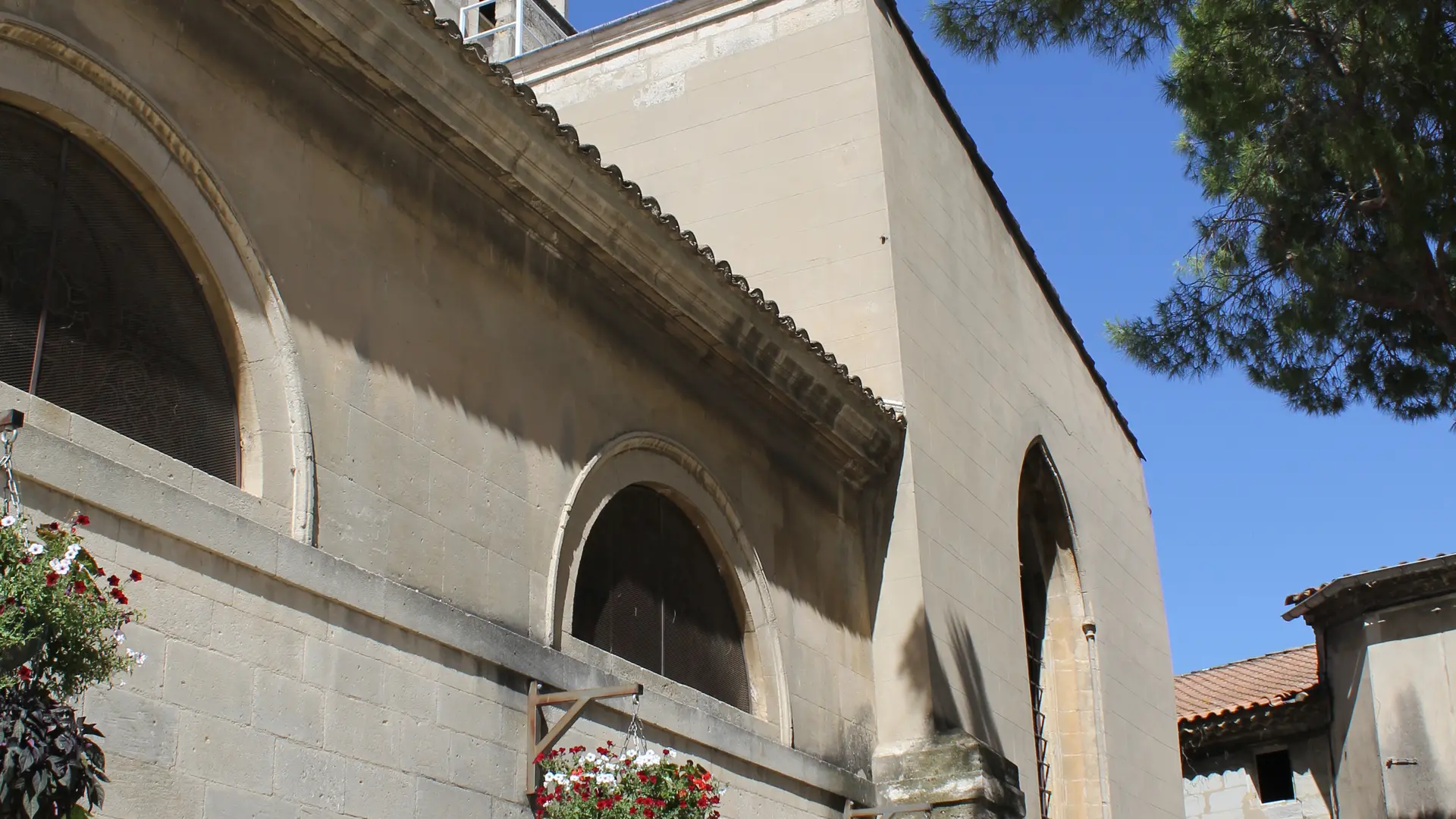
The church was rebuilt in 1848 for the most part, from a church dating from 11th century (1198). Only the Romanesque choir is registered on the list of Historical Monuments.
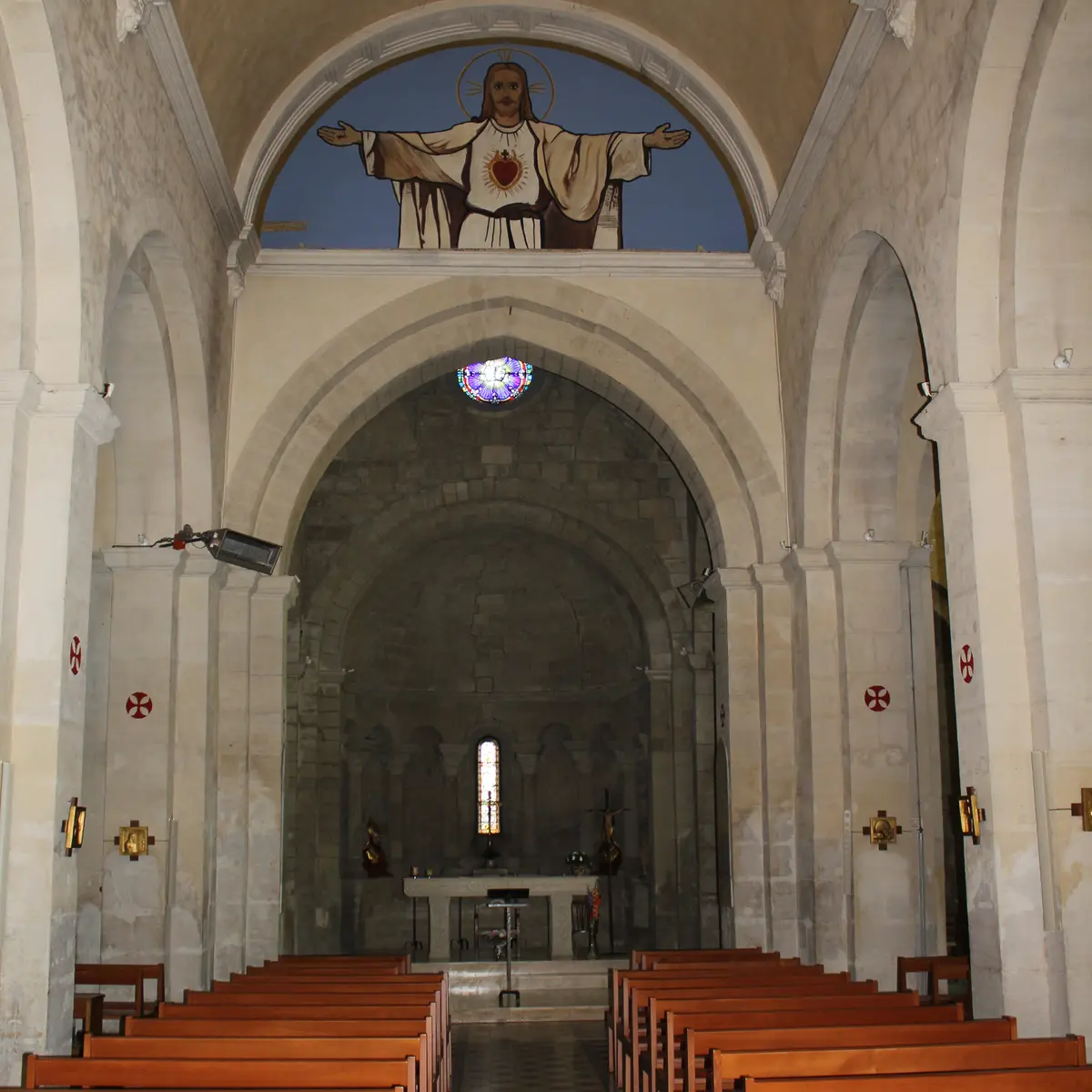
Don't forget to look upwards and admire the Romanesque cupola. And take the time to look at the 17th and 18th century paintings.
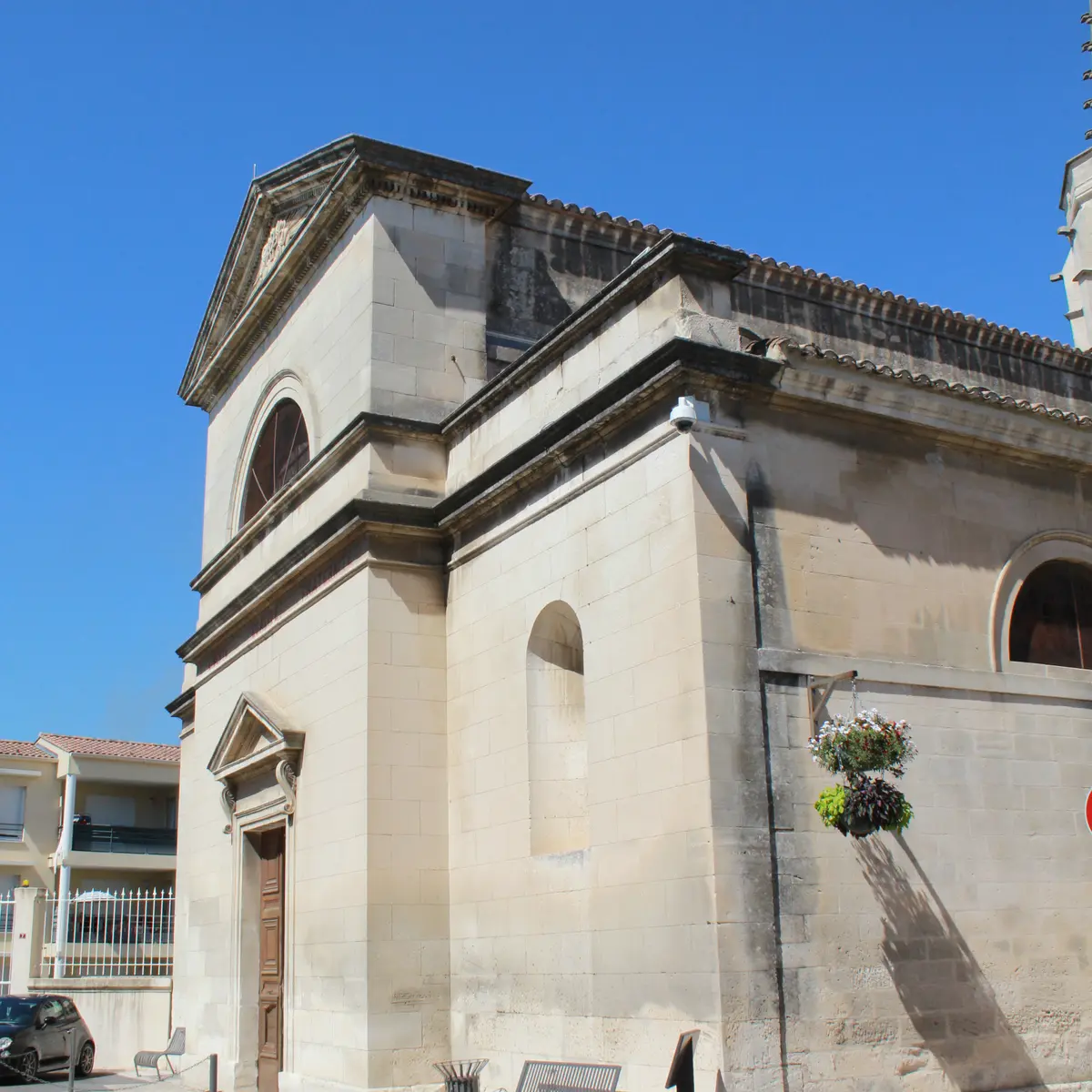
The church itself was rebuilt in the 19th century, but the chancel is remarkable due to its architecture. The façade is decorated in Neo-Classical style; a triangular fronton on scroll-shaped modillions draws attention to the top of the main portal. This portal is framed by two empty semi-circular niches. Above a half-moon shaped opening, there is a larger triangular fronton with a tympanum adorned with bas-reliefs. The chancel consists of an octagonal dome on squinches, decorated with tetramorphic motifs. The funereal recesses are decorated with the tools of forgers and smiths, but unfortunately they are in poor condition. The wall of the semi-domed apse also features a colonnade: geometric motifs, such as twists, adorn the shafts and decorate the capitals; several antique motifs such as ova, finials, acanthus leaves and scrolls have been re-used freely. The main nave is Neo-Romanesque and more sombre in style; a barrel vault covers the three central bays, while the side-aisles have a double hipped roof. Each of the six side chapels contains a white marble altar and has its own distinctive décor, although they form a coherent ensemble.