


For this last Monday of the conference, we propose you to meet and debate with Alain Roques, and especially to learn more about the larch budworm and the pine processionary. A moment of exchange, questioning and conviviality.
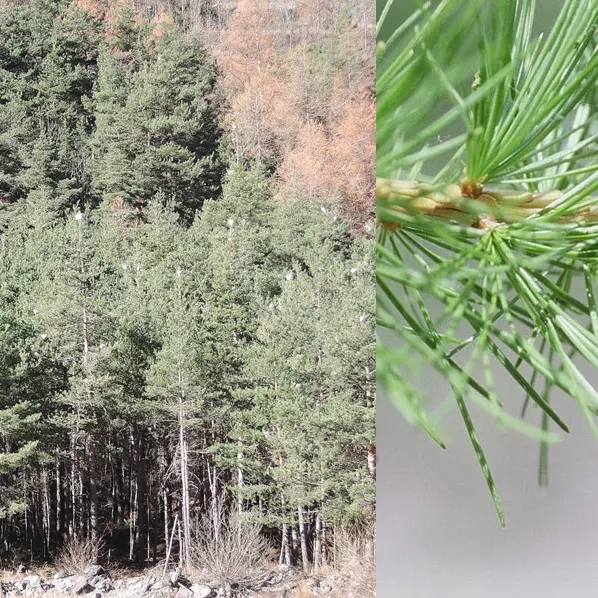
These emblematic insects of the forests of the Southern Alps are both confronted with accelerated climate change, but their response to this change is totally different. This reveals the complexity of the mechanisms at play. We will see that winter warming favors the pine processionary by allowing it to survive in areas that were previously impossible for it to colonize. Originally a Mediterranean species, the processionary is now found at altitudes above 1500 meters in the mountains, with consequences for both forestry (maintenance of forests for commercial use) and health, generated by its stinging caterpillars. On the other hand, the budworm (picture of the conference), which used to cause widespread scorching of larch forests in the subalpine zone every 8 to 10 years, has seen its populations collapse since the 1990s. We will see that the same winter and spring warming desynchronizes the hatching of young caterpillars and the appearance of new larch foliage, making it impossible for the caterpillars to feed.
Alain Roques is a research director at INRAE where he directed for more than 10 years the forest zoology research unit in Orleans and its field office in the Briançonnais. He has 35 years of experience in the biology, ecology and behavior of forest insects with a particular focus on biological invasions and the effect of global warming on insects. He coordinated the inventory of exotic insects in Europe within the framework of the European project DAISIE. He is now in charge of the joint French-Chinese laboratory between INRAE and the Beijing Forestry University, which is dedicated to biological invasions in Eurasian forests.