



Description
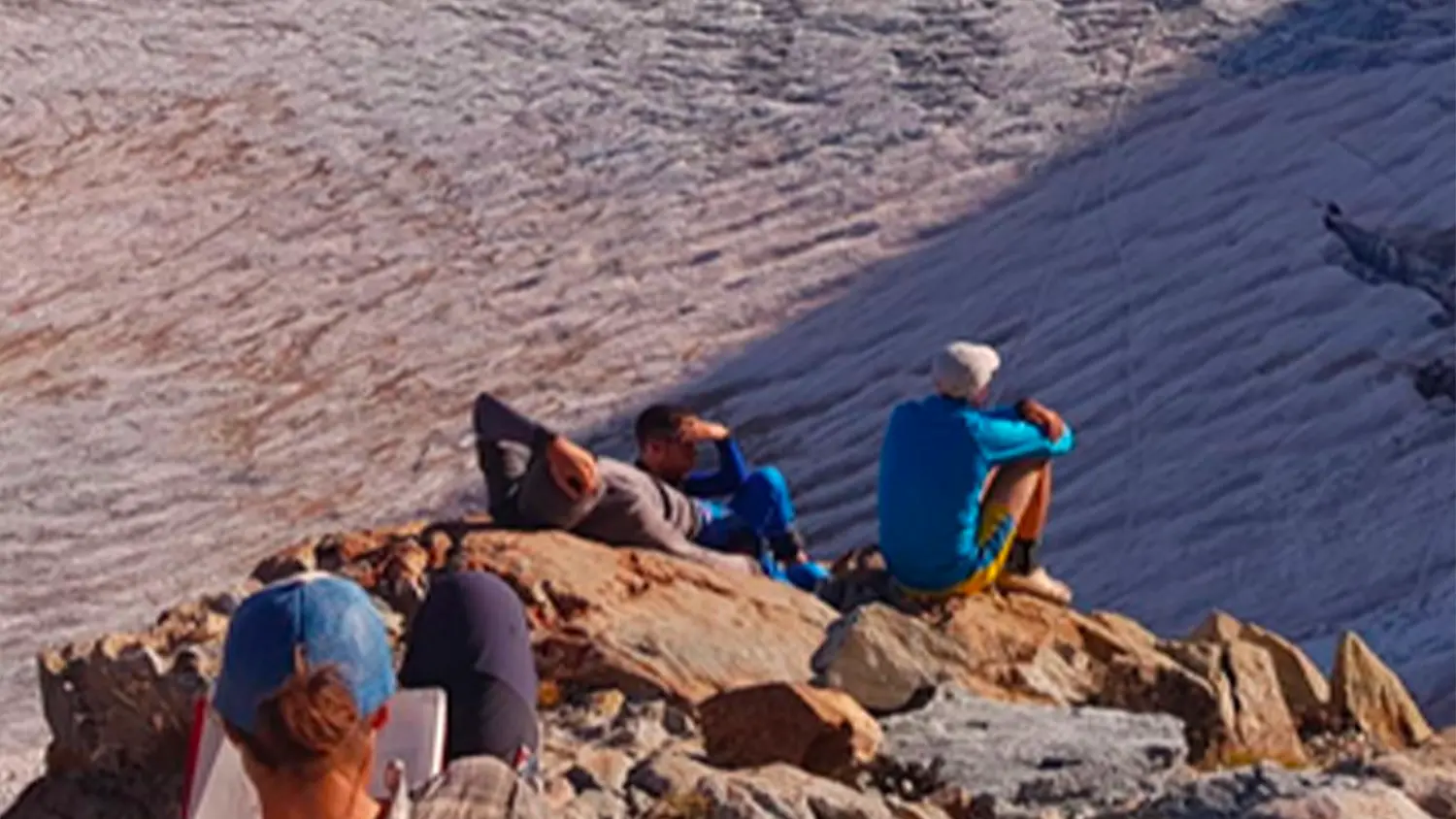
5-day scientific expedition to the heart of Les Écrins. Participate in the monitoring of the Blanc and Sélé glaciers: GPS surveys, field measurements, photo protocols. A unique immersion between glacial science and high mountain accessible to all.
Day 1: Pré de Madame Carle – Glacier Blanc Base Camp
Meet at 9am at L'Argentière-la-Bessée train station. Transfer to Pré de Madame Carle, the iconic gateway to the massif.
After distributing scientific equipment (field notebooks, protocol sheets, camera gear, GPS), safety briefing for glacial environments and introduction to glacier fron monitoring methods.
We begin the approach hike toward the Glacier Blanc Refuge. The trail follows the stream flowing from the Glacier Noir and crosses impressive moraines that bear witness to over a century of glacial retreat. Ahead of us stands the majestic Barre des Écrins (4,102 m), the massif's iconic peak.
Setting up at the refuge, which becomes our first scientific base camp.
Presentation of the study programme for the following days and assignment of work teams.
Activity: 6 km / 3h30 hiking / 600 m elevation gain
Meals included: dinner
Accommodation: Glacier Blanc Refuge
Day 2: Science Workshop – Glacier Blanc Front
A full day dedicated to monitoring the Glacier Blanc front.
After an approach walk along the moraine, workshop stations are set up:
GPS survey of the glacier front
Measurement of water flows (proglacial stream discharge, water temperature)
Fixed-point photography protocol (photographic record for year-on-year comparison)
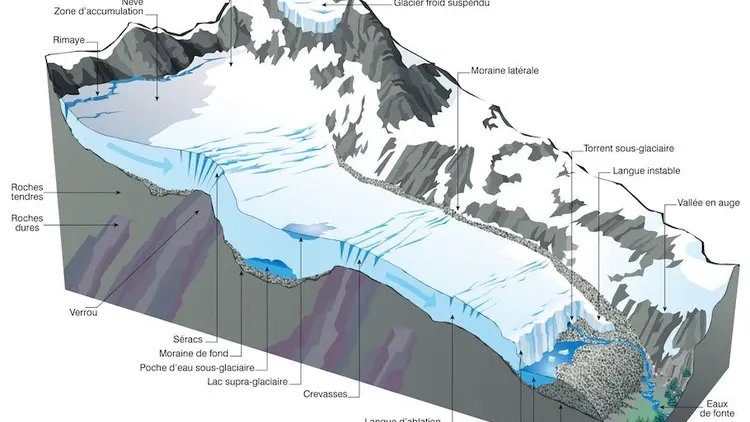
Landscape reading: interpreting recent and ancient moraines
Introduction to simplified glacier front mapping
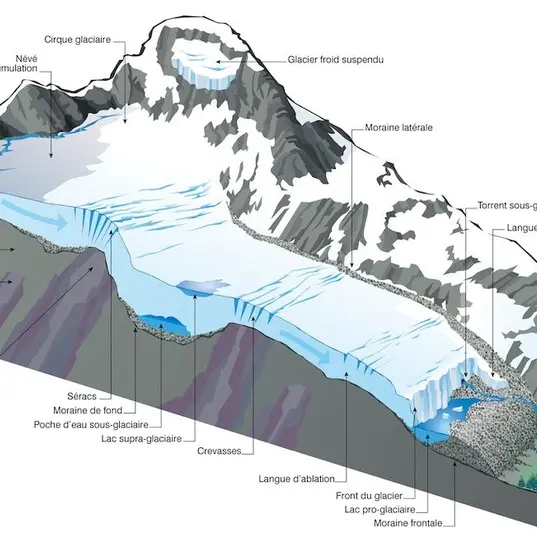
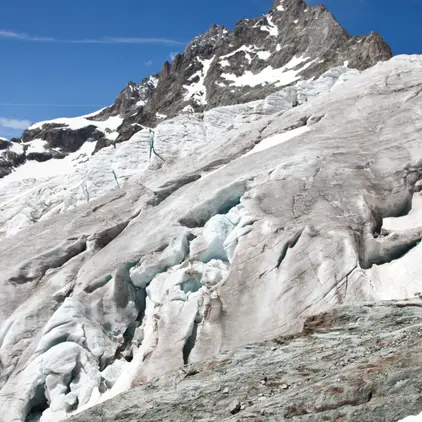
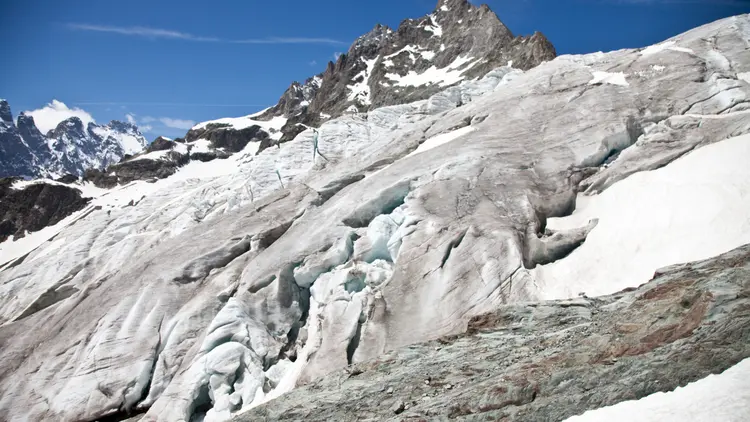
Observation of seracs and discussion on ice flow dynamics.
Return to the refuge in the late afternoon. Collective synthesis of collected data.
Activity: 8 km / 4 to 5h hiking / 300 m elevation gain
Meals included: breakfast / dinner
Accommodation: Glacier Blanc Refuge
Day 3: Glacier Blanc – Ailefroide – Sélé Base Camp
Morning descent to Pré de Madame Carle, then transfer to Ailefroide.
We begin the ascent toward the Sélé Refuge, climbing through the wild Sélé valley. The landscape becomes increasingly rugged and mineral as we gain altitude. The Sélé stream accompanies us along the way.
Arrival at the Sélé Refuge, our second scientific base camp, situated facing the massif's hanging glaciers.
Presentation of the sector's glaciological characteristics and morphological comparison with Glacier Blanc.
Activity: 8 km / 5h30 hiking / 1,000 m elevation gain
Meals included: breakfast / dinner
Accommodation: Sélé Refuge
Day 4: Science Workshop – Sélé Glacier and Ecological Inventory
A day of study around the Sélé Glacier.
Field workshops:
Comparative survey of the glacier front
Measurement of secondary water flows
Observation of thaw zones and moraine instabilities
Pioneer flora inventory on recent moraine (lichens, saxifrages, alpine plants)
Identification of indicator species for post-glacial colonisation
Introduction to the concepts of ecological succession in alpine environments and the impacts of climate change on alpine ecosystems.
Wildlife observation opportunities (chamois, marmots).
Return to the refuge, cross-analysis of data from both glaciers studied.
Activity: 6 to 7 km / 4h hiking / study terrain
Meals included: breakfast / dinner
Accommodation: Sélé Refuge
Day 5: Scientific Synthesis and Return to Ailefroide
Final morning surveys (additional photo points or water measurements depending on conditions).
Synthesis workshop:
Pooling of all collected data
Comparative analysis: Glacier Blanc vs. Sélé Glacier
Discussion on observed trends and future projections
Descent to Ailefroide late morning.
End of trip in early afternoon.
Activity: 7 km / 3h30 hiking / 900 m elevation loss
Meals included: breakfast
Equipment
Clothing:
One long-sleeve base layer in breathable fabric (hollow fibre)
One warm fleece jacket
One windproof, waterproof and breathable outer jacket (e.g. Gore-Tex)
1 sun hat or cap
1 multi-functional neck gaiter (e.g. BUFF©) and 1 pair of lightweight gloves for protection from the cold at altitude
1 short-sleeve t-shirt suitable for physical activity (synthetic or natural microfibre)
1 insulating layer: fleece or down jacket
1 windproof, waterproof and breathable jacket with hood if possible (Gore-Tex or equivalent)
1 rain poncho or backpack rain cover for bad weather (often integrated into the backpack)
1 pair of trekking trousers
1 pair of hiking shorts or bermuda shorts
2–3 pairs of hiking socks
Toiletries (towel, wash bag)
Gear:
1 backpack of 30/35 litres with a flexible frame and hip belt
1 pair of waterproof, ankle-supporting hiking boots with Vibram-type soles, or low trail shoes depending on your preference
1 large plastic bag to protect the inside of your backpack
1 pair of category 3 or 4 sunglasses
1 water bottle (minimum 1.5 L)
1 cup, knife and fork for picnics
Snacks of your choice (and the children's preference)
1 small pouch (preferably waterproof) for money, ID card, bank card, health insurance card, and assistance contract
Sunscreen and lip balm
