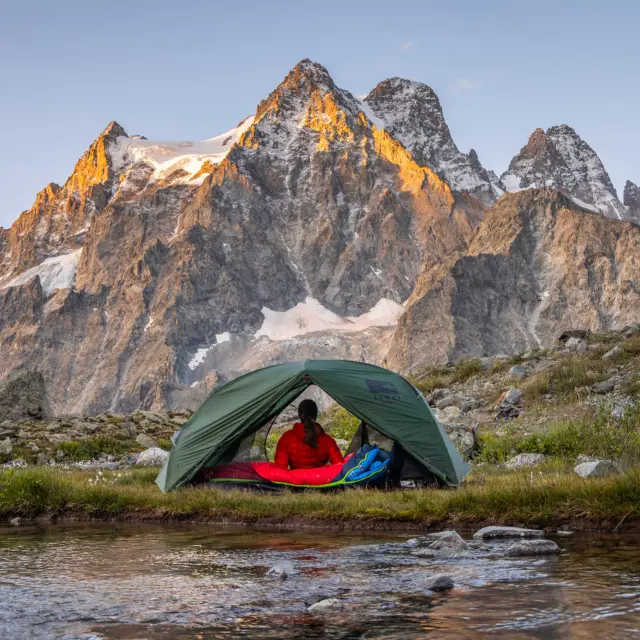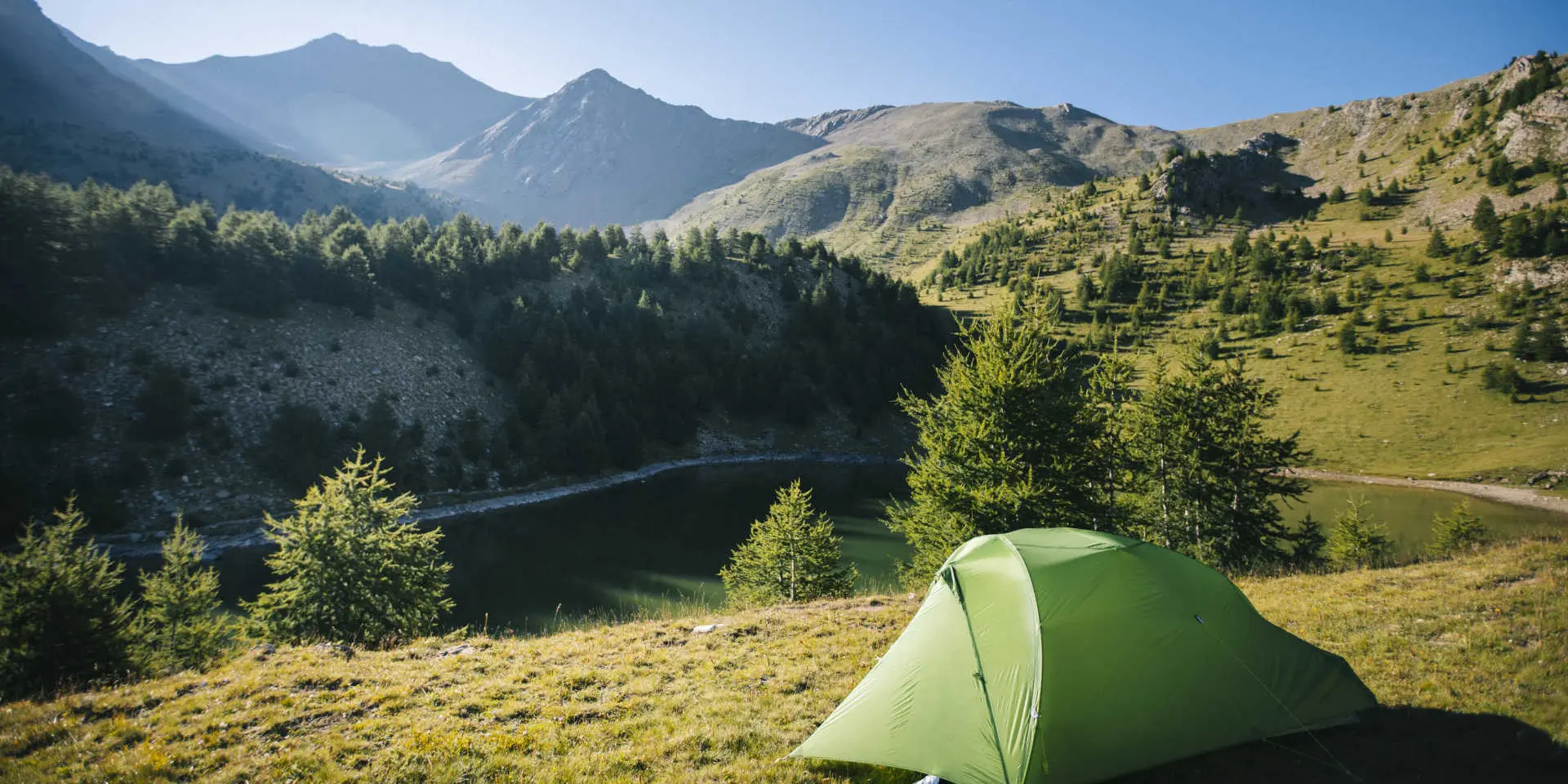
A bivouac tent overlooking a lake at Les Orres
©

Bivouac at Les Orres in the Hautes-Alpes

|

Clarafotomania

Bivouacking

the right way to do it

To spend a night in the middle of nature in the heart of the Écrins, the Queyras or the Verdon is an incredible experience. But the beauty and the natural wealth which give the national and natural regional parks in the Sud their reputation must be protected. Discover the best practices for respectful bivouacking.

Bivouacking or camping: what’s the difference?

First and foremost, it is really important to understand the difference between bivouacking and camping, because they are not subject to the same rules and do not have the same place in our natural areas. Bivouacking is generally done on long-distance hikes: it means a light installation with no facilities, or one night only at each place. The idea of bivouacking is to be as discreet as possible in your surroundings. Camping is often a heavier installation, with tents and more voluminous equipment, and is done on dedicated plots of land. Camping is notably forbidden in the heart of national parks, because it has a higher impact on natural environments, in the daytime and at night. Even if each national or natural regional park has its own regulations, the difference between camping and bivouacking is almost universal.
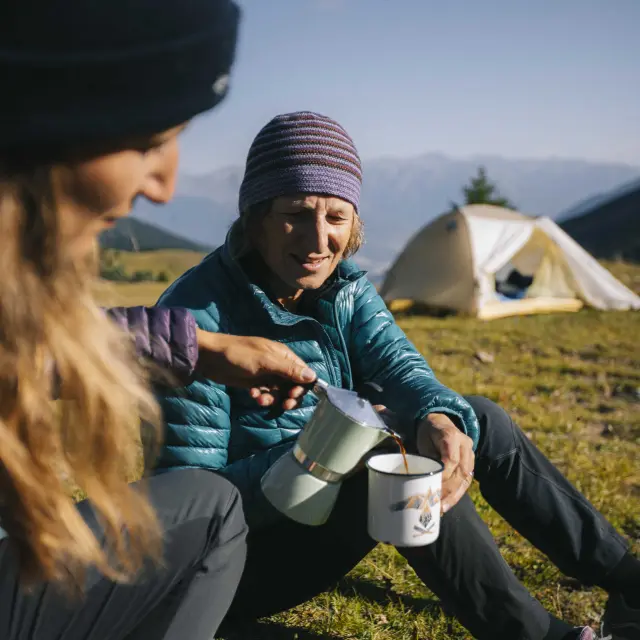
Basic rules for a respectful bivouac

Beyond the use of a small, discreet tent (no standing room), you must remember the other rules if you plan to bivouac in the national or natural regional parks in the Sud:

  • Pitching your tent is often only permitted from 7 pm, and the tent must be dismantled before 8 or 9 am the next morning.
  • The principle of bivouacking is just to stop for the night during a long-distance hike. You are therefore not allowed to spend more than one night in the same place.
  • The bivouac point must be installed more than one hour’s walk from roads, car parks, huts or the limits of the heart of the park. Please note that some parks authorise bivouacking near chosen huts.
  • Gas stoves are permitted, but open fires are forbidden.
  • You must not leave any waste behind you, and the waste water (from washing up) must be thrown away at least 50 metres from lakes, rivers and wet areas.
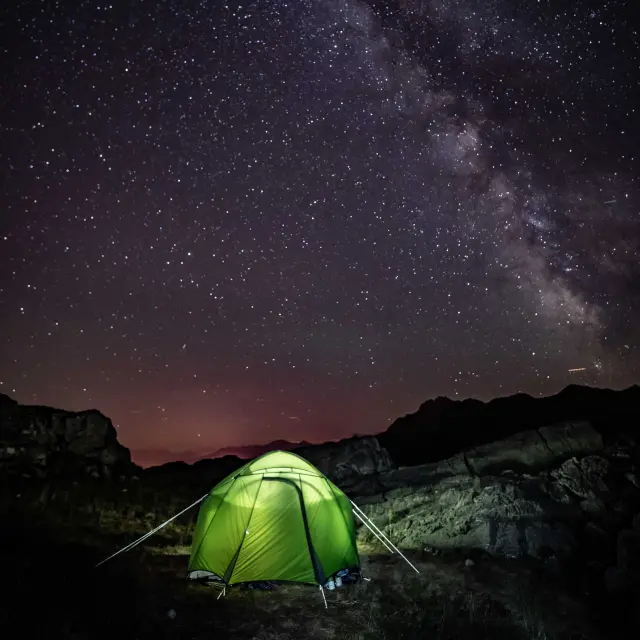
  • Avoid all noise or light nuisance to respect the tranquillity of wildlife, especially if you are bivouacking in a sensitive zone or during the breeding season.
Bivouac parc national des Écrins : préparer chez soi

Get to know local regulations

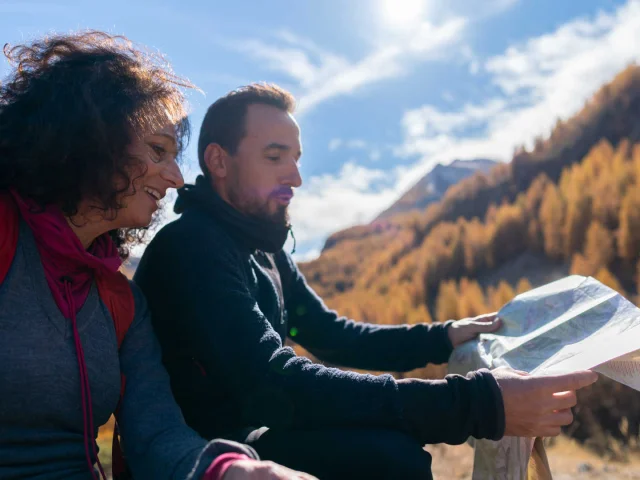
When faced with overuse, parks may adapt their regulations on a local basis. For example, some dedicated areas may be indicated where you can set up your bivouac, other sectors may on the other hand be forbidden for bivouacking or periodically regulated, that visitor are put in place. To find out about and anticipate these special arrangements, remember to consult the regulations pertaining to each park before setting out: via the park’s official website, the Maisons du parc, tourist offices. Please note that some sites such as thePort-Cros and the Calanques national parks prohibit bivouac completely in the heart of the park. The more you know and the better prepared you are, the more you’ll be able to make the most of these magical places which are worthy of respect. Enjoy your bivouac!

    You may also like