©

Sainte Baume Var Jauray

|

Auray J.

Pilgrimage routes to Compostella in Provence and Côte d'Azur

Itineraries starting in Arles or the Pays Niçois

The medieval Christian legacy, the Chemin de Compostelle (pilgrimage routes to Compostella), has two routes in Provence-Alpes-Côte d’Azur: the Arles Route and the Via Aurelia, from the Pays niçois to Provence, which both invite hikers to natural and heritage discoveries, in a spirit of sharing and authenticity.

The pilgrimage routes to Compostella

Slow hiking itineraries to reconnect with what is essential

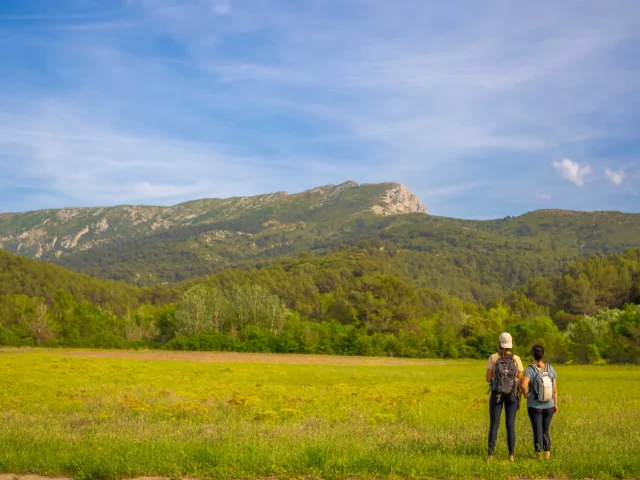
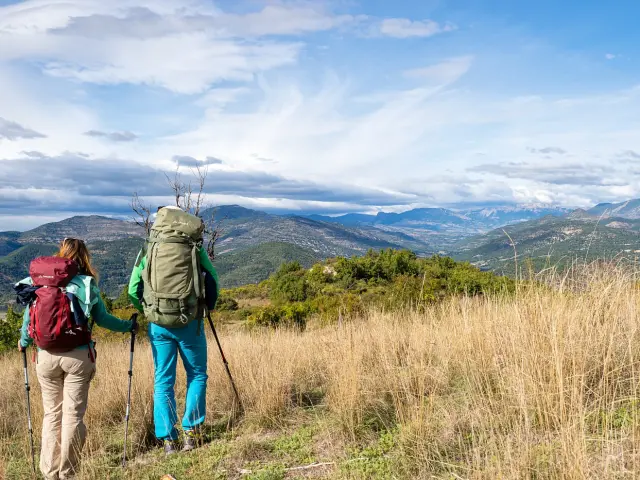
An adventure filled with History, sharing and the pleasures of the outdoors. A Christian tradition initiated in the 9th century, the pilgrimage to Compostella and the tomb attributed to the apostle Saint Jacques le Majeur, in Galicia, now attracts hikers in search of spirituality. Its followers have managed to keep the original spirit: an authentic rendez-vous for reconnecting with oneself and others, far from the screens and solicitations of our daily life, to the rhythm of a walk. Listed in the UNESCO World Heritage in 1998, the ancient pilgrims’ ways are a concentration of historical heritage and marvellous landscapes, a combination of the pleasures of discovery and hiking. From the first warm days until the end of November, come and be tempted by this responsible hiking adventure on marked trails with your rucksack on your back – each day is a new journey. The site of the Agence Française des Chemins de Compostelle lists old doors, approach routes, cultural sites and partner accommodation. The Sud has two pilgrims’ ways to Compostella: the Arles route and the Via Aurelia, from the Pays Niçois to Provence.

The Arles Route

Roman and Christian heritage and the wild landscapes of the Camargue

  • Number of kilometres in Provence-Alpes-Côte d’Azur: 20.5
  • Estimated time: 1 day
  • Start: Alyscamps site in Arles
  • Finish: Abbatiale Saint-Gilles in Saint-Gilles-du-Gard
  • Best time of year: March to November
  • Level: all

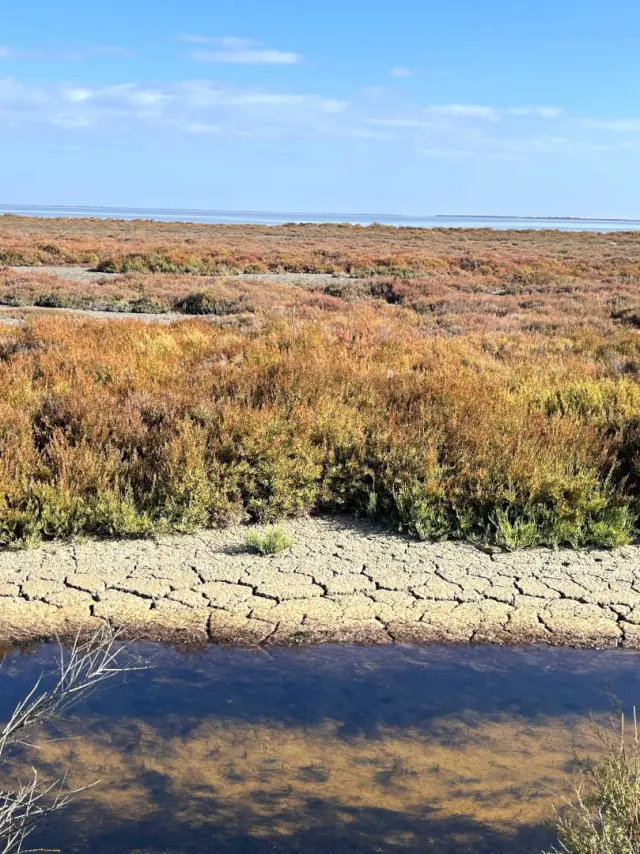
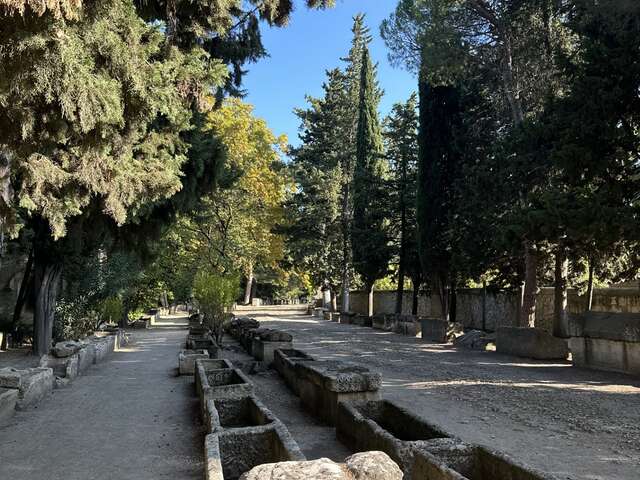
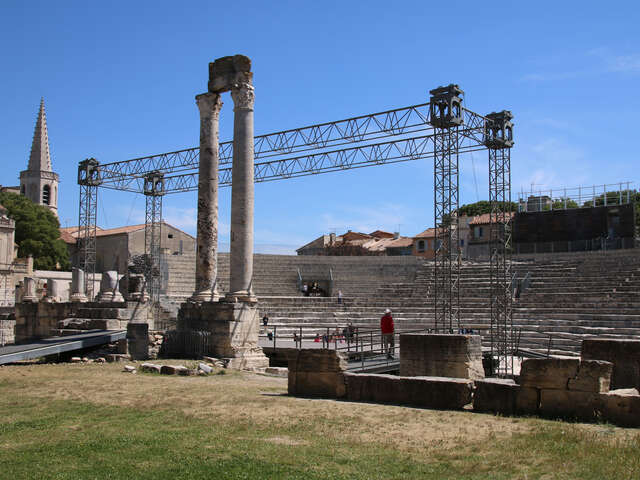
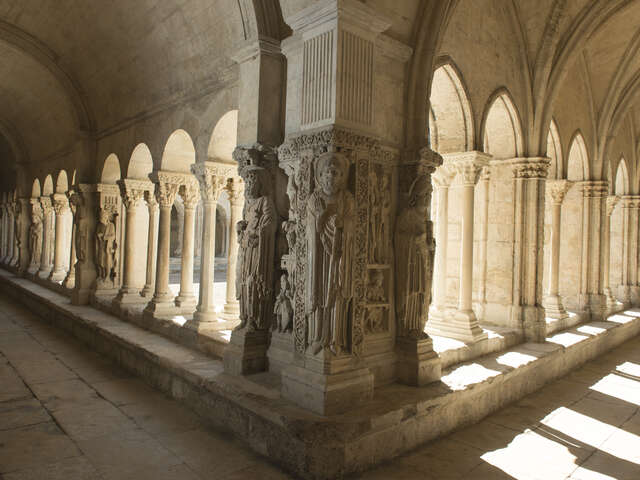
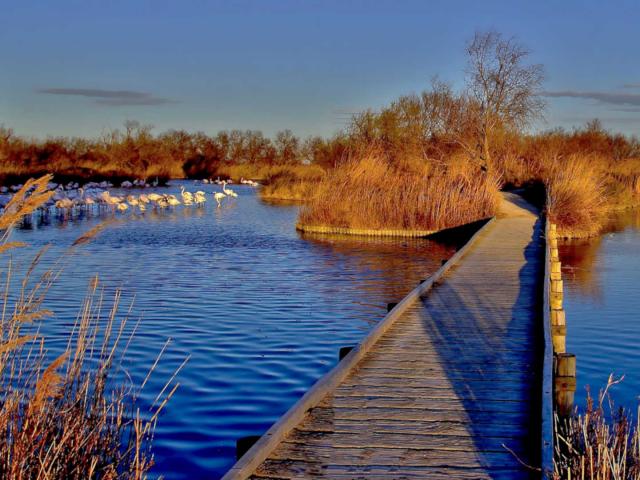
Aslo known as the Via Tolosana, the 793-km long Arles route links the capital of the Camargue to Puente-la-Reina, in Spain, on the GR653. The portion located in Provence-Alpes-Côte d’Azur takes you to see the beauties of the Roman town and the plains of the Camargue. From Arles, the route starts at the Christian necropolis of Les Alyscamps, a site dotted with many sarcophagi, painted by Van Gogh and listed in the UNESCO World Heritage. The church of Saint-Honorat, nearby, is a very lovely example of Provencal Romanesque art. As you walk towards the western part of the Roman town, you will discover the other major UNESCO sites: the ancient theatre and the 12th-century cloister of Saint-Trophime. Once you’ve crossed the Rhône, the Camargue unfolds in light-filled landscapes of marshes, ponds and lagoons. Marked by Provencal traditions, this wild land is home to a rich biodiversity, including emblematic bulls and flamingoes. Up to the Gard stage of Saint-Gilles, it also unveils the thousands of years-old crops of olive trees and vines.

The Via Aurelia, from the Pays Niçois to Provence

From plains to mountains and characterful Côte d’Azur villages…

  • Number of kilometres in Provence-Alpes-Côte d’Azur: 388
  • Estimated time: 19 days
  • Start: the Saint Ludovic Bridge in Menton
  • Finish: the Abbey of Montmajour in Arles
  • Stages
  • Best time of year: spring, autumn and winter
  • Level: all

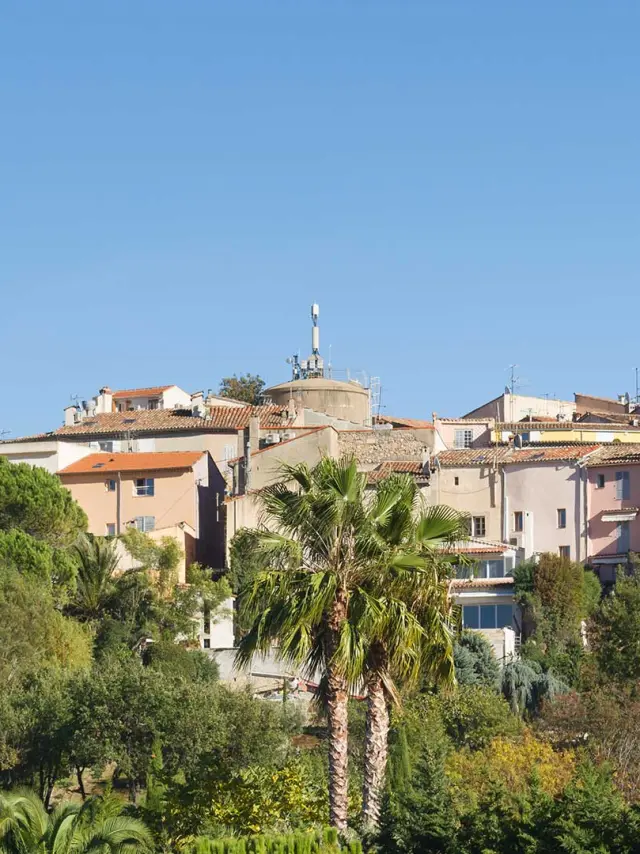
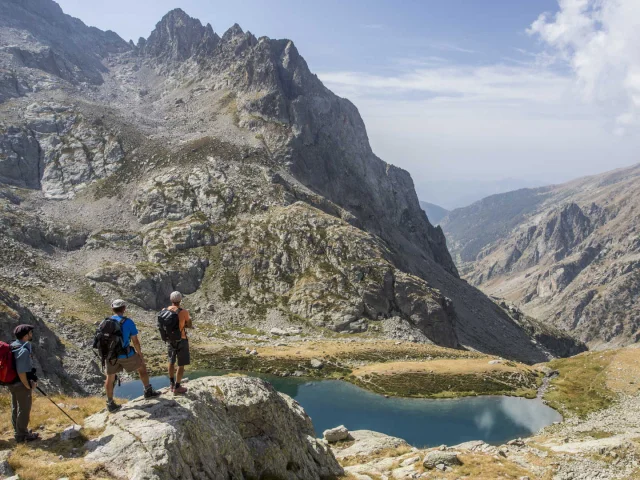
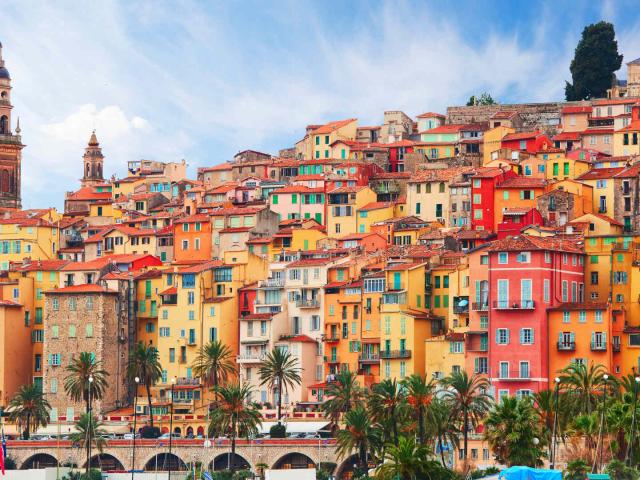
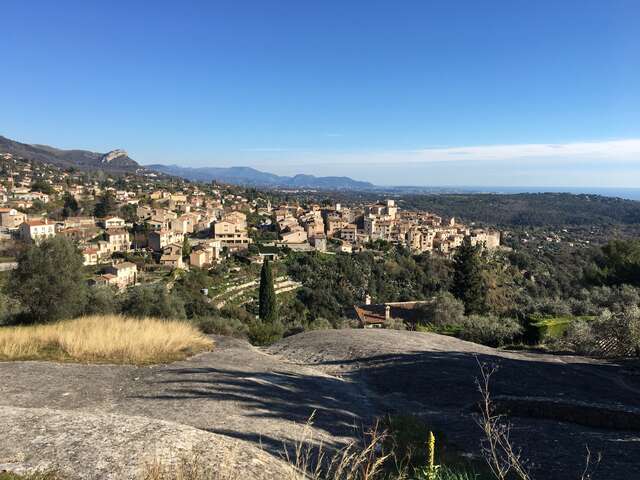
Following the trace of the old Roman road, the Via Aurelia covers 388 km, from Rome to Santiago de Compostela, and through Arles, on the GR653A. In Provence-Alpes-Côte d’Azur, it winds through hills and coastal plains, revealing a mosaic of landscapes. Its beauty is particularly striking in the springtime, when nature is coming to life. And also in the autumn, when it takes on a lovely golden hue. After a wander around the colourful streets of Menton, the Via Aurélia goes along above Nice, in the low mountains with the Mediterranean influence in the Préalpes d’Azur Natural Park. It will then take you on to discover the most beautiful hilltop villages of the Côte d’Azur: Vence and its little cobbled streets which attracted Matisse and Chagall, the very medieval Tourrettes-sur-Loup perched on its rocky promontory and lastly Mougins, where the view unfolds over the whole of the bay of Cannes and the Iles de Lérins.

… To the thousands of settings in Provence

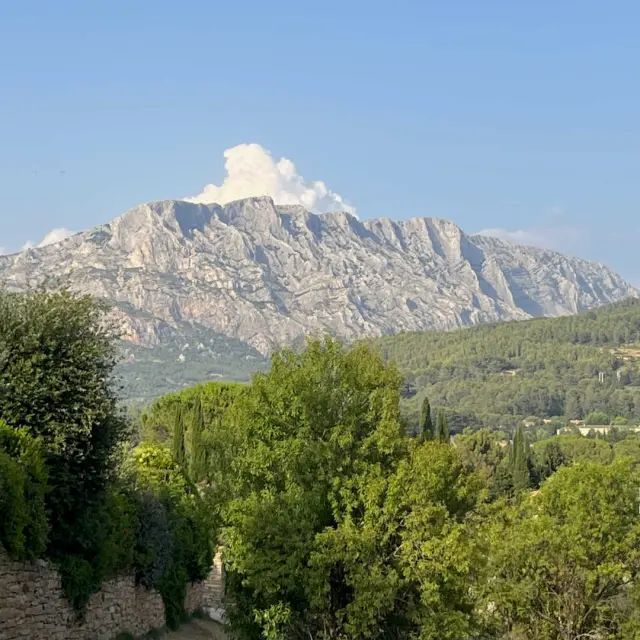
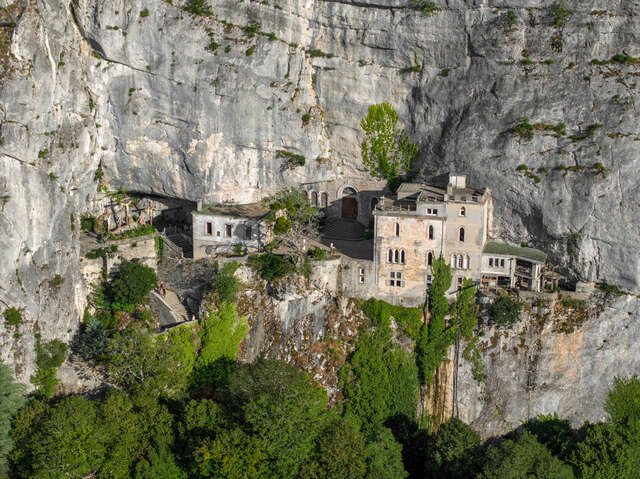
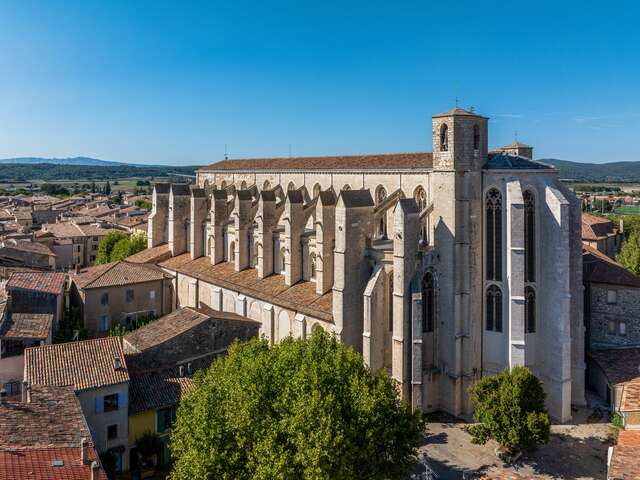
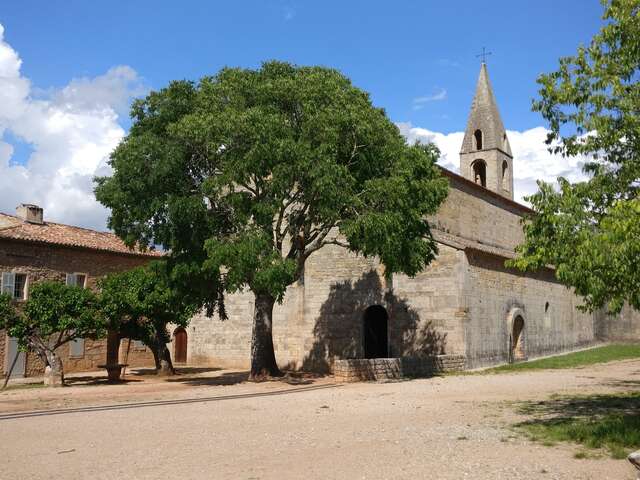
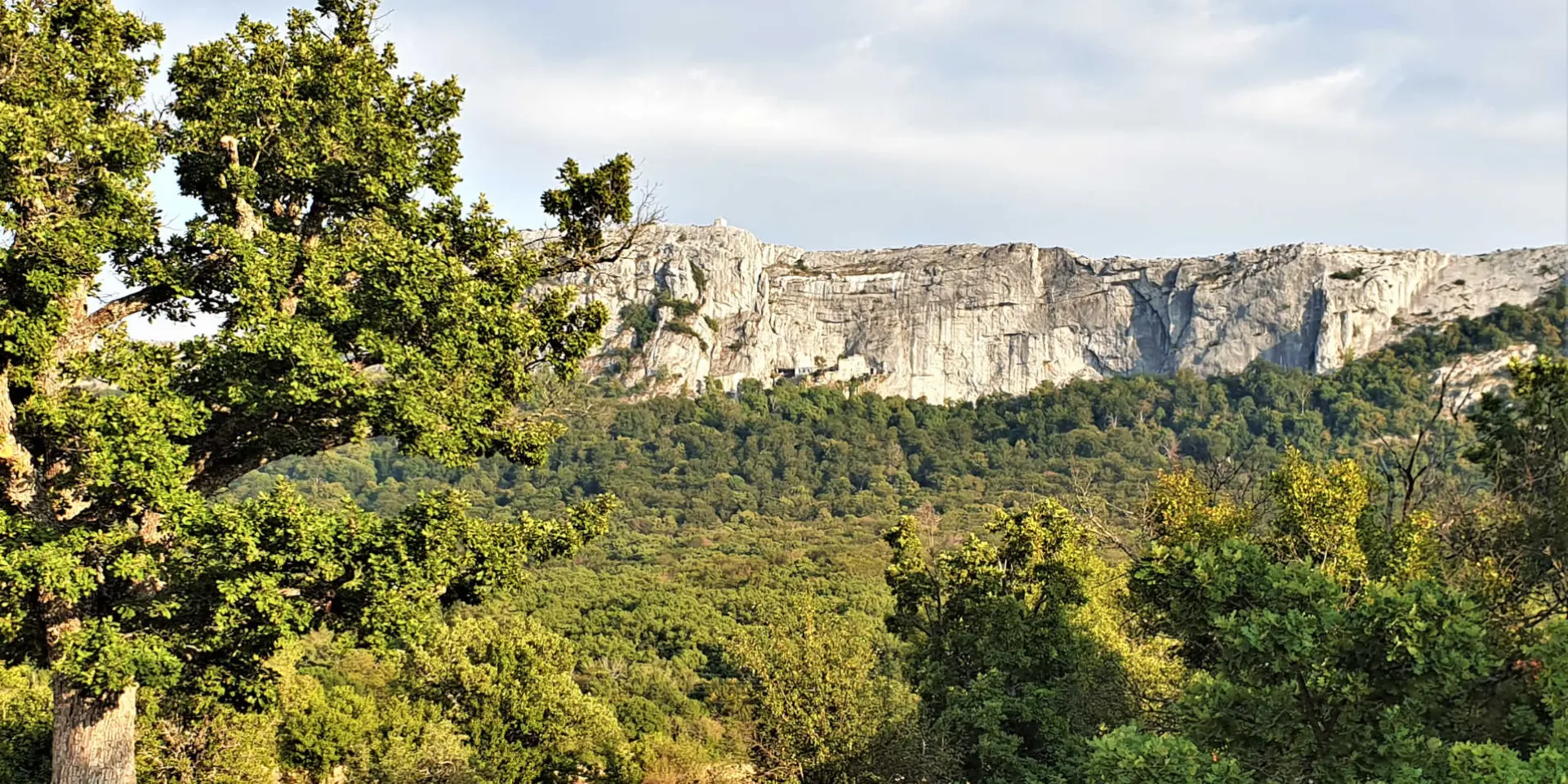
At the limit of the Alpes-Maritimes and the Var, the Via Aurelia reveals the beauty of this exceptional coastline in the Estérel-Théoule Departmental Maritime Park, and then the striking sight of the red rocks of the Estérel. After you have gone through the historic town of Fréjus, the Pilgrim’s Way to Compostela takes you through the lush Provence Verte and the dense forests of the Sainte-Baume Natural Regional Park. These are lands that are filled with spirituality, where you’ll first visit the Cistercian abbey of Le Thoronet, the Sainte-Marie-Madeleine grotto, where she withdrew from the world, and the imposing basilica of Saint-Maximin-la-Sainte-Baume. As you approach the Montagne Sainte-Victoire, you’ll see the landscapes of sun-kissed vineyards so typical of Provence. When you reach Aix-en-Provence, you’ll discover the majestic Saint-Sauveur Cathedral, built on the site of the ancient forum and then admire the olive groves and limestone hills batherin sunlight all the way to Arles.