


Description
A major figure in surrealism and twentieth-century photography, Man Ray is honored at Toulon's MAT. The "La magie de l'image" exhibition unveils his creative universe of photography, experimentation and visual poetry.
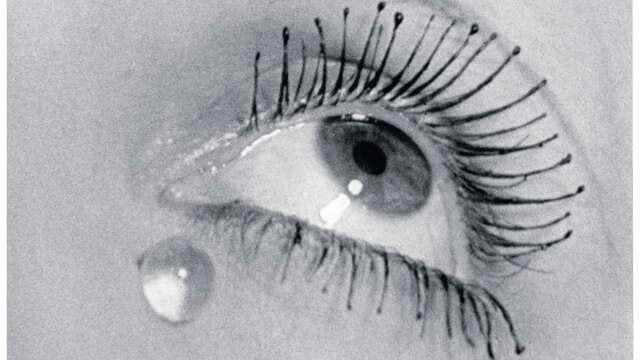
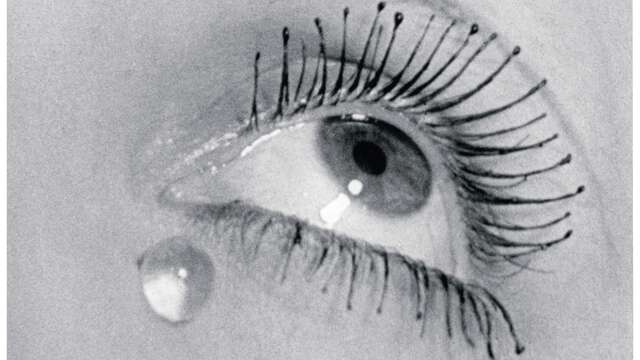
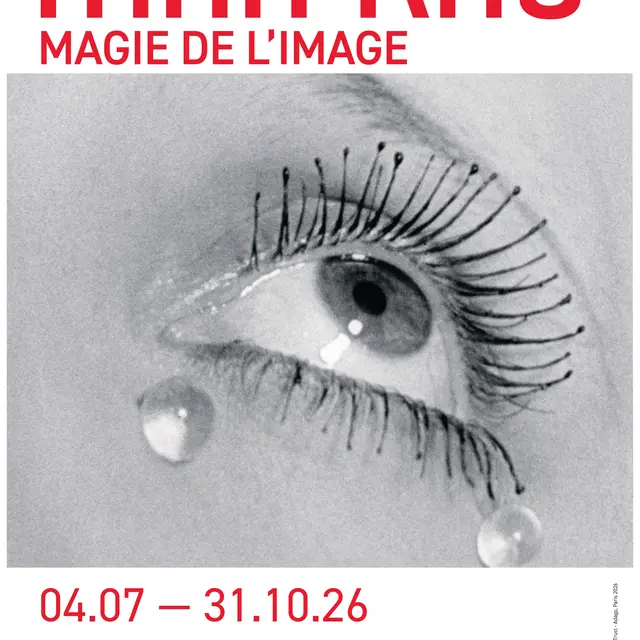
From July 4 to October 31, 2026, the Toulon Museum of Art presents the major exhibition "Man Ray: The Magic of the Image." Nearly two hundred works—photographs, paintings, drawings, lithographs, rayographs, glass plates, fashion photographs, objects, books, and films—trace the career of one of the major artists of the 20th century.
The exhibition marks a dual commemoration: the fiftieth anniversary of the passing of Man Ray, who died in Paris on November 18, 1976, and the bicentennial of the world’s oldest known photograph, taken in 1826 by the Frenchman Nicéphore Niépce.
The Magic of the Image, or Strange Beauty:
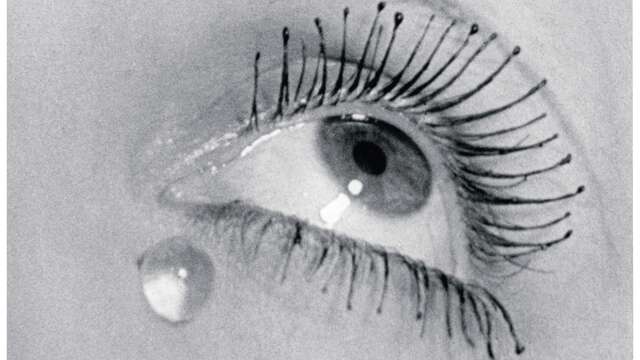
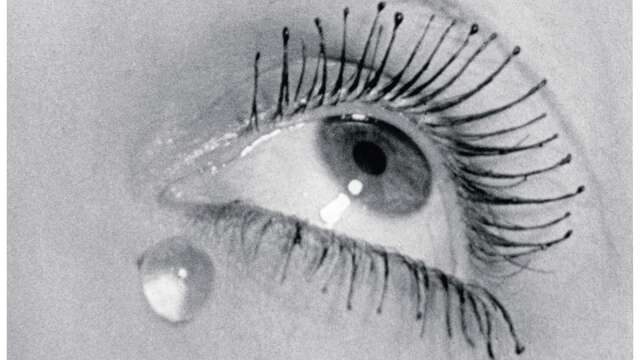
The title is borrowed from a late work by Man Ray, a color aquatint etching created in 1971 based on one of his own glass negatives, which is featured in the exhibition.
For him, magic is not mere entertainment. It is what happens when an image refuses to be content with merely representing the world and invents another perspective, another meaning, another presence. Through rayography, solarization, glass plate photography, the ready-made, the surrealist portrait, and fashion photography—of which he was one of the inventors—Man Ray created that strange beauty that emerges when reality allows itself to be enchanted.
A journey in six stages:
The exhibition unfolds in six chapters covering the major periods of his work, from his early years in New York and his encounter with Marcel Duchamp to his final years in Paris on Rue Férou.
1 - Born Modern
1911–1921. New York, Dada, and Duchamp
2 - Paris, Artistic Effervescence
1921–1939. Objects, Surrealism, and Visual Thought
3 - Photographic Experiments
1922–1936. Light as Invention
4 - Plastic Experiments
1921–1971. Objects, Books, and Metamorphoses
5 - Man Ray and Fashion
1922–1937. Surrealism Dresses Paris
6 - The Last Studio
1940–1976. Hollywood, Paris, and works set free.
A body of work interwoven with friendships and faces:
The exhibition reveals an artist who is broader, more playful, and more in tune with his time than the partial image that usually circulates. Throughout the exhibition, the friendships that nourished his work unfold: Marcel Duchamp, a friend of fifty-three years. The poets Tristan Tzara, Paul Éluard, André Breton, Robert Desnos. The painters Pablo Picasso, Max Ernst, Yves Tanguy, and Salvador Dalí. The musician Erik Satie, a collaborator on “Le Cadeau” in 1921. And the women who populate his work. Adon Lacroix, a Belgian poet and his first partner. Kiki de Montparnasse, queen of the Roaring Twenties. Lee Miller, student turned lover, future war photographer. Adrienne Fidelin, a dancer from Guadeloupe, the first Black model to appear in a major American fashion magazine. Juliet Browner, his final partner and muse for thirty-six years.
Through this journey, the exhibition reveals an artist who never accepted boundaries between disciplines, techniques, or imaginations. Painting, photography, objects, film, fashion, and poetry all stem from his shared desire for freedom. The image is never static. It circulates, transforms, reinvents itself.
At a time when images flood our daily lives, Man Ray’s work retains a singular power. For him, the image does not confine the gaze. It opens it. It challenges certainties, shifts visual habits, and invites everyone to see differently.
Two centuries after the invention of photography, his work remains astonishingly modern. It reminds us that art can still be a space for experimentation, poetry, and freedom.
Curator – Artwork Loans:
> Pierre-Yves Butzbach, manager of the Telimage agency and the Man Ray photo library since 1995.
> Franck Mei, chief curator and director of the Toulon Museums, assisted by the curatorial team of the
Toulon Museum of Art.
This exceptional collection of works was made possible thanks to the generosity of private collectors
and the invaluable support of Telimage.